
Unveiling the Comprehensive Features of Bracketing Systems in Sports & Gaming
Deep dive into functionalities, innovations, and design aspects for prior art
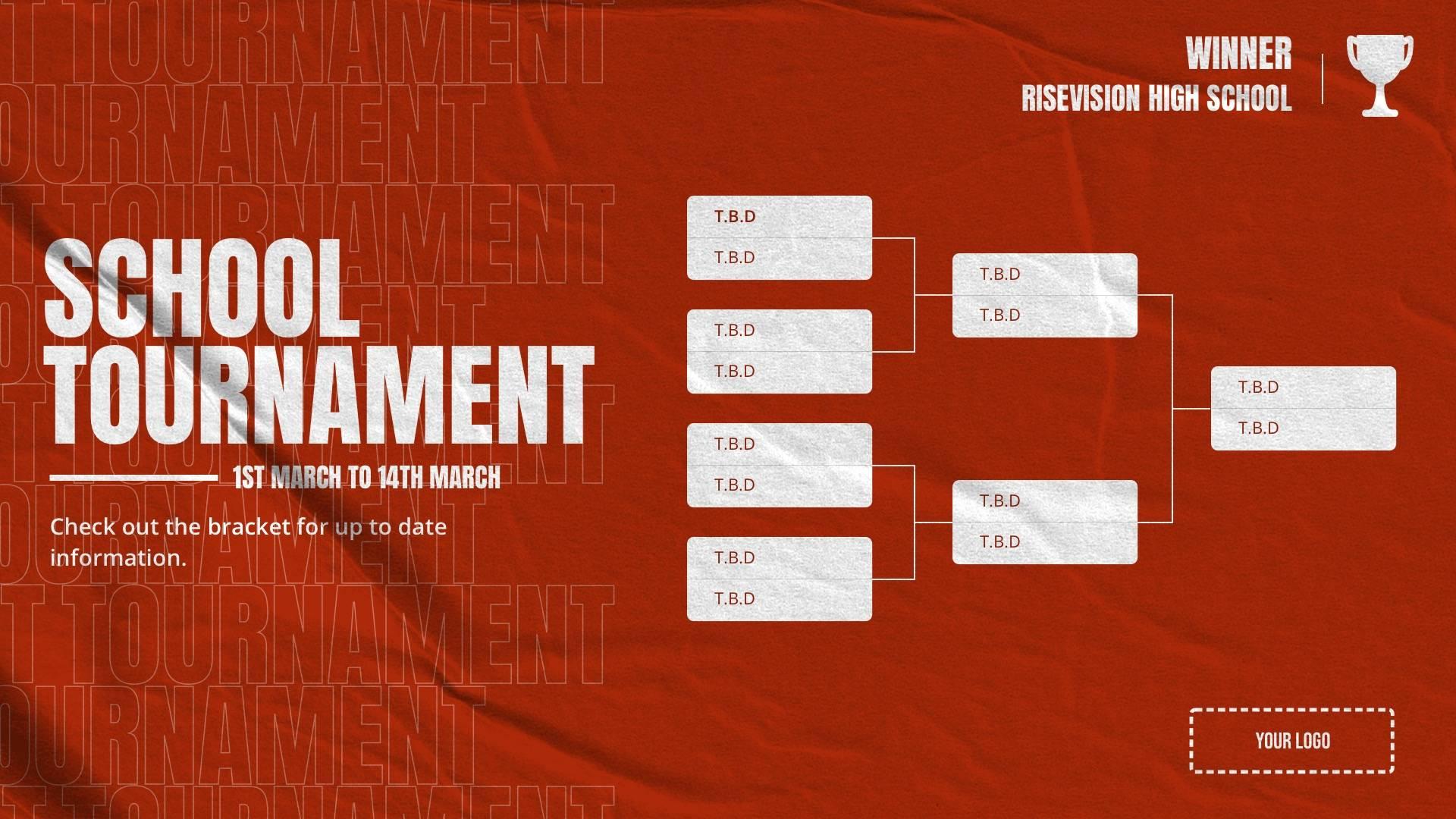
Key Highlights
- Structured Competition: Understand single, double elimination, and round-robin paths.
- Engagement & Interactivity: Explore interactive dashboards, live updates, and narrative storytelling.
- Technological Integration: Learn about digital platforms, seeding methods, and customization features.
Overview of Bracketing Systems
The evolution of bracketing systems in sports and gaming reflects the dynamic nature of competition management. Bracketing systems have historically transitioned from static, paper-based models to sophisticated digital platforms. This evolution has been driven not just by the adoption of new technologies but by a continuous drive to enhance competitive fairness, spectator engagement, and organizational efficiency. As tournaments and gaming competitions expanded in scale and complexity, modern bracketing systems have incorporated a host of features designed to meet diverse needs and expectations.
Foundational Features
At the core, bracketing systems serve to create a clear structure for competitions. They systematically outline match-ups and progressions, giving both participants and spectators a transparent view of the tournament layout. The fundamental features include:
Types of Brackets
Different formats address different competitive environments:
- Single-Elimination: Participants are eliminated after one loss, presenting a straightforward and suspenseful competition style.
- Double-Elimination: Participants get a second chance in a losers bracket, which both prolongs competition and increases fairness.
- Round-Robin to Bracket: Initially, all teams compete in a round-robin format, followed by a bracket stage, allowing comprehensive participation before elimination rounds.
Seeding and Fairness
Seeding mechanisms are essential in ensuring a fair contest, preventing early clashes between strong competitors. The seeding process might use performance metrics from previous competitions or results from a preliminary group stage. This order not only creates a balanced competitive environment but also builds anticipation by ensuring that top competitors are likely to meet in later rounds.
Match Organization & Scheduling
Effective bracket design provides tournament organizers with a streamlined way to schedule matches. Automated notifications, result tracking, and real-time updates facilitate smoother operation. Additionally, the tools available allow for customizable scheduling that can adapt to varying tournament sizes ranging from local events to multinational competitions.
Interactive and Digital Enhancements
Engagement and Spectator Experience
Modern bracket systems go beyond the mere layout of tournament progressions. They incorporate interactive features that engage fans and promote community building:
Interactive Dashboards and Live Updates
One of the hallmarks of current systems is the ability to provide real-time information. Live score tracking, interactive dashboards, and real-time notifications keep users informed and involved. This digital interactivity also enables features like fan voting and predictions, which help in building narratives around tournaments.
Customization and Visual Appeal
Digital platforms empower users to customize the look and functionality of their brackets. From changing themes and colors to integrating participant images and detailed statistics, customization not only enhances the visual appeal but also tailors the user experience to match the event’s tone and style.
Technological Integration for Enhanced Data Handling
Integrating advanced technologies enhances not only the user interface but also the back-end data integration that drives these systems:
Real-Time Data Integration
Modern bracket systems are capable of feeding live statistics, win probabilities, and performance metrics directly into the competition visuals. This capability allows spectators to engage in deeper analysis and augments the storytelling aspect of tournaments.
Digital Platforms and Live Streaming
The rise of esports and online gaming has accelerated the technical innovation within bracket systems. Integration with live streaming services and social media platforms has broadened the audience reach and engagement. Fans not only follow the tournament progression on dedicated sites but also share predictions, commentary, and engage with interactive features that enrich the overall experience.
Economic and Organizational Impacts
Monetization and Strategic Partnerships
Beyond the operational benefits for organizers, bracketing systems have significant economic implications:
Revenue Generation through Advertising and Sponsorships
The structured and interactive nature of modern bracket systems has attracted sponsors and advertisers. By providing detailed analytics and audience engagement data, event organizers can offer targeted marketing opportunities and generate additional revenue streams.
Betting and Predictive Analysis
Online betting platforms have increasingly integrated with digital brackets. Real-time updates and statistical overlays allow betting companies to enhance their offerings and engage users with dynamic odds adjustments based on live performance.
Community Building and Brand Engagement
Effective bracket systems also contribute to building communities. In both sports and gaming, these systems foster mentorship, fan interaction, and community discussions that extend well beyond the tournament's duration. The competitive narratives created by bracket formats often drive long-term audience loyalty and brand engagement, which are vital for sustained commercial success.
Comprehensive Comparison Table of Bracketing Features
| Feature Category | Description | Examples & Variants |
|---|---|---|
| Brackets Format | Structures competition paths, determining progression and elimination methods. | Single-elimination, Double-elimination, Round-robin to Bracket |
| Seeding Mechanism | Orders participants based on performance, ensuring competitive balance. | Pre-tournament rankings, preliminary group stage results |
| Match Scheduling | Organizes match times, automates notifications, and supports real-time updates. | Automated scheduling, interactive match calendars |
| Engagement Features | Enhances viewer experience through interactivity and social integration. | Live score tracking, interactive dashboards, fan predictions |
| Customization | Visual and functional modification capabilities to suit event needs. | Themes, color schemes, participant image integrations |
| Data Integration | Incorporates live statistics, performance metrics, and predictive analysis. | Win probabilities, real-time stats updates |
| Economic Impact | Facilitates revenue generation, sponsorship, and marketing opportunities. | Advertising, betting integration, brand partnerships |
Prior Art and Historical Context
The concept of bracketing has evolved significantly in terms of both design and functionality. In the context of prior art, early bracketing systems were relatively simple, largely relying on static displays often recorded manually on paper or basic computational systems. Over time, with the advent of digital technology, these systems expanded their role from mere structural organizers to dynamic platforms that could integrate real-time data and interactive media.
Evolution from Traditional to Digital Systems
Traditional bracket systems served as the backbone for organizing sports competitions by clearly laying out match progressions. However, as digital media became pervasive, these systems underwent extensive innovation:
Static to Interactive Platforms
Where once tournament charts were static, today’s digital systems come alive with interactive features. They allow for real-time score updates, participant tracking, and give users the ability to customize their viewing experience in ways that even the most elaborate paper-based systems could not achieve.
Incorporation of Social Features
Modern systems recognize that sports and gaming are not only about competition, but also about community. Features such as online voting, prediction contests, and social media integration have transformed bracketing systems into lively hubs of interactive engagement. This evolution reflects the broader technological trends where community building and user engagement are paramount.
Case Studies and Applications
Sports Tournaments
In traditional sports, structured brackets ensure that tournaments are conducted in a fair and organized manner. From local neighborhood leagues to international championships, the principles of proper seeding, scheduling, and live data integration remain central. Modern adaptations also incorporate fan interactivity, allowing viewers to predict winners and follow live match statistics.
Competitive Gaming and eSports
In the realm of competitive gaming, bracketing systems have adapted to the fast-paced and ever-changing dynamics of online tournaments. Esports organizers frequently utilize digital platforms that integrate real-time data feeds, interactive visualizations, and detailed performance analytics. This not only enhances the competitive experience for players but also creates a more engaging narrative for spectators and fans.
Innovative Implementations
Several sports and gaming platforms have been pioneers in implementing advanced bracketing systems. They have introduced elements such as image uploads for participants, live seeding adjustments based on performance metrics, and customized dashboards, which collectively add a layer of sophistication to tournament management. These technical and design innovations have been pivotal in setting new standards for both traditional sports tournaments and gaming competitions.
Integration with Broader Technological Ecosystems
Modern bracket systems do not operate in isolation. They are a part of a larger ecosystem that includes social media, live streaming, and online data analytics. The seamless integration of these systems within broader digital platforms has facilitated:
Enhanced User Experience
The integration of live streaming, social media engagement, and interactive features has greatly amplified the viewer experience. Users can not only access real-time game data but also interact with other fans and participants through a variety of digital forums, thereby transforming passive viewing into an active community-driven experience.
Operational Efficiency
The use of advanced data integration tools in bracket systems streamlines the management of tournaments. Organizers benefit from automated updates, reduced administrative overhead, and the ability to handle larger scales of competition with minimal errors.
Data-Driven Decision Making
By integrating detailed statistics and performance metrics into the bracket system, organizers—and even bettors—can make informed decisions. The transparency of data supports not only the management of the event but also the analysis of competitive dynamics, further cementing the role of technology in modern tournament organization.
Prior Art References
The discussion on the functionality of bracketing systems is well supported by a number of dedicated resources that explore both historical evolution and cutting-edge innovations in the field:
- The Role of Brackets in Modern Sports and Gaming - Brackets Ninja
- The Role of Tournament Brackets in Enhancing Competitive Gaming and Esports - Brackets Ninja
- Exploring the Different Types of Brackets: From Sports to Pop Culture - Brackets Ninja
- Designing the Perfect Tournament Bracket – Tips and Tricks for Organizers - Brackets Ninja
- Exploring the Different Types of Brackets from Sports to Pop Culture - Common Ninja
Recommended Related Queries
Last updated March 25, 2025