
Unlocking Intelligence: How Much of Your Brain's Power Is Born vs. Built?
Delving into the fascinating interplay of genetics and effort in shaping the neural foundations of intellect.
The quest to understand human intelligence has long captivated scientists and philosophers alike. Modern neuroscience reveals that it's not merely the size of our brain that dictates our cognitive prowess, but rather the intricate wiring and operational efficiency within. You've highlighted key aspects: neural connectivity, grey matter density, white matter integrity, specific brain networks, and neural efficiency. The crucial question then arises: how much of this sophisticated machinery is predetermined by our genes, and to what extent can we sculpt it through dedicated effort and experience? Let's explore this intricate balance.
Essential Insights: Nature, Nurture, and Neural Nuance
- Genetic Blueprint & Lifelong Plasticity: While our genes lay down the fundamental architecture of our brain, including initial predispositions for connectivity and efficiency, the brain remains remarkably adaptable (plastic) throughout life.
- Effort-Driven Enhancements: Consistent mental and physical training, learning new skills, and engaging in cognitively demanding activities can demonstrably alter brain structure and function, leading to improvements in the very aspects critical for intelligence.
- A Dynamic Interplay: Intelligence-related brain features are not static. They emerge from a continuous, dynamic interaction between congenital factors and environmental influences, including our own choices and efforts.
Deconstructing the Brain's Pillars of Intelligence
Understanding intelligence requires a closer look at the specific components of brain structure and function. Below, we examine each aspect you mentioned, considering the contributions of both innate factors and the potential for enhancement through training.
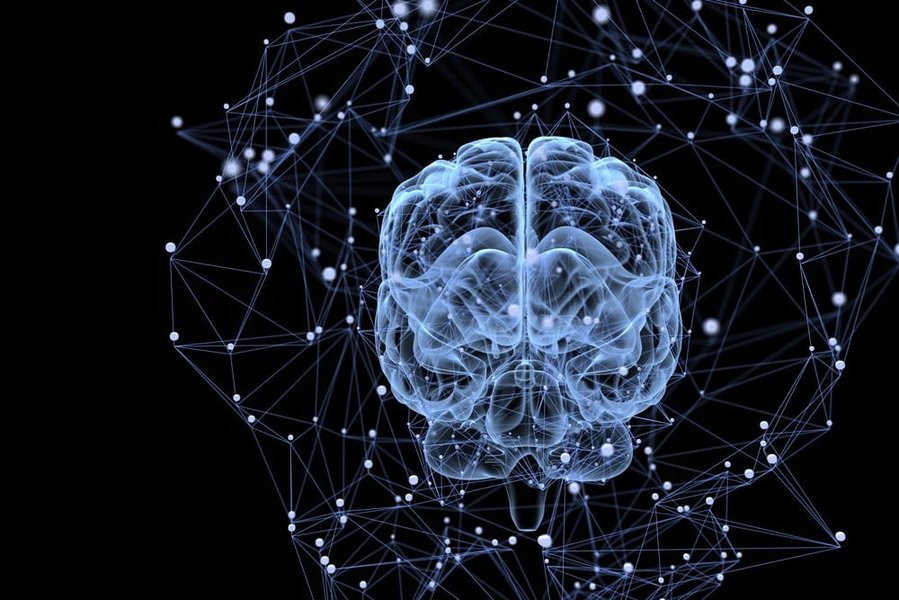
The human brain, a complex network whose efficiency underpins intelligence.
1. Neural Connectivity: The Brain's Information Superhighway
Neural connectivity refers to the efficiency and complexity of connections between neurons and different brain regions, forming the communication pathways essential for thought and learning.
Congenital Influences:
Genetics significantly shape the foundational architecture of brain networks. Studies indicate a substantial heritable component in the overall efficiency and organization of these connections, particularly evident during childhood and adolescent development. Certain gene sets are known to regulate the formation of functional communication pathways, establishing the initial blueprint for cognitive circuits. This means that baseline variations in how well different brain areas "talk" to each other can be, in part, traced back to our genetic inheritance.
Trainable Aspects:
Despite the genetic groundwork, neural connectivity is highly responsive to experience and training. The brain's inherent plasticity allows for the strengthening, weakening, or even rerouting of connections. Activities such as acquiring new skills, engaging in consistent cognitive training (like learning a new language or musical instrument), and even regular physical exercise can enhance the efficiency and complexity of these networks. For instance, research shows that learning can lead to stronger neural connections, and interventions can improve functional connectivity in networks like the default mode network. Environmental factors, including education and socioeconomic status, also play a crucial role by providing the stimuli and resources that foster robust connectivity.
2. Grey Matter Density: The Brain's Processing Units
Grey matter, rich in neuronal cell bodies, dendrites, and synapses, is concentrated in cortical areas like the frontal and parietal lobes, which are pivotal for higher-order cognitive functions such as reasoning, planning, and problem-solving. Density here refers to the concentration of these elements.
Congenital Influences:
Regional grey matter volumes and densities, particularly in areas associated with intelligence, show partial heritability. Twin studies have confirmed substantial genetic influence over these structural characteristics. This suggests that our genetic makeup contributes to the initial density and distribution of these crucial processing units across different brain regions.
Trainable Aspects:
Grey matter density is remarkably plastic and can be significantly altered by experience and training. Learning new, complex skills has been shown to induce measurable changes in grey matter. For example, studies have demonstrated that activities like juggling can lead to an increase in grey matter density in specific brain areas associated with visual-motor coordination within weeks. Similarly, musical training, aerobic exercise, and even resistance training have been linked to increases in grey matter volume or density in regions involved in cognition and motor control. This highlights that dedicated effort can lead to tangible structural enhancements in the brain's processing centers.
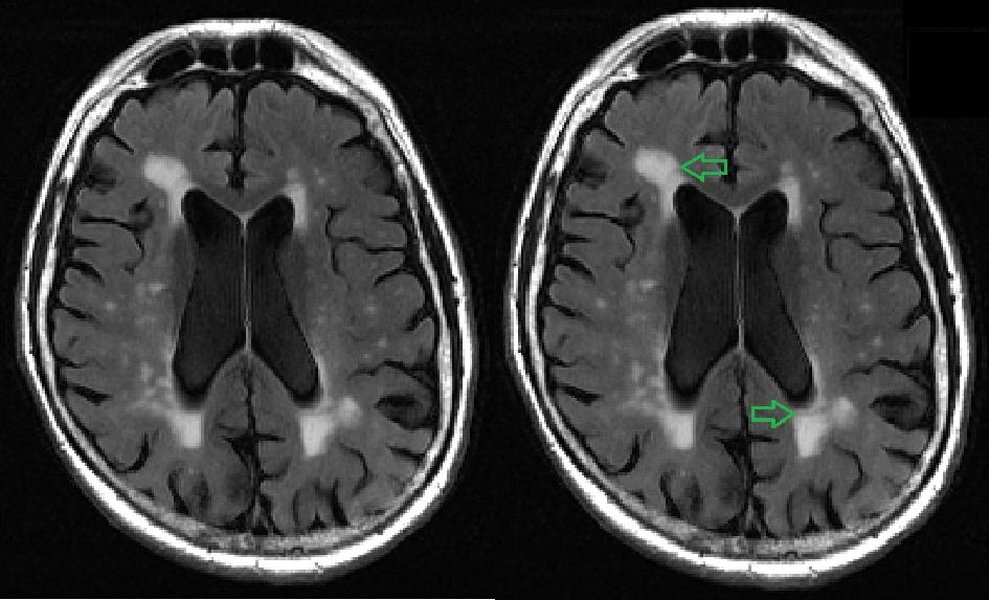
An MRI image highlighting white matter tracts, crucial for rapid signal transmission in the brain.
3. White Matter Integrity: Ensuring Speedy Communication
White matter consists primarily of myelinated nerve fibers (axons) that form the brain's "cabling system," transmitting signals rapidly and reliably between different grey matter regions. Integrity refers to the quality and organization of these fibers.
Congenital Influences:
The microstructure of white matter, which determines the efficiency of neural communication, has a heritable basis. Genetic factors influence the development and quality of these axonal fibers and their myelin sheaths, contributing to individual differences in the speed and reliability of information transfer across brain networks.
Trainable Aspects:
White matter integrity is not static and can be positively influenced by environmental factors and specific behaviors. Cognitive training, learning new skills, and regular physical exercise have been shown to enhance white matter structure, potentially by promoting myelination or improving axonal health. For example, learning a new skill can lead to changes in white matter tracts associated with that skill. Furthermore, lifestyle factors such as nutrition and early-life experiences also contribute to the development and maintenance of healthy white matter.
4. Specific Brain Networks: Orchestrated Cognitive Performance
Intelligence relies on the coordinated activity within and between specialized brain networks, such as the fronto-parietal network (involved in attention and problem-solving), the default mode network (active during introspection and memory recall), and others. The efficiency of these networks is critical for complex cognitive tasks.
Congenital Influences:
The fundamental organization and baseline operational properties of these crucial brain networks have a genetic component. Individual differences in resting-state connectivity and the intrinsic architecture of these networks can be partly attributed to inherited traits. This genetic influence provides a framework for how these networks initially form and function.
Trainable Aspects:
The function and coordination of these networks are highly adaptable. Targeted cognitive training can lead to improved efficiency and stronger connections within and between networks relevant to the trained tasks. For instance, interventions can modify connectivity patterns in the default mode network. Experiences, education, and even therapeutic approaches can reshape how these networks operate and interact, optimizing them for more intelligent behavior. The brain's ability to reorganize and refine these networks through learning underscores the significant impact of effort.
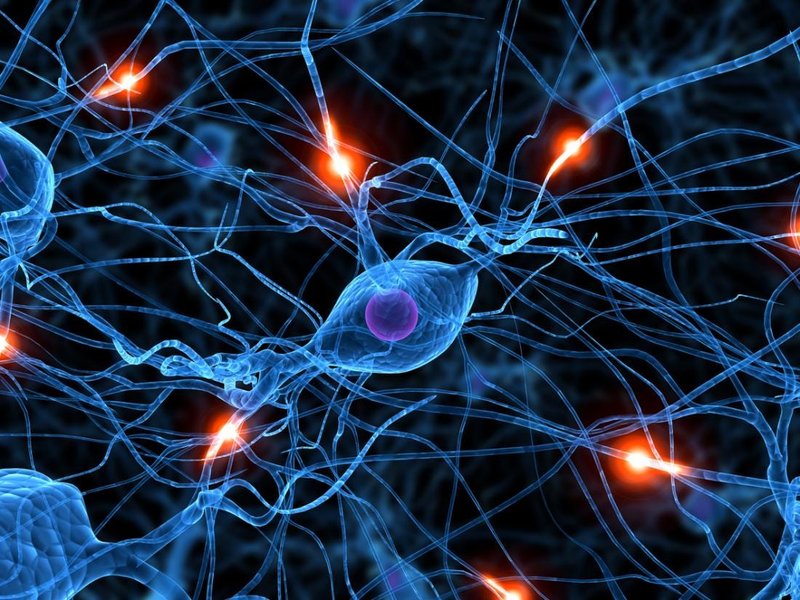
Conceptual representation of a neural network, illustrating interconnected nodes, analogous to brain connectivity.
5. Neural Efficiency: Doing More with Less
Neural efficiency refers to the brain's ability to process information and perform cognitive tasks using minimal energy and resources. More intelligent individuals often exhibit more efficient brain activity patterns.
Congenital Influences:
There appears to be a heritable component to neural efficiency. Some individuals may naturally exhibit more focused brain activation or require less neural activity to perform certain cognitive tasks, suggesting a genetic predisposition towards more efficient brain function. This could be related to the inherent quality of neural connections or metabolic processes.
Trainable Aspects:
Neural efficiency can be significantly improved through practice, learning, and expertise development. As skills become more automated with practice, the brain often requires less energy and fewer neural resources to execute them. Cognitive training can lead to more streamlined and efficient patterns of brain activation. This suggests that sustained effort can teach the brain to work "smarter, not just harder," optimizing its energy expenditure for cognitive tasks.
Visualizing the Balance: Congenital vs. Trainable Factors
The following chart offers a visual representation of the estimated relative influence of congenital (genetic) factors versus the potential for modification through training and effort for each key brain aspect related to intelligence. The scores are illustrative, based on the current understanding from neuroscience research, where higher values indicate greater influence or potential.
This chart illustrates that while congenital factors establish a significant baseline for these neural characteristics, there is substantial room for improvement and enhancement across all areas through dedicated training, learning, and experience.
Mapping the Interconnections of Intelligence
The various facets of brain structure and function contributing to intelligence are interconnected. The mindmap below illustrates these relationships and how both congenital factors and trainable efforts influence these critical aspects.
This mindmap emphasizes that each pillar of intelligence-related brain function is subject to both foundational genetic influences and significant modulation through life experiences and dedicated effort.
The Brain's Capacity for Change: A Deeper Dive
The concept of neuroplasticity is central to understanding how human effort can shape the brain. Dr. Lara Boyd, a brain researcher, discusses how our behaviors and experiences can change our brain structure and function. The following video provides compelling insights into this topic.
Dr. Lara Boyd discusses how our brains are constantly being shaped by our experiences and actions, highlighting the power of neuroplasticity.
Dr. Boyd's research underscores that engaging in new learning experiences and practicing skills can lead to observable changes in the brain. This aligns with the evidence that aspects like neural connectivity and grey matter density are not fixed but can be enhanced. The key takeaway is that the brain is remarkably dynamic, and what we do matters significantly for its development and function throughout our lives.
Synthesizing Nature and Nurture in Brain Development
The table below summarizes the interplay between congenital factors and the potential for training-induced modifications for each critical aspect of brain function related to intelligence.
| Brain Aspect | Primary Congenital Influence (Nature) | Potential for Training/Modification (Nurture & Effort) | Examples of Modifying Factors |
|---|---|---|---|
| Neural Connectivity | Genetic predispositions for network architecture and baseline efficiency. | High; connectivity can be strengthened, pruned, and reorganized. | Learning new skills, cognitive training, education, enriched environments, social interaction. |
| Grey Matter Density | Heritable variations in regional grey matter volume and neuronal concentration. | High; density can increase in specific areas with targeted activity. | Skill acquisition (e.g., juggling, music), physical exercise (aerobic & resistance), cognitive challenges. |
| White Matter Integrity | Genetic factors influencing axon quality, myelination, and overall structural connectivity. | Moderate to High; integrity can be improved, supporting faster signal transmission. | Cognitive training, physical exercise, learning complex motor skills, healthy lifestyle (nutrition). |
| Specific Brain Networks | Genetic influence on the topology, intrinsic connectivity, and baseline efficiency of networks (e.g., fronto-parietal). | High; network function, coordination, and efficiency can be optimized. | Targeted cognitive exercises, therapy, meditation, continuous learning, problem-solving activities. |
| Neural Efficiency | Inherited tendencies for how economically the brain uses energy during tasks. | High; brain can learn to perform tasks with less energy expenditure. | Practice and mastery of skills, expertise development, strategic thinking, focused attention training. |
This table reinforces the consensus that while genetics provide a starting point, human effort and environmental factors play a substantial role in shaping these critical brain characteristics. Intelligence is not a fixed entity determined solely at birth; rather, it is a dynamic capacity that can be cultivated.
Frequently Asked Questions (FAQ)
Is intelligence primarily fixed from birth due to genetics?
No, intelligence is not primarily fixed. While genetics provide a significant foundational blueprint for brain structure and function (accounting for roughly 40-80% of baseline variations in some aspects depending on the specific trait and age), there is substantial room for modification and development throughout life. The brain's plasticity means that experiences, learning, and deliberate effort can lead to significant changes in neural connectivity, grey matter density, white matter integrity, network function, and neural efficiency, all of which contribute to intelligence.
What kinds of activities are most effective for 'training' the brain and enhancing these intelligence-related aspects?
A variety of activities can effectively train the brain:
- Cognitive Training: Engaging in mentally challenging tasks like learning a new language, playing a musical instrument, solving complex puzzles, or strategic games.
- Physical Exercise: Regular aerobic exercise (like running or swimming) and resistance training have been shown to improve brain health, including grey matter volume and white matter integrity.
- Continuous Learning: Pursuing education, reading widely, and acquiring new knowledge and skills.
- Mindfulness and Meditation: Practices that can improve attention, emotional regulation, and potentially alter brain connectivity.
- Novelty and Challenge: Stepping outside of one's comfort zone and engaging in new and complex experiences stimulates brain plasticity.
How quickly can these trainable changes in brain structure and function occur?
Observable changes can occur relatively quickly, sometimes within weeks or months of consistent training or new learning experiences. For example, studies on learning new motor skills (like juggling) have shown measurable increases in grey matter density in relevant brain areas in as little as a few weeks. Functional changes, such as improved network efficiency, can also be detected over similar timescales with intensive training. However, more substantial and lasting changes typically require sustained effort over longer periods.
Does age limit the brain's ability to change and improve these aspects?
While the brain is most plastic during childhood and adolescence (critical periods for development), it retains a significant capacity for change (plasticity) throughout adulthood and even into old age. Learning new things, engaging in cognitive activities, and physical exercise can continue to induce positive changes in brain structure and function in older adults. Although the rate or extent of change might differ compared to younger individuals, the potential for improvement remains. Lifelong learning and an active lifestyle are key to maintaining cognitive health and fostering brain plasticity across the lifespan.
Recommended Further Exploration
To delve deeper into related topics, consider exploring these queries:
- What are the most effective cognitive training techniques for improving neural connectivity?
- How does physical exercise specifically impact grey matter density and white matter integrity?
- Can lifestyle changes reverse age-related decline in neural efficiency?
- What is the role of genetics versus environment in the development of specific brain networks like the fronto-parietal network?
References
Last updated May 11, 2025