
What is Brass
Comprehensive Overview of Brass Alloy and its Applications
Key Takeaways
- Composition and Variability: Brass primarily consists of copper and zinc, with varying ratios allowing customization of its properties.
- Versatile Applications: From musical instruments and decorative items to industrial components and plumbing fixtures, brass's adaptability is noteworthy.
- Physical and Mechanical Properties: Excellent workability, corrosion resistance, non-magnetic nature, and acoustic qualities make brass a valuable material in numerous fields.
Introduction
Brass is a versatile metal alloy composed primarily of copper and zinc. This combination results in a material that exhibits a range of mechanical, electrical, acoustic, and aesthetic properties, making it suitable for diverse applications across various industries. The proportions of copper and zinc in brass can be adjusted to tailor its characteristics for specific uses, enhancing its utility and performance.
Composition of Brass
Basic Alloy Composition
Brass typically consists of approximately 66-67% copper and 33-34% zinc. However, these ratios are not rigid and can be modified to produce brasses with different properties. The ability to alter the copper-to-zinc ratio allows manufacturers to design brass alloys that meet the specific demands of various applications, such as increased strength, improved machinability, or enhanced corrosion resistance.
Variations in Composition
The flexibility in brass composition extends beyond copper and zinc. Additional elements such as lead, aluminum, manganese, and silicon can be incorporated in small quantities to further refine the alloy's properties. For instance, lead is often added (typically around 2%) to improve machinability, making the alloy easier to cut and shape without excessive wear on tools. Similarly, aluminum can be introduced to enhance corrosion resistance, while manganese and silicon may be used to increase strength and hardness.
Impact of Zinc Content
The zinc content in brass significantly influences its properties. Higher zinc concentrations generally increase the alloy's strength and hardness but can reduce malleability, making it more challenging to work with. When zinc content exceeds 45%, brass becomes increasingly difficult to shape, limiting its use in applications that require extensive forming or intricate detailing.
Properties of Brass
Mechanical Properties
Brass is renowned for its exceptional workability and machinability. Its hardness and tensile strength make it a durable material suitable for applications that endure mechanical stress. The alloy's ability to resist deformation under load ensures longevity and reliability in components such as gears, bearings, and ammunition casings. Additionally, the non-magnetic nature of brass makes it ideal for use in electrical and electronic devices where magnetic interference must be minimized.
Physical Properties
Brass exhibits a bright, gold-like appearance that can vary from reddish-gold to silvery-white based on the copper-to-zinc ratio. Its aesthetic appeal makes it a popular choice for decorative items and luxury goods. The alloy has a relatively low melting point, ranging between 900°C and 940°C, facilitating easier casting and fabrication processes. Furthermore, brass offers good electrical and thermal conductivity, enhancing its functionality in electrical components and heat-exchanging systems.
Chemical Properties
One of brass's standout features is its resistance to corrosion, particularly in environments exposed to water or moisture. This corrosion resistance extends to resistance against saltwater, making brass suitable for marine applications. Additionally, brass possesses antimicrobial properties, inhibiting the growth of bacteria and biofouling organisms, which is advantageous in medical and sanitary applications. However, while brass resists tarnishing and general corrosion, it is slightly less resistant compared to alloys like bronze.
Types of Brass
Red Brass
Red brass contains a higher percentage of copper, resulting in a reddish hue. This type of brass offers enhanced malleability and is often used in applications where ease of shaping is essential. Its color and workability make it a popular choice for decorative fixtures, musical instruments, and certain plumbing components.
Yellow Brass
Yellow brass has a higher zinc content, giving it a lighter, yellowish color. This variation offers increased strength and hardness compared to red brass, making it suitable for applications that require durable and robust materials, such as industrial machinery components, gears, and bearings.
Leaded and Aluminum Brass
Leaded brass includes small amounts of lead to improve machinability, allowing for smoother and more efficient cutting and shaping processes. Aluminum brass incorporates aluminum to enhance corrosion resistance and improve strength. These specialized brasses are tailored for specific industrial applications where standard brass may not provide the required performance characteristics.
Applications of Brass
Musical Instruments
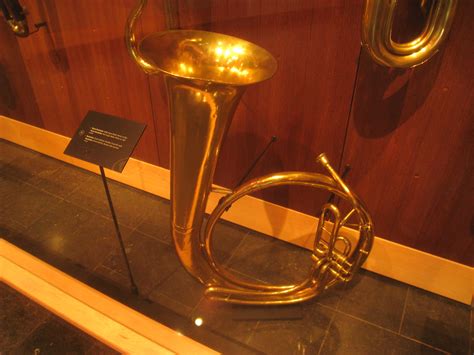
Brass's excellent acoustic properties make it the material of choice for a wide range of musical instruments, including trumpets, trombones, tubas, and horns. Its ability to produce rich, resonant sounds, combined with durability, ensures that brass instruments deliver consistent performance over time.
Plumbing and Hardware
Due to its corrosion resistance, brass is extensively used in plumbing fixtures such as faucets, valves, and fittings. These components benefit from brass's ability to withstand exposure to water without degrading, ensuring longevity and reliability in plumbing systems.
Electrical Components
Brass's good electrical conductivity and non-magnetic properties make it ideal for use in electrical connectors, terminals, and other electronic components. Its ability to conduct electricity efficiently while resisting corrosion ensures reliable performance in various electrical applications.
Decorative Items and Jewelry
The aesthetic appeal of brass, with its bright and varied coloration, makes it a popular material for decorative objects such as door handles, lamps, ornaments, and jewelry. Its ability to be easily shaped and finished allows for intricate designs and elegant appearances in decorative items.
Industrial Applications
In industrial settings, brass is used for manufacturing gears, bearings, ammunition casings, and other mechanical components that require strength, durability, and resistance to wear. Its machinability ensures that these components can be produced with precision and efficiency.
Additional Applications
Brass is also utilized in architectural elements, automotive fittings, marine hardware, and even in some medical devices. Its versatility allows it to meet the demands of various specialized applications, further cementing its status as a crucial industrial alloy.
Historical Significance
Brass has a long history of use dating back to ancient civilizations. Early forms of brass, such as calamine brass, were produced in the Neolithic period. Throughout history, brass has been valued for its versatility, durability, and aesthetic appeal. It played a significant role in the development of musical instruments, decorative arts, and industrial manufacturing, maintaining its importance across millennia.
Enhancements and Additives
The properties of brass can be further enhanced by adding small quantities of other elements. Lead is commonly added to improve machinability, though its use is regulated due to health and environmental concerns. Aluminum enhances corrosion resistance, while elements like manganese and silicon increase the alloy's strength and hardness. These additives allow brass to be customized for specific applications, ensuring optimal performance in diverse settings.
Comparison with Other Alloys
| Property | Brass | Bronze | Stainless Steel |
|---|---|---|---|
| Primary Composition | Copper and Zinc | Copper and Tin | Iron, Chromium, and other elements |
| Corrosion Resistance | High, especially against water | Very high, especially against saltwater | Excellent, especially resistant to rust |
| Machinability | Excellent | Good | Generally poor due to hardness |
| Acoustic Properties | Excellent, used in instruments | Good, used in bells | Poor, not used in acoustic applications |
| Aesthetic Appeal | Bright gold-like appearance | Richer, reddish-brown appearance | Sleek and modern appearance |
| Common Applications | Musical instruments, plumbing, decorative items | Bells, sculptures, marine hardware | Kitchenware, medical instruments, construction |
Environmental and Health Considerations
While brass offers numerous advantages, certain environmental and health considerations must be addressed. The addition of lead to brass to improve machinability poses potential health risks, leading to regulatory restrictions in many applications, especially those involving potable water or consumer products. Additionally, the mining and production of copper and zinc can have environmental impacts, including habitat disruption and pollution. Sustainable practices and recycling efforts are essential to mitigate these effects and ensure the responsible use of brass in industry.
Conclusion
Brass is a highly versatile and historically significant metal alloy composed primarily of copper and zinc. Its adaptable composition allows for a wide range of mechanical, physical, and chemical properties, making it suitable for diverse applications across various industries. From the creation of musical instruments and decorative items to essential components in plumbing and electrical systems, brass's combination of durability, corrosion resistance, aesthetic appeal, and workability ensures its continued relevance and importance in both traditional and modern contexts. While environmental and health considerations necessitate responsible usage and production practices, the enduring value of brass remains indisputable.
References
Last updated January 18, 2025