
Is China's Massive 'Belt and Road' Project Secretly a Military Endeavor?
Unpacking the PLA's role in the world's largest infrastructure initiative.
China's Belt and Road Initiative (BRI), often referred to by its earlier name "One Belt, One Road," is one of the most ambitious global development strategies ever conceived. Launched in 2013, it aims to reshape international trade routes and boost economic integration across continents. A common question arises regarding the nature of this initiative: is it purely economic, or is it fundamentally driven by China's military, the People's Liberation Army (PLA)?
Key Insights into BRI and the PLA
- Economic Core, Not Military Foundation: The BRI is primarily an economic and infrastructure development strategy aimed at fostering trade, connectivity, and investment, not a project initiated or controlled by the PLA.
- Essential PLA Security Role: While not the driver, the PLA plays a crucial and expanding role in providing security for BRI projects, protecting Chinese assets and nationals overseas, and safeguarding strategic routes.
- Strategic Dimensions and Dual-Use Potential: The initiative incorporates infrastructure projects (like ports and railways) that can serve both civilian economic purposes and potential military logistics or operational needs, reflecting China's civil-military integration strategy.
The Economic Engine of the Belt and Road
A Vision for Global Connectivity and Trade
At its heart, the BRI is designed as a vast network connecting Asia with Africa and Europe via land and maritime routes. Its stated goals revolve around five key pillars: policy coordination, infrastructure connectivity, unimpeded trade, financial integration, and people-to-people bonds. Officially launched by President Xi Jinping, the initiative seeks to recreate ancient Silk Road trade routes for the modern era, involving massive investments in:
- Transportation Networks: Building high-speed railways, highways, and ports. Examples include the East Coast Rail Link in Malaysia and numerous port developments across the Indian Ocean and Mediterranean.
- Energy Infrastructure: Constructing pipelines for oil and gas, alongside power plants to support industrial development in participating nations.
- Digital Connectivity: The "Digital Silk Road" component focuses on telecommunications infrastructure, fiber optic cables, and e-commerce hubs.
- Economic Corridors: Establishing special economic zones and trade centers, like the Belt and Road Economic and Trade Center inaugurated in April 2025, to facilitate commerce.
As of 2025, over 150 countries and international organizations have signed onto the BRI framework, with cumulative investments reported to exceed USD 1 trillion. Proponents argue it has the potential to significantly boost global GDP and reduce trade costs, particularly for developing nations integrated into these new networks.
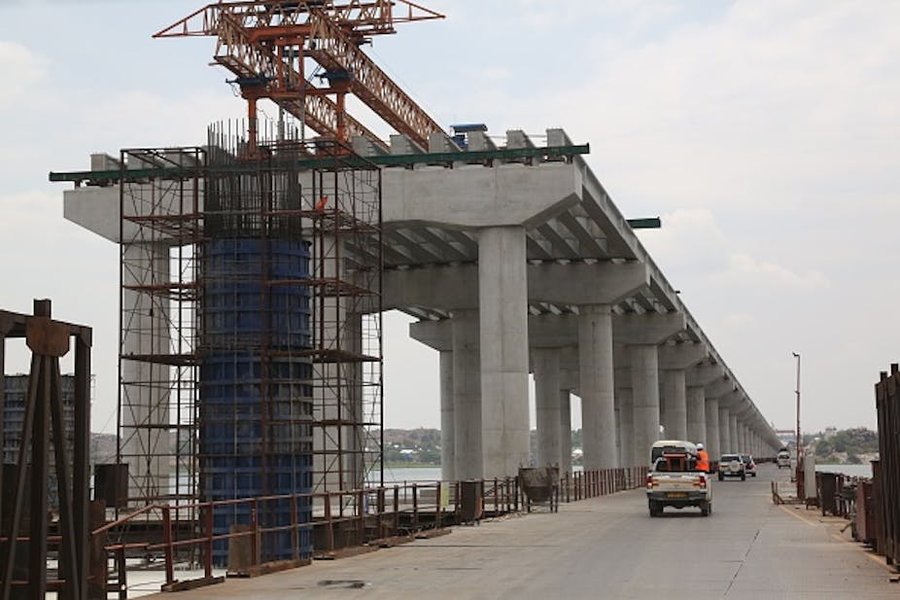
Map showing the vast network of land and sea routes under the Belt and Road Initiative.
The PLA's Vital Security Mantle
Protecting China's Expanding Overseas Interests
While the BRI's foundation is economic, the sheer scale and geographic spread of its projects necessitate a robust security dimension. This is where the People's Liberation Army (PLA) comes into play. The PLA is not the architect of the BRI, but it is increasingly tasked with safeguarding the massive investments, infrastructure, and personnel associated with it.
Securing Assets and Nationals
As China's economic footprint expands globally through the BRI, so do the potential risks. The PLA's role includes:
- Protecting key infrastructure projects like ports, railways, pipelines, and power plants from threats like terrorism, piracy, or local instability.
- Ensuring the safety of the growing number of Chinese citizens working and living abroad in connection with BRI projects.
- Participating in international security cooperation, such as counter-piracy operations (e.g., in the Gulf of Aden) and United Nations peacekeeping missions, which often align with BRI routes and project locations.
Some host nations, particularly in regions like Africa, view the security of Chinese investments as intertwined with their own national security. Agreements like the China-Africa Action Plan reflect this, prioritizing enhanced intelligence sharing and security cooperation to protect major economic projects.

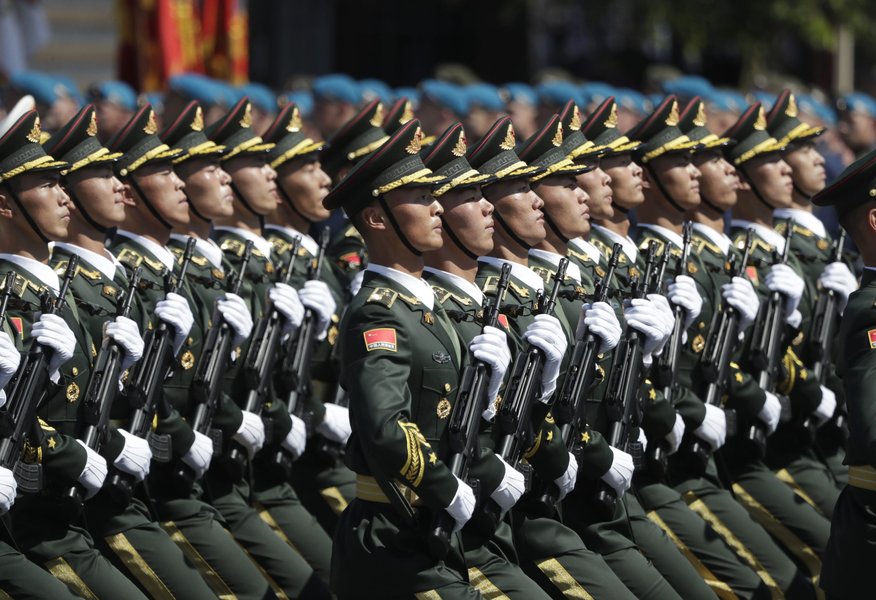
The PLA provides security support for China's extensive overseas interests, including those related to the BRI.
Strategic Alignment and Official Mandate
The PLA's involvement aligns with China's broader national security and geopolitical objectives. China's 2015 defense white paper notably emphasized the protection of overseas interests and maritime security as core PLA missions. This directly corresponds to the needs of securing the "Maritime Silk Road" component of the BRI.
Protecting these interests is viewed as vital for China's energy security, trade flows, and overall economic stability. Securing BRI routes helps mitigate vulnerabilities, such as potential chokepoints like the Strait of Malacca, and supports China's ambition to become a global maritime power.
Internal Perspectives
Research suggests ongoing discussions within the PLA itself regarding the scope and effectiveness of its role in protecting BRI interests, particularly further afield from China's immediate periphery. While there's general agreement on the necessity of protecting these interests, questions remain about the PLA's expeditionary capabilities and the operational challenges of securing such a vast and complex network.
Dual-Use Infrastructure: Blending Economics and Strategy
Infrastructure with Potential Military Applications
A significant aspect linking the BRI and the PLA is the concept of "dual-use" infrastructure. Many large-scale projects funded or built under the BRI, while primarily intended for civilian and commercial use, possess characteristics that could also serve military purposes. This reflects China's national strategy of "Military-Civil Fusion" (军民融合), which aims to leverage civilian technological and industrial advancements for military applications, and vice versa.
Examples of Dual-Use Potential
- Ports: Deep-water ports built for commercial shipping can potentially accommodate naval vessels, providing logistical support, refueling, and maintenance capabilities for the PLA Navy far from home shores.
- Airports: Upgraded or newly built airports could potentially support PLA Air Force operations, including transport and logistics.
- Railways and Highways: Strategic rail lines and road networks can facilitate the rapid movement of personnel and equipment for both economic and potential military purposes.
- Communication Networks: Fiber optic cables and satellite communication systems developed under the Digital Silk Road could enhance military command, control, and intelligence capabilities.
Large infrastructure projects like ports under the BRI often have potential dual-use applications, aligning with China's Military-Civil Fusion strategy.
Enhancing PLA's Global Reach
The development of such dual-use infrastructure along BRI routes inherently enhances the PLA's capacity for overseas power projection and sustained operations. Access to strategically located facilities can significantly improve logistical support for the PLA Navy and Air Force, enabling a more consistent presence in regions like the Indian Ocean, Africa, and potentially even the South Pacific. This is seen by some analysts as a way for China to gradually expand its military influence and operational reach under the guise of economic development, potentially countering strategic containment efforts by rivals.
While the primary driver remains economic, the strategic advantages offered by this infrastructure network are undoubtedly a key consideration for Chinese planners, integrating the BRI into China's broader geopolitical ambitions.
Comparing BRI Focus and PLA Involvement
A Radar Chart Perspective
To visualize the relationship and relative emphasis, this chart compares key aspects of the BRI's primary focus against the nature of the PLA's involvement. The scales (from 1 to 10) represent the perceived intensity or importance of each factor within the two domains. It highlights that while the BRI scores highest on economic and infrastructure goals, the PLA's involvement is significant in security, influence, and leveraging dual-use potential, with direct PLA control over the initiative itself being minimal.
Mindmap: Interplay Between BRI and PLA
Visualizing the Connections
This mindmap illustrates the multifaceted relationship between the Belt and Road Initiative and the People's Liberation Army, showing how the primarily economic project intersects with security, strategic considerations, and potential military capabilities.
BRI and PLA Roles: A Comparative Overview
Distinguishing Economic Drive from Security Support
The following table summarizes the distinct, yet interconnected, roles of the Belt and Road Initiative itself and the People's Liberation Army in relation to it. It helps clarify that while the PLA provides crucial support, the initiative's core identity remains rooted in economic and infrastructure development.
| Aspect | Belt and Road Initiative (BRI) Focus | People's Liberation Army (PLA) Role |
|---|---|---|
| Primary Goal | Economic development, trade facilitation, infrastructure connectivity | Ensuring security, protecting Chinese overseas interests and nationals, projecting influence |
| Lead Agency | Civilian bodies (e.g., National Development and Reform Commission, Ministry of Commerce) | Military command structure (Central Military Commission) |
| Nature of Initiative/Role | Global Economic & Infrastructure Development Strategy | Security Provision & Strategic Support Function |
| Key Activities | Planning, financing, coordinating, and overseeing infrastructure projects; negotiating trade/investment deals | Securing project sites, assets, personnel, and transport routes; conducting patrols, peacekeeping, training; potentially utilizing dual-use facilities |
| Direct Control | Exercises control over the economic, developmental, and diplomatic aspects of BRI | Exercises control over security operations related to BRI; potentially gains access/influence through dual-use infrastructure |
| Key Output | Physical infrastructure (roads, ports, railways), trade agreements, financial flows | A secure operating environment for BRI projects, enhanced PLA global presence and logistical capabilities |
Video Perspective: Overview of the Initiative
Understanding the Scale and Scope
To gain a broader understanding of the Belt and Road Initiative's objectives and some of its major projects, the following video provides a helpful overview. It touches upon the types of infrastructure being developed and the geographical reach of the initiative, offering context for the economic drivers discussed earlier. While it focuses primarily on the development aspects, understanding this foundation is key to appreciating the context in which the PLA's security role operates.
Frequently Asked Questions (FAQ)
Is the BRI primarily a military strategy?
No, the Belt and Road Initiative is fundamentally an economic and infrastructure development strategy. Its primary goals are focused on enhancing global trade, connectivity, and economic growth. While it has significant strategic and security dimensions, and the PLA plays a role in securing it, the initiative itself is driven by economic objectives and led by civilian government agencies, not the military.
What does "dual-use infrastructure" mean in the context of BRI?
Dual-use infrastructure refers to facilities built under the BRI that can serve both civilian/commercial purposes and potential military applications. Examples include deep-water ports that can handle large container ships but also accommodate naval vessels, or airports and railways that facilitate trade and transport but could also be used for military logistics or troop movement. This concept aligns with China's national strategy of Military-Civil Fusion.
How does the PLA protect BRI projects?
The PLA's role in protecting BRI projects involves several aspects. It can include providing security assessments, engaging in security cooperation and intelligence sharing with host nations, conducting naval patrols along key maritime routes (like counter-piracy operations), participating in peacekeeping missions in regions with BRI projects, and potentially deploying personnel to secure specific high-value assets or evacuate Chinese nationals in crisis situations. The exact nature of involvement varies depending on the location and specific agreements with host countries.
Are there concerns about the PLA's growing overseas presence due to BRI?
Yes, the potential for an expanded PLA overseas presence facilitated by BRI infrastructure is a concern for some countries, particularly regional rivals and the United States. Access to ports and other facilities developed under BRI could enhance the PLA's logistical capabilities and allow it to sustain operations further from China. Critics argue this could shift regional power balances and increase China's military influence globally, viewing the economic initiative as providing cover for strategic military expansion.
Is the PLA directly involved in building BRI projects?
Generally, the construction of BRI infrastructure projects is carried out by state-owned enterprises (SOEs) and civilian construction companies, not directly by the PLA itself. The PLA's role is primarily focused on the security aspects (protecting assets, routes, personnel) and potentially utilizing the completed infrastructure, rather than the physical construction process.
References
- The Belt, the Road and the PLA - Jamestown Foundation
- Securing the Belt and Road Prospects for Chinese Military Engagement - NBR
- Weaponizing the Belt and Road Initiative - Asia Society
- China's Massive Belt and Road Initiative - CFR
- PLA Expanding Power Through Belt and Road Initiative - Free Beacon
- Implications for Africa of China’s One Belt One Road Strategy - Africa Center for Strategic Studies
- Geostrategic and Military Drivers and Implications of the Belt and Road Initiative - NBR
Recommended Reading
Last updated April 23, 2025