
Bridging Communities: The Impact of Connectivity
Exploring how infrastructure shapes social connection and well-being in urban and industrial landscapes.
Key Highlights
- Bridges as Connectors: Bridges, including pedestrian and bike paths, physically link disparate areas like residential and industrial zones, fostering interaction and reducing social isolation.
- The Cost of Disconnection: Lack of connectivity, particularly in areas divided by infrastructure like wide roads or highways, can lead to social disconnection, reduced well-being, and economic disadvantages.
- Benefits of Active Transportation Infrastructure: Investment in bike lanes and pedestrian paths improves safety, promotes health, enhances urban mobility, and can contribute to economic growth and a stronger sense of community.
The way our communities are designed and connected significantly impacts the lives of their residents. Physical infrastructure, or the lack thereof, can either foster vibrant, interconnected neighborhoods or contribute to feelings of isolation and disconnection. This exploration delves into how bridges and active transportation infrastructure can serve as vital links, contrasting this with the negative consequences of division, particularly between residential and industrial areas.
The Power of Connection: Bridging Divides
Bridges are more than just structures that span physical obstacles; they are symbolic and functional connectors that can unite communities. In urban planning, bridges can play a crucial role in linking residential areas with commercial zones, schools, amenities, and even industrial areas, facilitating movement and interaction. Skyway bridges, also known as skybridges or skywalks, are specifically designed to safely transport pedestrians over roadways, often connecting buildings or parking decks. Similarly, prefabricated modular bridge kits offer practical solutions for bridging smaller gaps within properties.
Beyond pedestrian and vehicular bridges, specialized bridges exist to serve specific needs. Industrial bridges, for instance, are robust structures used in factories or utility zones, designed to withstand harsh conditions and heavy loads. These can transport people, machinery, and materials across various obstructions like water bodies or railways. In residential developments, well-designed bridges can enhance appeal and functionality, connecting residential zones to amenities and fostering greater interaction among residents, potentially increasing property values.
A Vision of Connectivity: Residential and Industrial Harmony
Imagine a scenario where a well-designed bridge seamlessly connects a residential area with an industrial zone across a wide street. This bridge isn't just for cars; it incorporates dedicated paths for pedestrians and cyclists, adorned with greenery and offering a pleasant passage. This kind of infrastructure encourages interaction between people from both sides, fostering a sense of community that transcends the traditional separation of living and working spaces.
This image depicts a community where the physical connection leads to social benefits. The presence of safe bike paths and green spaces encourages outdoor activity and casual encounters. Neighbors, regardless of whether they live in the residential area or work in the industrial zone, have opportunities to interact, leading to a friendlier and more cohesive environment. This illustrates how thoughtful infrastructure planning can directly contribute to the well-being and happiness of residents.
Below is an image that helps visualize the concept of a bridge connecting residential and industrial areas, potentially incorporating elements that facilitate active transportation and greenery.
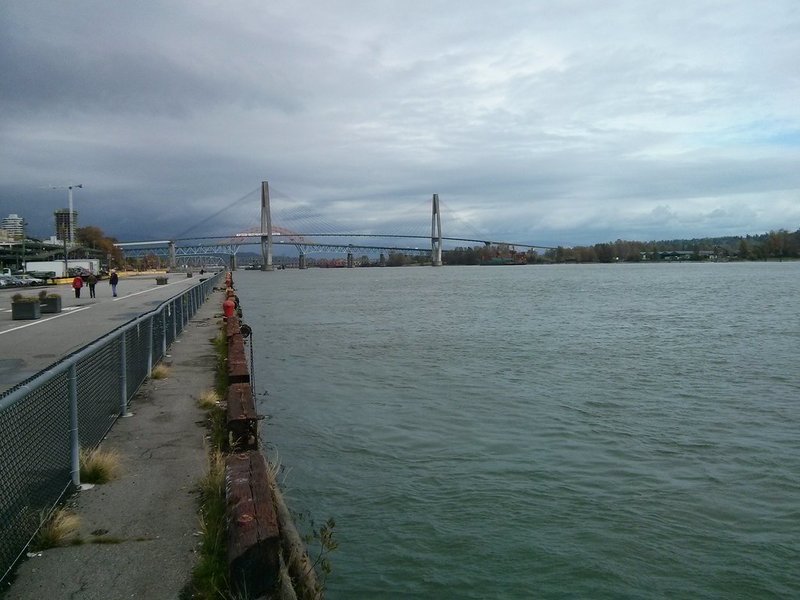
An example of a bridge connecting different urban zones.
The Disconnect: When Infrastructure Divides
In stark contrast to the benefits of connectivity, the absence of well-planned infrastructure can lead to significant social and economic challenges. Wide roads, highways, and other major transportation arteries, while designed to facilitate travel, have historically been shown to disconnect communities. Research indicates that social connections can be weakest in neighborhoods where highways are present. This physical division can isolate residents from opportunities, services, and each other, leading to what is sometimes referred to as "urban disconnect."
This disconnection can manifest in various ways. Residents on one side of a dividing road may feel cut off from those on the other, limiting social interactions and weakening community bonds. The lack of safe pedestrian and cycling options forces reliance on cars, contributing to sedentary lifestyles and reduced opportunities for chance encounters that build neighborly relationships. Neighborhoods affected by such divisions often face a lack of public and private investment, leading to reduced access to amenities, green spaces, and economic opportunities. The long-term effects of such disconnection can be profound, impacting employment prospects, income, health, and overall well-being.
A Divided Landscape: Residential and Industrial Isolation
Consider the same residential and industrial area, but this time without the connecting bridge and active transportation infrastructure. A wide, busy road acts as a barrier, making it difficult and unsafe for residents to move between the two zones on foot or by bike. The lack of connection means limited interaction between people living and working in these adjacent areas. The residential area might feel isolated, lacking easy access to potential employment in the industrial zone, while the industrial area may lack the integration with the local community that could foster a stronger workforce and local economy.
In this scenario, people are more likely to feel disconnected from their neighbors, even those living just across the street. The absence of shared public spaces and safe pathways reduces opportunities for social interaction and community building. This lack of connection contributes to social isolation, which has been identified as a significant determinant of health, comparable to the risks associated with smoking. The community feels less vibrant, less friendly, and the potential for mutual support and understanding between the residential and industrial populations remains untapped.
Environmental and Social Costs of Disconnection
Beyond social isolation, physical disconnection, particularly in areas with industrial activity, can have significant environmental consequences that further impact the well-being of residents. Industrial zones are often sources of air pollution, and without proper planning and infrastructure, this pollution can disproportionately affect nearby residential areas. A wide road separating a residential area from an industrial zone, without any mitigating features or connecting infrastructure, can exacerbate these issues.
The Impact of Pollution and Lack of Connection
Visualize a scene where a residential area, perhaps characterized by small homes and green patches ("una huerta" implying a garden or orchard), sits across a wide, heavily trafficked road from an industrial zone. There is no bridge, no pedestrian crossing, and no bike paths. The air quality in the residential area is visibly poor, a direct result of emissions from the nearby industrial facilities and the traffic on the separating road. Residents are unhappy; they are disconnected from the industrial zone in terms of safe passage and social interaction, yet intimately connected to its negative environmental impact.
In this depiction, the lack of physical connection prevents easy access and interaction, while the prevailing winds or topography ensure that pollution travels across the divide. This highlights a critical issue in urban planning: the need to consider the interplay between land use, infrastructure, and environmental impact. Disconnected communities, especially those adjacent to industrial areas, often bear a disproportionate burden of environmental hazards without the benefits that closer integration and improved connectivity could bring, such as local employment opportunities or improved access to services.
The images below represent the concept of industrial areas and potential environmental impacts that can affect nearby residential zones if not properly mitigated by planning and infrastructure.
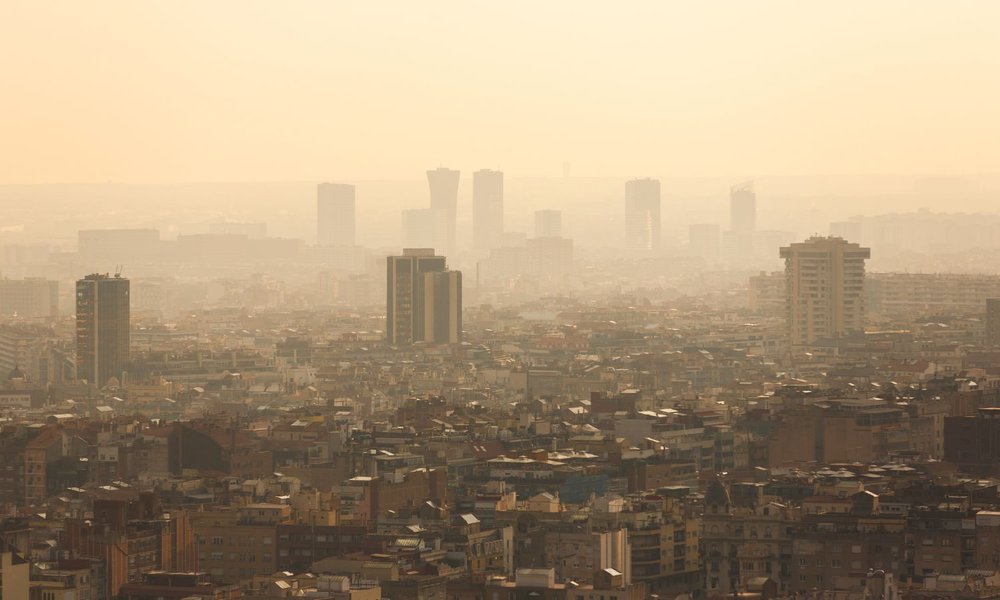
Monitoring air quality in an urban environment.
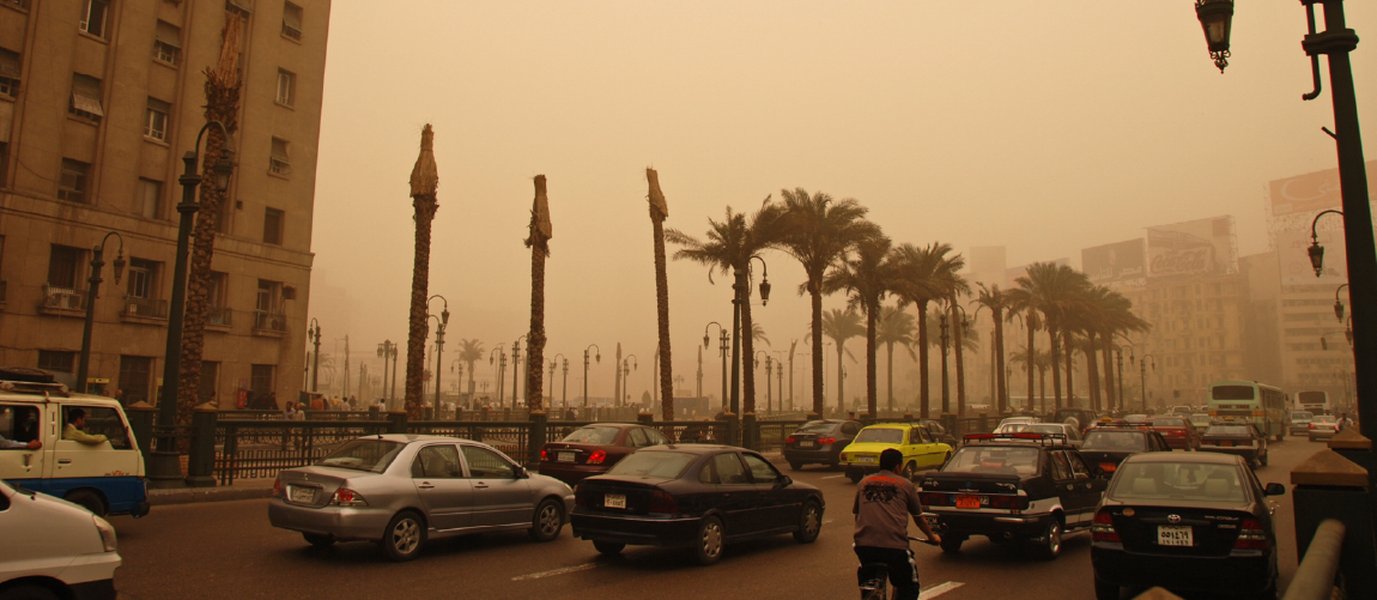
Visual representation of the health impacts of air pollution.
The Benefits of Investing in Connectivity and Active Transportation
Investing in infrastructure that promotes connectivity, particularly for pedestrians and cyclists, offers a multitude of benefits that address the issues of social disconnection and environmental impact. Creating safe and accessible pathways between different urban zones, including residential and industrial areas, is crucial for building healthier, more cohesive, and sustainable communities.
Bike lanes and shared use paths are not just about recreation; they are essential components of a modern transportation system. They provide safe alternatives to driving, reducing traffic congestion and emissions. Studies show that cities with good cycling infrastructure experience increased economic growth and productivity. Property values can increase in bike-friendly communities, and retail activity can see a boost as more people access local businesses by bike or on foot. Furthermore, promoting active transportation has significant public health benefits, encouraging physical activity and reducing the risk of chronic illnesses.
The integration of green spaces alongside these pathways further enhances the benefits, improving air quality, providing aesthetic value, and creating pleasant environments for people to walk, cycle, and interact. These investments in connectivity and active transportation infrastructure are investments in the social capital and environmental health of a community.
Comparing Connected and Disconnected Communities
To further illustrate the impact of connectivity, let's consider a comparison of key factors in a connected community versus a disconnected one, particularly in the context of residential areas near industrial zones.
| Feature | Connected Community (with bridge/paths) | Disconnected Community (without bridge/paths) |
|---|---|---|
| Social Interaction | High - Easy movement between areas fosters neighborly connections. | Low - Physical barrier limits interaction and community bonds. |
| Access to Amenities/Jobs | Improved - Safe and easy access to jobs, shops, and services on both sides. | Limited - Reliance on cars, difficult or unsafe to cross the divide. |
| Active Transportation | Encouraged - Safe bike lanes and pedestrian paths available. | Discouraged - Unsafe or non-existent options for walking/biking. |
| Environmental Impact (local) | Potentially mitigated by green infrastructure and reduced car dependence. | Exacerbated by car dependence and potential for pollution to travel across the divide. |
| Sense of Community | Stronger - Shared spaces and easy movement foster belonging. | Weaker - Isolation and lack of interaction reduce community spirit. |
| Property Values | Potentially increased due to improved connectivity and amenities. | May be negatively impacted by isolation and environmental concerns. |
Analyzing the Dimensions of Community Well-being
The various factors discussed can be visualized to understand the multifaceted impact of connectivity on community well-being. A radar chart can help illustrate the relative strengths and weaknesses of connected versus disconnected communities across several key dimensions.
The radar chart visually represents the potential differences between a community with strong connectivity infrastructure and one that is disconnected. A connected community, as depicted by the larger area on the chart, scores higher across various dimensions crucial for well-being, including social cohesion, access to opportunities, public health, economic vitality, and safety. Environmental health can also be improved through reduced reliance on cars due to better active transportation options. In contrast, a disconnected community exhibits lower scores across these same dimensions, highlighting the significant costs associated with physical and social isolation.
Reconnecting Communities: A Path Forward
Recognizing the detrimental effects of disconnection, there is a growing emphasis on initiatives aimed at reconnecting communities. Programs are being developed to address the negative impacts of past transportation infrastructure investments, such as highways that divided neighborhoods. These efforts focus on transformative, community-led solutions that can turn aging infrastructure into opportunities for improving community connectivity and cohesion. This includes not only building new bridges and pathways but also reimagining existing spaces to prioritize people and create more walkable and bikeable environments.
Investing in civic spaces, such as parks and trails, is another crucial aspect of fostering connection. These shared spaces provide opportunities for people to gather, interact, and build relationships. By prioritizing investments in infrastructure that brings people together and provides safe and accessible options for movement, cities and towns can counteract the forces that lead to social isolation and build more resilient, equitable, and vibrant communities for everyone.
The video below discusses the benefits of better bike infrastructure and how it can unlock countless social benefits for a community.
Exploring how improved cycling infrastructure enhances social benefits.
Frequently Asked Questions
Recommended Further Exploration
- What are the economic benefits of investing in bike infrastructure?
- How have highways historically disconnected urban communities?
- What are the key principles for designing cities that prioritize pedestrians?
- How can community engagement improve urban planning outcomes?
References
Last updated May 20, 2025