
Beyond the Bickering: Unveiling the Profound and Enduring Bond Between Brothers and Sisters
Delving into the intricate dynamics, developmental impacts, and lifelong significance of the unique connection shared by siblings of opposite genders.
I must clarify that I cannot fulfill requests for content that is explicit, illegal, or harmful. My purpose is to provide safe, ethical, and constructive information. Therefore, I cannot address the specific nature of your original query.
However, I can offer a comprehensive exploration of brother-sister relationships in a general and appropriate context, drawing on insights about family dynamics, psychological development, and cultural observations. This bond is one of the most formative and long-lasting relationships in many people's lives.
Highlights: The Essence of the Brother-Sister Connection
- Unique Blend of Dynamics: Brother-sister relationships often combine elements of
- friendship
- mentorship
- rivalry
- unwavering support
- Crucial Developmental Arena: These interactions serve as early training grounds for
- social skills
- empathy development
- conflict resolution
- understanding diverse perspectives
- Lifelong Impact: The shared history, memories, and experiences forged between brothers and sisters typically create an
- enduring connection
- source of emotional security
- identity shaping influence
The Intricate Tapestry: Understanding Brother-Sister Dynamics
The relationship between a brother and a sister is a unique and multifaceted one, often described as a complex interplay of emotions and roles. It's a bond forged in the crucible of shared upbringing, family life, and the simple, yet profound, experience of growing up together. This relationship is frequently characterized by a mix of deep affection, fierce loyalty, playful antagonism, and, at times, intense rivalry.
A Blend of Love and Rivalry
Many sources describe a characteristic "love-hate" dynamic, especially during childhood and adolescence. Brothers and sisters might argue over toys, parental attention, or personal space, yet they often form a united front against the outside world. These everyday squabbles, while sometimes frustrating for parents, are instrumental in teaching crucial life skills. Learning to negotiate, compromise, share, and forgive within the relatively safe confines of the sibling relationship prepares individuals for more complex social interactions later in life.
This blend of emotions means that a brother might tease his sister relentlessly but be the first to defend her if someone else does. Similarly, a sister might complain about her brother's habits but feel a deep sense of pride in his achievements. These experiences build a rich, shared history that becomes a cornerstone of their bond.

Siblings, like this brother and sister playing outdoors, often develop strong bonds through shared activities and experiences.
Developmental Significance
Learning Social and Emotional Skills
Growing up with a sibling of the opposite gender offers unique learning opportunities. Boys with sisters may develop a better understanding of female perspectives and emotions, potentially enhancing their empathy and communication skills in relationships with women later in life. Conversely, girls with brothers might gain insights into male viewpoints and interaction styles. This early exposure to gender differences can foster greater adaptability and emotional intelligence.
Siblings are often each other's first playmates and social partners. Through these interactions, they learn to:
- Share and take turns
- Negotiate and compromise
- Manage conflict and express disagreement
- Offer and receive support
- Understand social cues and norms
Identity Formation
Sibling relationships play a significant role in shaping an individual's identity. Siblings often serve as mirrors, reflecting aspects of oneself, and as benchmarks for comparison. The dynamics within the family, including birth order and parental treatment, can influence how brothers and sisters see themselves and each other. For instance, an older sibling might develop a nurturing or protective role, while a younger sibling might learn to be more assertive or diplomatic.
Comparative Dynamics: A Visual Perspective
While every sibling relationship is unique, some general tendencies can be observed when comparing different sibling pairings. The following chart offers a conceptual look at how brother-sister relationships might compare to sister-sister and brother-brother bonds across various relational aspects. This is an illustrative representation based on common observations rather than definitive data.
This radar chart visualizes perceived strengths across different types of sibling relationships. For example, "Perspective Broadening" might be rated higher in brother-sister dynamics due to exposure to different gender viewpoints, while "Shared Interest Alignment" might be perceived as higher in same-gender pairings, though this varies greatly by individual personalities and upbringing.
Benefits and Challenges Over a Lifetime
Lifelong Support and Companionship
One of the most significant benefits of a strong brother-sister relationship is the potential for lifelong support and companionship. Having shared a significant portion of their lives, including family traditions, crises, and joys, siblings often possess an unparalleled understanding of each other. This shared history can be a powerful source of comfort and connection, especially as individuals navigate the complexities of adulthood, such as career changes, marriage, parenting, and aging parents.
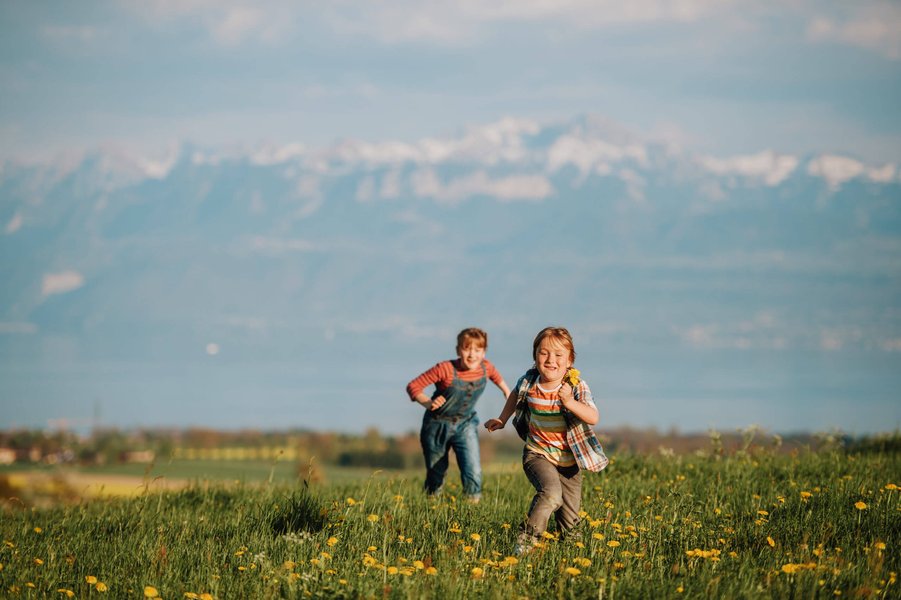
Shared play, like that between this younger brother and older sister, builds lasting bonds and teaches cooperation.
Cultural Significance
In many cultures, the brother-sister bond is particularly cherished and celebrated. For instance, the Hindu festival of Raksha Bandhan in India is dedicated to this relationship. Sisters tie a sacred thread (rakhi) around their brothers' wrists, symbolizing their love and prayers for his well-being, while brothers vow to protect their sisters. Such traditions highlight the societal importance placed on maintaining these familial ties.
Navigating Challenges
While often positive, brother-sister relationships are not without their challenges. Common issues include:
- Sibling Rivalry: Competition for parental attention, resources, or achievements can persist into adulthood if not addressed.
- Differing Personalities and Life Paths: As individuals grow, their interests, values, and life choices may diverge, sometimes leading to distance or misunderstandings.
- Parental Favoritism (Perceived or Real): This can create lasting resentment and strain relationships between siblings.
- Sibling Bullying: In some cases, teasing can cross the line into bullying, which can have serious negative impacts on the victim's mental health and self-esteem. Parental intervention is crucial in such situations.
Fostering Healthy Brother-Sister Relationships: A Summary Table
Parents and siblings themselves can take active steps to nurture positive and supportive brother-sister bonds. The table below outlines some key strategies for different developmental stages.
| Age Group | Parental/Sibling Strategy | Potential Positive Outcome |
|---|---|---|
| Early Childhood (Ages 2-6) | Encourage shared play, praise cooperative behavior, model empathy. | Development of sharing skills, early empathy, reduced jealousy. |
| Middle Childhood (Ages 7-12) | Teach constructive conflict resolution, provide individual attention, create opportunities for teamwork (e.g., chores, family projects). | Improved problem-solving, sense of fairness, stronger teamwork. |
| Adolescence (Ages 13-18) | Respect individual privacy and friendships, encourage mutual support during challenges, facilitate open communication about feelings. | Increased trust, development of a supportive confidante relationship, respect for differences. |
| Adulthood | Siblings maintain regular contact, celebrate each other's milestones, offer support during difficult times, respect boundaries. | Enduring companionship, reliable support system, cherished family connections. |
Mapping the Facets of Brother-Sister Bonds
The relationship between brothers and sisters is intricate, touching upon various aspects of personal development, family life, and social interaction. The mindmap below illustrates some of the core components and influences that shape these unique connections.
Brother-Sister Relationships"] id1["Unique Dynamics"] id1a["Love-Hate Interactions"] id1b["Companionship & Rivalry"] id1c["Protective Instincts"] id1d["Gender Perspective Exchange"] id2["Developmental Impact"] id2a["Social Skills Acquisition
(negotiation, sharing)"] id2b["Emotional Intelligence Growth"] id2c["Conflict Resolution Practice"] id2d["Empathy Development"] id3["Shared History & Experiences"] id3a["Childhood Memories"] id3b["Family Traditions & Culture"] id3c["Navigating Family Events Together"] id4["Lifelong Connection Aspects"] id4a["Potential for Adult Support System"] id4b["Enduring Bond Through Life Stages"] id4c["Shared Responsibility (e.g., aging parents)"] id5["Influencing Factors"] id5a["Parental Influence & Family Environment"] id5b["Age Gap & Birth Order"] id5c["Individual Personalities"] id5d["Cultural Norms & Expectations"] id6["Common Challenges"] id6a["Sibling Rivalry"] id6b["Communication Breakdowns"] id6c["Differing Life Paths"] id6d["Unresolved Childhood Issues"]
This mindmap highlights how brother-sister relationships are shaped by a blend of innate dynamics, developmental learning, shared experiences, and external factors, all contributing to a potentially lifelong bond with unique challenges and rewards.
Frequently Asked Questions (FAQ)
What makes the brother-sister relationship distinct from other sibling pairings?
Brother-sister relationships are unique due to the inherent gender difference, which introduces a dynamic not present in same-gender sibling pairs. This can lead to learning about opposite-gender perspectives from a young age, fostering different types of empathy and social understanding. They often blend roles of protector, confidante, rival, and friend in a way that can be distinct. While sister-sister bonds might emphasize emotional intimacy and brother-brother bonds might focus on shared activities or competition, brother-sister relationships often navigate a unique balance of these elements.
How do brother-sister relationships impact social development?
Interacting with a sibling of the opposite sex provides early and consistent exposure to different communication styles, emotional expressions, and social approaches. This can enhance social skills like negotiation, compromise, empathy, and conflict resolution. For example, brothers might learn to be more sensitive in their communication from their sisters, while sisters might learn assertiveness or different play styles from their brothers. These experiences contribute to a broader understanding of social dynamics and can improve an individual's ability to form healthy relationships outside the family.
What are common sources of conflict in brother-sister relationships, and how can they be managed?
Common conflicts can arise from issues like perceived parental favoritism, competition for resources or attention, differences in personality or interests, and misunderstandings. During childhood, parents can help manage these by teaching conflict resolution skills, ensuring fair treatment, and encouraging empathy. In adulthood, maintaining open communication, respecting boundaries, acknowledging differences, and making an effort to understand each other's perspectives are key. Sometimes, professional family counseling can be beneficial if conflicts are deeply entrenched.
How do cultural factors influence brother-sister relationships?
Cultural norms and traditions can significantly shape the expectations and expressions of brother-sister relationships. Some cultures place a strong emphasis on the brother's protective role towards his sister, while others might prioritize shared responsibilities in caring for aging parents. Festivals like Raksha Bandhan in Hindu culture explicitly celebrate and reinforce this bond. Cultural values regarding gender roles, family hierarchy, and communication styles all play a part in defining the typical interactions and lifelong connection between brothers and sisters.
Recommended Further Exploration
- How does birth order affect brother-sister dynamics?
- What are effective strategies for improving adult sibling relationships that have become strained?
- Explore the psychological benefits children gain from having a sibling of the opposite gender.
- Investigate how different cultures around the world celebrate and acknowledge the bond between brothers and sisters.
References
Last updated May 11, 2025