
Understanding Toxic Order Flow in BTCUSDT Trading
A Comprehensive Analysis of Market Dynamics and Risks
Key Takeaways
- Toxic order flow refers to trading activities that disadvantage liquidity providers due to informed or strategic trading.
- In BTCUSDT markets, factors like high-frequency trading, market manipulation, and informational advantages exacerbate toxic order flow.
- Mitigation strategies include adjusting spreads, employing dynamic pricing, and using advanced monitoring tools to detect toxic behaviors.
Introduction to Toxic Order Flow
In the realm of cryptocurrency trading, particularly within the BTCUSDT pair, understanding the dynamics of order flow is crucial for both traders and liquidity providers. Toxic order flow (TOF) represents a subset of trading activities that can disrupt market stability, leading to increased volatility and potential losses for those providing liquidity. This comprehensive analysis delves into the nature of toxic order flow, its characteristics, impacts, detection methods, and strategies to mitigate its adverse effects in the BTCUSDT market.
Characteristics of Toxic Order Flow
Informed Trading
Informed trading occurs when certain market participants possess superior information or employ advanced predictive models that give them a trading edge. In the BTCUSDT market, these traders can execute orders that anticipate price movements, often resulting in profitable trades at the expense of liquidity providers who lack similar insights. This asymmetry in information leads to adverse selection, where liquidity providers might consistently trade against better-informed participants, eroding their profitability and willingness to provide liquidity.
Market Manipulation
Market manipulation encompasses strategies employed by traders to artificially influence the price of an asset. In the BTCUSDT context, tactics such as spoofing—where large orders are placed with no intention of execution to create a deceptive impression of market demand or supply—can distort price signals. Additionally, pump and dump schemes involve coordinated buying to inflate the price, followed by selling at the peak, leaving uninformed traders with losses. These manipulative practices exacerbate toxic order flow by creating misleading market conditions that disadvantage liquidity providers.
High-Frequency Trading (HFT)
High-frequency trading employs sophisticated algorithms and high-speed data networks to execute orders at incredibly fast rates. In the BTCUSDT market, HFT strategies can generate toxic order flow by rapidly buying and selling assets, often capitalizing on small price discrepancies. While HFT can enhance market liquidity under normal conditions, during periods of high volatility or when informed traders dominate, it can lead to adverse price movements that disadvantage slower market participants and liquidity providers.
Arbitrage and Front Running
Arbitrage involves exploiting price differences of BTCUSDT across various platforms or exchanges, buying low on one venue and selling high on another. Front running occurs when traders anticipate large orders and execute trades ahead of them to benefit from the subsequent price movement. Both practices can contribute to toxic order flow by introducing price inefficiencies and increasing volatility, thereby challenging the stability of liquidity provision in the market.
Impact on BTCUSDT Market
Liquidity and Volatility
Toxic order flow can significantly impact both liquidity and volatility within the BTCUSDT market. When informed traders or manipulators dominate the order flow, liquidity providers may face consistent adverse selection, leading them to widen bid-ask spreads or withdraw liquidity altogether. This reduction in available liquidity can amplify price swings, as even modest orders can cause substantial price movements. Increased volatility not only heightens trading risks but also deters new participants from entering the market, potentially slowing its growth.
Market Maker Risks
Market makers play a pivotal role in ensuring liquidity by providing buy and sell quotes for BTCUSDT. However, with the prevalence of toxic order flow, these entities face heightened risks. Adverse selection—where market makers consistently execute trades against more informed traders—can erode their profit margins and sustainability. As a result, market makers may adopt more conservative strategies, such as reducing their spread or limiting order sizes, which can further constrain liquidity and exacerbate market fragility.
Price Dislocations
Price dislocations occur when the prevailing market price deviates significantly from its fundamental value due to imbalanced order flow. In the BTCUSDT market, toxic order flow can induce such dislocations by rapidly driving prices up or down based on informed or manipulative trades. These abrupt movements can create uncertainty and mistrust among market participants, undermining the market's integrity and efficiency.
Detection and Measurement
Order Book Analysis
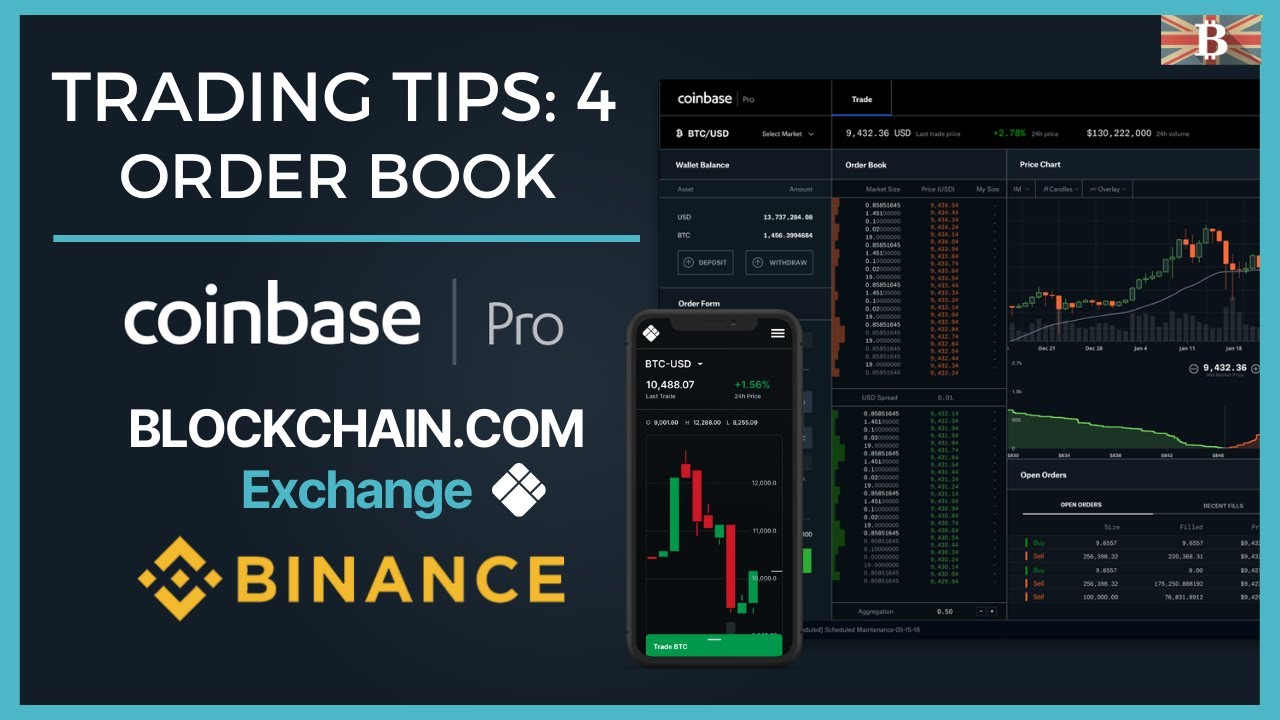
The order book, a real-time display of buy and sell orders, serves as a fundamental tool for analyzing order flow. By examining order book imbalances—such as a disproportionate number of buy or sell orders at specific price levels—traders and liquidity providers can identify potential toxic patterns. Sudden surges in aggressive market orders or thin order book layers are indicative of increased toxic order flow, signaling heightened risks in executing trades.
Volume-Synchronized Probability of Informed Trading (VPIN)
VPIN is a metric designed to quantify the probability that current volume is initiated by informed traders. In the BTCUSDT market, a rising VPIN suggests increasing toxic order flow, indicating that a higher proportion of trades may be informed and thus unfavorable to liquidity providers. Monitoring VPIN allows market participants to dynamically assess the level of toxicity in the order flow and adjust their trading strategies accordingly.
Additional Metrics
Beyond VPIN, other metrics play a crucial role in detecting toxic order flow. These include:
- Fill Rates: The percentage of orders that are executed versus those placed, helping assess the aggressiveness of incoming orders.
- Cancellation Frequencies: High rates of order cancellations can indicate manipulative behaviors such as spoofing.
- Order Book Imbalance: The ratio of buy to sell orders, highlighting potential directional biases in the market.
- Volatility Measures: Tracking price volatility can help identify periods of increased toxic activity.
Strategies to Mitigate Toxic Order Flow
Adjusting Bid-Ask Spreads
One of the primary strategies employed by liquidity providers to combat toxic order flow is adjusting the bid-ask spreads. By widening these spreads, market makers can offset the potential losses incurred from trading against informed or manipulative traders. While wider spreads may reduce the attractiveness of providing liquidity during periods of high toxicity, they serve as a protective measure to maintain profitability and market stability.
Dynamic Pricing Strategies
Dynamic pricing involves continuously adjusting the prices at which liquidity is offered based on real-time market conditions and order flow patterns. Advanced algorithms assess incoming order characteristics—such as trade size, frequency, and speed—and modify bid and ask quotes accordingly. This adaptive approach allows liquidity providers to respond swiftly to changes in toxic order flow, minimizing adverse selection risks and maintaining more favorable trading conditions.
Risk Management Algorithms
Implementing sophisticated risk management algorithms is essential for mitigating the impact of toxic order flow. These algorithms can:
- Monitor Order Flow: Continuously analyze incoming trades to detect patterns indicative of toxicity.
- Adjust Trading Parameters: Modify order sizes, adjust spreads, or pause trading in response to detected risks.
- Hedge Positions: Use hedging strategies to protect against unfavorable price movements caused by toxic trades.
By automating these processes, liquidity providers can enhance their resilience against toxic order flow without manual intervention.
Advanced Monitoring Tools
Tools like Bookmap offer real-time visualization and analysis of order flow dynamics. By providing a comprehensive view of the order book, trade executions, and liquidity levels, these platforms empower traders and liquidity providers to identify toxic patterns promptly. Integrating such tools into trading workflows facilitates more informed decision-making and enhances the ability to preemptively address toxic order flow.
Case Studies and Example Scenarios
Institutional Orders
Large institutional orders can create significant shifts in the BTCUSDT market. When an institution places a substantial buy or sell order, it can move the market price, attracting informed traders who anticipate the resulting price movement. For instance, a massive buy order may lead informed traders to buy ahead, causing the price to rise and forcing liquidity providers to sell at lower prices, incurring losses.
Algorithmic Trading Exploits
Algorithmic trading systems designed to exploit temporary market inefficiencies can contribute to toxic order flow. These algorithms can rapidly identify and act on price discrepancies across different trading venues or within the order book itself. By systematically executing trades that capitalize on these inefficiencies, they can create price dislocations that disadvantage less sophisticated market participants and liquidity providers.
Rapid Buy/Sell Activities
During periods of high volatility, rapid buy and sell activities can overwhelm the order book, leading to increased toxic order flow. For example, in a sudden market downturn, a surge of sell orders may prompt informed traders to execute short positions, exacerbating the price decline. This rapid activity can deplete available liquidity, widen spreads, and increase the risk of slippage for remaining trades.
Regulatory and Market Responses
Regulatory Oversight
In traditional financial markets, regulatory bodies implement measures to monitor and control trading practices to mitigate toxic order flow. These measures include surveillance systems to detect manipulative behaviors, imposing fines on offending traders, and enforcing transparency requirements. However, in decentralized cryptocurrency markets like BTCUSDT, regulatory oversight is more challenging due to the fragmented and global nature of these exchanges. Nevertheless, increasing regulatory focus on cryptocurrency trading may lead to the development of frameworks aimed at curbing toxic order flow.
Exchange-Specific Measures
Cryptocurrency exchanges employ various strategies to mitigate toxic order flow within their platforms. These measures include:
-
Smart Order Routing: Directing orders to venues with better liquidity or pricing to reduce adverse selection risks.
-
Liquidity Reserves: Maintaining reserves that can be utilized during periods of high toxic order flow to stabilize the market.
-
Trading Fees Adjustment: Increasing fees for certain types of orders that are deemed more likely to be toxic, thereby discouraging manipulative behaviors.
By implementing these tailored strategies, exchanges strive to create a more balanced and resilient trading environment.
Detection and Measurement Tools
Utilizing Advanced Analytics
Effective detection of toxic order flow relies on advanced analytics and real-time monitoring tools. Platforms like Bookmap provide visual representations of order flow, enabling traders and liquidity providers to identify suspicious patterns swiftly. These tools analyze various factors, including order book depth, trade velocity, and order cancellation rates, to assess the toxicity level of incoming orders.
Machine Learning and AI
Leveraging machine learning and artificial intelligence enhances the accuracy and efficiency of toxic order flow detection. Advanced algorithms can process vast amounts of trading data to identify subtle patterns and anomalies that may indicate informed or manipulative trading activities. By continuously learning and adapting to evolving trading behaviors, AI-driven systems provide a robust mechanism for mitigating the risks associated with toxic order flow.
Future Outlook
Evolving Trading Technologies
As trading technologies continue to advance, the mechanisms for detecting and mitigating toxic order flow will become increasingly sophisticated. Innovations in data analytics, real-time monitoring, and algorithmic trading will enhance the ability of market participants to identify and respond to toxic behaviors proactively. Furthermore, the integration of blockchain technology and decentralized finance (DeFi) platforms may introduce new paradigms for transparency and fairness in trading, potentially reducing the prevalence of toxic order flow.
Enhancing Market Fairness
Efforts to enhance market fairness in BTCUSDT trading will focus on creating more equitable conditions for all participants. This includes implementing measures to prevent manipulative practices, ensuring transparency in order execution, and fostering a competitive environment where liquidity providers can operate without undue disadvantage. By prioritizing market integrity, the BTCUSDT ecosystem can achieve greater stability and attract a broader base of traders.
Conclusion
Toxic order flow presents significant challenges in the BTCUSDT trading environment, impacting liquidity, volatility, and market stability. By understanding the characteristics and impacts of toxic order flow, market participants can implement effective strategies to mitigate its adverse effects. Advanced detection tools, dynamic pricing, and robust risk management practices are essential for maintaining a healthy trading ecosystem. As the cryptocurrency market continues to evolve, ongoing efforts to enhance transparency, fairness, and resilience will be crucial in addressing the complexities associated with toxic order flow.
References
| Detection Metric | Description | Implications |
|---|---|---|
| VPIN | Volume-Synchronized Probability of Informed Trading | Higher VPIN indicates increased toxic order flow |
| Fill Rate | Percentage of executed orders against placed orders | Lower fill rates may signal aggressive or toxic orders |
| Cancellation Frequency | Rate at which orders are canceled | High cancellations can indicate spoofing or manipulative intent |
| Order Book Imbalance | Ratio of buy to sell orders | Significant imbalances can signal directional toxicity |
| Volatility Measures | Tracking price volatility | Increased volatility can be a result of toxic trading activities |
Last updated February 9, 2025