
Why the 50/30/20 Budget Rule is Perfect for Beginners
Learn How to Budget with Ease and Achieve Financial Stability
Highlights
- Simplicity: Dividing after-tax income into three straightforward categories simplifies budgeting.
- Balanced Approach: Covers essential expenses, discretionary spending, and savings for long-term goals.
- Flexibility and Adaptability: Easily adjustable to individual lifestyles and financial priorities.
Understanding the 50/30/20 Budget Rule
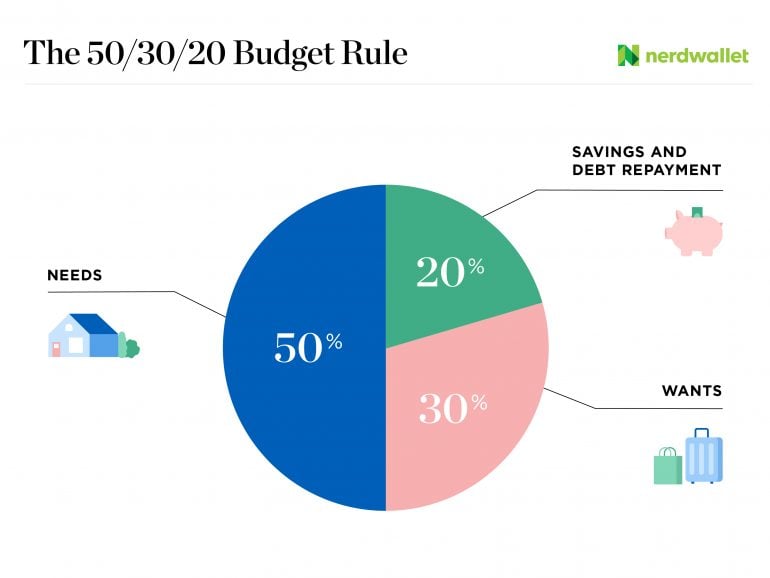
The 50/30/20 Budget Rule is a widely recognized method for managing personal finances, especially beneficial for beginners. This rule divides your after-tax income into three main categories: 50% for needs, 30% for wants, and 20% for savings and debt repayment. Its inherent simplicity makes it a robust framework that not only ensures that essential expenses are covered but also provides the flexibility to enjoy discretionary spending and build a robust financial future.
Core Components of the 50/30/20 Rule
1. 50% for Needs
The fundamental aspect of the rule is allocating up to 50% of your after-tax income to needs. "Needs" refer to all the essential expenses required for daily living. This includes housing payments or rent, utilities, groceries, transportation, healthcare, and minimum debt obligations. The primary purpose is to ensure that you have a secure foundation by covering basic necessities without compromising other financial goals.
2. 30% for Wants
The needs category is balanced by assigning 30% of your income to wants. These are non-essential expenditures that enhance your lifestyle, such as dining out, entertainment, vacations, hobbies, and subscription services. While these items add joy to your life, this allocation helps maintain moderation. It ensures that spending on luxuries does not undermine financial health.
3. 20% for Savings and Debt Repayment
The remaining 20% of your income should be dedicated to savings and debt repayment. This portion is used to build an emergency fund, contribute to retirement accounts, reduce existing debt (beyond minimum payments), or invest in future opportunities. By consistently saving a part of your income, you lay down the groundwork for long-term financial stability and resilience in face of unexpected expenses.
Why This Rule is Ideal for Beginners
Simplicity and Ease of Use
One of the primary advantages of the 50/30/20 Budget Rule is its simplicity. For individuals newcomers to budgeting, the complexity of categorizing every dollar can be intimidating. This rule, however, removes that intimidation by offering a straightforward guideline that doesn’t require intricate calculations or detailed tracking. With only three major categories, it helps beginners comprehend where their money is going without drowning in financial minutiae.
Balanced Financial Management
The balanced distribution offered by the 50/30/20 rule provides a holistic approach to managing finances. It ensures that you do not live paycheck-to-paycheck by overcommitting to discretionary spending while also emphasizing the importance of financial reserves. By having a predetermined plan for essential expenses, while still allowing room for pleasure and savings, individuals develop healthy financial habits that contribute to both immediate comfort and future security.
Flexibility and Customization
Although the rule suggests fixed percentages, it also provides room for flexibility. Depending on personal circumstances like cost of living, debt levels, or financial aspirations, adjustments to the percentages might be necessary. For example, someone living in an expensive urban area may need to allocate more than 50% to essential needs. The rule serves as a starting point which can be refined as financial conditions change.
Fostering Good Financial Habits
Implementing the 50/30/20 rule cultivates disciplined spending and encourages consistent saving. The rule motivates you to monitor and categorize your spending, which in turn raises your financial awareness. Developing the habit of systematically saving fosters a mindset focused on long-term objectives, such as retirement planning, emergency funds, and other major investments. This approach lays a stable foundation for navigating complex financial decisions in the future.
Implementing the 50/30/20 Budget Rule
Step-by-Step Guide
Step 1: Determine Your After-Tax Income
Calculate your monthly after-tax income – the amount you receive after accounting for taxes and other deductions. This figure forms the basis of your budgeting calculation. Knowing your exact income ensures that each percentage is correctly allocated according to your available funds.
Step 2: Track and Categorize Your Expenses
Before assigning percentages, it is crucial to understand your current spending habits. Track your expenses for one to three months to elucidate how much you spend on essentials and extras. Categorize these expenditures into needs, wants, and those that contribute to savings or debt repayment.
Step 3: Allocate Your Income
Based on the rule:
- 50% for essentials: Housing, utilities, transportation, groceries, and basic healthcare.
- 30% for discretionary spending: Leisure, dining, entertainment, and hobbies.
- 20% for savings: Emergency funds, retirement contributions, additional debt repayment, and investments.
Step 4: Utilize Tools for Tracking
Leverage budgeting applications or simple spreadsheets to automatically track and categorize your expenses. Many financial apps allow you to set spending limits and send alerts if you exceed your budget in any category, thereby maintaining discipline in your financial journey.
Step 5: Review, Adjust, and Refine Your Budget
Personal circumstances evolve, and so should your budget. Regularly review your financial situation and adjust the percentages as needed. A quarterly review of your spending against your initial plan can provide insights and help you to refine your budget over time. Whether it’s an unexpected rise in living expenses or a desire to save more aggressively, the 50/30/20 framework provides a solid foundation that can be tailored to meet your goals.
A Comparative View of Budgeting Approaches
To further appreciate why the 50/30/20 rule is favored, it is useful to consider how it compares with more complex budgeting systems. While some methods require detailed scrutiny of every expense, the 50/30/20 rule simplifies the process, reducing the mental burden associated with financial planning. The table below summarizes the key differences:
| Budgeting Method | Approach | Target User |
|---|---|---|
| Simplified Budgeting (50/30/20 Rule) | Divides income into three broad, easy-to-understand categories. | Beginners or those looking for a low-maintenance method. |
| Zero-Based Budgeting | Every dollar is assigned a specific purpose, requiring detailed tracking. | Users willing to put in time and effort for detailed expense management. |
| Envelope Method | Uses cash envelopes for different expense categories to manage spending. | Individuals who prefer a tangible, hands-on approach to budgeting. |
As seen, the 50/30/20 rule stands out due to its balance between simplicity and comprehensive financial management, making it particularly effective for beginners.
Psychological and Practical Benefits
Reduced Financial Stress
One of the significant benefits of the 50/30/20 rule is the reduction of financial stress. By having a clear and easy-to-follow plan, individuals are less likely to encounter the anxiety associated with overwhelming debt or uncertain spending patterns. Knowing exactly where each portion of money is allocated creates a sense of control and stability.
Encouraging a Savings Mindset
The conscious allocation of 20% of income towards savings plays a critical role in establishing a long-term savings mindset. Over time, even modest yet consistent contributions can compound, lending financial security that supports larger life objectives such as buying a home, investing in education, or planning for retirement.
Ease of Implementation
With its straightforward outline, the rule is adaptive and requires minimal maintenance compared to other, more intricate forms of budgeting. Beginners can implement it immediately, even without advanced knowledge of financial management tools, making the rule an ideal entry point into the world of personal finance.
Conclusion
In conclusion, the 50/30/20 Budget Rule’s popularity among beginners can be attributed to its simplicity, balanced approach, and flexibility. Its design caters to those who are new to managing personal finances, ensuring that essential expenses are covered while still allowing room for discretionary spending and substantial savings. By dividing after-tax income into three clear categories, users can establish healthy financial habits, foster disciplined spending, and gradually improve their overall financial situation. Whether you are looking to curb spending, build an emergency fund, or set the groundwork for long-term financial stability, this rule offers a reliable and easily adjustable structure. Embracing the 50/30/20 rule is a proactive approach to mastering one’s financial destiny — a method that promises both clarity and control. As you progress in your financial journey, you may explore other budgeting techniques, but the 50/30/20 rule is an excellent starting point that simplifies the process and encourages prudent financial decision-making.
References
- What is the 50/30/20 Budget Rule? - Investopedia
- What is the 50/30/20 Rule? - Bankrate
- The 50/30/20 Budget Rule Explained - Citizens Bank
- 50/30/20 Budget Rule - UNFCU
- How to Budget Using the 50/30/20 Rule - NerdWallet
Recommended Queries
Last updated February 28, 2025