
Unveiling the Soul of Buenos Aires: A Journey Through Its Vibrant Districts
Explore the unique character, history, and charm of the Argentine capital's diverse neighborhoods, locally known as "barrios."
Highlights of Buenos Aires' Districts
- Mosaic of Identities: Buenos Aires is officially divided into 48 distinct "barrios" (neighborhoods), each offering a unique atmosphere, architectural style, and cultural fingerprint.
- Administrative Structure: These barrios are grouped into 15 larger administrative units called "Comunas," which help manage civic functions across the sprawling metropolis.
- Iconic Hubs: Key barrios like Palermo, Recoleta, San Telmo, La Boca, and Puerto Madero are celebrated for their rich history, vibrant street life, cultural attractions, and distinct personalities, drawing both locals and visitors.
Understanding "Districts" in Buenos Aires: Barrios and Comunas
When navigating the urban landscape of Buenos Aires, the term "district" most accurately refers to its 48 official "barrios" (neighborhoods). These barrios are the fundamental building blocks of the city's identity, each possessing a unique history, character, and local culture. While visitors might think in terms of "districts," Porteños (residents of Buenos Aires) live and identify strongly with their specific barrio.
For administrative purposes, these 48 barrios are further grouped into 15 "Comunas." These Comunas function as decentralized administrative units, managing local services and civic participation. However, for understanding the cultural tapestry and distinct experiences the city offers, focusing on the barrios is key. Each barrio tells a different story, contributing to the rich, multifaceted identity of Buenos Aires.
A Journey Through Key Buenos Aires Barrios
Buenos Aires is a city of captivating contrasts, and nowhere is this more evident than in its diverse barrios. From the old-world charm of cobblestone streets to the sleek modernity of waterfront developments, each neighborhood offers a distinct slice of Porteño life.
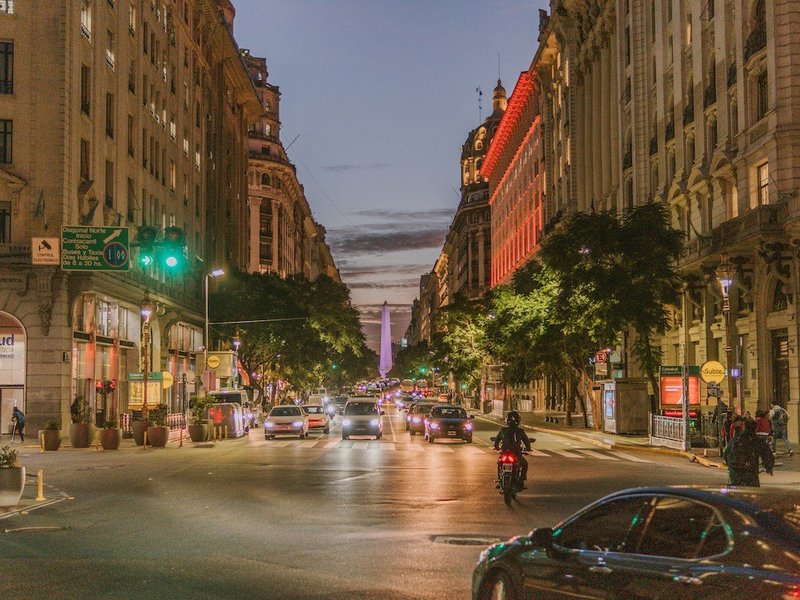
A typical elegant street in Buenos Aires, reflecting its European architectural influences.
Palermo: The Trendsetter
Overview & Atmosphere
Palermo is the largest and arguably most fashionable barrio in Buenos Aires. It's a sprawling, vibrant area known for its dynamic energy, lush parks, and trendy establishments. Palermo is so large that it's often subdivided into smaller, distinct zones, each with its own personality.
Key Attractions & Features
- Palermo Soho: Famous for its avant-garde boutiques, designer stores, street art, and a plethora of cool cafes, bars, and restaurants. It's a hub for fashion and design.
- Palermo Hollywood: Named for the concentration of television and film studios, this area buzzes with innovative restaurants, chic bars, and a lively nightlife scene.
- Bosques de Palermo (Parque Tres de Febrero): An expansive green oasis offering beautiful rose gardens, serene lakes, a planetarium, and ample space for recreation and relaxation.
- MALBA (Museo de Arte Latinoamericano de Buenos Aires): Showcases an impressive collection of modern and contemporary Latin American art.
Why Visit?
Ideal for those seeking trendy shopping, gourmet dining experiences, vibrant nightlife, and beautiful green spaces. It's a favorite among young locals, expatriates, and tourists looking for a lively and stylish atmosphere.
Recoleta: Elegance and History
Overview & Atmosphere
Often dubbed the "Paris of South America," Recoleta is an affluent residential neighborhood characterized by its stunning French-style architecture, grand palaces, upscale boutiques, and refined cultural institutions. It exudes an air of sophistication and timeless elegance.
Key Attractions & Features
- Recoleta Cemetery: A world-renowned necropolis, home to ornate mausoleums and the final resting place of many Argentine notables, including Eva Perón. Its intricate sculptures and grand architecture make it an open-air museum.
- Museo Nacional de Bellas Artes: Argentina's premier fine arts museum, housing an extensive collection of European and Argentine art.
- Avenida Alvear: A luxurious thoroughfare lined with high-end designer shops, art galleries, and opulent embassy buildings.
- Plaza Francia: A popular park that hosts a vibrant artisan market on weekends.
- Iglesia Nuestra Señora del Pilar: A beautiful colonial-era church adjacent to the cemetery.
Why Visit?
Perfect for admirers of grand architecture, art enthusiasts, history buffs, and those who appreciate a sophisticated and cultured ambiance. It offers a glimpse into Buenos Aires' opulent past.
San Telmo: Bohemian Heartbeat and Tango Soul
Overview & Atmosphere
As the oldest barrio in Buenos Aires, San Telmo is steeped in history and bohemian charm. Its cobblestone streets, colonial-era buildings, antique shops, and lively tango scene create a nostalgic and captivating atmosphere.
Key Attractions & Features
- Plaza Dorrego: The heart of San Telmo, famous for its bustling Sunday antique market (Feria de San Telmo), street performers, and spontaneous tango demonstrations.
- Mercado de San Telmo: A historic indoor market offering fresh produce, meats, antiques, and a variety of food stalls.
- Tango Venues (Milongas): Numerous traditional dance halls where locals and visitors alike can experience or learn the art of tango.
- Colonial Architecture: Well-preserved historic buildings, many of which now house art galleries, cafes, and unique shops.
- Pasaje de la Defensa: A beautifully restored historic tenement house (conventillo) offering a glimpse into 19th-century life.
Why Visit?
A must-visit for those seeking an authentic Porteño experience, with a love for history, antiques, tango culture, and a bohemian, artistic vibe.
La Boca: Color, Passion, and Heritage

The iconic vibrant facades of Caminito street in La Boca.
Overview & Atmosphere
La Boca is one of Buenos Aires' most distinctive and visually striking barrios, famous for its brightly painted houses, strong Italian immigrant heritage, and fervent passion for football (soccer). It has a vibrant, working-class character.
Key Attractions & Features
- Caminito Street: An iconic, pedestrianized street museum lined with vividly colored corrugated iron houses, street artists, tango dancers, and souvenir shops.
- La Bombonera (Estadio Alberto J. Armando): The legendary home stadium of the Boca Juniors football club, a pilgrimage site for soccer fans.
- Fundación Proa: A contemporary art museum offering exhibitions and stunning views of the old port.
- Street Art and Murals: The barrio is adorned with colorful murals reflecting its history and culture.
Why Visit?
Appeals to art lovers, photographers, football enthusiasts, and those interested in experiencing a unique, historically rich, and culturally vibrant part of the city. While a major tourist draw, visitors are often advised to stick to the main tourist areas, especially after dark.
Puerto Madero: Modern Waterfront Sophistication
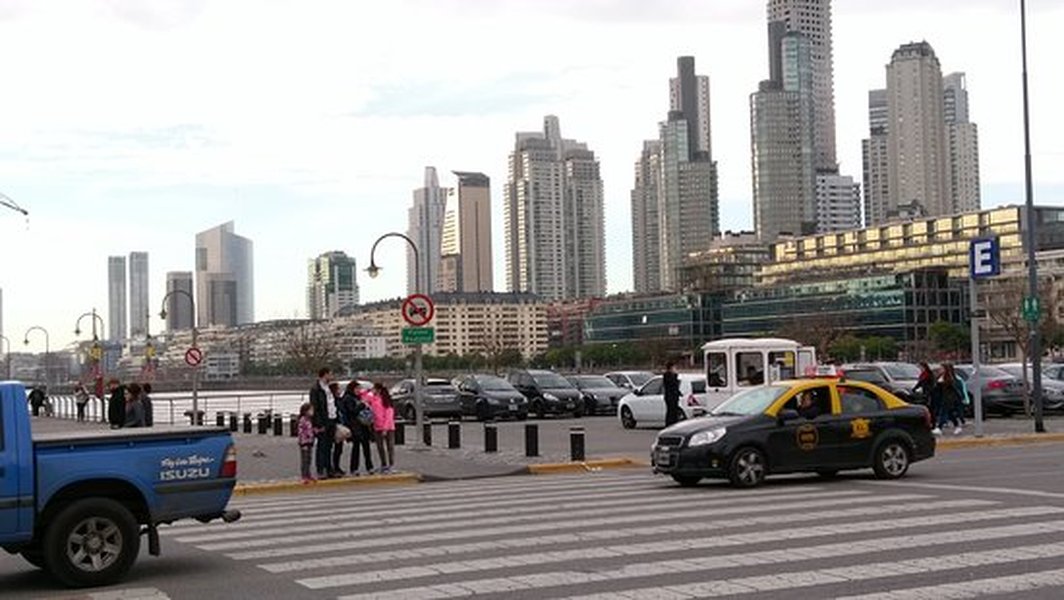
The sleek, modern waterfront of Puerto Madero, showcasing its redeveloped docklands.
Overview & Atmosphere
Puerto Madero represents the newest and most modern face of Buenos Aires. This former port area has undergone a dramatic urban renewal, transforming its historic red-brick warehouses and docks into a sleek, upscale waterfront district with gleaming skyscrapers, luxury apartments, trendy restaurants, and wide promenades.
Key Attractions & Features
- Puente de la Mujer (Woman's Bridge): A stunning pedestrian swing bridge designed by Santiago Calatrava, an architectural icon of the area.
- Renovated Docklands: The old docks now house elegant restaurants, bars, cinemas, and corporate offices.
- Costanera Sur Ecological Reserve: A vast green space on the riverfront, ideal for walking, cycling, and birdwatching, offering a natural escape from the urban bustle.
- Fragata Sarmiento & Corbeta Uruguay: Historic museum ships docked in the harbor.
- Modern Architecture: Features some of the city's most contemporary and striking buildings.
Why Visit?
Ideal for those who appreciate modern architecture, waterfront dining, leisurely strolls, and a more contemporary, polished urban experience. It's popular for business travelers and those seeking upscale amenities.
Microcentro (San Nicolás & Monserrat): The Historic and Financial Hub
Overview & Atmosphere
The Microcentro, encompassing parts of San Nicolás and Monserrat barrios, is the bustling financial, political, and historical heart of Buenos Aires. It's characterized by its grand avenues, historic government buildings, major landmarks, and a constant flurry of activity during business hours.
Key Attractions & Features
- Plaza de Mayo: The city's main historical and political square, home to the Casa Rosada (Presidential Palace), the Cabildo (colonial town hall), and the Metropolitan Cathedral.
- Avenida de Mayo: A grand boulevard connecting Plaza de Mayo to the National Congress building, known for its impressive architecture and historic cafes.
- Obelisco: An iconic monument located at the intersection of Avenida 9 de Julio (one of the world's widest avenues) and Avenida Corrientes.
- Teatro Colón: One of the world's leading opera houses, renowned for its acoustics and stunning architecture.
- Calle Florida: A popular pedestrianized shopping street.
Why Visit?
Essential for first-time visitors wanting to see Buenos Aires' most important historical landmarks, experience its civic center, and delve into its rich political past. It's also a hub for shopping and theatre.
Other Notable Barrios
- Belgrano: An affluent, largely residential barrio known for its tree-lined streets, beautiful parks (like Barrancas de Belgrano), grand houses, and a distinct Chinatown (Barrio Chino). It offers a more tranquil, family-friendly atmosphere.
- Villa Crespo: An increasingly trendy neighborhood known for its leather goods outlets, independent boutiques, burgeoning culinary scene, and a more laid-back, artistic vibe than nearby Palermo.
- Almagro: A traditional, centrally located barrio with a strong Porteño character, known for its classic cafes, tanguerías, and the Abasto Shopping mall (a converted historic market building).
- Caballito: A large, middle-class residential barrio near the geographic center of the city, offering a local feel with parks, commercial areas, and good transport links.
Visualizing the Diversity: A Comparative Look at Key Barrios
To better understand the distinct personalities of some of Buenos Aires' most prominent barrios, the following chart offers a comparative snapshot. It rates selected neighborhoods across several characteristics, reflecting their general appeal and defining features. These ratings are based on common perceptions and traveler experiences, offering a guide rather than an absolute measure.
This chart helps illustrate how different barrios cater to varied interests. For instance, San Telmo scores high on historical significance and art & culture, while Puerto Madero leads in modernity. Palermo excels in nightlife and green spaces, making it a versatile choice for many visitors.
Mapping the Connections: Buenos Aires' Neighborhood Ecosystem
The barrios of Buenos Aires, while distinct, are interconnected parts of a larger urban ecosystem. This mindmap visualizes some of the key barrios and their defining features or sub-districts, offering a conceptual overview of how they relate to the broader identity of the city.
(Boutiques, Cafes)"] id1b["Palermo Hollywood
(Nightlife, Restaurants)"] id1c["Bosques de Palermo
(Parks, Green Space)"] id1d["MALBA Museum"] id2["Recoleta"] id2a["Recoleta Cemetery
(Eva Perón's Tomb)"] id2b["Museo Nacional de Bellas Artes"] id2c["French Architecture"] id3["San Telmo"] id3a["Plaza Dorrego
(Antique Fair)"] id3b["Tango Culture & Milongas"] id3c["Colonial Buildings"] id4["La Boca"] id4a["Caminito Street
(Colorful Houses)"] id4b["La Bombonera Stadium"] id4c["Italian Heritage"] id5["Puerto Madero"] id5a["Waterfront & Docks"] id5b["Modern Architecture
(Skyscrapers)"] id5c["Puente de la Mujer"] id6["Microcentro
(San Nicolás & Monserrat)"] id6a["Plaza de Mayo
(Casa Rosada, Cathedral)"] id6b["Obelisco"] id6c["Teatro Colón"] id7["Belgrano"] id7a["Residential Area"] id7b["Chinatown (Barrio Chino)"] id7c["Barrancas de Belgrano Park"]
This mindmap highlights how major attractions and characteristics are nested within each barrio, contributing to its unique identity. For example, Palermo's vastness encompasses diverse sub-neighborhoods like Soho and Hollywood, each with its own flavor, while Recoleta is defined by landmarks such as its famous cemetery and art museum.
Exploring Buenos Aires' Neighborhoods: A Video Tour
To get a more dynamic feel for the different atmospheres within Buenos Aires' key neighborhoods, the following video offers insights into what it's like to explore and even live in some of the most popular barrios. It provides a visual journey through areas like Recoleta, Palermo, Microcentro, and Puerto Madero, discussing their unique characteristics and appeal.
This video guide helps to visualize the descriptions of these districts, showcasing the architecture, streetscapes, and general ambiance that define each one. It's a great way to compare and contrast the neighborhoods before a visit or to simply learn more about the city's diverse urban fabric.
A Glimpse into Barrio Characteristics
The diverse barrios of Buenos Aires each offer a unique experience. The table below summarizes some key characteristics of the most prominent neighborhoods, helping to distinguish their dominant vibes, main attractions, and who they might appeal to most.
| Barrio | Dominant Vibe | Key Attractions | Best For |
|---|---|---|---|
| Palermo | Trendy, vibrant, youthful, green | Bosques de Palermo, Palermo Soho (boutiques, cafes), Palermo Hollywood (nightlife), MALBA | Fashion, dining, nightlife, parks, art, young travelers |
| Recoleta | Elegant, sophisticated, historic, European | Recoleta Cemetery, Museo Nacional de Bellas Artes, Avenida Alvear, Plaza Francia | Luxury, culture, historical architecture, art enthusiasts |
| San Telmo | Historic, bohemian, traditional, artistic | Plaza Dorrego (antique market), Mercado de San Telmo, tango venues, colonial architecture | History buffs, antique lovers, tango fans, bohemian spirits |
| La Boca | Colorful, working-class, passionate, touristy | Caminito street, La Bombonera stadium, street art, Fundación Proa | Unique photo opportunities, cultural immersion, football fans |
| Puerto Madero | Modern, upscale, waterfront, corporate | Puente de la Mujer, renovated docks (restaurants), Costanera Sur Ecological Reserve, museum ships | Contemporary architecture, waterfront dining, business travelers, modern luxury |
| Microcentro (San Nicolás & Monserrat) | Bustling, financial, governmental, historic | Plaza de Mayo (Casa Rosada, Cathedral), Obelisco, Teatro Colón, Avenida de Mayo | Sightseeing historic landmarks, government/business, shopping, theatre |
| Belgrano | Residential, affluent, tranquil, family-friendly | Barrancas de Belgrano, Barrio Chino, Museo de Arte Español Enrique Larreta | Families, quieter stays, local residential experience |
This table provides a quick reference to help differentiate between the atmospheres and offerings of these major Buenos Aires districts, aiding in planning a visit based on personal interests.
Frequently Asked Questions (FAQ)
How many official districts are there in Buenos Aires?
Buenos Aires is officially divided into 48 barrios (neighborhoods). These are the commonly recognized "districts" of the city, each with its own distinct identity.
What is the difference between a "barrio" and a "comuna"?
A barrio is a neighborhood, representing a distinct geographical and cultural area within the city. A comuna is a larger administrative division that groups together one or more barrios for purposes of local governance and service provision. Buenos Aires has 15 comunas, which encompass the 48 barrios.
Which barrios are most popular with tourists?
The most popular barrios for tourists generally include:
- Palermo: For its trendy shops, restaurants, nightlife, and parks.
- Recoleta: For its elegant architecture, Recoleta Cemetery, and museums.
- San Telmo: For its historic charm, antique markets, and tango culture.
- La Boca: For its colorful Caminito street and football heritage.
- Puerto Madero: For its modern waterfront, upscale dining, and contemporary feel.
- Microcentro: For its major historical landmarks and central location.
Are there specific safety considerations for any barrios?
Like any large city, it's important to be aware of your surroundings in Buenos Aires. While most tourist areas are generally safe, petty theft can occur. Some sources suggest exercising extra caution in certain parts of La Boca outside the main tourist strip of Caminito, particularly at night. It's always advisable to stay vigilant, avoid displaying valuables openly, and use reputable transportation, especially after dark.
Recommended Further Exploration
- What are the best barrios in Buenos Aires for experiencing authentic tango culture?
- Can you suggest some historical walking tours through the oldest neighborhoods of Buenos Aires?
- Which Buenos Aires districts offer the best street art and contemporary art galleries?
- What are the most family-friendly neighborhoods in Buenos Aires with parks and activities for children?
References
Last updated May 12, 2025