
Building Trust and Encouraging Participation in Sensitive Research
Strategies to Foster Trust and Increase Willingness to Participate in Research
Key Takeaways
- Transparency and Clear Communication: Clearly articulate research goals, data handling procedures, and potential risks and benefits to participants.
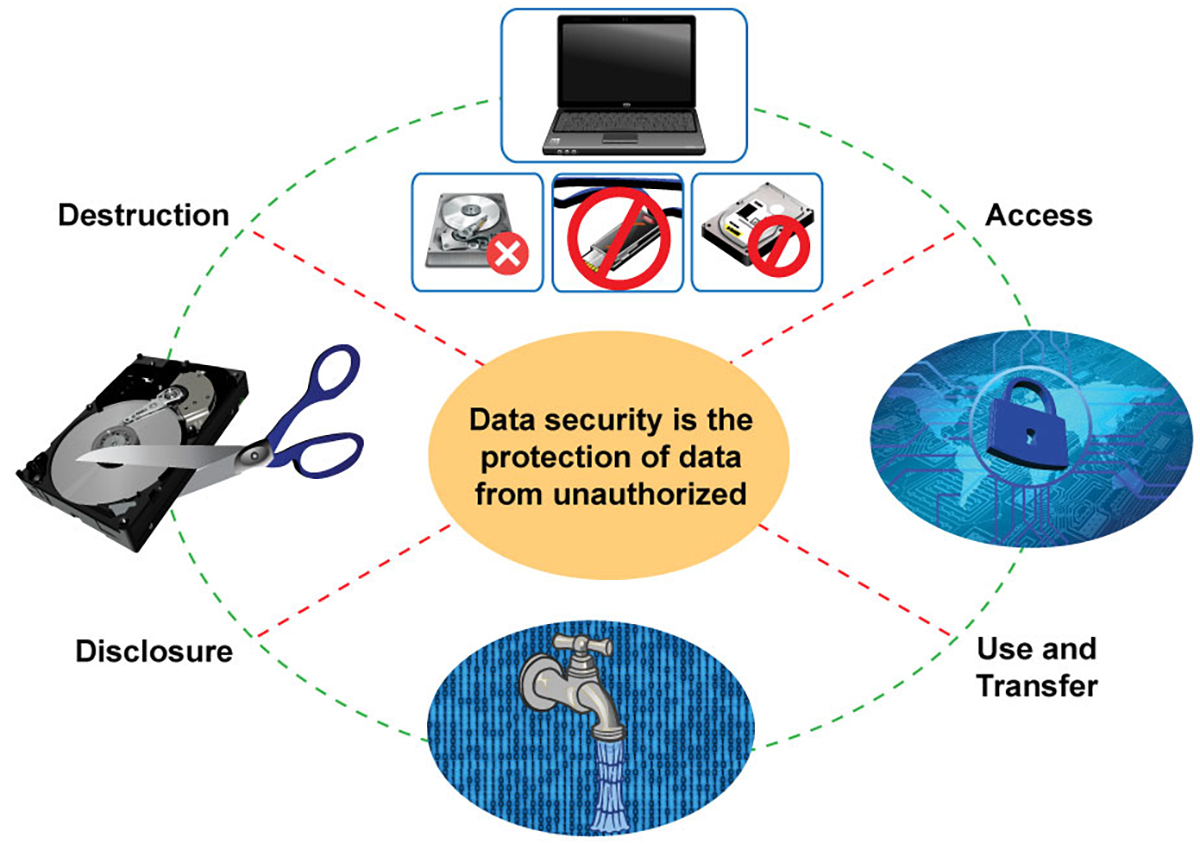
- Robust Data Security Measures: Implement advanced security protocols including encryption, secure storage, and regular security audits to protect sensitive data.
- Participant Empowerment: Ensure informed consent, offer data control options, and maintain open channels for feedback and withdrawal to empower participants.
Introduction
Conducting research that involves sensitive data necessitates a comprehensive approach to building trust and ensuring participants' willingness to engage. Trust is the cornerstone of ethical research, particularly when personal or sensitive information is at stake. This guide explores effective strategies to foster trust, prioritize ethical considerations, and implement robust data security measures to encourage participation in sensitive research endeavors.
1. Transparency and Clear Communication
1.1. Explain the Purpose and Importance
Begin by clearly articulating the research objectives, methodologies, and the significance of the study. Participants need to understand how their contributions will advance knowledge or address specific issues. Transparent communication about the "why" behind the research fosters a sense of purpose and legitimacy.
1.2. Detail Data Handling Procedures
Provide a comprehensive overview of how data will be collected, stored, analyzed, and protected. This includes explaining anonymization or de-identification processes, data access restrictions, and data retention policies. Clear data handling protocols reassure participants about the safety and confidentiality of their information.
1.3. Communicate Risks and Benefits
Be upfront about any potential risks associated with participation, such as privacy breaches or emotional distress, as well as the benefits, both for participants and the broader community. Balancing risks and benefits transparently helps participants make informed decisions about their involvement.
1.4. Provide Accessible Contact Information
Offer multiple channels for participants to ask questions or express concerns, including email addresses, phone numbers, or dedicated helplines. Accessible contact information facilitates ongoing communication and support throughout the research process.
2. Robust Data Security Measures
2.1. Implement Strong Data Encryption
Employ advanced encryption methods both for data in transit and at rest to protect against unauthorized access. Encryption ensures that sensitive information remains secure even if data breaches occur.
2.2. Secure Data Storage
Use secure servers and data storage facilities equipped with appropriate access controls and physical security measures. Ensuring that data storage environments are secure minimizes the risk of unauthorized data access.
2.3. Restrict Data Access
Limit access to sensitive data to authorized personnel who need it for their roles. Implement clear data access policies and procedures to maintain strict control over who can view or manipulate the data.
2.4. Regular Security Audits
Conduct periodic security audits and vulnerability assessments to identify and remediate potential weaknesses in data security protocols. Regular audits help maintain robust security measures and adapt to emerging threats.
2.5. Compliance with Regulations
Ensure adherence to relevant data privacy regulations and ethical guidelines such as GDPR, HIPAA, or other applicable laws. Compliance not only protects participants but also enhances the credibility and legitimacy of the research.
3. Empowering Participants
3.1. Informed Consent
Obtain informed consent from all participants, ensuring they fully understand the research purpose, data collection methods, potential risks and benefits, and their rights regarding data sharing and withdrawal. Clear and comprehensive consent processes are essential for ethical research conduct.
3.2. Data Control Options
Provide participants with options regarding the level of data sharing or the specific data points they are willing to provide. Allowing participants to have control over their data increases their sense of autonomy and trust in the research process.
3.3. Withdrawal Mechanisms
Clearly explain the process for withdrawing from the study at any point without penalty. Ensuring participants know they can exit the study empowers them and promotes a sense of security.
3.4. Feedback Mechanisms
Establish channels for participants to provide feedback on the research process and raise any concerns. Responsive feedback mechanisms demonstrate respect for participants' opinions and enhance trust.
3.5. Community Engagement
For research involving specific communities, engage with community leaders and representatives to align the research with community values and priorities. Community involvement fosters trust and ensures the research is culturally sensitive and relevant.
4. Ethical Considerations
4.1. Adhere to Ethical Guidelines
Strictly follow ethical research guidelines, including obtaining approval from Institutional Review Boards (IRB) and adhering to laws like GDPR and HIPAA. Ethical compliance safeguards participants and upholds the integrity of the research.
4.2. Accountability Mechanisms
Establish clear accountability mechanisms for how the research will be conducted and its outcomes disseminated. Accountability ensures responsible research practices and builds trust with participants.
4.3. Prevent Misuse of Findings
Define clearly how the research findings will and will not be used. Ensure participants are aware if the outcomes will influence policies, industries, or the public sphere. Preventing misuse of findings maintains participants' trust in the research purpose.
5. Building Relationships and Demonstrating Cultural Competence
5.1. Cultural Sensitivity
Acknowledge and respect the cultural and social contexts of participants by ensuring research questions and methods are inclusive and free from bias. Building cultural competence allows researchers to better understand and address the specific concerns of diverse participant groups.
5.2. Two-Way Dialogue
Maintain regular and transparent communication with participants or their communities. Constructive feedback loops demonstrate respect for their input and allow participants to have a voice in shaping the research.
6. Mitigating Power Imbalances
6.1. Recognize Power Dynamics
Acknowledge and actively address the inherent power imbalances between researchers and participants. Strive to create an equitable relationship where participants feel valued as collaborators rather than mere subjects.
6.2. Avoid Coercive Practices
Steer clear of coercive methods, including financial or other forms of undue influence, especially when working with vulnerable populations. Ensuring voluntary participation enhances trust and ethical integrity.
7. Safeguarding Sensitive Data
7.1. Protecting Confidentiality
Implement robust data protection mechanisms such as encryption, secure servers, and restricted access controls to ensure data remains confidential. Anonymize or pseudonymize data where appropriate to further protect participant identities.
7.2. Data Minimization
Only collect data essential to the research question, avoiding unnecessary or overly intrusive information. Minimizing data collection reduces the risk associated with data breaches and protects participant privacy.
7.3. Transparency in Data Breaches
Develop clear protocols for handling data breaches and promptly inform participants of any incidents involving their sensitive data. Transparency in response to breaches maintains trust even in adverse situations.
7.4. Secure Data Transfer and Storage
Establish secure methods for data transfer and storage, ensuring that all data handling complies with the highest security standards. Secure data management practices prevent unauthorized access and data loss.
8. Documentation and Compliance
8.1. Maintain Detailed Records
Keep comprehensive records of consent forms, data handling procedures, and security measures. Detailed documentation supports compliance with ethical standards and facilitates accountability.
8.2. Conduct Regular Reviews
Regularly review and update security protocols and ethical practices to adapt to changing regulations and emerging threats. Continuous improvement ensures ongoing protection of sensitive data.
8.3. Compliance with Regulations
Ensure ongoing compliance with all relevant data protection regulations and ethical guidelines. Staying informed about regulatory changes helps maintain legal and ethical research practices.
9. Establishing Trustworthiness in Research Findings
9.1. Enhance Credibility and Validity
Maintain high standards of research integrity by ensuring data collection, analysis, and reporting are accurate and unbiased. Credible and valid findings bolster participants' trust in the research outcomes.
9.2. Stakeholder Involvement
Involve participants, community representatives, or independent advisors in various stages of the research process to validate findings and methodologies. Stakeholder involvement fosters a collaborative research environment and enhances trust.
10. Recap and Conclusion
Building trust and encouraging participation in research, especially when it involves sensitive data, requires a multifaceted approach centered on transparency, robust data security, ethical considerations, and participant empowerment. By clearly communicating research intentions, implementing advanced data protection measures, respecting cultural contexts, and empowering participants with control over their data, researchers can foster a trustworthy environment that encourages active and willing participation. Upholding high ethical standards and maintaining accountability further solidify trust, ensuring the research benefits both participants and the broader community.
References
Last updated January 28, 2025