
Understanding Bunions
A comprehensive guide to causes, symptoms, and treatments
Key Highlights
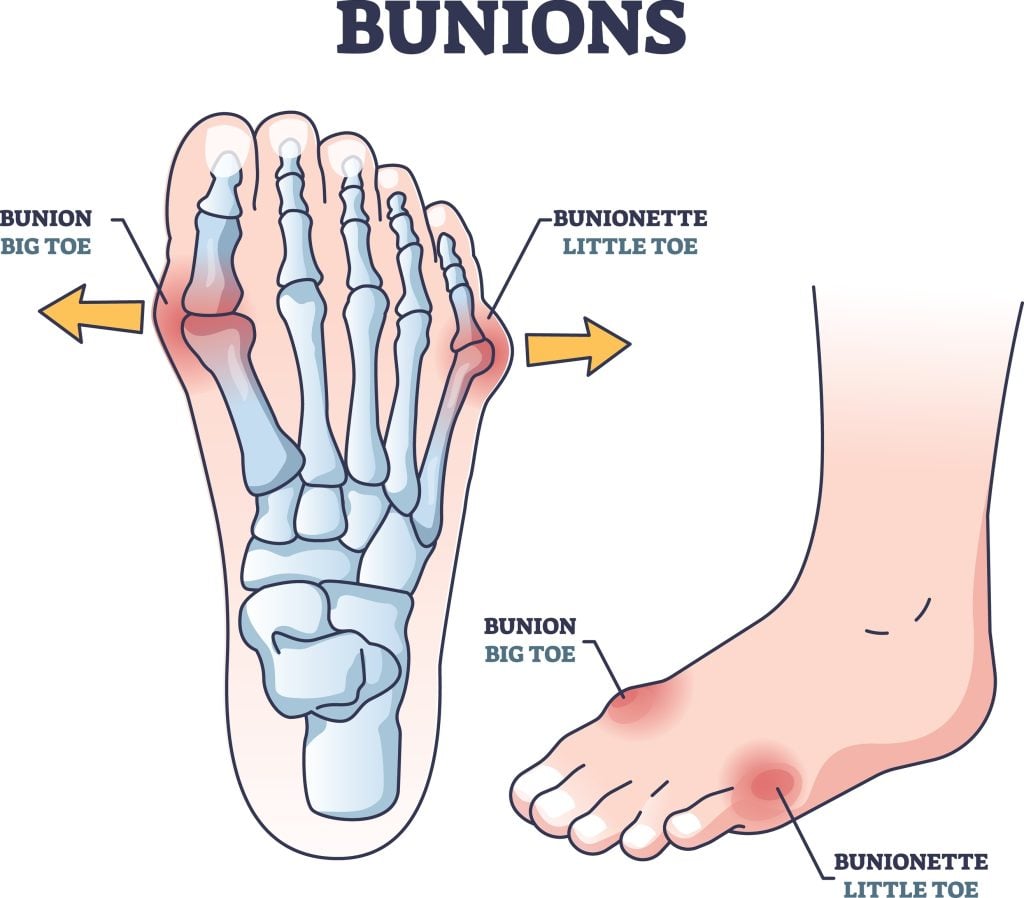
- Definition & Anatomy: A bunion, or hallux valgus, is a bony bump formed at the base of the big toe due to misalignment of the foot’s bones.
- Causes & Risk Factors: Genetics, improper footwear, and foot biomechanics contribute significantly to bunion formation.
- Symptoms & Treatment Options: Painful inflammation, swelling, and restricted movement may be managed conservatively or surgically.
What Is a Bunion?
A bunion, medically known as hallux valgus, is a deformity characterized by a bony bump that forms at the base of the big toe. This condition develops when the first metatarsal bone—the long bone connecting your foot to your big toe—shifts outward, causing the big toe to deviate towards the second toe. As a result, the joint at the base of the big toe protrudes and forms a noticeable bump. While bunions primarily affect the big toe, similar deformities can occur on the little toe, commonly referred to as bunionettes or tailor’s bunions.
Anatomy and Formation
The human foot is a complex structure composed of bones, joints, ligaments, and muscles. In the case of a bunion, the misalignment begins at the metatarsophalangeal (MTP) joint. Normally, the front part of the foot maintains a healthy balance as bones are well-aligned, facilitating smooth movement. However, when the first metatarsal bone shifts outward, it creates an abnormal angle at the MTP joint. This anomaly not only results in the formation of a bump but also alters the biomechanics of the foot, often causing additional strain and discomfort within the surrounding structures.
Causes and Contributing Factors
Bunions are typically the result of a combination of genetic predisposition, environmental influences, and mechanical factors. Some of the most common contributing factors include:
Genetic Predisposition and Inherited Traits
Research indicates that the structure of the foot, which is partly determined by genetics, can predispose an individual to bunions. If a family member has bunions or a similar foot deformity, it increases the likelihood of developing the condition. The inherited characteristics may include a naturally broader forefoot or abnormal bone structure, making the individual more susceptible to misalignment.
Foot Mechanics and Anatomical Variations
Certain foot structures, such as low arches or flat feet, play a critical role in the development of bunions. In individuals with flat feet, the lack of structural support can lead to abnormal pressure distribution on the MTP joints. Similarly, excessive pronation—where the foot rolls inward excessively during walking—can contribute to the shifting of the metatarsal bone, ultimately leading to a bunion.
Improper Footwear
Footwear is one of the most significant environmental factors implicated in the development of bunions. Shoes that are too tight, have a narrow toe box, or feature high heels can create pressure around the toes. High heels, in particular, force the foot into an unnatural position by shifting the body’s weight forward. This pressure encourages the big toe to encroach on the space of the other toes, further exacerbating the deformity over time.
Repetitive Micro-Trauma
Repeated stress or minor trauma to the foot—whether through rigorous physical activity or simply from daily wear and tear—can progressively cause the realignment of the bones in the foot. Over time, these repetitive forces can lead to the gradual development of a bunion, especially in those already predisposed due to genetic or anatomical reasons.
Symptoms and Clinical Presentation
The symptoms of a bunion can vary significantly in intensity and may evolve over time as the deformity progresses. Early signs include subtle changes in the alignment of the big toe, which may not immediately cause severe discomfort. However, as the condition worsens, patients typically experience a host of symptoms, including:
Physical Manifestations
- Bony Bump: The most visible sign of a bunion is the bony prominence at the base of the big toe.
- Redness and Inflammation: The affected area may exhibit signs of inflammation, including redness and swelling, particularly after prolonged periods of pressure or activity.
- Joint Pain: Pain is frequently reported at the MTP joint area, which can intensify with movement or when wearing tight shoes.
- Corns and Calluses: The friction between the misaligned toes and footwear can lead to the formation of corns or calluses, adding to the discomfort.
- Restricted Movement: As the problem escalates, the mobility of the big toe can become limited, leading to further impairments in gait and overall foot function.
Progression and Complications
If left untreated, bunions can continue to worsen over time. The progressive nature of the deformity can result in secondary issues such as:
Bursitis
Bursitis, an inflammation of the fluid-filled sacs (bursae) that cushion the joints, can occur near the bunion. This condition further intensifies the pain and discomfort experienced by the patient.
Arthritis
The misalignment in the toe’s joint can accelerate wear and tear on the cartilage, eventually leading to arthritis—a chronic condition characterized by joint inflammation and stiffness.
Osteoarthritis
In long-standing cases, the altered biomechanics due to bunions can contribute to the development of osteoarthritis in the foot, complicating the broader management of lower limb health.
Diagnosis and Assessment
The diagnosis of bunions involves both a physical examination and the potential use of imaging techniques. The diagnostic process is essential for determining the severity of the condition and guiding treatment decisions.
Clinical Evaluation
A medical professional typically begins by conducting a thorough physical examination, assessing both the appearance of the bunion and the range of motion of the big toe. During the assessment, the doctor will look for signs of inflammation, pain points, and any functional impairment affecting the patient’s gait or balance.
Imaging Techniques
To confirm the diagnosis and accurately evaluate the severity of the bunion, X-rays are often recommended. X-ray images provide a clear view of the bone alignment and are instrumental in identifying:
- The angle between the first metatarsal and the proximal phalanx of the big toe.
- Bony changes and joint degeneration that may indicate secondary arthritis.
Advanced imaging techniques may be utilized in complex cases, but standard radiographs generally suffice to classify the deformity and plan subsequent treatment.
Treatment Options and Management
Treatment for bunions aims to relieve symptoms, slow the progression of the deformity, and restore proper foot function. The approach to treatment depends on the severity of the condition, the level of discomfort experienced by the patient, and individual lifestyle factors. The main treatment modalities include both conservative and surgical options.
Conservative Treatments
In the early stages or in cases where the bunion is not causing severe discomfort, conservative management strategies are usually recommended. These approaches focus on relieving symptoms and preventing further deterioration of the condition.
Footwear Modifications
One of the simplest yet most effective methods for managing bunions is wearing appropriate shoes. Opting for wide, well-cushioned shoes with a roomy toe box can significantly reduce pressure on the bunion, thereby diminishing pain and discomfort. Avoiding high heels and tight footwear is crucial in managing the condition over time.
Orthotic Devices and Padding
Custom orthotic devices, such as arch supports or specially designed insoles, can help redistribute pressure away from the bunion and provide better overall alignment. Additionally, using protective pads or splints may alleviate friction and provide cushioning during daily activities.
Medication
Over-the-counter pain relievers and anti-inflammatory medications can be employed to reduce the swelling and pain associated with bunions. These medications, taken as directed, may provide temporary relief while other long-term treatment strategies are implemented.
Surgical Interventions
For individuals whose bunions are particularly severe or unresponsive to conservative therapy, surgical intervention may be necessary. Bunion surgery aims to correct the misalignment of the bones, reduce the bony prominence, and alleviate pain. The specific surgical procedure depends on the extent of the deformity and may involve:
Osteotomy
This procedure involves cutting the bone to realign the first metatarsal, thereby correcting the angle of the big toe. Osteotomy can be highly effective in reducing the bunion prominence and restoring normal toe alignment.
Arthrodesis
In cases where joint degeneration is significant and arthritis is present, fusion of the joint (arthrodesis) may be performed. While this procedure eliminates movement at the affected joint, it can effectively relieve persistent pain and improve long-term stability.
Soft Tissue Procedures
Tendon realignment and soft tissue repair may also be performed in conjunction with bony realignment to ensure that the surrounding structures maintain a proper balance after surgery. These procedures help reduce residual pain and support the overall structural integrity of the foot.
Prevention and Post-Treatment Care
Prevention of bunions largely revolves around lifestyle modifications and early intervention. While genetic predispositions cannot be altered, proactive measures can help protect against the progression of the condition.
Appropriate Footwear
Wearing shoes that accommodate the natural shape of the foot is paramount for reducing the risk of bunion development. Shoes with a wide toe box, adequate cushioning, and flexible soles can mitigate the stress placed on the MTP joint. Additionally, avoiding high heels and narrow-fitting shoes contributes significantly to maintaining proper toe alignment.
Regular Foot Care and Exercise
Routine foot care, including stretching exercises and strengthening routines, can enhance foot mechanics and promote proper alignment. Simple exercises, such as toe stretches and foot massages, may help relieve tension in the foot muscles and improve overall circulation. Maintaining an optimal weight is also important, as excess weight can increase pressure on the feet.
Post-Surgical Rehabilitation
For those undergoing surgical treatment, rehabilitation is a critical component of recovery. Post-surgical protocols often include physiotherapy, gradual weight-bearing exercises, and the use of supportive footwear to facilitate healing and restore function. Close follow-up with medical professionals ensures that the recovery progresses as planned and any complications are addressed promptly.
Comparison Table of Bunion Management Approaches
| Aspect | Conservative Treatment | Surgical Treatment |
|---|---|---|
| Primary Focus | Pain relief, shoe modification, orthotics, and padding | Realigning bones and correcting deformity |
| Methods | Appropriate footwear, splints, anti-inflammatory medications | Osteotomy, arthrodesis, tendon realignment |
| Recovery Time | Non-invasive with gradual improvement | Requires postoperative rehabilitation and follow-up |
| Risk of Complications | Minimal if managed early | Potential for surgical complications and joint stiffness |
| Long-Term Outcome | May slow progression of deformity | Corrects deformity and relieves chronic pain when successful |
Additional Considerations
Bunions are a multifaceted condition that intertwines anatomical factors with lifestyle choices. Understanding the interplay between genetic predispositions and environmental influences is key to managing the condition effectively. For many individuals, the first step is simply recognizing early signs and adjusting daily habits to minimize pressure on the feet.
The Importance of Early Intervention
Timely intervention often prevents the progression of bunions to a stage where surgical treatment becomes necessary. By adopting preventive measures such as wearing proper footwear and engaging in routine foot exercises, those at risk can maintain a higher quality of life. Regular check-ups with a podiatrist can further aid in monitoring any progression and allow for adjustments in treatment or lifestyle as needed.
Impact on Quality of Life
While bunions might appear to be a minor cosmetic concern initially, they can have significant implications for mobility and overall quality of life. Chronic pain, difficulty in finding comfortable footwear, and limitations in physical activity can lead to secondary issues such as reduced exercise routines, weight gain, and even psychological distress. Therefore, addressing bunions not only alleviates physical discomfort but also contributes positively to one’s mental and emotional well-being.
References
- Bunions - Symptoms & Causes - Mayo Clinic
- Bunions: Symptoms, Causes, and When To Call A Doctor - WebMD
- What to do about bunions - Harvard Health
-
Bunions: Symptoms, Causes, & Treatment - Cleveland Clinic
- Bunions - OrthoInfo - American Academy of Orthopaedic Surgeons
Recommended Queries
Last updated March 13, 2025