
Navigating Global Trade: Your Roadmap to Acing the Compliance Interview at BVI Medical
Master the interplay between distribution, transportation, and trade compliance to impress BVI Medical's leadership.
Preparing for your interview with BVI Medical's Global Director of Trade Compliance is a pivotal step in securing the Global Director of Distribution and Transportation role. This guide provides comprehensive insights to help you demonstrate your understanding of this critical relationship and position yourself as an invaluable asset to their team.
Key Highlights for Your Interview
- Understand the Symbiotic Relationship: Your role in Distribution and Transportation is critically intertwined with Trade Compliance, focusing on moving goods efficiently while adhering to all global regulations, especially crucial for medical devices.
- Showcase Collaborative Problem-Solving: Emphasize your experience in working with compliance teams to navigate complex issues like licensed cargo, VAT, and customs, turning potential roadblocks into streamlined processes.
- Demonstrate Strategic Foresight: Position yourself as a proactive partner who not only executes logistics but also anticipates compliance risks and contributes to a robust, compliant supply chain for BVI Medical.
Understanding the Global Director of Trade Compliance
Core Responsibilities and Scope
The Global Director of Trade Compliance at a company like BVI Medical is a senior leader tasked with ensuring all international trade activities align with a complex web of global laws, regulations, and policies. Their primary goal is to facilitate legitimate trade while mitigating risks associated with non-compliance, which can be severe (fines, delays, reputational damage).
Key responsibilities typically include:
- Policy Development and Implementation: Creating and enforcing comprehensive global trade compliance policies and procedures, covering areas like export controls, import regulations, licensing, and due diligence.
- Regulatory Interpretation and Guidance: Staying abreast of and interpreting multifaceted trade laws, sanctions (e.g., OFAC), customs regulations, and export control regimes (like EAR, ITAR, though ITAR is defense-specific, the principles of controlled goods apply) across numerous jurisdictions.
- Risk Assessment and Mitigation: Identifying, evaluating, and mitigating potential risks associated with import/export activities, including penalties for non-compliance, supply chain vulnerabilities, and dealing with restricted parties.
- Customs and Duty Management: Overseeing processes for correct goods classification (e.g., HTS codes), valuation, and country of origin determination to ensure accurate duty payments and leverage trade agreements (e.g., FTAs) to minimize costs.
- Export Controls and Licensing: Managing compliance for controlled items, including potentially dual-use goods (which can be relevant for advanced medical devices), ensuring all necessary licenses and permits are obtained.
- Denied Party Screening: Implementing and overseeing robust screening processes to prevent transactions with sanctioned or restricted individuals, companies, or countries.
- Audits and Investigations: Managing internal compliance audits and responding to inquiries or investigations from governmental authorities (e.g., Customs, Commerce Department).
- Record Keeping: Ensuring meticulous maintenance of all trade-related documentation to demonstrate due diligence and compliance.
- Training and Advisory: Providing expertise, training, and guidance to internal departments (Logistics, Sales, Procurement, Legal, Finance) on trade compliance matters and regulatory changes.
- Third-Party Management: Overseeing the compliance performance of customs brokers, freight forwarders, and other trade partners.

Visualizing the complexities of a compliant global supply chain.
The Synergy: Distribution & Transportation Meets Trade Compliance
The roles of Global Director of Distribution and Transportation and Global Director of Trade Compliance are deeply interconnected. Smooth, efficient, and cost-effective logistics depend heavily on seamless compliance with international trade laws.
Key Areas of Overlap
- Cross-Border Goods Movement: Both roles are fundamentally involved in the international movement of goods. While Distribution focuses on timeliness, cost, and physical logistics, Trade Compliance ensures these movements are legally permissible.
- Documentation and Data Accuracy: Accurate shipping documents, commercial invoices, packing lists, certificates of origin, and product classifications are vital for both customs clearance (Compliance) and operational execution (Distribution).
- Risk Management: Distribution faces risks like transit delays, damage, and capacity constraints. Trade Compliance addresses regulatory risks like fines, seizures, and loss of export privileges. These risks often intersect; for instance, a compliance failure can cause a significant distribution delay.
- Cost Management: Distribution aims to optimize transportation costs. Trade Compliance contributes by ensuring correct duty payments, leveraging trade agreements, and avoiding costly non-compliance penalties.
- Technology and Systems: Both roles benefit from integrated systems (ERP, TMS, GTM - Global Trade Management) for tasks like order processing, shipment tracking, denied party screening, and customs filing.
- Supplier and Partner Management: Distribution manages relationships with carriers and 3PLs. Trade Compliance ensures these partners adhere to compliance standards and procedures.
Modes of Cooperation
Effective cooperation is essential for optimizing BVI Medical's supply chain:
- Information Sharing: Distribution provides Trade Compliance with details on shipment origins, destinations, product specifications, and logistics plans. Compliance provides updates on regulatory changes, risk alerts, and specific requirements for certain markets or products.
- Process Integration: Embedding compliance checks (e.g., denied party screening, license verification) directly into distribution and transportation workflows.
- Joint Problem-Solving: When customs delays, inspections, or other trade-related issues arise, both teams must collaborate quickly to resolve them, with Compliance providing regulatory expertise and Distribution offering operational solutions.
- Strategic Planning: When entering new markets, launching new products, or changing sourcing strategies, both directors must collaborate to assess trade compliance implications, identify necessary permits, and design compliant and efficient logistics solutions.
- Training and Awareness: Trade Compliance often leads training on relevant regulations, while Distribution ensures their teams understand and implement these in daily operations.
- Performance Monitoring: Jointly reviewing KPIs related to customs clearance times, compliance incidents, and duty expenditures to identify areas for improvement.
Visualizing the Interplay
The following mindmap illustrates the critical collaboration points between Global Distribution & Transportation and Global Trade Compliance for achieving overall supply chain success at a company like BVI Medical.
Navigating the Interview: Potential Questions & Strategic Answers
The Global Director of Trade Compliance will likely assess your understanding of compliance issues within logistics and your ability to collaborate. Below are potential questions with sample answers, incorporating BVI Medical's context where relevant.
1. "How do you ensure import/export and customs compliance within your distribution and transportation operations?"
Good Answer: "My approach to ensuring import/export and customs compliance is built on proactive collaboration and robust processes. This involves working closely with the trade compliance team, customs brokers, and freight forwarders to guarantee that all shipments have accurate documentation, correct HTS classifications, and proper valuations. For example, in my previous role at [Previous Company], we handled sensitive medical equipment requiring precise declarations. We implemented a pre-shipment checklist co-developed with compliance, which included verification of all necessary permits and country-specific import requirements. This reduced customs holds by X% and ensured timely delivery of critical products. I also believe in regular audits of customs entries and broker performance to identify and rectify any discrepancies proactively."
2. "Describe your experience handling licensed or dual-use cargo. How would you approach this at BVI Medical?"
Good Answer: "Managing licensed or dual-use cargo, especially in the medical device sector where BVI Medical operates, demands meticulous attention to detail and strict adherence to export control regulations. At [Previous Company], we occasionally shipped products that had dual-use potential. My process involved immediate flagging of these items in our ERP system. I then coordinated directly with our trade compliance and legal departments to determine specific licensing requirements based on destination, end-user, and end-use. For instance, a shipment of advanced diagnostic equipment to [Region] required a specific export license. I ensured all documentation was perfectly prepared and submitted well in advance, tracking the application process closely and only authorizing shipment upon license approval. This prevented significant penalties and ensured full compliance. For BVI Medical, I'd establish a similar collaborative framework, ensuring clear communication channels with compliance for any products that might fall under such controls."
3. "How do you manage VAT compliance in cross-border transactions, particularly for shipments into regions like the EU?"
Good Answer: "VAT compliance is a critical financial and regulatory aspect of international distribution. My approach involves tight collaboration with finance, trade compliance, and local partners in destination countries. Key steps include ensuring correct product valuation for VAT purposes, understanding the specific VAT rules of each importing country (e.g., registration requirements, reverse charge mechanisms), and utilizing appropriate Incoterms that clearly define VAT responsibilities. At [Previous Company], we faced a challenge with VAT reconciliation for our EU distribution center. I spearheaded a project with finance and our EU compliance consultant to streamline VAT reporting processes and ensure accurate reclamation where applicable. This involved refining our invoicing procedures and broker instructions, ultimately improving cash flow and ensuring full VAT compliance across member states."
4. "What measures do you implement for effective denied party screening (DPS) within your logistics operations?"
Good Answer: "Denied party screening is a non-negotiable checkpoint in international logistics. My strategy is to integrate automated DPS into key stages of the order-to-cash and shipment processes. At [Previous Company], we used a screening software that checked customers, consignees, and other involved parties against multiple governmental restricted party lists (e.g., OFAC, BIS Entity List) at order entry and again before shipment release. Any potential match triggered an immediate hold on the transaction, which was then escalated to the trade compliance team for thorough review and resolution. This automated, multi-layered approach minimized human error and ensured we didn't inadvertently transact with prohibited entities, safeguarding the company from severe legal and reputational risks."
5. "How do you foster a strong working relationship and ensure effective collaboration with a trade compliance team?"
Good Answer: "I view the trade compliance team as essential strategic partners, not as a hurdle. Effective collaboration hinges on open communication, mutual respect, and shared goals. I would initiate regular meetings—perhaps monthly or bi-weekly—with the Global Director of Trade Compliance and their team to discuss upcoming regulatory changes, ongoing challenges, operational impacts, and areas for joint process improvement. For example, I’d ensure my team understands why compliance procedures are in place and how they contribute to the company's success. When issues arise, I advocate for a joint problem-solving approach. By fostering a culture where distribution staff feel comfortable raising potential compliance concerns, we can proactively address risks. My aim is to build a seamless interface between our departments to ensure BVI Medical's supply chain is both efficient and impeccably compliant."
Comparative Focus: Distribution/Transportation vs. Trade Compliance
This table highlights the distinct yet complementary focuses of the two directorial roles in key shared operational areas:
| Operational Area | Global Director of Distribution & Transportation Focus | Global Director of Trade Compliance Focus |
|---|---|---|
| Cross-Border Shipments | Efficiency, speed, cost, physical handling, carrier performance, network optimization. | Regulatory adherence, customs clearance, export/import licenses, sanctions, proper documentation. |
| Risk Management | Logistical risks (delays, damage, theft, capacity), operational disruptions, supplier reliability. | Regulatory risks (fines, penalties, seizures, audits), legal liabilities, reputational damage, security initiatives (e.g., CTPAT). |
| Documentation | Operational documents (bills of lading, delivery orders, freight invoices), shipment tracking. | Legally required documents (commercial invoices, certificates of origin, export declarations, licenses), record-keeping for audit. |
| Cost Management | Transportation rates, warehousing costs, inventory holding costs, network efficiency savings. | Customs duties, taxes, VAT, FTA savings, cost of non-compliance (penalties), broker fees. |
| Technology & Systems | TMS, WMS, visibility platforms, route optimization software. | GTM software, denied party screening tools, classification databases, regulatory content providers. |
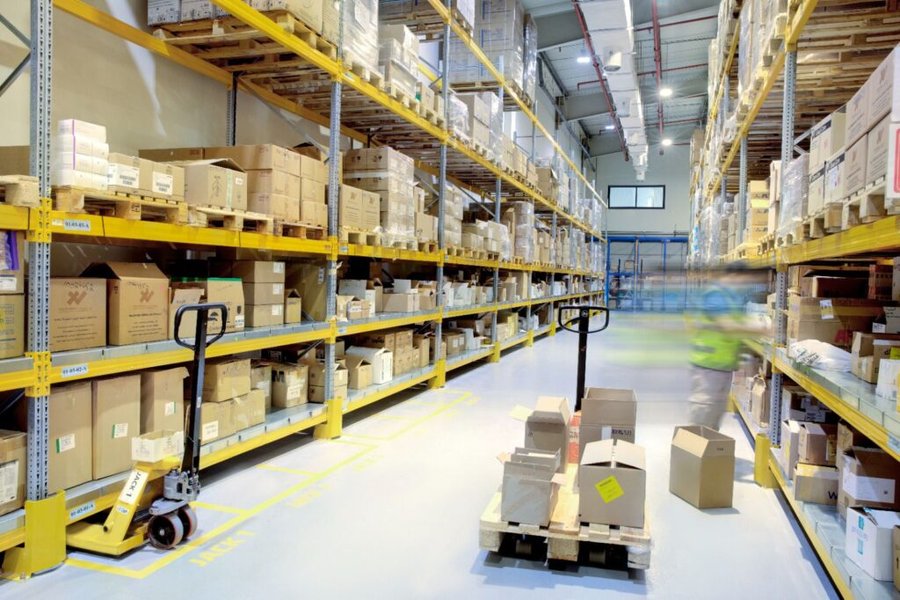
Efficient inventory and warehouse management are crucial in the regulated medical device supply chain.
Positioning Yourself for Success with the Compliance Director
Emphasizing Your Value Proposition
To impress the Global Director of Trade Compliance, frame your experience and approach in a way that highlights your understanding of their world and your commitment to a compliant, efficient supply chain.
- Highlight Strategic Partnership: Emphasize that you see trade compliance not as a barrier but as an enabler of efficient and secure global trade. Talk about your desire to be a strategic partner to the compliance function.
- Showcase Proactive Risk Management: Discuss how your operational strategies proactively consider and mitigate compliance risks. Give examples where you've implemented controls or checks within distribution to prevent issues.
- Stress Data Accuracy and Meticulous Documentation: Underscore your commitment to the accuracy of shipping data, product information, and all documentation, as this is the bedrock of compliance.
- Demonstrate Strong Communication and Cross-Functional Collaboration Skills: Provide examples of how you've successfully worked with compliance, legal, finance, or other departments to achieve shared objectives.
- Express a Commitment to Continuous Improvement: Talk about your dedication to optimizing processes not just for efficiency and cost, but also for enhanced compliance and risk reduction. Mention any experience with compliance-related technology.
- Acknowledge the Regulatory Landscape: Show awareness of the complexities of international trade regulations, especially for regulated goods like medical devices. Express eagerness to learn and adapt to BVI Medical’s specific compliance environment.
- Focus on Solutions, Not Just Problems: When discussing past challenges, focus on how you collaborated to find compliant solutions.
Key Competencies Radar Chart
This radar chart visualizes key competencies for a Global Director of Distribution and Transportation that are highly valued from a trade compliance perspective. Aim to demonstrate strength across these areas.
Insightful Questions to Engage the Compliance Director
Asking thoughtful questions demonstrates your engagement, strategic thinking, and genuine interest in the collaborative aspects of the role. Consider these:
- "What are the most significant trade compliance challenges BVI Medical currently faces, particularly concerning the distribution and transportation of its medical devices?"
- "How does the trade compliance team typically collaborate with distribution and transportation when new regulations are introduced or when BVI Medical enters new international markets?"
- "Could you describe the key trade compliance-related KPIs that the distribution and transportation function would be expected to support or influence?"
- "What technologies or systems does BVI Medical currently use for trade compliance (e.g., GTM software, screening tools), and how are these integrated with logistics systems?"
- "How does BVI Medical approach the training of logistics and distribution staff on relevant trade compliance matters?"
- "Can you share an example of a successful cross-functional initiative between trade compliance and logistics/distribution that positively impacted the business?"
- "From your perspective, what is the single most important quality or capability the new Global Director of Distribution and Transportation should possess to ensure a strong partnership with your team?"
- "How does your team measure success in compliance, and what are your expectations for how the Distribution team can contribute to these metrics?"
Essential Knowledge: Recommended Reading for Your Preparation
Deep Dive into Core Compliance Topics
Familiarizing yourself with these areas will bolster your confidence and understanding:
- Trade Compliance Fundamentals:
- Explanation: Understand core concepts like import/export compliance, customs valuation, HTS classification, country of origin, and the general regulatory landscape. This provides context for the Compliance Director's world.
- Why it matters: Knowing the basics allows you to speak intelligently about compliance challenges and collaborate more effectively.
- Export Control Regulations (General Principles):
- Explanation: While specific regimes (EAR, EU Dual-Use) are complex, understand the concept of controlled goods, dual-use items (relevant for medical tech), and the need for export licenses.
- Why it matters: BVI Medical's products might be subject to such controls; awareness is key for risk mitigation in distribution.
- Denied Party Screening (DPS) and Sanctions:
- Explanation: Learn about the importance of screening all parties in a transaction against government-maintained lists of restricted or sanctioned entities.
- Why it matters: Failure here has severe consequences. Distribution plays a role in ensuring screening processes are integrated.
- Customs Compliance & Procedures:
- Explanation: Familiarize yourself with customs clearance processes, required documentation, and the roles of customs brokers.
- Why it matters: Efficient customs clearance is vital for on-time delivery, a core responsibility of distribution.
- VAT and International Trade Taxes:
- Explanation: Understand how Value Added Tax (VAT) and other indirect taxes apply in cross-border trade, particularly into major markets like the EU.
- Why it matters: Impacts landed cost and financial compliance; distribution processes need to support correct VAT handling.
- Free Trade Agreements (FTAs) Awareness:
- Explanation: Be aware that FTAs exist and can offer duty savings if products qualify and are properly documented.
- Why it matters: Collaboration between compliance (qualification) and distribution (execution) can yield cost benefits.
- Impact of Non-Compliance on Logistics:
- Explanation: Research cases or articles on how compliance failures (e.g., incorrect classification, unlicensed export) lead to shipment delays, seizures, fines, and supply chain disruptions.
- Why it matters: Reinforces your understanding of why compliance is critical to your own function's success.
This video provides a simple overview of why trade compliance is important in an organization.
Frequently Asked Questions (FAQ)
What are the primary compliance risks in distributing medical devices globally?
How critical is denied party screening for a company like BVI Medical?
What's the best way for a Distribution Director to stay informed about evolving international trade regulations that impact logistics?
How can the Distribution and Transportation department support trade compliance audits?
Conclusion
Your interview with the Global Director of Trade Compliance is an excellent opportunity to showcase not only your expertise in global distribution and transportation but also your strategic understanding of how these functions must integrate seamlessly with trade compliance. By emphasizing collaboration, risk awareness, and a proactive approach to regulatory adherence, you can demonstrate that you are the ideal candidate to lead BVI Medical's global logistics while upholding the highest standards of compliance. Your preparedness in understanding their role and asking insightful questions will undoubtedly make a strong, positive impression.
Recommended Further Exploration
- Explore advanced strategies for optimizing customs clearance for time-sensitive medical device shipments.
- Investigate the impact of evolving global sanctions on medical supply chains and effective mitigation tactics.
- Learn about best practices for integrating Global Trade Management (GTM) systems with Transportation Management Systems (TMS) for enhanced compliance and efficiency.
- Understand the role of AEO (Authorized Economic Operator) status and similar trusted trader programs in facilitating trade for medical device companies.