
Unlock the C-Suite: Your Definitive Guide to Acing Executive Interviews
Master the art of C-suite interviews with strategic preparation, compelling narratives, and impactful communication.
Preparing for a C-suite interview is a formidable undertaking, distinct from other job interviews. It demands a sophisticated blend of strategic thinking, demonstrable leadership, and a profound understanding of the organization's long-term ambitions and operational ethos. Success hinges on your ability to present yourself not just as a candidate, but as a visionary leader ready to navigate complex challenges and drive substantial growth.
Key Highlights for C-Suite Interview Success
- Deep Company & Role Mastery: Go beyond surface-level research. You must intricately understand the company's financial health, strategic imperatives, competitive landscape, cultural nuances, and the specific demands and expectations of the C-suite role you're targeting.
- Strategic Leadership Showcase: Articulate a clear, compelling leadership philosophy and vision. Back this up with concrete, quantifiable achievements from your past, demonstrating your ability to manage change, inspire teams, and deliver results.
- Insightful & Engaging Dialogue: Prepare meticulously for a wide range of challenging questions, using frameworks like the STAR method to structure your responses. Crucially, formulate thoughtful, probing questions for the interview panel to demonstrate your engagement and strategic mindset.
Phase 1: Laying the Groundwork - Deep Research & Understanding
The foundation of a successful C-suite interview is exhaustive preparation. This means diving deep into the intricacies of the organization and the specific executive role.
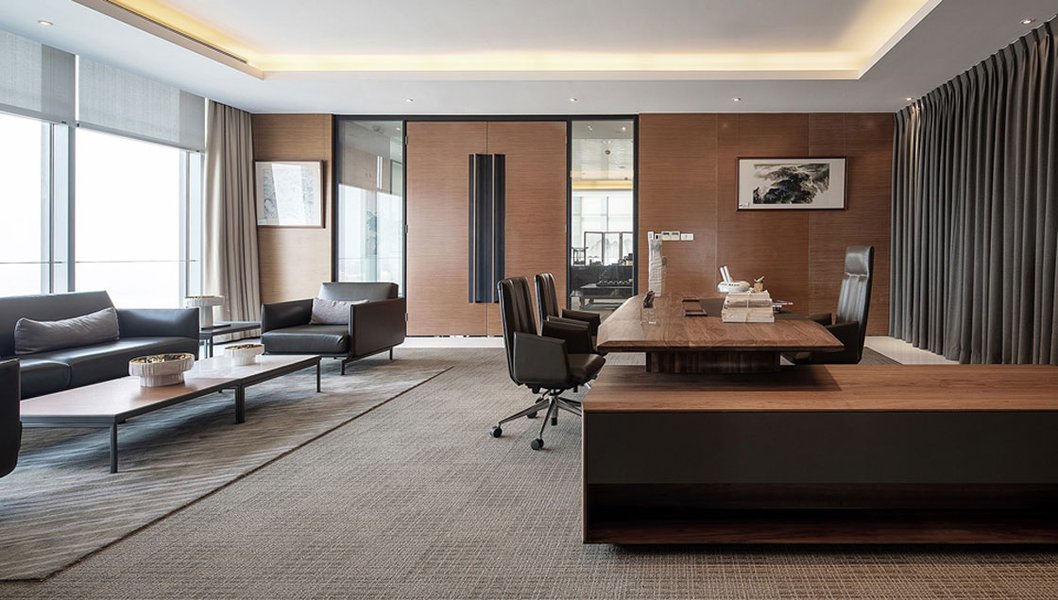
A well-designed executive space, reflecting the environment you aim to lead from.
Understanding the Organization: Beyond the Balance Sheet
Company Deep Dive
Your research must extend far beyond a cursory glance at the company's website. Seek to understand:
- History and Evolution: How has the company grown and adapted over time? What are its foundational values?
- Financial Health: Analyze annual reports, investor briefings, and financial news. Understand revenue streams, profitability, debt, and key financial ratios.
- Strategic Goals & Challenges: What are the company's stated strategic objectives? What are the primary obstacles (internal and external) it faces in achieving them? Look for information on market positioning, growth strategies, and areas of potential disruption.
- Culture and Leadership: Research the existing leadership team, their backgrounds, and their publicly stated views. Try to gauge the company culture—is it innovative, traditional, collaborative, hierarchical? Networking discreetly with current or former employees can provide invaluable insights here.
- Market Position & Competitors: Who are the key competitors? What are their strengths and weaknesses? How does the target company differentiate itself?
- Recent News and Developments: Stay abreast of any recent announcements, product launches, mergers, acquisitions, or significant market shifts affecting the company.
Deconstructing the Role
Thoroughly analyze the job description, but also look beyond it:
- Roles and Responsibilities: What are the core functions and expectations of this C-suite position?
- Strategic Impact: How does this role contribute to the overall strategy and success of the organization? What are the key performance indicators (KPIs) likely to be?
- Team and Stakeholders: Who will you be working with? What are the key internal and external stakeholder relationships you'll need to manage?
Industry and Competitive Landscape Analysis
A C-suite leader must possess broad industry acumen. Understand:
- Key Industry Trends: What technological, economic, social, or regulatory trends are shaping the industry?
- Opportunities and Threats: What are the emerging opportunities for growth and innovation? What are the potential threats or disruptions on the horizon?
- Regulatory Environment: Are there any significant regulatory changes impacting the industry or the company specifically?
Phase 2: Crafting Your Executive Narrative
Your C-suite interview is an opportunity to tell a compelling story about your leadership journey, your vision, and how your unique experiences align with the organization's needs.
Articulating Your Leadership Philosophy and Style
Be prepared to clearly define your approach to leadership. Consider:
- How do you motivate and inspire teams, especially through periods of change or uncertainty?
- What are your core values as a leader, and how do they manifest in your decision-making?
- How do you foster collaboration, innovation, and a high-performance culture?
- How does your leadership style align with the observed culture of the target company?
Showcasing Achievements with Impact (The STAR Method)
When discussing your accomplishments, vague statements won't suffice. Use the STAR method (Situation, Task, Action, Result) to provide structured, evidence-based examples:
- Situation: Briefly describe the context or challenge you faced.
- Task: Explain your specific role and responsibilities in that situation. What was the goal?
- Action: Detail the specific actions you took to address the challenge or achieve the goal. Focus on your individual contributions and strategic decisions.
- Result: Quantify the outcome of your actions whenever possible. Use metrics, data, and specific examples to demonstrate the positive impact you made (e.g., "increased revenue by X%," "reduced operational costs by Y%," "successfully launched Z product leading to N market share"). Tie this back to how similar approaches could benefit the interviewing company.
Prepare several STAR stories highlighting diverse competencies: strategic planning, change management, team leadership, crisis management, innovation, financial stewardship, etc.
Addressing Failures and Lessons Learned
C-suite interviewers are interested in your resilience and self-awareness. Be prepared to discuss a past failure or setback. Focus not on the failure itself, but on:
- What you learned from the experience.
- How you took responsibility and addressed the issue.
- How that learning has shaped your approach to leadership and decision-making since.
Honesty and a growth mindset are key here. Avoid blaming others and demonstrate that you can learn and adapt from adversity.
Defining Your Vision
You may be asked about your vision for the company, department, or the role itself. Your response should be informed by your research and demonstrate strategic thinking. How can you help the company achieve its long-term goals and navigate future challenges?
Phase 3: Mastering C-Suite Interview Questions
Executive interviews delve into strategic thinking, leadership capabilities, problem-solving skills, and cultural fit. Anticipating and preparing for common question themes is crucial.
Common Question Categories and Strategic Approaches
The following table outlines typical themes you'll encounter, the interviewer's underlying objective, and how you can strategically approach your answers:
| Theme | Example Questions | Interviewer's Goal | Your Strategic Approach |
|---|---|---|---|
| Leadership & Management | "Describe your leadership style." "How do you motivate a diverse team?" "Tell me about a time you managed a crisis." "How do you develop talent and approach succession planning?" |
Assess your ability to lead, inspire, manage conflict, and build strong teams. Understand your philosophy on talent development. | Provide specific examples (STAR method). Articulate your leadership philosophy clearly. Show empathy, decisiveness, and strategic foresight. |
| Strategy & Vision | "What is your vision for our company/this department in the next 5 years?" "How do you balance short-term pressures with long-term strategic goals?" "Describe a major strategic challenge you've overcome." |
Evaluate your strategic thinking capacity, ability to see the bigger picture, and alignment with the company's long-term objectives. | Demonstrate deep understanding of the company and industry. Connect your vision to their existing goals. Show you can translate strategy into actionable plans. |
| Change Management & Innovation | "How do you drive organizational change?" "Tell me about a time you championed a new idea or innovation." "How do you foster a culture of continuous improvement?" |
Gauge your ability to lead through transitions, embrace innovation, and overcome resistance to change. | Highlight experiences in leading change initiatives. Emphasize communication, stakeholder engagement, and resilience. Show enthusiasm for innovation. |
| Problem Solving & Decision Making | "Describe a complex problem you solved." "How do you approach making difficult decisions with incomplete information?" "Tell me about a decision you made that was unpopular but necessary." |
Understand your analytical skills, judgment, and decision-making process under pressure. | Walk through your thought process logically. Emphasize data-driven approaches where applicable, but also intuition and experience. Show courage in decision-making. |
| Cultural Fit & Ethics | "How would you describe our company culture based on your research?" "How do you promote diversity and inclusion?" "Describe a situation where your integrity was tested." |
Assess your alignment with the company's values and your ethical compass. Determine if you'll integrate well with the existing team. | Be authentic. Show genuine interest in their culture. Provide examples that demonstrate your commitment to ethical conduct and inclusivity. |
| Industry & Business Acumen | "What major trends do you see impacting our industry?" "How would you approach [specific market challenge]?" "How do you prioritize investments in technology to drive growth?" |
Test your understanding of the business environment, market dynamics, and your ability to make sound business judgments. | Draw on your research. Offer insightful perspectives. Connect industry trends directly to potential impacts or opportunities for the company. |
| Personal Insight & Motivation | "What are your greatest strengths/weaknesses as a leader?" "What motivates you professionally?" "Where do you see yourself in 5-10 years?" |
Understand your self-awareness, drivers, and long-term career aspirations. | Be honest and self-reflective. For weaknesses, focus on areas of development and steps you're taking. Align your motivations and aspirations with the opportunities the role offers. |
Essential C-Suite Attributes to Emphasize
During your interview, you'll want to subtly yet clearly demonstrate proficiency across several key C-suite attributes. The radar chart below visualizes the relative importance you might place on showcasing these attributes. While all are vital, your specific emphasis might shift based on the role and company context. For example, a CFO role might emphasize Financial Acumen more heavily, while a Chief Innovation Officer role would highlight Innovation Driver.
This chart illustrates that attributes like Strategic Vision and Change Management Expertise are often paramount to demonstrate, alongside strong Decisive Leadership and the ability to drive Innovation. Tailor your examples and narrative to highlight your strengths in these interconnected areas.
Phase 4: Execution - Presence, Communication, and Engagement
Projecting Executive Presence
Executive presence is a blend of confidence, composure, and credibility. It's about how you carry yourself, communicate, and engage with others. Key aspects include:
- Confidence and Poise: Maintain good posture, make appropriate eye contact, and speak clearly and deliberately.
- Clear and Concise Communication: Avoid jargon where unnecessary. Structure your thoughts logically. Be articulate but not overly verbose.
- Active Listening: Pay close attention to the questions asked. Don't interrupt. Show that you are engaged and processing the information.
- Authenticity: While professionalism is key, let your genuine personality come through.
The Power of Insightful Questions
The questions you ask at the end of an interview are as important as the answers you give. They demonstrate your level of engagement, strategic thinking, and genuine interest in the role and company. Prepare thoughtful questions based on your research, such as:
- "What are the top priorities for the person stepping into this role in the first 6-12 months?"
- "How does the leadership team foster innovation and manage risk-taking?"
- "Can you describe the biggest challenges and opportunities the company anticipates in the next 2-3 years?"
- "How would you describe the decision-making process within the executive team, especially for strategic initiatives?"
- "What does success look like for this role, and how is it measured?"
Avoid questions whose answers are easily found through basic research (e.g., "What does your company do?").
Navigating the Interview Format
C-suite interviews often involve multiple stages and interviewers, potentially including peers, board members, and sometimes the CEO. Understand the format in advance if possible:
- Panel Interviews: Be prepared to engage with multiple individuals simultaneously. Address your answers to the person who asked the question, but make eye contact with all panelists.
- Serial Interviews: You might meet with different stakeholders one-on-one. Be consistent in your messaging, but tailor your emphasis based on their role and likely interests.
- Case Studies or Presentations: Some processes may involve a case study or require you to prepare a presentation on a strategic topic.
The Digital Handshake: Your Online Presence
Before, during, and after the interview process, your digital footprint will likely be scrutinized. Ensure your LinkedIn profile is up-to-date, professional, and highlights your executive achievements and thought leadership. Be mindful of your broader online presence and ensure it aligns with the executive brand you wish to project.
This video provides an in-depth look at common C-suite level interview questions and offers valuable insights into crafting compelling answers, directly complementing your preparation for strategic dialogue.
Roadmap to C-Suite Interview Success: A Visual Overview
The journey to acing a C-suite interview is multifaceted, involving distinct phases of preparation and execution. The mindmap below provides a visual representation of this comprehensive roadmap, outlining the key stages and components necessary for a successful outcome. It highlights the interconnectedness of thorough research, compelling personal branding, mastery of executive-level questioning, polished interview conduct, and strategic post-interview actions.
(Mission, Vision, Financials, Culture, Challenges)"] id1b["Role Dissection
(Responsibilities, Expectations, Strategic Impact)"] id1c["Industry & Competitor Landscape
(Trends, Threats, Opportunities)"] id1d["Leadership Team & Board
(Backgrounds, Priorities)"] id2["Phase 2: Personal Branding & Narrative Crafting"] id2a["Define Leadership Philosophy & Style"] id2b["Articulate Key Accomplishments (Quantifiable, STAR method)"] id2c["Address Failures & Demonstrate Growth Mindset"] id2d["Develop a Compelling Vision Statement"] id2e["Audit & Optimize Digital Footprint (e.g., LinkedIn)"] id3["Phase 3: Question Mastery & Response Strategy"] id3a["Anticipate Common C-Suite Questions
(Leadership, Strategy, Behavioral, Situational)"] id3b["Practice Responses Using STAR Method"] id3c["Prepare for Tough/Challenging Questions"] id3d["Develop Insightful Questions for the Interview Panel"] id4["Phase 4: Interview Execution & Executive Presence"] id4a["Mastering Non-Verbal Communication"] id4b["Clear, Concise & Confident Verbal Communication"] id4c["Active Listening & Thoughtful Engagement"] id4d["Understanding Interview Panel Dynamics"] id4e["Mock Interviews & Seeking Feedback"] id5["Phase 5: Post-Interview Engagement"] id5a["Prompt & Personalized Thank-You Notes"] id5b["Strategic Follow-Up (Reiterating Value)"] id5c["Reflection & Continuous Improvement"]
This mindmap serves as a strategic checklist, ensuring you cover all critical bases from initial research through to post-interview follow-up. Each node represents a vital area of focus that contributes to presenting yourself as a well-prepared, insightful, and capable C-suite leader.
Phase 5: The Lasting Impression - Post-Interview Follow-Up
Your engagement doesn't end when you walk out of the interview room.
Strategic Thank-You Notes
Send a personalized thank-you note or email to each interviewer within 24 hours. In your note:
- Reiterate your appreciation for their time and the opportunity.
- Briefly mention a specific point of discussion that resonated with you.
- Succinctly reinforce your interest in the role and how your skills and experience align with the company's needs.
- Reaffirm your enthusiasm for the potential to contribute to their organization.
This gesture demonstrates professionalism, continued interest, and attention to detail.
Reflection and Learning
After each interview, take time to reflect on:
- What questions were asked? How effectively did you answer them?
- What went well? What could you improve for future interviews?
- Were there any points you wished you had emphasized more or clarified?
This reflection is crucial for continuous improvement, whether for subsequent rounds with the same company or for future C-suite opportunities.
Frequently Asked Questions (FAQ)
How crucial is deep research for a C-suite interview?
Deep research is absolutely paramount. For a C-suite role, interviewers expect you to have a sophisticated understanding of the company's strategy, financial performance, competitive positioning, industry trends, and organizational culture. This knowledge allows you to tailor your answers, ask insightful questions, and demonstrate that you're already thinking like a strategic leader within their specific context. It shows genuine interest and preparedness far beyond a surface-level understanding.
What's the best way to articulate my leadership vision during the interview?
Articulating your leadership vision requires connecting your leadership philosophy to the company's specific needs and future goals. Start by briefly outlining your core leadership principles. Then, based on your research, explain how you envision applying these principles to drive success in the role and for the organization. For example, if the company is focused on innovation, your vision might center on fostering a culture of experimentation and empowering teams. Your vision should be inspiring, actionable, and clearly aligned with the company's strategic direction.
How should I handle questions about past failures or mistakes?
Address questions about failures with honesty, self-awareness, and a focus on learning. Choose a genuine example where things didn't go as planned. Briefly explain the situation and your role (take ownership), then quickly pivot to what you learned from the experience and, most importantly, how you applied those lessons to achieve better outcomes in subsequent situations. Avoid blaming others. The goal is to demonstrate resilience, accountability, and a commitment to continuous improvement.
Why is asking questions at the end of the interview so important for C-suite roles?
Asking insightful questions demonstrates your strategic thinking, deep engagement, and genuine interest beyond just securing a job. For C-suite roles, interviewers expect you to be curious about the strategic challenges, opportunities, and operational nuances of the business. Well-crafted questions show that you've done your homework, are considering the role seriously, and are already thinking about how you can contribute. It also turns the interview into more of a two-way strategic conversation, which is characteristic of executive-level interactions.
Recommended Further Exploration
- How can I effectively quantify my leadership achievements to make a stronger impact in a C-suite interview?
- What are effective strategies for navigating discussions around compensation and benefits for a C-suite position?
- How can I develop a compelling 30-60-90 day plan to present during a C-suite interview process?
- What are the key aspects of board dynamics and governance that aspiring C-suite executives should understand?
References
Last updated May 8, 2025