
Damage from a Truck Running Over a Coiled Electrical Cable
Understanding the Multifaceted Impacts on Cable Integrity and Safety
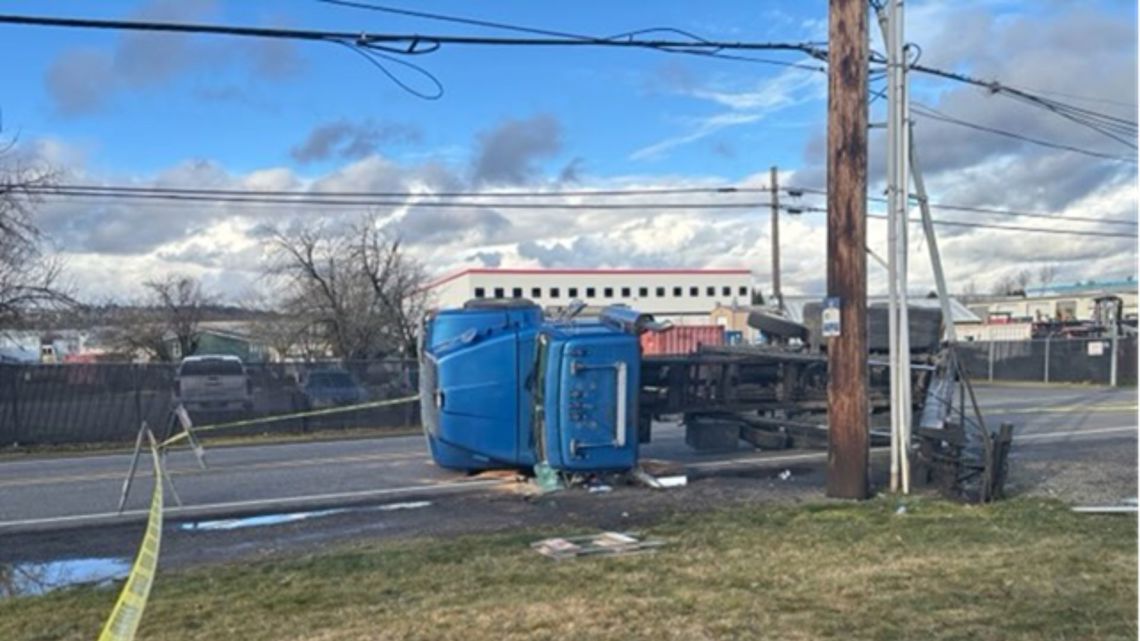
Key Highlights
- Physical and Structural Damage: Crushing, kinks, and cuts may severely compromise the cable’s integrity.
- Electrical and Insulation Issues: Punctures or tears in insulation can expose wires, leading to short circuits or overheating.
- Safety and System Disruption: Damage may result in fire hazards, electrical shock risks, and potential disruptions to connected systems.
Overview of Potential Damage Types
The impact of a heavy truck running over a coiled electrical cable can lead to significant multi-dimensional damage. This event, underpinned by a combination of mechanical force and the inherent properties of coiled cables, can affect both the physical structure and electrical performance of the cable. In this discussion, we will explore each aspect of the damage process in detail.
Physical Damage Considerations
Compression and Structural Deformation
When a truck passes over a coiled electrical cable, the tremendous weight compresses the cable, often leading to physical deformation. The coiled nature of the cable means that its structure is designed to be flexible yet robust. However, the application of such a force can cause:
- Crushing of the Cable: The external layer and the internal conductors may be permanently crushed, rendering the cable less effective or nonfunctional.
- Flattened or Kinked Profile: Instead of maintaining its coiled shape, the cable may develop sharp bends or kinks that can weaken its overall structure.
- Severing of Layers: The outer insulation may crack or tear, exposing inner wires.
Cutting and Abrasion Damage
In addition to compression, the physical act of being run over can result in abrasions or even cuts in the cable. These physical disruptions often occur when a truck’s tires or attachments come into contact with an already compromised wire structure. The noticeable results of such damage include:
- Observable slicing or fraying of the cable's surface.
- Reduction in overall durability, making the cable more likely to fail under subsequent use.
Electrical Damage and Safety Hazards
Insulation Impairment and Consequent Risks
Compromised Insulation Integrity
One of the most critical concerns when a cable runs over by a truck is the potential damage to the insulation layer. The insulation is designed to protect the conductive elements from unwanted contact and environmental influences. When the insulation is damaged due to mechanical pressures:
- Exposure of Live Wires: Torn or punctured insulation may expose the copper or aluminum conductors, greatly increasing the risk of electrical shock.
- Short Circuits: Without proper insulation, the proximity of exposed wires can lead to unintended electrical connections, resulting in short circuits. This can cause electrical arcing, where electricity jumps between conductors, sometimes leading to sparks.
- Electrical Resistance Variations: The damage may increase local resistance, which can lead to heating. Over time, this may result in degradation of cable performance or even failure during operation.
Internal Conductor Damage and System Failures
Physical Disruption of Electrical Continuity
The internal conductors are the vital components that ensure electrical energy flows seamlessly. When these are damaged:
- Breaks or Cracks in the Conductors: The force from a truck can bend or break the metal conductors, impeding electrical continuity.
- Increased Electrical Resistance: When the conductor is deformed, its ability to carry electrical current efficiently can be reduced, leading to a drop in performance and potential overheating issues.
Risk of Electrical Arcing and Subsequent Fires
Once the protective layer has been compromised, there is a significant risk that live electrical components could interact in unsafe ways:
- Electromagnetic Interference: Damage to the cable can also affect its electromagnetic transmission properties, potentially interfering with nearby electronic systems.
- Overheating and Fires: The increase in resistance within the damaged conductor may generate excess heat. Should this heat build up beyond safety thresholds, it might lead to fires, particularly if flammable materials are in proximity.
Comprehensive Impact Table
The table below summarizes the primary damage types, descriptions, and potential consequences, providing a clear overview for quick reference.
| Damage Type | Description | Potential Consequences |
|---|---|---|
| Physical Structural Damage | Compression, crushing, and kinking of cable layers. | Reduced mechanical integrity, exposed wires, and possible cable breakage. |
| Insulation Damage | Punctures, tears, or abrasions compromising the insulation layer. | Exposure of live conductors, short circuits, and increased fire risk. |
| Electrical Conductor Damage | Breaks or severe deformation of the internal wires. | Increased resistance, poor conductivity, and complete electrical failure. |
| Fire Hazard & Electrical Arcing | The damaged cable may overheat leading to excessive heat build-up. | Electrical arcing, sparks, and potential ignition of nearby materials. |
| Electromagnetic Disruption | Structural deformation affecting electromagnetic fields. | Interference with electrical signals and malfunction of connected devices. |
Practical Considerations and Safety Recommendations
Inspection and Prevention Measures
Routine Inspections
It is paramount for industries or individuals using coiled electrical cables to implement regular inspection procedures. Early detection of signs such as dents, cuts, or insulation wear can prevent more serious failures. Inspections should include:
- Visual assessments for physical deformities and abrasions.
- Testing continuity using multimeters to detect increases in resistance.
- Checking for signs of overheating or discoloration as an indicator of thermal stress.
Immediate Response to Damage
Upon discovering potential damage due to a truck run-over or other mechanical impacts, immediate measures should be taken:
- Discontinue use: Cease operations involving the cable to avoid further risks including electrocution or fire hazards.
- Professional Assessment: Engage experts or certified technicians to inspect and determine the feasibility of repair or the requirement for replacement.
- Implement Safety Barriers: If in an operational area prone to heavy vehicle traffic, consider placing physical barriers or indicators to prevent contact between vehicles and cables.
Systemic and Indirect Considerations
Electrical System Integration
If the coiled cable is part of a broader electrical system, its failure may have cascading effects including:
- Triggering of Safety Mechanisms: Circuit breakers, fuses, or relay systems may activate to halt power flow, thus protecting connected devices while also causing temporary system downtime.
- Compromised Component Performance: Suboptimal cable performance might lead to inefficiencies or operational delays in systems that rely on stable power transmission.
Detailed Analysis of Safety Risks
Electrical Shock and Incidental Damages
The exposure of insulated wires within a cable not only jeopardizes the cable’s functionality but also introduces significant safety hazards. Live wires can pose serious risks to personnel and can result in inadvertent electrical shocks. Special precautions include:
- Ensuring that damage is never left unresolved in any operational environment.
- Clear demarcation and isolation of areas where damage has occurred to prevent accidental contact.
- Educating staff on the dangers associated with damaged electrical components.
Prevention of Secondary Damage
Once damage is detected, prompt remediation helps avoid secondary issues, such as:
- Additional mechanical stress from repeated traffic over the same spot, which could exacerbate damage.
- Thermal effects due to increased electrical resistance that may promote local overheating.
- Potential corrosion or environmental degradation accelerated by the exposure of internal conductors.
References
- Running Over Heavy Elec Cord - Garage Journal
- Coiling Electrical Cables and Their Effects - Electronics StackExchange
-
Coiled Power Cords Overheating - Good Sam Community
- Electrical Coiled Cables Anatomy - Santa Fe Supply
- Fallen Power Line Questions - Straight Dope
Recommended Further Explorations

Last updated March 5, 2025