
Hypercalcemia and Hypercalciuria Information
Understanding Calcium Imbalances and Their Impact on Health
Key Highlights
- Definition and Distinctions: Hypercalcemia is an elevated blood calcium level, while hypercalciuria is an excessive excretion of calcium in urine.
- Causes and Symptoms: Both conditions associate with parathyroid abnormalities, vitamin D issues, and other metabolic or dietary factors, yet they manifest differently in the body.
- Diagnosis and Treatment: Assessment involves blood tests for hypercalcemia and 24-hour urine collections for hypercalciuria, with treatments centered on addressing underlying causes and lifestyle modifications.
Overview
Calcium, an essential mineral, plays a significant role in several body functions including muscle contraction, nerve conduction, blood clotting, and bone health. Two major conditions related to calcium metabolism are hypercalcemia and hypercalciuria. Although both involve calcium imbalances, their pathophysiology, clinical manifestations, and treatment strategies are distinct.
Hypercalcemia: Elevated Blood Calcium Levels
Definition
Hypercalcemia is defined as an abnormally high concentration of calcium in the blood. Clinically, total serum calcium levels above 10.4 mg/dL or ionized calcium levels exceeding established thresholds indicate hypercalcemia. The condition can range from mild to severe depending on the degree and duration of calcium elevation.
Symptoms
Early or mild hypercalcemia may be asymptomatic, but as levels increase, individuals can experience a spectrum of symptoms. These include:
- Gastrointestinal issues like constipation, nausea, vomiting, abdominal pain, and loss of appetite.
- Polyuria (frequent urination) and polydipsia (increased thirst), which may lead to dehydration.
- Neurologic manifestations such as fatigue, depression, memory loss, confusion, irritability, and in severe cases, coma.
- Muscle weakness, cramps, and even bone pain due to altered bone metabolism.
Causes
The development of hypercalcemia is often linked with the following factors:
- Primary Hyperparathyroidism: The most common cause, where overactivity of the parathyroid glands leads to increased secretion of parathyroid hormone (PTH). This hormone enhances the release of calcium from bones, increases calcium reabsorption in the kidneys, and promotes calcium absorption in the intestines.
- Cancer: Certain malignancies, particularly those that metastasize to bone or produce parathyroid hormone-related peptide, can trigger hypercalcemia.
- Vitamin D Excess: The over-ingestion of vitamin D supplements or dietary sources intensifies calcium absorption in the gut, thereby elevating serum calcium levels.
- Other Causes: These include conditions like sarcoidosis, bone disorders, familial hypocalciuric hypercalcemia, and medications (e.g., thiazide diuretics and lithium) that affect calcium balance.
Diagnosis
The diagnosis of hypercalcemia involves several laboratory and imaging studies:
- Serum Calcium Measurement: Total and ionized calcium levels are measured, with repeated assessments used to confirm persistent elevation.
- Parathyroid Hormone (PTH) Levels: Assessing PTH helps determine if the cause is primary hyperparathyroidism or another etiology.
- Additional Laboratory Tests: Kidney function, vitamin D levels, and other metabolic panels are evaluated to guide further investigations.
- Imaging Studies: When a parathyroid adenoma is suspected, ultrasound or nuclear imaging (sestamibi scan) may be used for localization.
Treatment
The treatment strategy for hypercalcemia focuses on the underlying cause and the severity of the condition:
- Hydration and Diuretics: Mild cases are often managed by increasing fluid intake and using diuretics such as furosemide to enhance calcium excretion.
- Medications: In moderate to severe cases, bisphosphonates, calcitonin, or glucocorticoids are administered to reduce bone resorption and serum calcium levels.
- Surgical Intervention: When hypercalcemia is secondary to parathyroid adenoma or hyperplasia, parathyroidectomy (surgical removal of the problematic gland) is recommended.
- Cancer-Related Hypercalcemia: Addressing the underlying malignancy with chemotherapy or targeted therapies is critical. Supportive treatments remain similar to those used in other forms.
Hypercalciuria: Excessive Urinary Excretion of Calcium
Definition
Hypercalciuria is characterized by the excretion of abnormally high levels of calcium in the urine. Typically, 24-hour urine calcium collections are used to determine if excretion exceeds standard values. In children, hypercalciuria is often considered when excretion surpasses 4 mg/kg/day, whereas in adults, levels above 300-400 mg/day are concerning.
Symptoms and Complications
Many individuals with hypercalciuria may not experience overt symptoms, however, the condition becomes clinically significant as it predisposes to kidney stone formation and urinary tract issues. The manifestations include:
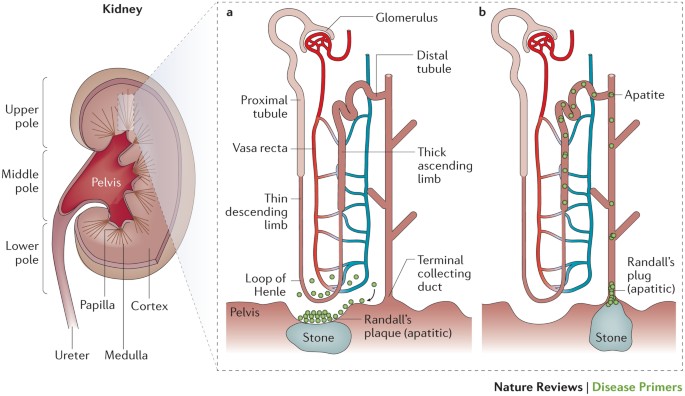
- Kidney Stones: High urinary calcium can lead to the formation of calcium-based kidney stones, which cause severe pain, hematuria (blood in the urine), and possible urinary tract obstruction.
- Abdominal and Back Pain: The presence of stones or high calcium levels can result in discomfort localized to the mid-back or flank regions.
- Urinary Sensations: Increased frequency, urgency, and sometimes painful urination can be observed, particularly if stone formation leads to irritation of the urinary tract.
- Bone Health Impact: Chronic calcium loss may contribute to reduced bone density, although this relationship is complex and often influenced by additional factors such as dietary intake.
Causes
Hypercalciuria may arise from a variety of sources:
- Idiopathic Hypercalciuria: In many individuals, especially children, no clear cause is identified. This idiopathic form has a genetic predisposition and results in naturally high urinary calcium excretion.
- Hyperparathyroidism: Similar to hypercalcemia, one common cause is the overproduction of PTH, which increases both serum calcium and urinary calcium excretion.
- Dietary Influences: High sodium intake, excessive consumption of animal protein, and vitamin D oversupplementation can elevate urinary calcium levels.
- Medications: Certain drugs, including loop diuretics like furosemide, can raise urinary calcium excretion while others (such as thiazide diuretics) are employed to reduce it.
- Other Metabolic Disorders: Conditions such as sarcoidosis and other granulomatous diseases can also contribute to abnormal calcium metabolism resulting in hypercalciuria.
Diagnosis
Accurate diagnosis of hypercalciuria requires:
- 24-Hour Urine Collection: This is the gold standard test to measure the total urinary calcium excretion over a full day. Elevated results, generally defined as greater than 300-400 mg per day in adults or >4 mg/kg/day in children, confirm the diagnosis.
- Blood Tests: Although serum calcium levels may be normal in hypercalciuria, evaluations are recommended to rule out systemic causes like hyperparathyroidism.
- Additional Evaluations: A thorough medical history that examines dietary habits, family history, and medication usage is also crucial in identifying potential triggers.
Treatment
Management of hypercalciuria is aimed primarily at reducing the risk of kidney stones and minimizing calcium losses:
- Dietary Modifications: Increasing fluid intake is essential for diluting urinary solutes. Reducing consumption of sodium and animal proteins can also decrease calcium excretion.
- Medications: Thiazide diuretics are often prescribed as they decrease urinary calcium loss. Potassium citrate may be used to neutralize urine acidity and prevent stone formation.
- Nutritional Counseling: Proper calcium intake from dietary sources is encouraged, as excessive restriction might lead to bone demineralization. A balance between adequate calcium consumption and prevention of excessive urinary calcium is key.
- Regular Monitoring: Follow-up evaluations, including periodic 24-hour urine tests, help monitor treatment efficacy and adjust management strategies accordingly.
Comparative Analysis: Hypercalcemia vs. Hypercalciuria
Understanding the differences and relationships between hypercalcemia and hypercalciuria is essential for effective diagnosis and treatment. While both conditions involve abnormalities in calcium metabolism, they pertain to different compartments of the body—serum versus urine—and have distinct clinical implications.
| Aspect | Hypercalcemia | Hypercalciuria |
|---|---|---|
| Definition | Elevated levels of calcium in the blood. | Excessive excretion of calcium in the urine. |
| Primary Causes | Primary hyperparathyroidism, cancers, vitamin D toxicity, other systemic disorders. | Idiopathic conditions, hyperparathyroidism, high sodium/protein diets, certain medications. |
| Common Symptoms | Fatigue, gastrointestinal upset, polyuria, confusion, muscle weakness, possible kidney stones. | Often asymptomatic; when symptomatic, primarily kidney stone formation, flank pain, hematuria. |
| Diagnostic Evaluation | Serum calcium tests, PTH measurement, vitamin D levels, imaging studies if necessary. | 24-hour urine calcium test, dietary and medication review, serum calcium tests to rule out systemic causes. |
| Treatment Focus | Correcting underlying cause, hydration, medications to reduce bone resorption, surgical intervention for parathyroid issues. | Dietary modifications, increased fluid intake, thiazide diuretics, potassium citrate, and regular monitoring. |
In-Depth Perspectives and Management Considerations
Both hypercalcemia and hypercalciuria are conditions that require careful and targeted management due to their potential to cause serious complications if left untreated. Here are additional detailed insights into each condition:
Medical Evaluation and Differential Diagnosis
Identifying Underlying Conditions
A comprehensive evaluation is important to rule out congenital, neoplastic, or metabolic causes that lead to abnormal calcium levels. For hypercalcemia, the workup generally includes looking at parathyroid hormone levels, as a subtle elevation in PTH can be pivotal in differentiating primary hyperparathyroidism from other causes such as vitamin D excess. In hypercalciuria, detailed patient history regarding dietary habits, family history, and medication use offers clues as elevated urinary calcium can be an isolated metabolic phenomenon or part of a systemic disorder.
Interrelation and Overlap
It is important to note that while the two conditions are distinct, they can sometimes overlap. Primary hyperparathyroidism, for example, may initially manifest as hypercalcemia. As the condition progresses, over time the increased calcium in the blood may subsequently lead to hypercalciuria. This interplay between serum and urinary calcium is significant in understanding the progression of the disease and tailoring treatment plans.
Moreover, individuals with hypercalciuria may occasionally exhibit borderline hypercalcemia, especially when contributing factors like vitamin D supplementation or high dietary intake of calcium are present. A careful evaluation of both serum and urinary indices is therefore essential to guide effective management.
Dietary and Lifestyle Modifications
Nutritional Adjustments
One of the first-line management strategies for both conditions involves dietary modifications. For hypercalciuria, reducing sodium intake is particularly important because sodium and calcium share similar resorption mechanisms in the kidneys. A high-sodium diet can lead to increased urinary calcium excretion, thereby heightening the risk of kidney stones. Patients are advised to:
- Consume plenty of fluids to ensure adequate urine dilution.
- Limit processed foods and salt-rich snacks.
- Maintain a balanced intake of calcium; both excessive calcium supplementation and severe restriction should be avoided.
Physical Activity and Overall Health
Regular physical activity contributes to overall bone health and helps in maintaining a balanced metabolism. However, prolonged immobilization, especially following surgery or injury, may exacerbate hypercalcemia by promoting increased bone resorption. Healthcare providers typically advise moderate exercise to preserve musculoskeletal strength and ensure that calcium metabolism remains balanced.
Pharmacological Management
Medications for Hypercalcemia
In cases of marked hypercalcemia, or when the underlying cause is associated with significant health risks such as malignancy, several medications may be used:
- Bisphosphonates: These agents are used to inhibit osteoclast-mediated bone resorption, thereby lowering serum calcium levels.
- Calcitonin: This hormone can help rapidly reduce blood calcium levels through its inhibitory effects on bone resorption.
- Glucocorticoids: In some conditions, particularly those related to vitamin D toxicity or granulomatous diseases, steroids may be indicated.
Medications for Hypercalciuria
In addressing hypercalciuria, certain diuretics play an essential role:
- Thiazide Diuretics: They reduce urinary calcium excretion by increasing calcium reabsorption in the distal tubules of the kidney.
- Potassium Citrate: Used primarily to prevent stone formation by alkalinizing the urine and binding with urinary calcium, thereby reducing its crystallization spectrum.
Long-Term Management and Follow-Up
Both conditions require long-term follow-up and monitoring. For patients with hypercalcemia, periodic checks on serum calcium and PTH levels help ensure that any recurrence or escalation in levels is promptly addressed. Meanwhile, individuals with hypercalciuria benefit from regular 24-hour urine collections to monitor treatment effectiveness and adjust dietary measures or medications as needed.
Follow-up visits often include additional evaluations such as kidney function tests, bone density scans (particularly if there is a suspicion of osteopenia or osteoporosis), and dietary assessments. This comprehensive approach aids in mitigating risks such as kidney stone formation, bone mineral density loss, and other complications.
Conclusion
Both hypercalcemia and hypercalciuria represent significant disruptions in calcium homeostasis, albeit manifesting in different compartments of the body. Hypercalcemia, characterized by elevated blood calcium levels, typically arises from overactive parathyroid glands, malignancies, or vitamin D excess, and may present with a range of gastrointestinal, renal, and neuropsychiatric symptoms. Its diagnosis hinges on serum calcium measurements and correlating hormone levels, while its management varies from hydration and medical therapies to surgical interventions.
In contrast, hypercalciuria refers to the excessive excretion of calcium in the urine and is chiefly a concern due to its predisposition to kidney stone formation. Its diagnosis depends on 24-hour urine collections, and treatment primarily involves dietary modifications, increased fluid intake, and the use of diuretics to reduce urinary calcium loss. Although these conditions are distinct, they can co-occur—particularly in cases of primary hyperparathyroidism—emphasizing the importance of a comprehensive diagnostic approach.
Ultimately, effective management of these conditions requires a careful assessment of underlying causes, tailored treatment strategies, and ongoing monitoring to prevent complications. If you or a loved one experiences symptoms consistent with abnormal calcium regulation, it is essential to seek professional medical advice for a personalized evaluation and treatment plan.
References
- Hypercalcemia - Merck Manuals
- Hypercalcemia - Penn Medicine
- Hypercalcemia - Healthline
-
Hypercalcemia - Cleveland Clinic
- Hypercalcemia - Mayo Clinic
- Hypercalciuria Overview - Medscape
- Hypercalciuria - NCBI Bookshelf
Recommended Related Queries
Last updated February 23, 2025