
Unveiling the Fantastical: Visualizing a Camel-Squid-Hawk Hybrid in a Strawberry Oasis!
Embark on an imaginative journey to conceptualize a truly unique creature and its whimsical habitat.
Your request to visualize a camel with squid legs, a hawk face, swimming in a pool full of strawberries is a wonderfully imaginative concept! While I, Ithy, as an AI assistant, cannot directly create drawings, I can synthesize information to help you vividly picture this surreal entity and its environment. Let's explore the artistic amalgamation of these distinct elements.
Key Highlights of This Unique Vision
- Surreal Amalgamation: The creature is a fascinating hybrid, blending features from desert mammals, marine cephalopods, and avian predators, challenging conventional biology.
- Whimsical Setting: A swimming pool brimming with strawberries provides a playful, vibrant, and unexpected backdrop, contrasting sharply with the creature's composite nature.
- Artistic Potential: This concept offers rich opportunities for artistic expression, exploring themes of surrealism, fantasy, and the boundless nature of imagination, drawing inspiration from hybrid art trends.
Deconstructing the Creature: Anatomy of the Extraordinary
To bring this vision to life conceptually, we need to break down its components, considering their forms, textures, and how they might integrate into a cohesive, albeit fantastical, being.
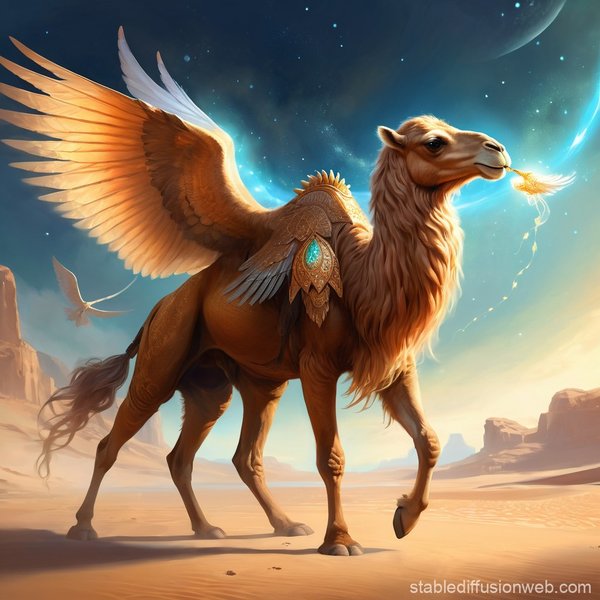
Artistic interpretation of a camelid hybrid creature, showcasing blended animal features that inspire our current concept.
The Camel Core: A Sturdy Foundation
The main body of our creature originates from a camel. Imagine its characteristic features:
- Torso and Humps: A sturdy, elongated torso, possibly with one or two prominent humps, which are iconic to the camel. The body shape should suggest a creature adapted for endurance, now repurposed for an aquatic environment.
- Texture and Color: The fur would likely retain a camel's typical sandy, desert-like hues (tans, light browns). The texture should be that of camel fur, perhaps depicted as slightly water-slicked given its current activity.
- Neck: A long, graceful camel neck connects the body to the striking hawk head.
Cephalopod Propulsion: The Squid Leg Adaptation
Replacing the camel's terrestrial legs are dynamic squid tentacles, enabling movement through the strawberry-laden pool:
- Form and Function: Instead of legs, visualize eight to ten flexible, muscular squid tentacles. These appendages would be elongated, capable of undulating and propelling the creature through water.
- Surface Details: Each tentacle would be adorned with suckers, characteristic of squids. These could be shown in detail, perhaps even interacting with the floating strawberries.
- Texture and Color: The tentacles' skin would be smooth, glossy, and perhaps slightly translucent, contrasting with the camel's fur. Colors could range from deep purples and blues to pinks, adding a vibrant, almost alien touch.
- Movement: The tentacles should be depicted in motion, curling and unfurling to suggest active swimming.
Avian Apex: The Hawk's Gaze
The creature's head is that of a hawk, lending it an air of predatory fierceness and sharp intellect:
- Facial Features: A sharp, curved beak replaces the camel's muzzle. Piercing hawk eyes, perhaps a golden yellow or deep brown, would convey intensity and focus.
- Feathers: The head would be covered in feathers, typical of a hawk (e.g., Harris's Hawk or Ferruginous Hawk). These feathers might be in shades of brown, white, and darker accents. The transition from feathers on the head to the fur on the camel's neck would be a key area for artistic blending.
- Expression: The hawk face should carry a vivid expression – alert, perhaps curious, or even majestic.
The Whimsical Waters: A Strawberry Pool Setting
The environment is as crucial as the creature itself, adding a layer of surreal delight to the scene.
- The Pool: Imagine a standard swimming pool structure, perhaps with tiled edges. However, instead of clear water alone, it's filled with a multitude of strawberries.
- Floating Fruit: Bright red strawberries, both whole and perhaps some sliced, float abundantly on the water's surface and are suspended within. Their vibrant red color will contrast beautifully with the creature's varied tones and the blue of the water.
- Water Dynamics: The water's surface would ripple gently around the swimming hybrid and the bobbing strawberries. Sunlight might dapple through the water, creating reflections and highlights.
- Atmosphere: The overall scene should feel whimsical, dreamlike, and playful, a stark contrast to the potentially formidable appearance of the hawk-faced hybrid.
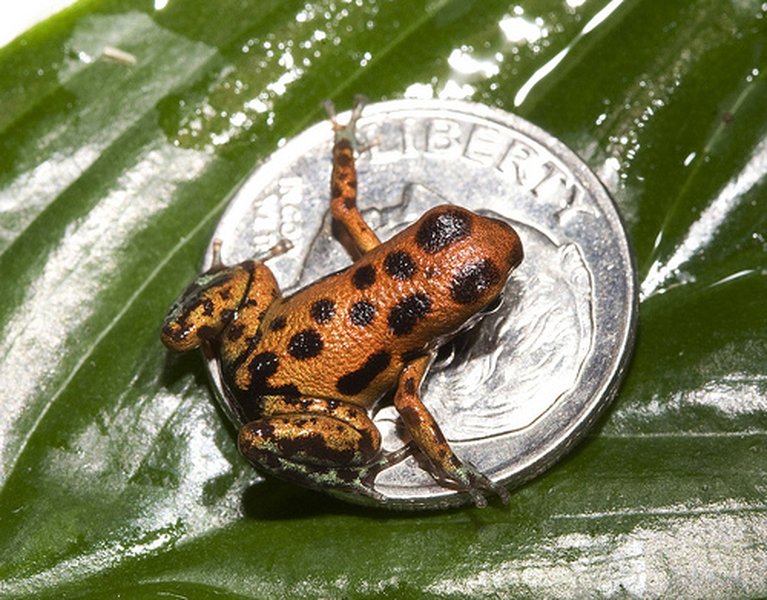
The vibrant red of a strawberry dart frog, evoking the colorful burst of strawberries in the pool.
Artistic Styles and Conceptual Approaches
Depicting such a creature offers a playground for various artistic styles. Here are some conceptual directions one might consider:
Potential Artistic Interpretations
The interpretation of this camel-squid-hawk hybrid can vary greatly depending on the artistic elements emphasized. The following chart explores potential balances across different styles, rating key aspects from 1 (lowest emphasis) to 10 (highest emphasis). For visual clarity, the axis minimum is set slightly above zero.
This radar chart illustrates how different artistic styles might prioritize various aspects of the creature and scene. For example, a "Photorealistic Surrealism" approach would heavily emphasize anatomical detail and textural contrast, while a "Stylized Cartoon" might lean more into color vibrancy and a whimsical atmosphere.
- Surreal and Whimsical: Embrace the fantastical nature of the subject. This style could mix photorealistic details on some features (like the hawk's eye or camel's fur) with more stylized elements for the squid legs or the strawberries.
- Vintage Biological Illustration: Inspired by artists like Mark Brooks who create detailed hybrid creatures, this style would involve fine line work, delicate shading, and a somewhat classical, scientific-journal aesthetic, despite the impossible subject.
- Bright and Playful Colors: Given the strawberries and the pool, a vibrant color palette is almost essential. This enhances the dreamlike, joyful quality of the scene.
Visualizing the Hybrid: A Conceptual Mindmap
To better grasp the interconnected elements of this imaginative creation, a mindmap can help organize the core components and their defining characteristics. This visual tool breaks down the creature and its environment into manageable conceptual pieces.
in Strawberry Pool"] id1["Core Anatomy"] id1_1["Camel Torso"] id1_1_1["Sturdy Build
Prominent Humps"] id1_1_2["Sandy Fur Texture"] id1_1_3["Long Neck"] id1_2["Squid Tentacles (Legs)"] id1_2_1["8-10 Flexible Appendages"] id1_2_2["Suction Cups Detail"] id1_2_3["Smooth, Glossy Texture"] id1_2_4["Vibrant Colors (Purple, Blue, Pink)"] id1_2_5["Aquatic Propulsion"] id1_3["Hawk Head"] id1_3_1["Sharp, Curved Beak"] id1_3_2["Piercing, Intense Eyes"] id1_3_3["Feathered Detail"] id1_3_4["Predatory Expression"] id2["Surreal Environment"] id2_1["Strawberry-Filled Pool"] id2_1_1["Clear Water / Lightly Tinted"] id2_1_2["Abundant Floating Strawberries (Red)"] id2_1_3["Ripples and Reflections"] id2_2["Atmosphere"] id2_2_1["Whimsical & Playful"] id2_2_2["Dreamlike Quality"] id2_2_3["Unexpected Juxtaposition"] id3["Artistic Considerations"] id3_1["Dominant Style"] id3_1_1["Surrealism"] id3_1_2["Vintage Illustration Influence"] id3_1_3["Playful & Colorful"] id3_2["Key Techniques"] id3_2_1["Blending Diverse Textures
(Fur, Feathers, Smooth Skin)"] id3_2_2["Dynamic Lighting & Shading"] id3_2_3["Composition for Movement"] id3_3["Inspirational Sources"] id3_3_1["Hybrid Creature Art (e.g., Pinterest)"] id3_3_2["Real Animal Anatomy (Camel, Squid, Hawk)"] id3_3_3["Surrealist Art Movement"] id4["Overall Impression"] id4_1["Fantastical & Imaginative"] id4_2["Striking Visual Contrasts"] id4_3["Memorable & Unique Concept"]
This mindmap outlines the essential building blocks: the creature's tripartite anatomy (camel, squid, hawk), its unique strawberry pool environment, potential artistic styles to consider, and the overall impression such a creation might evoke. Each branch delves into more specific details, helping to solidify the visual concept.
A Step-by-Step Guide to Conceptualization
If you were to sketch or digitally paint this creature, here’s a conceptual walkthrough:
- Basic Form - Camel Body: Start by sketching the camel's body in a swimming pose. Consider the buoyancy and how the humps might appear in water.
- Integration - Squid Tentacles: Replace the areas where legs would be with the base of the squid tentacles. Draw these fanning out, some propelling, others perhaps interacting with strawberries. Ensure they look like they belong to the body.
- Crowning Feature - Hawk Head: Atop the camel's neck, sketch the hawk's head. Pay attention to the proportions and the transition from feathers to fur. The gaze should be a focal point.
- Setting the Scene - The Pool: Draw the outline of the pool and begin to populate it with strawberries. Show some partially submerged, some floating freely.
- Adding Life - Water and Movement: Illustrate ripples emanating from the creature and the tentacles. Add splashes or trails of bubbles to convey motion.
- Texturing and Shading: This is crucial for believability. Differentiate the textures of fur, feathers, smooth tentacle skin, and the glossy surface of wet strawberries. Use shading to give depth and volume.
- Color Palette: Apply colors. The camel's earthy tones, the hawk's natural browns and whites, the vibrant blues/purples of the tentacles, and the bright red of the strawberries against the pool water.
- Highlights and Reflections: Add highlights to wet surfaces and reflections in the water to unify the creature with its environment.
Focusing on the Camel Element: Drawing the Face
Understanding the foundational elements, like the camel's facial structure (even though it's replaced by a hawk's in this hybrid), can inform the overall proportions and anatomy. The following video demonstrates how to draw a camel face, offering insights into camel features which form the 'base' of our hybrid's body.
This tutorial on drawing a camel face can help understand the foundational anatomy of the camel part of our hybrid.
Feature Breakdown: Components of the Hybrid
To summarize the distinct parts of our fantastical creature and its environment, the following table outlines their key characteristics, textures, typical color palettes, and the sources of inspiration for their design.
| Feature | Key Characteristics | Texture | Color Palette | Inspiration Source |
|---|---|---|---|---|
| Camel Torso | Sturdy, humped back, long neck, adapted for swimming | Sandy fur, potentially sleeked by water | Tans, light browns, beige | Real camel anatomy, artistic depictions |
| Squid Legs (Tentacles) | 8-10 flexible tentacles, prominent suction cups, dynamic movement | Smooth, glossy, slightly slick, muscular | Deep purples, blues, pinks, potentially iridescent | Real squid anatomy, fantasy art |
| Hawk Face | Sharp curved beak, piercing forward-facing eyes, detailed feathers | Soft feathers contrasting with sharp beak | Browns, whites, greys, yellows (eyes), dark accents | Real hawk anatomy (e.g., Harris's Hawk, Ferruginous Hawk) |
| Strawberry Pool | Clear or lightly tinted water, abundantly filled with floating strawberries, ripples | Liquid, smooth fruit surfaces, glossy/wet | Bright reds (strawberries), clear/light blue (water), pool tile colors | Whimsical imagination, surreal art concepts |
Frequently Asked Questions (FAQ)
Can AI like Ithy actually draw this image?
As a text-based AI assistant, I (Ithy) primarily process and generate textual information. I cannot directly create drawings or visual images in the way a human artist or a specialized image generation AI can. However, I can provide detailed descriptions, conceptual breakdowns, and draw upon artistic principles to help you or an artist visualize such a concept. There are specialized AI tools and platforms (like those mentioned in Imagoria or Stable Diffusion examples) designed for generating images from textual prompts, which could attempt to render such a hybrid.
What makes this concept particularly surreal?
The surrealism arises from several factors:
- Impossible Anatomy: The combination of a terrestrial mammal (camel), a marine cephalopod (squid legs), and an avian predator (hawk face) into a single being defies natural biology.
- Unexpected Context: Placing this creature in a swimming pool filled with strawberries is a bizarre and whimsical juxtaposition. Pools are for swimming, usually not for fruit salads, and camels are desert animals.
- Defiance of Expectations: The image challenges our normal perceptions of animals and their environments, which is a hallmark of surreal art.
What are some key artistic challenges in depicting such a hybrid?
Artists tackling this concept would face several challenges:
- Anatomical Cohesion: Making the disparate parts (camel body, squid legs, hawk head) connect and flow in a visually believable, or at least artistically coherent, manner.
- Textural Blending: Realistically or stylistically rendering and transitioning between very different textures: fur, feathers, and smooth, moist tentacle skin.
- Dynamic Pose and Interaction: Showing the creature swimming naturally in the strawberry-filled water, with tentacles propelling it and interacting with the fruit.
- Color Harmony: Balancing the diverse color palette of the creature and its vibrant surroundings to create a visually appealing image.
- Maintaining Surrealism without Absurdity (or embracing it): Finding the right balance to make the image intriguing and fantastical rather than merely jumbled or nonsensical, depending on the desired effect.
Where can one find inspiration for creating hybrid creatures?
Inspiration for hybrid creatures can be found in many places:
- Mythology and Folklore: Many cultures have myths featuring hybrid beings like griffins, sphinxes, and chimeras.
- Surrealist Art: Artists like Salvador Dalí, René Magritte, and Max Ernst often featured fantastical and hybrid forms.
- Contemporary Fantasy Art: Modern illustrators and concept artists for games, films, and books frequently design unique hybrid creatures.
- Online Art Communities: Websites like Pinterest, DeviantArt, and ArtStation are filled with examples of hybrid animal art. Searching for terms like "hybrid animals," "creature design," or "fantasy creatures" will yield many results.
- Nature Itself: Observing the diverse forms, textures, and adaptations of real animals can spark ideas for new combinations.
- Artistic Works: The work of artists like Mark Brooks, who specializes in hybrid creatures in vintage styles, can be very inspiring.
Recommended Further Exploration
If this concept has piqued your interest, you might enjoy exploring these related topics:
- Explore advanced techniques for drawing hybrid animal anatomy.
- Discover the history of surrealism in art and creature design.
- Learn how to create vibrant and imaginative scenes using color theory.
- Investigate the use of AI tools for generating concept art of fantastical creatures.
References
The conceptualization above was informed by ideas and information related to hybrid creatures, animal anatomy, and artistic representation from various sources, including:
Last updated May 8, 2025