
Candida Infections: Understanding an Opportunistic Pathogen
Comprehensive Insights into Candida's Role, Challenges, and Impact in Healthcare
Key Takeaways
- Candida species distribution is shifting globally, increasing the complexity of treatment.
- Antifungal resistance among Candida strains poses significant challenges to effective therapy.
- The rising burden of Candida infections in clinical settings emphasizes the need for robust infection control measures.
Candida as an Opportunistic Pathogen
Candida, particularly Candida albicans, is a prevalent opportunistic fungal pathogen within the human microbiome. While it commonly resides harmlessly in areas such as the gastrointestinal tract and the oral cavity, it can become pathogenic under certain conditions, especially in immunocompromised individuals. This transition from a commensal organism to a pathogen is facilitated by several virulence factors and environmental triggers.
Morphological Characteristics
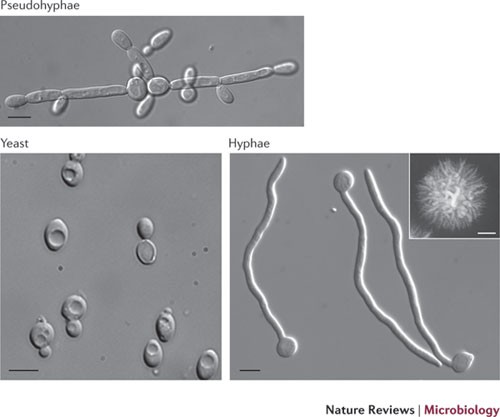
Candida exhibits remarkable morphological plasticity, primarily existing in two forms:
Yeast Form
In its yeast form, Candida cells are typically oval or round and reproduce by budding. This form is associated with colonization and commensalism within the host.
Hyphal Form
Under stressful conditions or in immunocompromised hosts, Candida can transition to a hyphal form. These filamentous structures enable tissue invasion, evasion of the host immune response, and biofilm formation, thereby enhancing pathogenicity.
Virulence Factors
Candida's ability to cause infection is attributed to several key virulence factors:
- Morphological Transition: The switch between yeast and hyphal forms facilitates tissue invasion and immune evasion.
- Adhesion Molecules: Proteins like Hwp1 aid in the adhesion of Candida to host cells, initiating infection.
- Biofilm Formation: Biofilms provide a protective environment against antifungal agents and the host immune system, promoting persistent infections.
- Secreted Enzymes: Enzymes such as proteases and lipases degrade host tissues and immune components, aiding in infection progression.
Importance of Studying Species Distribution and Antifungal Resistance
Understanding the distribution of different Candida species and their antifungal resistance patterns is crucial for several reasons, ranging from clinical treatment strategies to public health interventions.
Global Species Distribution
The epidemiology of Candida infections has undergone significant changes in recent years, with shifts in the prevalence of various species:
| Species | Prevalence (%) | Common Infections | Antifungal Resistance |
|---|---|---|---|
| Candida albicans | 50-65% | Oral thrush, vaginal yeast infections, systemic candidiasis | Low resistance to azoles; emerging echinocandin resistance |
| Candida glabrata | 12-30% | Bloodstream infections, urinary tract infections | Higher resistance to azoles; moderate echinocandin resistance |
| Candida parapsilosis | 10-27% | Catheter-related infections, bloodstream infections | Variable resistance; concerns with biofilm-associated resistance |
| Candida tropicalis | 18.7% | Invasive candidiasis, especially in neutropenic patients | Rising azole resistance |
| Candida auris | Emerging | Hospital-acquired infections, high mortality bloodstream infections | High resistance to multiple antifungals |
Antifungal Resistance Trends
The emergence of antifungal resistance among Candida species is a growing concern that complicates treatment protocols and infection management:
- Azole Resistance: Azole antifungals, such as fluconazole, are commonly used to treat Candida infections. However, resistance has been increasing, particularly in non-albicans species like C. glabrata and C. tropicalis. Factors contributing to resistance include prolonged antifungal use and genetic mutations in target enzymes.
- Echinocandin Resistance: Echinocandins are a newer class of antifungals targeting fungal cell wall synthesis. While initially effective, resistance is emerging, especially in C. auris, limiting treatment options.
- Multidrug Resistance: Certain species, notably C. auris, exhibit resistance to multiple antifungal classes, making infections challenging to treat and control in healthcare settings.
Clinical and Public Health Implications
The study of species distribution and antifungal resistance has profound implications for clinical practice and public health:
- Tailored Treatment Strategies: Knowledge of prevalent species and their resistance profiles enables clinicians to select the most effective antifungal agents, improving patient outcomes.
- Infection Control Measures: Understanding species distribution assists in implementing targeted infection control protocols within healthcare settings, mitigating the spread of resistant strains.
- Antifungal Stewardship: Monitoring resistance patterns informs antifungal stewardship programs designed to optimize antifungal use, minimize resistance development, and preserve the efficacy of existing drugs.
- Research and Development: Insights into resistance mechanisms drive the development of novel antifungal therapies and diagnostic tools, addressing gaps in current treatment options.
- Epidemiological Surveillance: Continuous surveillance of species distribution and resistance trends is essential for early detection of emerging threats and timely public health responses.
Increasing Burden of Candida Infections in Clinical Settings
The prevalence of Candida infections within healthcare environments has been on an upward trajectory, influenced by various demographic, clinical, and microbiological factors.
Demographic and Clinical Factors
Several factors contribute to the increasing burden of Candida infections in clinical settings:
- Immunocompromised Population: Advances in medical treatments, such as chemotherapy, organ transplantation, and HIV/AIDS management, have expanded the population of individuals with weakened immune systems, making them more susceptible to opportunistic infections like candidiasis.
- Invasive Medical Procedures: The use of invasive devices, such as central venous catheters, ventilators, and urinary catheters, provides entry points for Candida species, increasing the risk of bloodstream and device-related infections.
- Prolonged Antibiotic Use: Extensive use of broad-spectrum antibiotics can disrupt normal microbial flora, reducing competition and allowing Candida to overgrow and cause infections.
- Aging Population: The global increase in the elderly population, who often have comorbidities and reduced immune function, contributes to higher rates of Candida infections.
- Healthcare-Associated Infections: Candida is a common cause of healthcare-associated infections (HAIs), particularly in intensive care units where patients undergo multiple invasive procedures and are exposed to antimicrobial agents.
Microbiological and Resistance Factors
The microbiological landscape of Candida infections is evolving, with several trends exacerbating the burden:
- Emergence of Non-albicans Species: There is a notable shift from infections predominantly caused by C. albicans to those caused by non-albicans species like C. glabrata, C. parapsilosis, and C. auris. These species often exhibit higher resistance to standard antifungal treatments, complicating management.
- Biofilm-Associated Infections: Candida biofilms, especially on medical devices, are highly resistant to antifungal agents and immune responses, leading to persistent and recurrent infections.
- Drug Resistance: The rise in antifungal resistance, particularly to azoles and echinocandins, limits therapeutic options and increases the risk of treatment failure.
- Rapid Diagnostic Challenges: Delays in accurate and timely diagnosis of Candida infections can lead to inappropriate or delayed treatment, worsening patient outcomes and contributing to the spread of resistant strains.
Economic and Healthcare System Impacts
The increasing burden of Candida infections has significant repercussions beyond clinical outcomes, affecting healthcare systems and economies:
- Extended Hospital Stays: Invasive Candida infections often necessitate prolonged hospitalization, increasing occupancy rates and strain on healthcare resources.
- Increased Healthcare Costs: The need for advanced diagnostic tools, targeted antifungal therapies, and intensive care support escalates the financial burden on healthcare facilities and patients.
- Resource Allocation: Managing resistant Candida infections requires allocation of specialized resources, including isolation protocols and infection control personnel, diverting attention from other critical areas.
- Mortality and Morbidity: High mortality rates associated with invasive candidiasis, particularly in bloodstream infections, underscore the urgency of effective prevention and treatment strategies.
Strategies to Mitigate the Burden
Addressing the rising burden of Candida infections necessitates a multifaceted approach encompassing prevention, diagnosis, treatment, and research:
-
Enhanced Infection Control Practices: Implementing stringent hygiene protocols, proper sterilization of medical devices, and isolation of infected patients can reduce the transmission of Candida species within healthcare settings.
-
Antifungal Stewardship Programs: Optimizing the use of antifungal agents through stewardship programs can minimize the development of resistance and preserve the efficacy of existing treatments.
-
Advancements in Diagnostic Technologies: Investing in rapid and accurate diagnostic methods, such as molecular assays and biomarkers, can facilitate timely identification and appropriate treatment of Candida infections.
-
Research and Development: Encouraging the development of new antifungal agents and alternative therapies is crucial to combat emerging resistant strains and address gaps in current treatment options.
-
Public Health Surveillance: Continuous monitoring of Candida species distribution and resistance trends can inform policy-making, resource allocation, and targeted intervention strategies to curb the spread of infections.
Conclusion
The persistent evolution of Candida as a formidable opportunistic pathogen underscores the critical need for comprehensive strategies addressing species distribution, antifungal resistance, and the expanding burden of infections in clinical environments. By fostering robust infection control measures, advancing diagnostic and therapeutic modalities, and promoting informed antifungal stewardship, the healthcare community can mitigate the impact of Candida infections and improve patient outcomes. Continued surveillance and research are paramount in staying ahead of resistant strains and adapting to the dynamic epidemiological landscape of Candida-related diseases.
References
Last updated February 13, 2025