
Literature Review on Candidate Profiles
Exploring the Role, Components, and Impact of Candidate Profiles
Key Highlights
- Definition and Purpose: Candidate profiles serve as a detailed blueprint that represents ideal job applicants or political aspirants, outlining qualifications, skills, experiences, and personal attributes.
- Components and Construction: Critical elements include work history, formal education, skill sets, personal characteristics, and even social media presence, all contributing to an objective evaluation process.
- Practical Implications: The use of candidate profiles enhances recruitment decisions, reduces biases, and informs campaign strategies by aligning the candidate’s attributes with organizational or voter expectations.
Introduction
The concept of candidate profiles is garnering substantial attention in both academic literature and practical applications within recruitment and political campaigning. This literature review explores the existing research on candidate profiles, examining their definition, structure, utility, and the challenges associated with their formulation and implementation. The review spans two major contexts: employment/hiring and political candidacy, providing a comprehensive analysis of how these profiles are leveraged to attract the right talent or political support.
Definition and Purpose
A candidate profile is commonly understood as a comprehensive representation of an individual’s qualifications, skills, and personal attributes that are relevant to a specific role or position. This profile functions as both a descriptive and predictive tool:
Employment Context
In recruitment, a candidate profile goes beyond a mere resume or curriculum vitae by not only listing achievements and experiences but also by capturing intangible qualities and cultural fit. The primary objectives include:
- Identifying key qualifications and experiences that align with the job description.
- Establishing a benchmark for comparing multiple applicants.
- Reducing unconscious bias by emphasizing standardized criteria.
- Enhancing the efficiency of the recruitment process through streamlined screening practices.
Political Context
For political candidates, profiles extend to encapsulate personal characteristics along with policy platforms and track records that are critical for appealing to voter demographics. The purpose here is to:
- Communicate the candidate’s qualifications and leadership potential.
- Highlight key personal attributes that resonate with voters, such as educational background, personal integrity, and professional accomplishments.
- Offer insights into the candidate's vision and policy priorities.
Components of a Candidate Profile
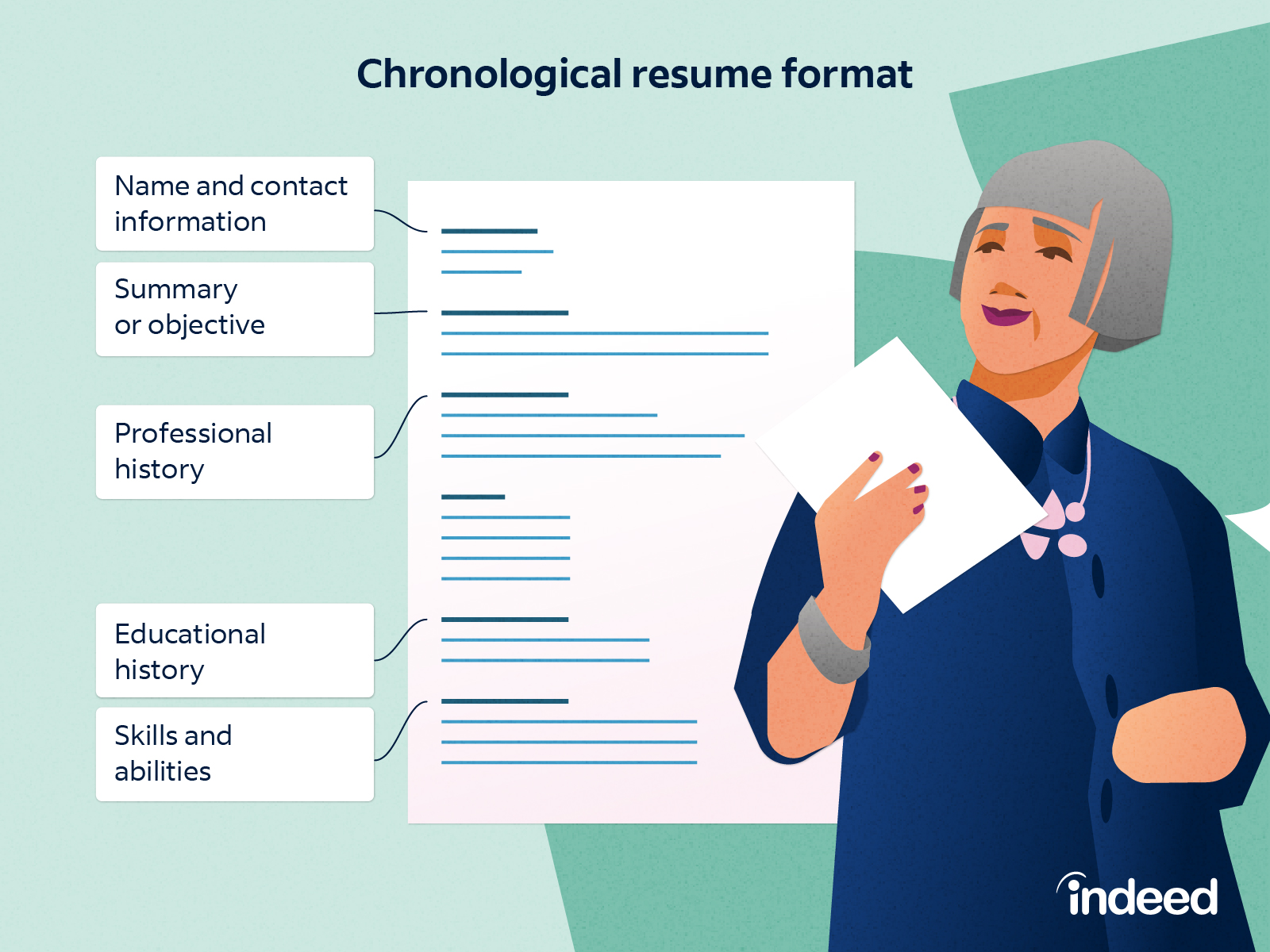
The literature consistently identifies several fundamental elements involved in constructing an effective candidate profile. These components are integral to creating a well-rounded image that supports informed decision-making.
Professional Experience and Work History
Details such as current and past employment, roles held, key responsibilities, and significant achievements form the backbone of any candidate profile. In recruitment, studies have shown that recruiters devote only a few seconds to reviewing resumes, emphasizing the importance of immediately accessible, clear, and concise information.
Educational Background and Certifications
Formal education, professional certifications, and specialized training are critical markers of expertise. A well-constructed candidate profile includes not only degrees acquired but also relevant ongoing education or professional development initiatives that indicate a commitment to growth and learning.
Skills and Competencies
Both technical and soft skills are highlighted in candidate profiles. While technical competencies are often quantifiable through certifications or documented experiences, soft skills such as communication, leadership, and teamwork reflect the candidate’s ability to integrate with an organizational culture or connect with voters in a political campaign.
Personal Attributes and Behavioral Aspects
The personal qualities of a candidate, including traits like reliability, adaptability, and interpersonal skills, are increasingly scrutinized in both hiring and political arenas. For recruiters, a clear, well-documented candidate profile reduces the risk of bias and enhances objective assessments. For political figures, characteristics such as charisma, integrity, and empathy are instrumental in resonating with the electorate.
Social Media and Online Presence
In today’s digital era, the online presence of a candidate forms a substantial part of their profile, particularly in recruitment. Recruiters use social media platforms to verify the integrity of the information provided in resumes. Similarly, for political candidates, a robust and carefully managed online presence can bolster voter perceptions and trust. However, the digital realm also introduces challenges, including potential exposure to inappropriate content that could adversely affect the candidate’s image.
Additional Elements
Other facets may include:
- Portfolio of work or projects that demonstrate the candidate’s capabilities.
- Participation in professional organizations or community service activities.
- Published works or media mentions that help establish credibility.
- Personal vision and aspirations that align with organizational or political goals.
Developing and Utilizing Candidate Profiles
The process of developing an effective candidate profile involves a systematic analysis of various dimensions of a candidate’s life and career. The literature underscores the importance of aligning the candidate’s profile with the specific requirements of the role or the expectations of the electorate.
Steps in Development
Identification of Core Competencies
The first step is identifying the core competencies required for the specific role. In the employment sphere, this involves a detailed job analysis that translates into a set of skills and experiences that the ideal candidate should possess. In political contexts, these competencies may include leadership qualities, policy expertise, and the ability to communicate effectively with various stakeholder groups.
Collection of Data
Gathering data on potential candidates involves reviewing resumes, completing structured interviews, and in some cases, assessing social media profiles. For political candidates, polling data and public opinion research also contribute vital information that shapes the political candidate profile.
Analysis and Synthesis
Once data is collected, it is analyzed to identify patterns and key indicators that sprawl across the spectrum of candidate qualities. This phase often utilizes benchmarking against successful past hires or campaign outcomes to refine the ideal candidate attributes.
Implementation in Recruitment and Political Campaigns
In recruitment, well-defined candidate profiles are used to filter resumes efficiently and focus attention on the most promising candidates. Software tools and AI-driven screening processes are often employed to match candidate profiles with job requisites accurately. In political spheres, the candidate profile is used to craft campaign messages, align policy proposals with voter expectations, and guide media strategies.
Practical Implications and Current Challenges
The practical application of candidate profiles offers significant benefits in both hiring and political campaigns, but it also introduces unique challenges that must be managed effectively.
Benefits in Recruitment
Candidate profiles streamline the recruitment process by enabling recruiters to quickly identify potential fits for a role. They contribute to:
- Enhanced Efficiency: By establishing clear benchmarks, recruiters spend less time sifting through irrelevant resumes.
- Improved Quality of Hires: Focused profiles help in selecting candidates whose qualifications and experience align closely with job requirements.
- Objective Decision-Making: Standardized criteria reduce implicit biases, leading to more equitable practices during the selection process.
Advantages in Political Campaigns
In the political arena, candidate profiles are instrumental in communicating a candidate’s suitability for public office:
- Message Consistency: A coherent profile ensures that campaign messages are aligned with the candidate's demonstrated qualifications.
- Enhanced Voter Connection: Highlighting personal and professional attributes can build trust and credibility, influencing voter preferences.
- Strategic Positioning: A well-constructed profile enables targeted campaigning, ensuring that key strengths are emphasized while addressing potential weaknesses.
Contemporary Challenges
Despite the advantages, there are several challenges and considerations involved in using candidate profiles.
Digital Authenticity and Verification
With the increasing reliance on digital tools and online profiles, verifying the authenticity of information has become paramount. Concerns over manipulated data, such as AI-generated images or exaggerated qualifications, require robust verification mechanisms. Recruiters must scrutinize digital profiles for inconsistencies and rely on corroborative sources such as professional references. Similarly, political profiles are subject to heightened scrutiny, especially from media and opposing campaign analysts.
Balancing Transparency and Privacy
Another challenge is managing the balance between an open, informative profile and safeguarding privacy. Overly detailed profiles might expose personal information that could lead to unfair biases or breaches of confidentiality, particularly in digital recruitment strategies.
Cultural and Contextual Relevance
Candidate profiles must be relevant to the specific cultural and contextual requirements of the role. For instance, the qualifications and attributes sought in a multinational corporation may differ significantly from those in a local political campaign. Tailoring profiles to these specifics is essential for ensuring that they are both accurate and effective.
Comparative Analysis: Employment vs. Political Candidate Profiles
Although both employment and political candidate profiles share common elements, a comparative analysis reveals important distinctions based on the end goals and contexts of their use. The following table compares the key attributes and focus areas in each context:
| Attribute | Employment Candidate Profile | Political Candidate Profile |
|---|---|---|
| Purpose | Identify the best job candidate, aligning skills, experience, and cultural fit. | Showcase leadership, policy expertise, and personal attributes to gain voter support. |
| Key Components | Professional experience, educational background, technical and soft skills. | Personal characteristics, educational achievements, policy positions, campaign track record. |
| Decision Focus | Efficiency in recruitment processes and enhancing objectivity. | Building voter trust, effective campaign messaging, and strategic positioning. |
| Use of Digital Tools | Online profiles, AI screening tools, social media verification. | Social media engagement, digital image management, public opinion analysis. |
| Challenges | Verification of authenticity and balancing detailed information with privacy. | Maintaining transparency while managing public scrutiny and potential biases. |
Recruitment Strategies and the Role of Technology
Over recent years, the dynamics of recruitment and candidate selection have transformed significantly through the integration of advanced digital tools and methodologies. Organizations now employ sophisticated automated systems to screen candidate profiles much faster than traditional manual methods. These recruitment technologies include:
AI-Powered Screening and Matching
Artificial intelligence is extensively used to identify candidate profiles that best match the job description. Algorithms analyze resumes by extracting data points from work history, educational background, and even social media presence. These systems reduce the subjectivity in preliminary evaluations, ensuring that candidates meet verified benchmarks.
Online Job Portals and Professional Networking
Platforms such as professional social networks have become indispensable for both recruiters and candidates. These portals facilitate the sharing and vetting of candidate profiles through community endorsements, recommendations, and detailed digital resumes. For political candidates, such networks also serve to amplify campaign messages and engage with a broader audience.
Mobile Recruitment Applications
Mobile-based recruitment tools are making the candidate selection process more accessible and inclusive. These applications allow candidates to upload profiles and update information in real-time, while recruiters benefit from improved access to vetted profiles anytime, anywhere.
Future Directions in Candidate Profiles Research
Current research on candidate profiles has set the stage for future explorations into personalization and fairness in recruitment and public representation. Emerging areas of interest include:
Enhanced Personalization
Future candidate profiles might integrate more personalized data analytics that tailor profiles based on evolving market or electoral trends. Advances in machine learning may lead to dynamic profiles that continuously update and adjust to highlight the most relevant skills and attributes.
Ethical Considerations and Bias Mitigation
As digital screening tools become more predominant, addressing bias and maintaining the ethical use of candidate data is critical. Research continues to emphasize transparency in the algorithms used and striving for fairness in candidate assessments by including diverse perspectives during profile formulation.
Integration of Behavioral Data
An emerging trend is incorporating behavioral data into candidate profiles. This involves assessments and psychometric evaluations to gauge a candidate’s suitability for specific roles, going beyond hard skills and traditional resume details. Such integration can potentially provide a more nuanced perspective of a candidate’s value.
Conclusion
In summary, candidate profiles serve as a cornerstone in the modern landscape of recruitment and political campaigns. They are designed to provide a structured, comprehensive view of an individual’s qualifications by combining traditional elements such as work history, education, and skills with newer metrics, including social media presence and behavioral analytics. In the employment context, candidate profiles streamline the recruitment process, enabling organizations to match job requirements with candidate attributes more efficiently and objectively. This comprehensive approach not only improves hiring outcomes but also fosters fairness by mitigating unconscious biases.
In the realm of political campaigns, an effective candidate profile is critical to establish a trustful connection with voters. It encapsulates both personal and professional attributes, offering insights into the candidate’s vision, leadership style, and policy priorities. The balance of objective data with personal charisma not only reinforces the candidate’s public image but also supports strategic campaign decision-making. Although both contexts share common challenges such as ensuring authenticity and managing digital information, the end objectives dictate the specific nuances in profile composition.
Looking forward, advancements in technology and data analysis are likely to further refine the ways in which candidate profiles are developed and used. Addressing ethical concerns and ensuring transparency in the process will be essential in harnessing the full benefits of these profiles while maintaining public trust. Overall, the integration of candidate profiles represents a significant step towards more efficient identification of talent and more effective political representation.
References
- Candidate Profile - Indeed - Indeed
- How to Build Candidate Profiles for Better Job Descriptions - BambooHR
- Candidate Profile – Definition, Overview & FAQ - Recruiteze
- Literature Review: Recruitment and Selection Process - UK Essays
- A Systematic Review of Literature on Recruitment and Selection Process - ResearchGate
Recommended Queries for Deeper Insights
Last updated February 20, 2025