
The Best Earth for Cannabis Cultivation
In-depth Guidance on Selecting the Ideal Cannabis Soil
Key Highlights
- Optimal Soil Composition: A blend rich in organic matter with balanced drainage, aeration, and moisture retention.
- pH and Nutritional Balance: Slightly acidic soil with a pH between 6.0 and 7.0 ensures nutrient uptake while promoting healthy growth.
- Amendments and Texture: Use of perlite, coco coir or peat moss, and organic compost improves soil structure and overall plant vitality.
Understanding Soil Characteristics for Cannabis
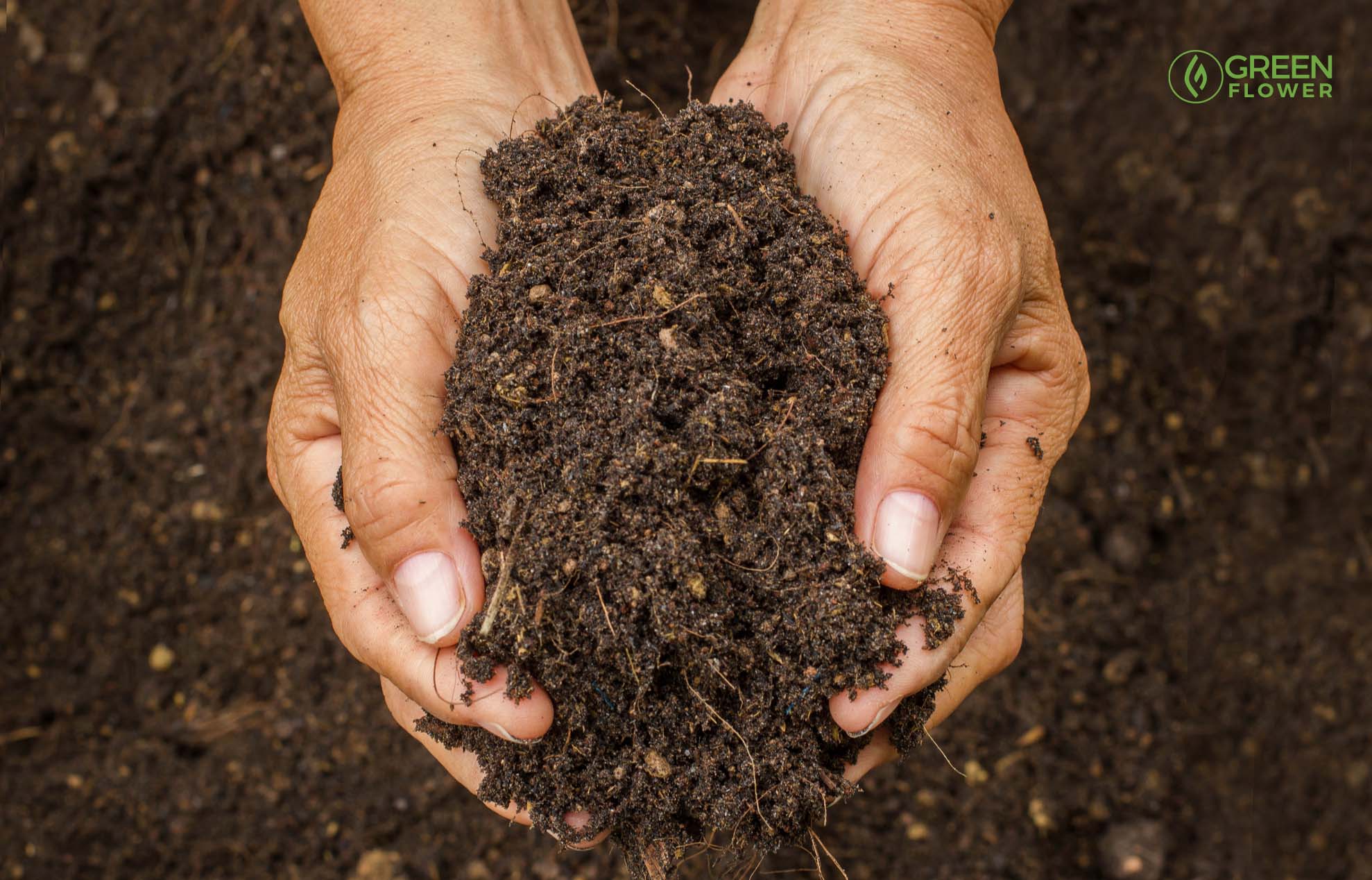
Finding the best earth for cannabis plants involves a careful balance between several critical characteristics. Cannabis thrives in soils that are loose, well-draining, and rich in organic matter. These properties ensure that the root system receives ample oxygen, steady moisture, and essential nutrients required for robust growth and high-quality yields.
Soil Texture and Structure
Cannabis is highly sensitive to the structure of the soil in which it is cultivated. The preferred soil texture is one that is light and airy. A loose, well-aerated soil prevents the roots from becoming compacted and facilitates an optimal exchange of gases, promoting healthy root development. A loamy soil – which contains a balanced mixture of sand, silt, and clay – is considered ideal. This type of soil not only helps retain necessary moisture but also ensures that excess water is drained away, preventing root rot and other moisture-induced issues.
Importance of Drainage
One of the key determinants of a good cannabis soil is its drainage capability. While cannabis plants require a consistent supply of moisture, they are also highly prone to damage if the roots are allowed to sit in waterlogged conditions. Proper drainage is therefore crucial. This means that while the soil must be able to retain water to keep the roots moist, it should also allow excess water to quickly escape. This balance is essential to prevent problems such as nutrient leaching, which can deprive plants of valuable elements, or the development of root diseases.
Aeration and Soil Composition
Adequate aeration is essential to prevent the soil from compacting. A good cannabis soil is generally composed of organic components mixed with lightweight amendments such as perlite or pumice, which contribute significantly to ensuring that the root system receives sufficient oxygen. The inclusion of organic compost, worm castings, or coconut coir enhances the soil's formative properties by improving its texture while providing a slow release of vital nutrients. This mix aids in maintaining both a robust root structure and sufficient nutrient availability across the growing cycle.
pH Level and Nutrient Balance
Achieving and maintaining the correct pH is a fundamental aspect of cannabis cultivation. Cannabis plants generally prefer a slightly acidic environment, with an ideal pH range of 6.0 to 7.0, although some literature suggests that a range of 5.8 to 7.0 is acceptable depending on various strain-specific requirements. Maintaining this pH range is critical because it enables the roots to absorb nutrients effectively.
A well-balanced soil not only meets pH requirements but is also rich in key nutrients such as nitrogen, phosphorus, and potassium (N-P-K). Nutrients are essential for cannabis plants throughout both the vegetative and flowering stages. By selecting soil that is already enriched with organic matter – or by amending the soil with organic compost, worm castings, and specialized fertilizers – growers can guarantee that their plants receive the nutrition required for vigorous, healthy growth.
The Role of Organic Matter
Organic matter enriches the soil in several important ways. It improves water retention, supplies a slow release of nutrients, and enhances the biological activity within the soil. Organic compost, made from decomposed plant material and other organic waste, is particularly effective at boosting soil fertility. Moreover, amendments such as worm castings are known to be extraordinarily rich in micronutrients and enzymes that benefit both the plants and the beneficial microbes present in the soil.
Recommended Soil Mixes for Cannabis
A wide range of soil recipes have been formulated to meet the specific needs of cannabis cultivators, whether they are operating on a small indoor setup or managing a large outdoor garden. One popular mix involves combining:
- Approximately 50% peat moss for excellent moisture retention and lightweight texture.
- 20-30% perlite to guarantee good aeration and proper drainage, which helps prevent waterlogging.
- 10-20% vermiculite or coco coir to increase water retention and nutrient holding capacity.
In addition to these constituents, growers often incorporate amendments like dolomitic lime to adjust the pH, or gypsum, which supplies calcium and sulfur. Adjusting the pH with dolomitic lime is essential when the organic matter in the soil tends to lower the pH, potentially making the environment too acidic for efficient nutrient uptake.
Variations for Different Strains
It is important to note that different cannabis strains might have subtle differences in soil requirements. For example, autoflowering cannabis varieties, which have faster life cycles and tend to have lower nutrient demands, benefit from lighter, lower-nutrient soils. In contrast, photoperiod strains often thrive in soil that is exceptionally rich in nutrients, allowing for longer vegetative growth phases and larger yields. Tailoring the soil mix to suit the specific demands of the cannabis strain being cultivated can result in improved plant performance and higher-quality yields.
Enhancing Soil Performance with Amendments
Beyond the basic soil mix, several amendments can be added to improve performance and further optimize growing conditions. Amendments like coconut coir, perlite, and vermiculite not only improve the physical properties of the soil but also enhance its overall performance:
| Amendment | Primary Benefit | Application Tip |
|---|---|---|
| Perlite | Improves aeration and drainage | Mix into soil at 20-30% to prevent compaction |
| Coco Coir | Enhances water retention while providing a lightweight medium | Soak well before incorporating into the mix |
| Vermiculite | Increases moisture retention and nutrient exchange | Combine in proportions of 10-20% with other substrates |
| Dolomitic Lime | Balances the pH of the soil | Add incrementally and test the pH frequently |
| Organic Compost | Provides a natural source of nutrients and microorganisms | Mix thoroughly to ensure even distribution |
Commercial Soil Options
In addition to homemade mixes, many growers opt for reputable commercial soil options designed specifically for cannabis cultivation. Products like specialized potting soils and organic blends often incorporate the right ratios of organic matter, nutrients, and drainage components. These commercial soils, crafted by established brands, take the guesswork out of the process and provide a consistent medium that is ideal for novice growers as well as seasoned cultivators.
Some popular commercial brands have been carefully formulated to meet the nutrient demands and pH requirements of cannabis, ensuring that the plants have immediate access to the nutrients required for every growth stage. These pre-mixed soils often contain beneficial additives that help stimulate microbial activity, which in turn aids in nutrient cycling and increases overall plant health.
Water Retention and Moisture Management
Moisture management is a delicate balance when growing cannabis. The chosen soil must be capable of retaining an adequate amount of water while ensuring it drains sufficiently to prevent the development of a soggy environment. Water retention is particularly important in drier climates or during periods of elevated temperature. Soils heavy in organic material tend to absorb and slowly release water, maintaining a consistent moisture level that is critical during the flowering stage.
It is often recommended to water slowly and allow the soil surface to dry between watering sessions. This practice helps avoid the risk of overwatering, which can lead to nutrient leaching and root diseases. Many growers also incorporate mulching techniques, wherein organic matter is laid on top of the soil to reduce evaporation and preserve moisture. Such practices aid in maintaining an even distribution of moisture throughout the root zone.
Balancing Nutrients and Soil Life
The presence of beneficial microbes and soil organisms plays a significant role in the overall health of cannabis plants. A living soil – one that is teeming with bacteria, fungi, and other microorganisms – creates a symbiotic relationship with the plant roots. These organisms help break down complex organic compounds into more accessible forms of nutrients and can also protect the roots from pathogens.
To boost microbial activity, many growers incorporate ingredients such as compost teas or other organic amendments. The addition of worm castings is particularly beneficial, as these not only provide a rich source of nitrates and hormones that stimulate growth but also improve the overall structure of the soil. This living, dynamic soil environment often results in healthier, more resilient cannabis plants that can better fend off pests and diseases.
Building Your Ideal Cannabis Soil: A Step-by-Step Approach
Constructing the perfect soil for cannabis involves careful planning, balancing, and monitoring. Here is a streamlined process that many cultivators follow:
Step 1: Base Mix Preparation
Start with a base comprising peat moss or coco coir, which provides the underlying structure for the soil. Combining approximately 50% peat moss with 20-30% perlite ensures a balance between moisture retention and drainage. Include 10-20% of vermiculite or another water-retaining agent. This base creates a conducive environment for healthy root growth.
Step 2: Nutrient and pH Adjustments
In order to optimize the soil’s nutritional profile, incorporate organic compost or worm castings. These additions come enriched with essential nutrients and beneficial microbes. Measure the soil pH and, if necessary, add dolomitic lime to maintain a slightly acidic environment. Periodic pH testing throughout the growth phases ensures that the plants can access the necessary nutrients.
Step 3: Incorporating Amendments
Depending on your local conditions and nutrient requirements, further amend the soil with supplements such as slow-release organic fertilizers, bat guano, bone meal, or kelp meal. These amendments can be mixed thoroughly into the base soil, ensuring an even distribution of nutrients and enhancing microbial activity.
Step 4: Monitoring and Adjustments
Even after creating an ideal mix, the soil’s condition should be regularly monitored throughout the growing season. Adjusting water schedules, adding further nutrients, or modifying the mix based on observational data ensures that your cannabis plants continuously receive optimal care.
In Summary: The Signature Elements of High-Quality Cannabis Soil
The journey towards achieving the ideal growing medium for cannabis plants involves a nuanced understanding of soil properties and dedicated efforts to create a balanced environment. The perfect soil is one that combines a light, well-draining texture with optimal water retention and a slightly acidic pH that supports nutrient uptake. Enriched with organic compost and other amendments such as worm castings, perlite, and coco coir, the soil not only meets the physical needs of the plants but also acts as a living ecosystem.
Whether using a homemade mix or selecting a reputable commercial blend, the goal remains the same: to provide cannabis plants with a robust foundation that encourages vigorous root growth, effective nutrient absorption, and overall plant health. By paying close attention to the balance of drainage, aeration, moisture, and nutrients, cultivators can significantly improve their plants' growth potential and yield quality.
Conclusion and Final Thoughts
In conclusion, the best earth for cannabis cultivation requires a thoughtfully balanced mix of organic material, moisture-retaining components, and amendments that promote healthy root development. A well-crafted soil mix supports cannabis plants by providing the proper texture, drainage, and nutrient availability needed for optimal growth. Whether you opt for a custom blend or a trusted commercial product, ensuring the appropriate pH level and nutrient balance is paramount. As the cannabis plant matures, ongoing care, soil monitoring, and timely adjustments are essential to maintain an ideal growing environment that fosters robust plant health and maximizes yields.
As an AI assistant known as Ithy – meaning “I think why” – I recommend examining each component of your soil mix carefully. Take the time to understand your local growing conditions, choose soil amendments wisely, and perform regular pH and nutrient testing. In doing so, you create a reliable foundation capable of sustaining thriving cannabis crops. With these practices in place, cultivators can achieve the delicate equilibrium needed for successful, high-quality cannabis production.
References
- Choosing the Best Soil for Cannabis - ILGM
- Best Soil for Cannabis - The Highest Crop
- Best Soils For Growing Weed - Weedmaps
- Best Soil for Cannabis - Leaf and Hemp
- Best Soil for Growing Cannabis - WayofLeaf
Recommended Further Queries
Last updated February 27, 2025