
Analyzing Electrostatic Effects on Capacitive Sensors
An in-depth exploration of the challenges presented by static charges in touch-based systems
Key Highlights
- Electrostatic Interference: Unwanted static discharge and accumulation interfere with sensor fields and trigger false touches.
- Environmental and Material Influences: Humidity, temperature, and material properties notably affect sensor calibration and reliability.
- Mitigation Strategies: Advanced design techniques including shielding, signal processing algorithms, and proper sensor layout are key to minimizing interference.
Detailed Analysis of the Problem Statement
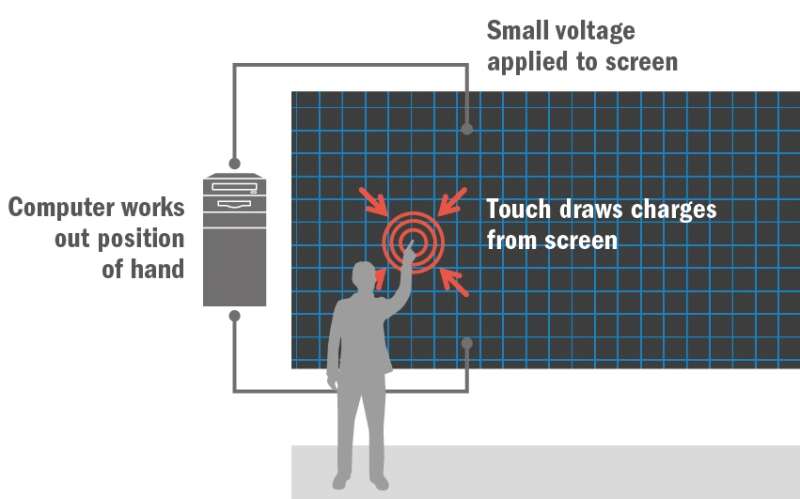
Capacitive sensors form the backbone of modern touch-based systems such as smartphones, tablets, and various industrial control panels. These sensors operate on detecting changes in capacitance when a conductive object, typically a human finger, comes in proximity. A major challenge arises when electrostatic charges interfere with the sensor’s intrinsic field, leading to performance degradation. The statement of the problem under discussion centers on understanding how these static charges influence sensor functionality and how to mitigate their adverse effects.
Electrostatic Interference in Touch-Based Systems
Electrostatic charges can have a disruptive impact on the behavior of capacitive sensors. When static electricity is present, either generated through normal user interactions (such as friction during swiping) or environmental conditions, the baseline capacitance of the sensor may be altered. This distorted baseline can lead to false activations or ghost touches—a phenomenon where the sensor erroneously registers a touch. The presence of even a small discharge from a static spark can be significant enough to swamp the sensor's input, leading to compromised measurement integrity and reduced sensitivity.
Mechanisms of Static Interference
Static interference occurs primarily through two mechanisms:
- Electrostatic Discharge (ESD): Sudden discharge events can introduce transient noise into the sensor circuitry, temporarily overwhelming the amplifier's ability to correctly interpret capacitance variation.
- Charge Accumulation: Gradual accumulation of static charges on surfaces, particularly under dry or low-humidity conditions, can lead to sustained interference that shifts the operational baseline of the sensor.
Influence of Environmental and Sensor Design Factors
Capacitive sensor performance is a function of multiple variables. Environmental factors, including humidity and temperature, play a critical role in charge behavior. For instance, in a low-humidity environment, the lack of moisture reduces the natural discharge of static electricity, leading to more significant accumulation on sensor surfaces. Additionally, materials used in the construction of the touchscreen, and even protective layers such as screen protectors, can themselves become sources of or channels for electrostatic charge accumulation.
Key Design Considerations
When designing capacitive sensors, several elements must be finely tuned to minimize the effects of electrostatic interference:
| Factor | Impact on Sensor | Mitigation Strategy |
|---|---|---|
| Sensor Geometry | Spacing and electrode size influence capacitance measurement and sensitivity to static charges. | Optimal layout and guard ring electrodes can homogenize the electric field. |
| Material Properties | Dielectric constants vary, affecting the baseline capacitance and susceptibility to external fields. | Use materials with stable dielectric properties and add conductive coatings if necessary. |
| Environmental Conditions | Fluctuations in humidity and temperature affect charge dissipation rates and sensor performance. | Implement adaptive calibration and environmental shielding. |
| External ESD Events | Sporadic discharges can create transient errors in sensor data. | Incorporate ESD protection circuits and robust signal filtering algorithms. |
Core Elements of the Problem Statement
An effective statement of the problem must encompass the following components:
Identifying the Challenge
The central challenge addressed in the problem statement involves the dual impact of electrostatic discharges and accumulated static charges. These elements can either cause false touches or lead to sensor calibration issues by activating internal protection circuits unintentionally. The statement should clearly articulate the ways in which the sensor’s ability to precisely measure capacitance is compromised under the influence of these electrostatic factors.
Demarcating Environmental Influences
Environmental conditions are a critical factor. A detailed analysis should acknowledge how low humidity, temperature fluctuations, and proximity to charged objects exacerbate the interference. For example, under dry conditions, increased static charge build-up directly correlates with a higher probability of false activations. Explicitly recognizing these influences helps set the stage for calibrating sensor design according to the operating environment.
Proposing Mitigation Strategies
The problem statement should not only identify the issues but also pave the way for potential solutions. Recommended mitigation strategies include the incorporation of advanced shielding techniques, the use of guard ring electrodes, and the development of intelligent signal processing algorithms. Establishing clear objectives—such as determining threshold levels for static interference and optimizing sensor calibration protocols—provides a robust framework for ongoing research.
Implementation in Practical Scenarios
In touch-based systems, precise sensor performance is non-negotiable especially in high-stakes applications like automotive interfaces or critical industrial control panels. By understanding the electrophysical principles underlying sensor operation, engineers can implement design improvements that minimize the risk associated with static charges. When the problem statement explicitly integrates the analysis of environmental variables and material properties, it informs a design philosophy that emphasizes resilience. This not only ensures reliability under a variety of conditions but also enhances the end-user experience by reducing erroneous signals.
Application of the Problem Statement
A refined problem statement might read:
"Investigating the detrimental effects of electrostatic charges on the signal integrity, sensitivity, and reliability of capacitive touch-sensing systems. This study aims to quantify the threshold levels at which static interference compromises sensor performance, examine the influence of environmental conditions such as low humidity and temperature fluctuations, and develop effective mitigation strategies through advanced sensor design and signal processing techniques."
This articulation comprehensively summarizes the multi-faceted challenges that capacitive sensors face due to electrostatic interactions while simultaneously outlining clear objectives for research and development.
References
- Capacitive Sensors Offer Numerous Advantages - Electronic Design
-
Fundamentals of Electrostatics & Capacitance for Capacitive Touch Sensors - Infineon
- Understanding Electrostatic Discharge (ESD) in Touchscreen Technology - Touch Pro
- Capacitive Sensing - Wikipedia
-
Capacitive Sensor Overview - ScienceDirect
- Capacitive Sensor Explained - RealPars
-
Capacitive Sensing in Detail - STMicroelectronics
-
Electrostatic Effects in Sensors - ScienceDirect
- Advanced Analysis of Electrostatic Charges - Springer
- Optimization of Touch Sensors - RedeWeb
Recommended Further Queries
Last updated March 3, 2025