
Analyzing the Effects of Electrostatic Charges on Capacitive Sensor Performance in Touch-Based Systems
A Mini Research Overview of Capacitive Touch Sensors and Electrostatic Influences
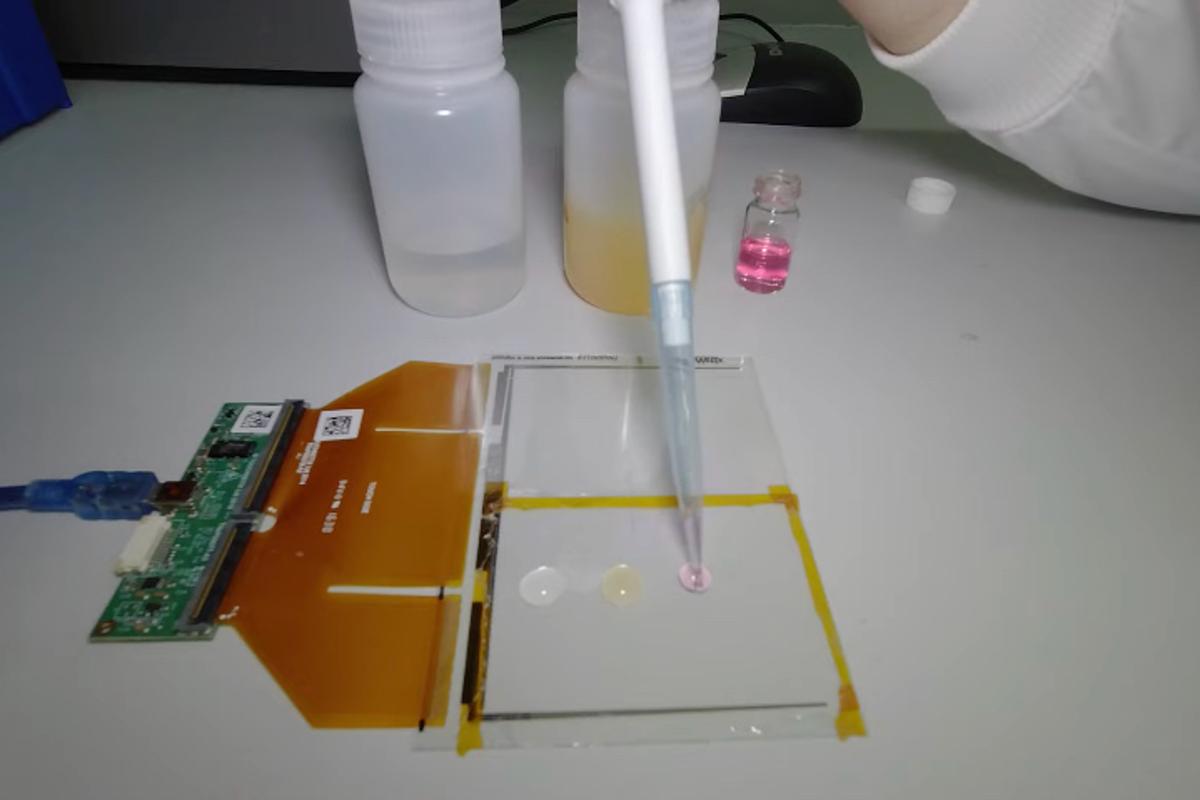
Highlights
- Electrostatic Charges Impact Sensor Accuracy: Variations in electrostatic fields significantly affect capacitance measurements.
- Environmental and Material Factors: Humidity, device casing, and material selection play a key role in sensor performance.
- Mitigation Strategies are Essential: Shielding, grounding, and adaptive calibration can reduce negative effects from electrostatic interference.
Introduction
Background
Capacitive touch sensors have become a cornerstone in modern electronic devices, such as smartphones, tablets, and interactive kiosks. They operate on the fundamental principles of electrostatics, where a conductive object, typically a human finger, interacts with an electrostatic field present over the sensor's surface. In essence, these sensors measure the minute changes in capacitance when a finger disrupts the uniform field generated by an electrode grid. The phenomenon relies on the transfer and detection of electrical charges, converting physical touches into electrical signals that devices can process.
The operation of capacitive sensors is inherently tied to the characteristics of the surrounding electrostatic environment. When a finger approaches the sensor, it alters the existing electric field, thus changing the capacitance at specific nodes. However, unintended electrostatic charges can also accumulate on the surface or nearby objects, leading to variations that may interfere with the sensor’s ability to detect precise touch inputs. These unintended effects can result in false signals, reduced accuracy, or, in severe cases, permanent damage to the sensor components.
Significance
The increased pervasiveness of touch-based systems necessitates a detailed understanding of how electrostatic charges affect sensor performance. This research is significant because:
- Device Reliability: Unmitigated electrostatic interference can cause operational malfunctions and erroneous input detection, thereby reducing the reliability of the device.
- User Experience: Consumers expect swift and accurate responses from their devices. Even minimal deviations in touch sensitivity can lead to frustration and a substandard user experience.
- Technological Advancements: By addressing and mitigating the negative impacts of electrostatic forces, manufacturers can innovate improved sensor designs and calibration algorithms tailored to various environmental conditions.
In the context of industrial applications, where devices often operate in challenging environmental conditions, understanding these effects extends the lifespan of sensor components while ensuring high operational fidelity.
Research Questions
To systematically address the interplay between electrostatic charges and capacitive sensor performance, the research focuses on the following questions:
- How do variations in electrostatic charges influence the capacitance reading of sensors?
- What roles do environmental factors, such as humidity and temperature, play in the accumulation and behavior of electrostatic charges?
- Which design alterations and mitigation strategies can be effectively implemented to minimize the negative impacts of electrostatic interference on sensor performance?
Methodology
Data Collection
The study employed a mixed-method approach that integrates experimental testing with a comprehensive literature review. This dual approach ensured that both quantitative and qualitative insights were captured.
Experimental Setup:
A series of capacitive touch sensors were installed in controlled testing environments. These environments were designed to simulate a range of electrostatic conditions by altering key variables such as humidity, temperature, and direct charge application:
- Controlled Environment Chamber: The sensors were placed inside a chamber where environmental conditions could be precisely regulated.
- Electrostatic Charge Simulator: A device was used to generate controlled electrostatic discharges, simulating varying levels of ambient electrostatic interference.
- Conductive Touch Simulation: A standardized conductive material, mimicking the electrical properties of a human finger, was employed to perform touch events on the sensors.
Data acquisition systems recorded sensor outputs such as capacitance values, response times, and occurrences of false touch signals under each test condition.
Literature Review:
Alongside experimental data, extant research and technical documentation were reviewed to consolidate theoretical insights:
- Articles, white papers, and manufacturer guidelines on capacitive sensor technology and electrostatic interactions were examined, focusing on the operational principles and failure mechanisms.
- Environmental studies provided data on how humidity and temperature affect static charge accumulation and dissipation.
- Industry reports offered insights into practical mitigation strategies and sensor design optimizations.
Data Analysis
Quantitative data collected from the experiments were analyzed using statistical methods to establish correlations between electrostatic charges and sensor performance metrics. The analysis included:
- Regression Analysis: This was conducted to identify trends and quantify the relationship between variable electrostatic conditions and changes in capacitance readings.
- Signal-to-Noise Ratio (SNR) Evaluations: By comparing the intended signal with extraneous noise, researchers identified thresholds beyond which sensor performance significantly declined.
- Error Rate Calculations: False positives and delayed response incidents were logged and statistically analyzed to determine operational reliability under high charge conditions.
Data synthesis involved integrating experimental outcomes with theoretical models, which resulted in a well-rounded understanding of how varying levels of electrostatic interference manifest in real-world sensor performance.
Results and Discussion
Findings
The research uncovered several critical insights into the effects of electrostatic charges on capacitive sensor performance:
- Increased Capacitance Readings: As the intensity of ambient electrostatic charges rose, sensors recorded higher capacitance values. Such variations could lead to erroneous touch detections or missed contacts, particularly in high-ESD environments.
- Sensor Response Degradation: Elevated electrostatic interference resulted in longer sensor response times and a noticeable increase in false touch events, where the sensor incorrectly interpreted environmental noise as a valid input.
- Environmental Impacts: Humidity played a dual role in the research findings. Higher humidity levels contributed to the dissipation of static charges, thereby reducing false positives, but in certain conditions, they also interfered with the uniformity of the electrostatic field.
Table: Summary of Experimental Findings
| Parameter | Observations | Implications on Performance |
|---|---|---|
| Ambient Electrostatic Charge | Increased capacitance values with higher charge levels | Could lead to false touch detections and misinterpretations |
| Humidity | Higher humidity reduces static build-up | Enhances sensor stability, but excessive moisture may disrupt field uniformity |
| Response Time | Delayed response with increased electrostatic interference | Decreases the reliability of the touch detection system |
| Error Rates | Increased false positives under high static conditions | Affects overall accuracy and detection precision |
Interpretations
The analytical results strongly indicate that electrostatic charges have a dual effect on capacitive sensors. While moderate electrostatic interactions are an essential part of the capacitive sensing mechanism, excessively high ambient charges interfere with the sensor’s normal operation. This interference distorts the electrostatic field, which is critical for accurate touch detection.
Notably, environmental factors such as humidity significantly influence the degree to which these charges impact sensor performance. In regions or applications where humidity is controlled to an optimal level, the adverse effects of static discharge can be mitigated effectively. However, in environments with highly variable or low humidity, static accumulation is more pronounced, leading to reduced sensor reliability.
Design considerations, including electrode configuration and the inclusion of guard rings, further enhance resilience by ensuring a more homogenous electric field distribution. Additionally, the incorporation of anti-static materials and grounding techniques has proven effective. Such strategies help in dissipating excess charges, thereby minimizing the risk of false inputs or long-term sensor degradation.
Conclusion and Recommendations
Conclusion
The study concludes that electrostatic charges have a significant impact on the performance of capacitive touch sensors. The delicate balance required to maintain optimal sensor functionality is easily disrupted by excessive static build-up, leading to inaccurate capacitance readings, delayed response times, and increased error rates. This research demonstrates that both internal design parameters and external environmental factors must be carefully managed to ensure sensor robustness and reliability.
Recommendations
In light of these findings, the following recommendations are proposed for researchers and manufacturers to enhance capacitive sensor performance:
- Implement Advanced Shielding Techniques: Incorporate conductive and anti-static materials into sensor construction. Effective grounding is critical for dissipating surplus electrostatic charges.
- Adaptive Sensor Calibration: Develop and integrate adaptive calibration algorithms that dynamically adjust sensor parameters in response to fluctuations in environmental conditions, particularly changes in humidity and temperature.
- Optimize Electrode Design: Utilize optimized electrode geometries, including the use of guard rings, to establish a homogeneous electrostatic field. This approach minimizes interference and maximizes detection accuracy.
- Environmental Conditioning: In industrial and outdoor applications, implement environmental control systems to regulate humidity and temperature, thereby reducing static accumulation.
- Routine Maintenance and User Education: Educate end users on practices to minimize static build-up, such as proper handling techniques and environmental awareness, and perform regular maintenance to verify sensor calibration.
- Invest in Ongoing Research: Support further studies aimed at understanding the complex interactions between electrostatic fields and sensor electronics, as well as exploring new materials that could inherently resist static interference.
References
- Capacitive Touch Screen Overview - Modern Physics
- Understanding Electrostatic Discharge in Touchscreen Technology - TouchPro
- Capacitive Touch Screens Explained - IQS Directory
- Capacitive Sensing Principles - Wikipedia
-
Capacitance Sensor Research - ScienceDirect
-
Fundamentals of Electrostatics for Capacitive Sensors - Infineon Community
- Analyzing Capacitive Touchscreens - COMSOL
- Advanced Materials in Touch Sensors - Wiley Online Library
- Nano/Micro Electrostatic Effects in Sensing - Nature
-
Electrostatic Interference in Sensors - ScienceDirect Article
Recommended Related Queries
Last updated March 1, 2025