
Manufacturing Processes of Capacitors
From Raw Materials to High-Quality Components
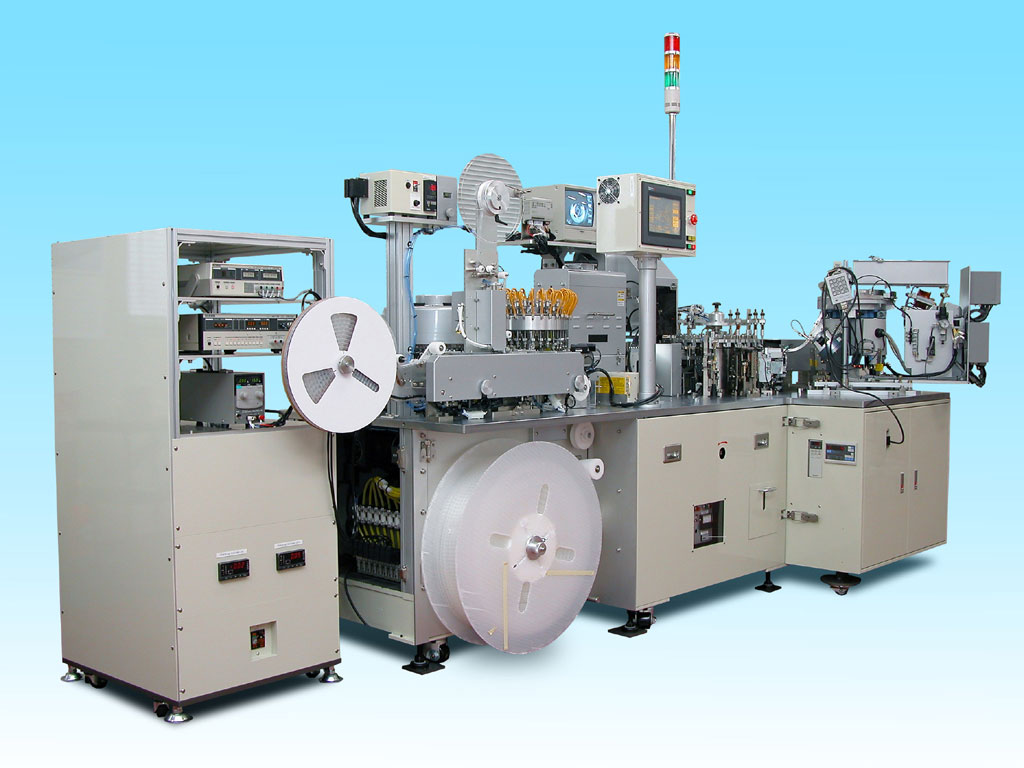
Highlights
- Comprehensive Manufacturing Steps: Capacitor production involves intricate processes from raw material preparation to final testing, tailored for various types such as ceramic, aluminum electrolytic, tantalum, and film capacitors.
- Quality Control and Automation: Strict quality control measures, including 100% testing and the use of automation, ensure the reliability and consistency of capacitors.
- Emerging Trends: The industry is seeing a push towards miniaturization, higher energy density, and sustainability, influencing capacitor manufacturing techniques.
Introduction to Capacitor Manufacturing
Capacitors, fundamental components in electronic circuits, are produced through a variety of manufacturing processes that are meticulously designed to meet specific performance criteria. The manufacturing techniques differ significantly based on the type of capacitor, such as ceramic, aluminum electrolytic, tantalum, and film capacitors, each requiring unique steps and considerations.
General Manufacturing Steps
The production of capacitors involves several key steps that are common across different types, although specific processes may vary:
Raw Material Preparation
The first stage in capacitor manufacturing is the preparation of raw materials. For electrodes, materials such as aluminum foil or tantalum powder are selected, while dielectric materials can include ceramics, plastics, or paper. Each material's properties directly influence the capacitor's operational characteristics, such as capacitance and voltage rating.
Electrode Formation
Electrode formation is crucial for enhancing the performance of capacitors. For instance, aluminum electrolytic capacitors undergo etching to increase the surface area of the aluminum foil, which in turn increases capacitance. The etching process typically involves chemical bathing to form a thin layer of aluminum oxide on the anode.
Dielectric Application
The application of the dielectric material is a pivotal step in the manufacturing process. Depending on the capacitor type, this could involve layering ceramic slurry for ceramic capacitors or applying a dielectric film for film capacitors. The dielectric material's quality and application method directly affect the capacitor's performance.
Winding/Layering
Once the dielectric is applied, the electrodes and dielectric are either wound together or layered, depending on the capacitor's design. For cylindrical capacitors, winding is used, while multilayer ceramic capacitors (MLCCs) are formed by layering. This step creates the basic structure of the capacitor.
Impregnation
Some capacitors, like aluminum electrolytic capacitors, require impregnation with an electrolyte to enhance their electrical properties. This process ensures that the electrolyte permeates the capacitor's structure, facilitating its function.
Assembly
Assembly involves attaching terminals to the capacitor element. This step is critical for ensuring that the capacitor can be integrated into electronic circuits. For example, aluminum electrolytic capacitors have an inner terminal (tab) attached to each of the aluminum foils.
Encapsulation/Sealing
Encapsulation or sealing is necessary to protect the capacitor from environmental factors such as moisture. Modern capacitors are often dipped in a hard thermoplastic or encased in other protective materials.
Aging
The aging process involves applying a voltage higher than the rated voltage at elevated temperatures. This step is crucial for reforming any oxide film that may have been damaged during manufacturing, ensuring the capacitor's reliability.
Testing
Testing is a critical final step where all capacitors are subjected to 100% testing to ensure they meet specifications. This includes assessing dielectric insulation performance and detecting any insulation weaknesses. Non-destructive testing methods are employed to identify potential manufacturing defects.
Finishing Processes
The finishing processes encompass cutting, winding, assembly, aging, sealing, printing, casing, measurement, packaging, and inspection. These steps ensure that the capacitors are ready for use in electronic devices.
Specific Capacitor Types and Manufacturing Processes
Ceramic Capacitors
Ceramic capacitors are produced through a series of steps that include preparing ceramic slurry, layering it with metal, sintering at high temperatures, pressing and cutting into chips, and firing in a kiln to remove binders. The firing process can reduce chip size by up to 30%, contributing to miniaturization efforts.
Multilayer Ceramic Capacitors (MLCCs)
MLCCs are made as chips through processes such as printing internal electrodes, pressing at high temperatures, and firing in a kiln. This method allows for the creation of compact capacitors with high energy density, meeting the demands of modern electronic devices.
Aluminum Electrolytic Capacitors
The manufacturing process for aluminum electrolytic capacitors begins with etching thin aluminum foil to increase its surface area, which can be up to 100 times for low-voltage applications. This is followed by anodizing to create a thin layer of aluminum oxide, winding with a paper separator, and adding an electrolyte. The aging process is crucial for these capacitors to ensure the oxide layer's integrity.
Tantalum Capacitors
Tantalum capacitors are produced by pressing tantalum powder into a pellet, sintering to form a porous structure, forming a dielectric layer through anodization, and adding an electrolyte. These steps maximize the surface area and enhance the capacitor's performance.
Film Capacitors
Film capacitors can be produced as wound or stacked foil capacitors. The process involves selecting high-quality dielectric and conductive materials, coating the dielectric onto the conductive material, forming electrodes, cutting and packaging, and welding electrode leads. Quality inspection is crucial to ensure the capacitors meet specifications.
Quality Control
Quality control is integral to capacitor manufacturing, ensuring that all products meet stringent performance criteria. This involves:
Electrical Testing
Capacitors undergo rigorous testing for capacitance, leakage current, and dielectric breakdown voltage. This ensures that the capacitors perform as expected in their intended applications.
Visual Inspection
Automated systems with optical inspection capabilities are used for initial checks on component integrity after winding and assembly. This step helps identify any visible defects that could impact performance.
Environmental Controls
Manufacturing environments are controlled for humidity and temperature to avoid contamination and ensure product reliability. This is particularly important during the production of sensitive components like capacitors.
Automation in Production
Modern capacitor manufacturing increasingly employs automation and robotics to enhance production efficiency, accuracy, and consistency. Automated lines can perform tasks such as winding, testing, and packaging, minimizing human error and reducing production time.
Emerging Trends in Capacitor Manufacturing
Miniaturization
The demand for smaller electronic devices drives the need for smaller capacitors. Manufacturers are developing compact capacitors with higher energy density to meet these requirements.
Sustainability
There is a growing focus on reducing waste and energy consumption during the production process. This trend towards sustainability is influencing the development of more efficient manufacturing techniques.
Technical Challenges
Maintaining precise capacitance values, managing equivalent series resistance (ESR), controlling breakdown voltage, and ensuring consistent dielectric performance are ongoing challenges in capacitor manufacturing. These challenges drive continuous innovation in the field.
Table: Comparison of Capacitor Types and Manufacturing Processes
| Capacitor Type | Key Manufacturing Steps | Unique Features |
|---|---|---|
| Ceramic Capacitors | Slurry preparation, layering, sintering, pressing, firing | High energy density, compact design |
| Aluminum Electrolytic Capacitors | Etching, anodizing, winding, electrolyte impregnation, aging | High capacitance, large size |
| Tantalum Capacitors | Pellet formation, sintering, dielectric formation, electrolyte addition | High volumetric efficiency, high reliability |
| Film Capacitors | Dielectric coating, electrode formation, cutting, packaging, lead welding | High stability, low loss |
References
-
How is a Capacitor Made? Discover the Manufacturing Process - China Capacitor
- Capacitor Production - Hillman Curtis
-
Common Types of Capacitors and How They Are Made - Arrow Electronics
- Capacitor Production Process - Chemi-Con
- What is the Manufacturing Process of Power Capacitors? - LinkedIn
Recommended
Last updated February 28, 2025