
Capacity Planning and Supply Chain Efficiency
How capacity planning drives sustainable logistics success
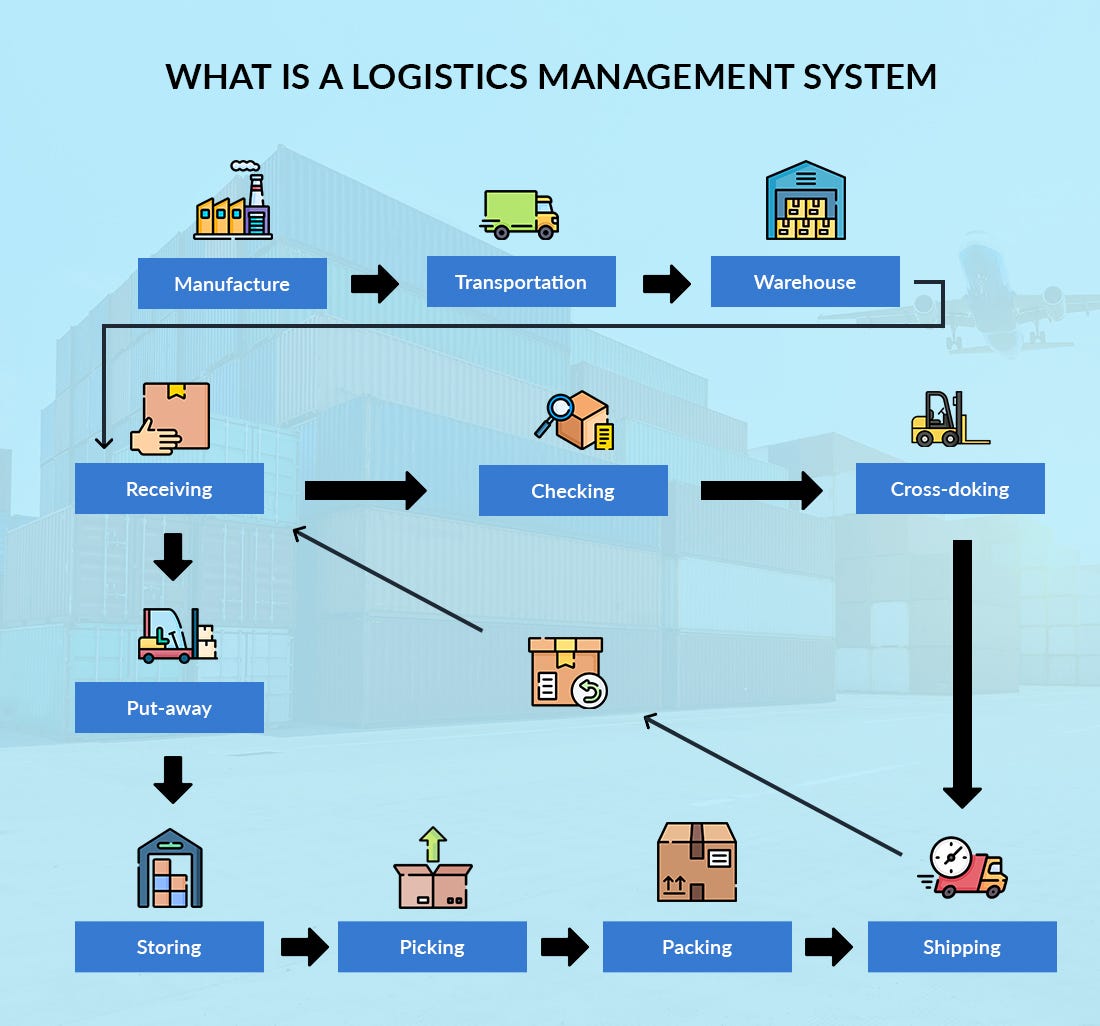
Essential Insights
- Cross-departmental collaboration: Integrating inputs from various business functions to streamline resource allocation.
- Lean principles application: Using lean manufacturing techniques to eliminate waste and optimize resource use.
- Scenario analysis and forecasting: Preparing for market fluctuations and future growth through structured demand analysis.
Understanding Capacity Planning in Supply Chain Management
Capacity planning is often considered the heart of effective logistics operations in the supply chain. It is critical not only for ensuring that an organization has the necessary resources to meet customer demand but also for aligning future growth with market fluxes. As derived from multiple scholarly articles, industry journals, and reputable websites, capacity planning is a multifaceted process that involves optimizing resource allocation, coordinating cross-departmental efforts, leveraging lean methodologies, and implementing rigorous scenario analyses and demand forecasting.
According to Supply Chain Today and 6sigma.us, capacity planning is central to achieving supply chain efficiency. It ensures that companies can promptly respond to variations in demand while minimizing inventory costs and improving production workflows.
Key Components of Capacity Planning
1. Coordination Across Departments
Multi-Departmental Collaboration
One of the primary pillars of effective capacity planning is cross-departmental coordination. Organizations that actively integrate inputs and insights from finance, operations, demand planning, and supply markets are better positioned to identify bottlenecks and adapt to evolving market conditions. As highlighted by NetSuite and reiterated by SCM EDU, successful capacity planning relies on the synergy between different departments.
Collaboration ensures that all voices are heard in the decision-making process, leading to intelligent systems that can adapt to market fluxes. This holistic approach helps in crafting flexible strategies that can accommodate changes in production capacities and ensure there is minimal friction when transitioning between different market or production scenarios.
2. Application of Lean Principles
Minimizing Waste, Maximizing Value
Lean principles are fundamental to capacity planning. By focusing on eliminating waste and streamlining processes, lean methodologies help organizations optimize their resource allocation. Lean manufacturing, as exemplified by Toyota’s system, serves as a model for efficient utilization of resources in capacity planning. Sources such as Lean Manufacture and insights from ThroughPut Inc. confirm that integrating lean principles leads to enhanced productivity and a significant reduction in unnecessary costs.
Through the application of lean principles, organizations can streamline work processes, reduce production lead times, and ensure that inventory levels remain optimized. This approach not only leads to cost savings but also supports the development of intelligent systems that adapt efficiently to changing demand patterns.
3. Performance of Scenario Analysis
Preparing for Market Variability
Scenario analysis is a crucial aspect of capacity planning. It involves evaluating potential future scenarios by examining various market conditions and demand fluctuations. As emphasized by ThroughPut Inc. and industry commentators in articles from GEP Blogs, modeling different scenarios allows organizations to be proactive in their planning strategies.
Structured scenario analysis aids in understanding how different variables—such as sudden increases in demand or supply chain disruptions—can impact overall operations. This insight supports better decision-making and helps develop contingency plans that enhance the robustness of the supply chain.
4. Correct Forecasting of Demand
Anticipating Future Needs
Accurate demand forecasting is indispensable in capacity planning. Evaluating historical data, market trends, and emerging consumer behaviors helps organizations predict future demand accurately. Forbes and articles by Chartered Institute, for instance, provide evidence of the critical role that precise forecasting plays in ensuring that production capacities are matched with actual market needs.
With the aid of modern data analytics and machine learning algorithms, forecasting methods have become more sophisticated, enhancing reliability. A well-forecasted demand provides the roadmap for resource allocation, reducing overcapacity and minimizing the risks associated with underproduction.
Integrated Framework for Capacity Planning
Framework Overview
The overarching framework for capacity planning integrates the aforementioned components into a cohesive strategy. This framework ensures sustainable success by crafting intelligent systems that are responsive to both current demands and future growth. By synthesizing inputs from various departments, applying lean principles, performing scenario analysis, and utilizing accurate demand forecasting, organizations achieve enhanced operational efficiency and competitiveness.
The structure of this framework can be visualized in the table below, which outlines the key elements and their contributions to effective logistics operations:
| Component | Description | Key References |
|---|---|---|
| Coordination Across Departments | Integration of finance, demand planning, operations, and supply markets to ensure resources are optimally allocated and that production flows remain uninterrupted. | NetSuite, SCM EDU |
| Application of Lean Principles | Implementation of lean manufacturing techniques aimed at minimizing waste while maximizing resource utilization, leading to reduced lead times and enhanced efficiency. | Lean Manufacture, ThroughPut Inc. |
| Performance of Scenario Analysis | Analysis of potential future market conditions and demand fluctuations, enabling organizations to prepare for and mitigate risks related to supply chain disruptions. | ThroughPut Inc., GEP Blogs |
| Correct Forecasting of Demand | Use of historical data analytics and advanced algorithms to project future demand accurately, aligning production capacities with consumer needs. | Forbes, Chartered Institute |
Enhanced Collaboration Across Departments
Collaboration as a Catalyst for Efficient Operations
Collaboration across departments remains a cornerstone in capacity planning as it drives the alignment of the entire supply chain. This integrated approach facilitates the pooling of strengths from diverse business functions. For example, finance teams can provide risk assessment data, while operations experts give insights into production capabilities, and demand planners offer predictions based on market trends.
As emphasized by multiple sources including NetSuite and GEP Blogs, such collaboration makes it feasible to efficiently allocate resources and preemptively identify any inefficiencies or bottlenecks. In practical terms, effective collaboration leads to:
- Faster decision-making based on real-time data and insights gathered from across the organization.
- Enhanced transparency, ensuring that every stakeholder is aware of current constraints and potential future challenges.
- Improved responsiveness when adapting to sudden changes or shifts in market demand.
The benefits of this cohesive approach reinforce the importance of capacity planning. Organizations that commit to a collaborative model benefit from increased operational efficiency, thereby positioning themselves to capture new opportunities in rapidly evolving markets.
Practical Applications and Strategic Outcomes
Real-World Impact of Capacity Planning
The application of capacity planning strategies transcends theoretical models: it has a tangible impact on daily operations and long-term strategic outcomes. In the logistics sector, for instance, successful capacity planning results in lower operational costs through precise inventory management and streamlined workforce allocation. As noted in several industry reports, including those by Redwood Logistics and GetCircuit, companies that implement these methodologies tend to achieve:
- Enhanced throughput with minimized downtime.
- Reduced lead times and expedited delivery schedules.
- Optimized inventory levels, thereby reducing holding costs.
- Increased market competitiveness by swiftly adapting to changes.
By integrating cross-department collaboration, lean operations, sophisticated scenario analysis, and robust forecasting, companies build resilient logistics operations. This resilience forms the backbone of sustainable success, enabling organizations to manage unexpected surges in demand or supply disruptions without significant impact on service levels.
Technological Enhancements in Capacity Planning
Adopting Modern Tools
In the modern era, capacity planning leverages advanced technological tools such as data analytics, machine learning, and cloud-based management systems. These tools provide the backbone for accurate forecasting and dynamic scenario analysis. For example, industries are increasingly utilizing complex algorithms that interpret historical data to project future demands accurately. The benefits of these technological advancements are multifold:
- Enhanced Predictability: Leveraging statistical models allows companies to minimize forecasting errors.
- Real-time Data Integration: Modern systems enable instantaneous data sharing across departments for agile responses.
- Informed Decision-making: Automated systems assist in scenario planning by highlighting potential risks and optimized resource allocation strategies.
These technological enhancements, supported by research from industry leaders like ThroughPut Inc. and Forbes, ensure that capacity planning processes remain at the cutting edge of operational efficiency.
Structured Strategic Outcomes
Achieving a Competitive Edge
The deliberate and systematic approach to capacity planning yields strategic benefits that guarantee a competitive edge in today's volatile markets. Companies that excel in capacity planning not only optimize their internal processes but also bolster their market reputation by being agile in the face of uncertainty. As highlighted by Forbes and insights from the Chartered Institute, such organizations reap rewards in the form of:
- Reduced downtime and production delays.
- Optimized cost structures and improved profit margins.
- Smoother expansion into new markets and faster response times to competitive pressures.
In essence, capacity planning is not just a function of resource management, but a strategic tool that empowers businesses to remain resilient, agile, and forward-thinking in the dynamic field of supply chain logistics.
Reference Section
- Supply Chain Today - Supply Chain Today
- 6sigma Project Management - 6sigma.us
- NetSuite ERP - NetSuite
- ThroughPut Inc. - ThroughPut Inc.
- SCM EDU - SCM EDU
- Lean Manufacture - LeanManufacture.net
- GEP Blogs - GEP
- Forbes Business Council - Forbes
- Chartered Institute on Capacity Management - CIPS
- Redwood Logistics - Redwood Logistics
- GetCircuit - GetCircuit
Recommended Related Queries
Last updated March 17, 2025