
Research Topics on Captive Cheetahs in Namibia
Exploring Diverse Conservation, Health, and Behavioral Aspects
Essential Highlights
- Integrative Approaches: Combine health, genetics, spatial ecology, and behavior for comprehensive insights.
- Utilizing Existing Data: Leverage rehabilitation records, GPS tracking, veterinary, and genetic datasets.
- Conservation Impacts: Focus on programs that enhance reintroduction strategies and mitigate human-cheetah conflicts.
Overview of Research Areas
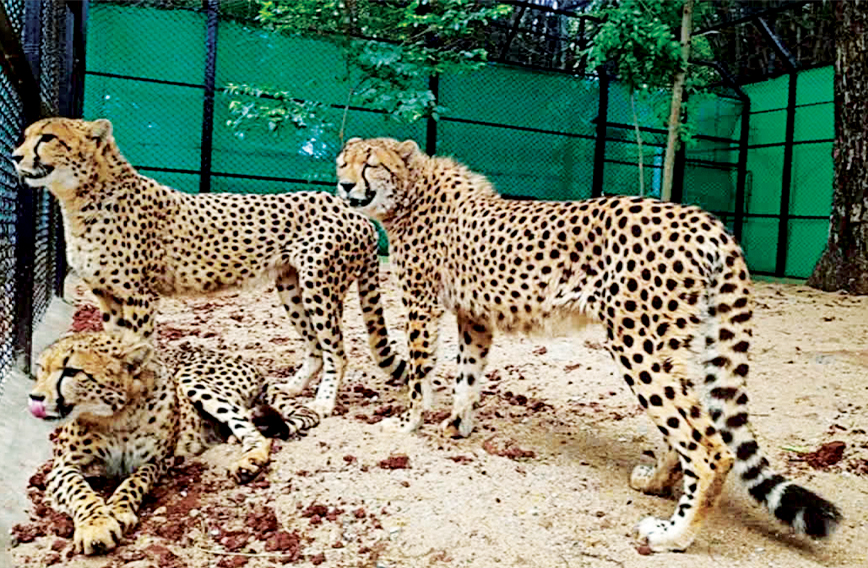
Captive cheetahs in Namibia present a rare opportunity to study a range of topics that span conservation genetics, health and disease monitoring, rehabilitation achievements, behavioral adaptations, and human-wildlife interactions. A three-month research project utilizing existing data can provide valuable insights into these multifaceted aspects. The following sections outline several focused topics, methodologies, and potential data sources that can be synthesized to strengthen conservation strategies in Namibia.
1. Rehabilitation Success and Post-Release Behavioral Adaptation
Objective and Rationale
The rehabilitation and subsequent release of captive cheetahs into the wild is a critical step in conservation. Evaluating the success of these programs by analyzing post-release data helps determine the factors that contribute to survival, independence, and overall adaptability of the released cheetahs.
Key Research Questions
- How effective are current rehabilitation programs in restoring natural behaviors?
- What is the time required for released cheetahs to regain independence and hunting proficiency?
- Which environmental and human-influenced factors most significantly impact post-release success?
Methodology
Use data from rehabilitation centers and conservation organizations like the Cheetah Conservation Fund (CCF). Focus on comparing key metrics such as time to independence, hunting success, integration into wild populations, and causes of mortality. Tools such as statistical analysis and survival analysis can help discern patterns that lead to successful reintroduction.
2. Health, Disease Prevalence, and Gut Microbiome Analysis
Objective and Rationale
Captivity often influences the health profiles of animals in distinct ways compared to their wild counterparts. Exploring the prevalence of diseases, immune responses, and variations in the gut microbiome offers insights into both physiological and environmental stressors that may affect cheetahs.
Key Research Questions
- What are the common health issues faced by captive cheetahs?
- How do the gut microbiomes of captive and free-ranging cheetahs differ?
- Which pathogens are most prevalent, and what are potential triggers in a captive environment?
Methodology
Analyze existing serological data, medical records, and microbiome sequencing results. Compare datasets between captive and wild cheetah populations using statistical methods. Employ modern bioinformatics techniques to assess microbial diversity, and use comparative analysis to understand the impacts of a controlled environment on immune health.
3. Genetic Diversity and Conservation Management
Objective and Rationale
Genetic variability is crucial for long-term species viability. In captive populations, genetic bottlenecks often pose a threat to the species' survival. Understanding genetic diversity helps in developing management plans that support effective reintroduction programs and ensure sustainable population structure.
Key Research Questions
- What is the current state of genetic variability in captive cheetahs in Namibia?
- How do genetic profiles compare between captive and wild populations?
- What genetic markers and analyses can predict the success of reintroduced individuals?
Methodology
Utilize existing genetic data sets, such as microsatellite markers, mitochondrial DNA analyses, and other genomic tools. Employ population genetics software to evaluate diversity, genetic drift, and inbreeding coefficients. By linking this genetic profile data with the outcomes of reintroduction programs, researchers can recommend targeted interventions to improve overall conservation efforts.
4. Behavioral Studies and Spatial Ecology Analysis
Objective and Rationale
Understanding the behavior of captive cheetahs, especially when transitioning to the wild, is key for assessing the effectiveness of rehabilitation programs. Behavioral studies not only examine the daily patterns and social interactions but also contribute to improved enclosure designs and release strategies.
Key Research Questions
- How do movement patterns differ between long-term captivity and post-release stages?
- What are the key behavioral adaptations observed in reintroduced cheetahs?
- How can spatial tracking data inform future placement and management of release areas?
Methodology
Employ Geographic Information Systems (GIS) and GPS tracking data to map movement patterns, home range sizes, and spatial usage of both captive and post-release cheetahs. Analyze behavioral logs and video surveillance records from captivity to assess any recurring stress indicators or abnormal behaviors. Combine this information with telemetry data post-release to evaluate adaptation and territorial behavior.
5. Reproductive Health and Endocrinology
Objective and Rationale
Reproductive success is vital for the sustainability of any species, especially in captive breeding programs designed to boost reintroduction efforts. Detailed studies on endocrine markers, hormone levels, and overall reproductive health are therefore essential.
Key Research Questions
- What factors influence reproductive success in captivity?
- How do hormone levels in captive cheetahs compare to those in the wild?
- Which management practices can be adapted to improve breeding outcomes?
Methodology
Analyze existing datasets on reproductive endocrinology including hormone assays (e.g., cortisol, estrogen, testosterone) gathered from captive facilities. Compare this data with free-ranging populations to determine deviations caused by captivity. Research can be further enriched through case studies from institutions focusing on cheetah reproduction, assessing success rates against various husbandry practices.
6. Human-Wildlife Conflict and Conservation Education
Objective and Rationale
The interface between human activities and wildlife conservation is critical, especially in areas where cheetahs interact with local communities. Research aimed at understanding and mitigating human-cheetah conflict can lead to improved conservation strategies while promoting educational outreach and positive community engagement.
Key Research Questions
- What are the major causes of conflict between humans and captive or released cheetahs?
- How do educational programs influence public perception and support for conservation?
- What non-lethal management practices have proven effective in reducing conflict?
Methodology
Review data from conflict surveys, incident reports, and studies on community outreach programs. Analyze records on livestock predation, cheetah mobility in human-dominated landscapes, and the effectiveness of mitigation strategies. Quantitative analysis can be enhanced by integrating socio-economic factors with wildlife conflict outcomes.
Comprehensive Research Topics Summary Table
| Research Topic | Objective | Data Sources | Key Methodologies |
|---|---|---|---|
| Rehabilitation Success & Behavioral Adaptation | Evaluate post-release survival and adaptation patterns of rehabilitated cheetahs. | Rehabilitation center records, telemetry data, observational studies | Survival analysis, statistical evaluation, GIS mapping |
| Health, Disease & Gut Microbiome | Understand health issues and microbial diversity differences between captive and wild populations. | Veterinary records, microbiome sequencing, serological data | Comparative analyses, bioinformatics, statistical tests |
| Genetic Diversity & Conservation | Assess genetic variability and its implications for sustained conservation efforts. | Genetic sample analyses, microsatellite data, mitochondrial DNA studies | Population genetics software, comparative genomic analysis |
| Behavioral & Spatial Ecology Studies | Analyse movement patterns, behavioral adaptations and the spatial use of habitat. | GPS tracking, GIS data, video surveillance | Spatial analysis, telemetry data, behavioral logs |
| Reproductive Health & Endocrinology | Examine reproductive success and hormonal markers in captivity. | Hormone assay data, breeding records, endocrine studies | Comparative endocrinological analysis, case study reviews |
| Human-Wildlife Conflict & Conservation Education | Explore the dynamics of human-cheetah interactions and educate local communities on conservation. | Conflict incident records, surveys, educational program reports | Statistical correlation, socio-economic analysis, qualitative reviews |
Integrative Methodological Approaches
Data Collection and Analysis
An essential part of the project involves harnessing existing data sets and ensuring they are analyzed using robust and reproducible methods. Researchers should consider the following steps:
Data Acquisition
Begin by identifying key sources such as:
- Veterinary and disease surveillance records from captive facilities.
- GPS and telemetry data collected during post-release monitoring.
- Genetic data from previous conservation projects and research institutions.
- Behavioral observation logs, reintroduction program reports, and conflict records.
Analytical Tools
Employ a mixture of statistical software (e.g., R, SPSS) and GIS applications to analyze data. Bioinformatics tools will be critical when examining genetic and microbiome datasets. This integrative approach ensures that findings are well-rounded and can serve as actionable insights for policymakers and conservationists.
Interdisciplinary Collaboration and Impact
The success of such a research project hinges on effective collaboration across various disciplines including veterinary medicine, wildlife ecology, genetics, and socio-economics. Engaging with local organizations and international research communities not only facilitates data sharing but also contributes to the development of standardized protocols that benefit cheetah conservation globally.
Broader Conservation Context
Understanding captive cheetahs in Namibia contributes to the global narrative of wildlife conservation. Improved rehabilitation protocols, better disease management practices, and enhanced genetic diversity are all potential outcomes that can influence policies and practical conservation strategies in other regions facing similar challenges.
References
- British Ecological Society - Applied Ecology Resources
- Cheetah Conservation Fund - Research Library
- ResearchGate - Gut Microbiomes Study
-
NCBI - Health and Disease Reviews
- Cheetah Research - Endocrinology and Reproduction
Recommended Queries for Further Exploration
Last updated March 18, 2025