
Comprehensive Guide to Car Drivers
Understanding the Roles, Requirements, and Safety Laws for Drivers
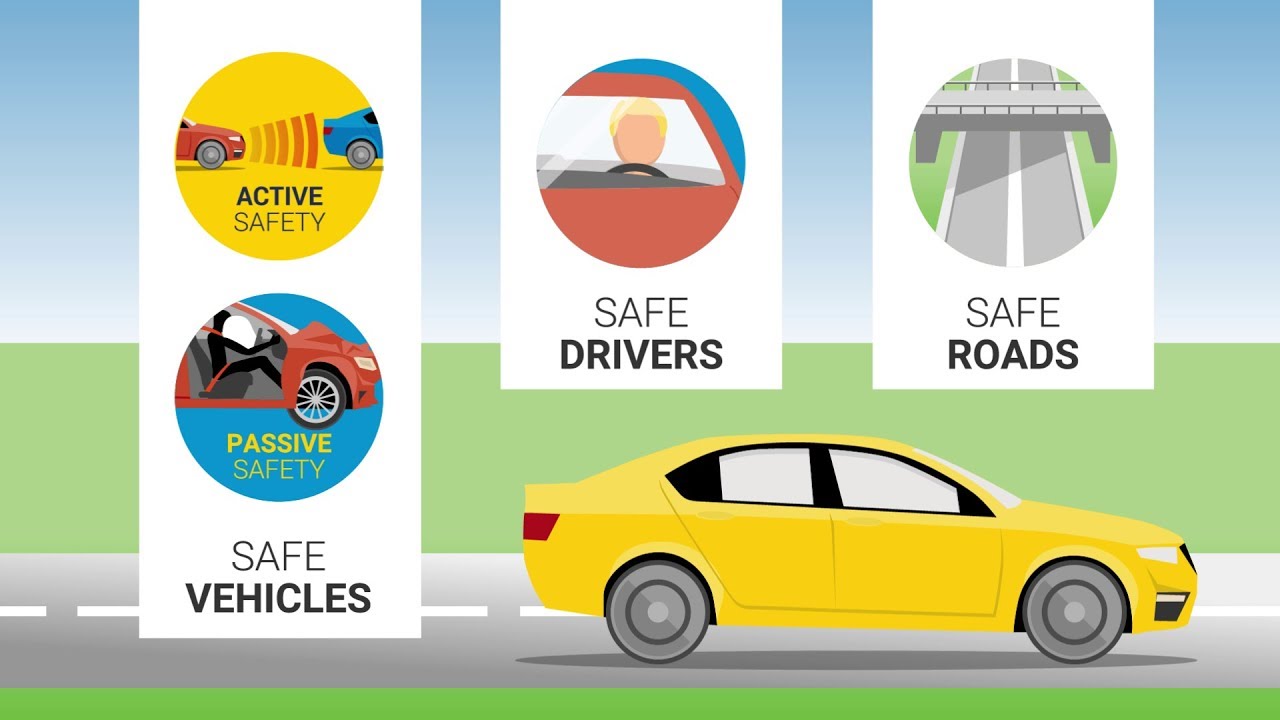
Key Takeaways
- Comprehensive Requirements: Drivers must meet age, licensing, vehicle, and insurance criteria, with specific distinctions for different driving roles.
- Safety First: Observing road rules such as signaling, maintaining a safe following distance, and defensive driving are critical for reducing accidents.
- Diverse Driver Roles: Car drivers range from everyday commuters and rideshare professionals to specialized roles like chauffeurs, transport drivers, and competitive racers.
Introduction
The landscape of car driving in the United States is complex and multi-faceted, encompassing a wide range of requirements, responsibilities, and roles. Whether you are a novice learning the rules of the road or a professional driver operating under strict guidelines, understanding these components is essential to ensure safety and legal compliance. This comprehensive guide will explore everything from licensing and vehicle requirements to traffic laws and best practices, providing an in-depth look into the considerations that every driver should be aware of.
Driver Requirements
Basic Licensing and Age Requirements
To legally operate a vehicle in the United States, individuals must meet a series of licensing and age requirements that typically include obtaining a driver’s license from the Department of Motor Vehicles (DMV). The most common criteria are:
- Minimum age requirements, usually around 18 years, although professional services such as ridesharing may enforce stricter rules (e.g., 25 years old with additional driving experience).
- Passing both written and practical driving tests to receive a driving permit or license.
- Maintaining a clean driving record as an indication of responsible driving behavior.
- In some cases, fulfilling additional education requirements like completing a driver education course can be beneficial, though this is not uniformly mandated across all states.
Vehicle and Insurance Criteria
In addition to having the proper driver's license, drivers must ensure that their vehicle meets stringent safety and regulatory standards. Key aspects include:
- The vehicle must be roadworthy. This means that it must have properly functioning brake lights, turn signals, and other essential safety features.
- Regular vehicle inspections may be required, particularly for professional drivers or in certain jurisdictions.
- Proof of insurance is mandatory in nearly every state. In addition, drivers using their vehicles for ridesharing or delivery services may be required to have supplementary insurance that covers commercial activity.
- Registering the vehicle and ensuring proper documentation, such as registration and inspection papers, is essential.
Additional Requirements for Professional and Specialized Drivers
Drivers who operate as part of a service or in a specialized field may incur additional requirements:
- Rideshare and Delivery Drivers: Companies like Uber and Lyft require drivers to have a minimum level of driving experience, sometimes a minimum age beyond the legal threshold, and vehicles that pass regional inspections. Background checks are also standard to ensure passenger safety.
- Chauffeurs and Livery Drivers: Professionals providing transportation services may need to hold a special livery license and have experience, often supported by a clean record or additional training. These drivers are held to high standards of service, making them responsible for both safety and customer experience.
- Competitive Racers: In the realm of professional racing, drivers are not only athletes but must also undergo rigorous physical and technical training. Licensing in these cases often involves additional certifications related to safety gear and the specific demands of the sport.
- Commercial Vehicle Operators: When driving larger or specialized vehicles, such as those used in logistics businesses, drivers may need a commercial driver’s license (CDL) along with adherence to strict regulatory frameworks concerning hours of service, vehicle maintenance, and more.
Essential Traffic Laws and Driving Safety
Maintaining Safe Following Distances
One of the crucial elements of safe driving is the maintenance of a proper following distance. This practice involves keeping a buffer zone between your vehicle and the one ahead. The recommended rule is to maintain a distance equivalent to at least three seconds of travel time. To illustrate:
- At speeds of around 40 mph, this often equates to approximately 600 feet, allowing the driver adequate time to react in an emergency.
- This rule helps mitigate the risk of collisions during sudden stops or unexpected maneuvers by the vehicle in front.
Adhering to Lane Usage and Signaling Practices
Using Lanes Correctly
Different lanes on roadways are designated for varying speeds and maneuvers:
- Drivers are generally expected to keep to the right lane during normal travel, using the left lane primarily for passing.
- Improper lane usage, such as driving slowly in the left lane or weaving between lanes, can lead to accidents and traffic congestion.
Importance of Signaling
Signaling is a fundamental aspect of driving etiquette and safety:
- Before turning or changing lanes, drivers must always activate their signals. This communicates the intended action to surrounding vehicles, thereby reducing the chances of accidents.
- Failing to signal can result in traffic infractions and increase the risk of collisions, especially on busy roads.
Observing Speed Limits and Adjusting for Conditions
Speed regulation is one of the most straightforward yet vital aspects of driving safety:
- Adhering to posted speed limits is mandatory; however, drivers should also adjust their speed according to driving conditions—be it weather, traffic density, or road quality.
- Driving significantly under or over the speed limit can both result in dangerous situations and potential legal consequences.
Yielding to Pedestrians and Emergency Vehicles
The safety of all road users is paramount, and there are several rules designed to protect pedestrians and emergency responders:
- Pedestrians have the right of way in most cases, and drivers must yield when a pedestrian is present near a crosswalk or when there are vulnerable individuals crossing the street.
- For emergency vehicles—such as ambulances, fire trucks, and police cars—drivers must make way by pulling over, as mandated by the "Move Over Law." Failing to do so can result in severe penalties, including fines and incarceration for repeat offenders.
Driving Behaviors to Enhance Safety
Defensive Driving
Defensive driving entails anticipating potential hazards and reacting in a calm, controlled manner. Key practices include:
- Staying alert and minimizing distractions such as mobile phone usage, eating, or interacting with in-car electronics.
- Understanding the flow of traffic and being prepared to take corrective action in case of sudden stops or erratic behavior by other drivers.
Keeping Both Hands on the Wheel
The standard recommendation is to maintain a 9-and-3 grip on the steering wheel. This position maximizes control over the vehicle, providing a balanced approach to steering that is crucial during emergency maneuvers.
Reducing In-Car Distractions
Modern vehicles are often equipped with technologies that can contribute to distracted driving. It's imperative that drivers:
- Set up navigation, music, and communication devices before commencing travel.
- Ensure that any potential distractions are either out of reach or deactivated while driving.
Utilizing Backup Cameras and Mirrors
Even with the advent of backup cameras becoming standard in modern vehicles, drivers should practice comprehensive observation techniques:
- Use mirrors and physically check blind spots, as cameras typically only provide a limited field of view and do not cover peripheral areas.
- This extra vigilance helps avoid accidents, especially when reversing or maneuvering in tight spaces.
Diverse Roles Within Car Driving
Everyday Drivers
Everyday drivers constitute the majority of car operators on public roads. They utilize vehicles for a myriad of purposes, including commuting, leisure, and personal errands. For these drivers, adhering to the basic requirements is sufficient; however, they must remain constantly aware of evolving road safety rules and maintain their vehicles in peak condition.
Professional and Commercial Drivers
Professional driving comprises several specialized sectors, each with unique requirements and expectations. This category includes:
- Rideshare and Delivery Drivers: These individuals operate under stringent guidelines set by corporate entities. Their vehicles must not only meet personal safety standards but also be maintained to a higher standard as determined by their employers. Background verifications, regular inspections, and additional insurance coverage are common requirements.
- Chauffeurs: Employed by private companies or hired individually for luxury or corporate services, chauffeurs are expected to exhibit professionalism, courtesy, and a comprehensive understanding of local traffic laws. Special licensing, such as a livery license, may be necessary along with a proven record of safe driving.
- Transport Drivers: In logistics and transportation, drivers often move vehicles or goods over long distances. These drivers may work with larger vehicles and must comply with specific regulations, including hours-of-service rules and commercial driving licenses, to ensure safety and efficiency during long trips.
Specialized Drivers in Competitive Sports
Competitive driving, such as that seen in NASCAR and other motor sports, transcends the typical driver’s experience. These drivers combine athletic ability with expert technical knowledge:
- Professional racers undergo rigorous training regimes, including physical conditioning and high-intensity practice sessions.
- The vehicles used in motor sports are highly specialized, and safety measures such as roll cages, fire suppression systems, and custom bodywork are mandatory.
- These drivers often work closely with teams of mechanics, strategists, and engineers to optimize both vehicle performance and racing tactics.
Comparative Overview of Key Driving Laws and Safety Practices
Below is a table summarizing some of the pivotal requirements and rules that drivers across various segments must adhere to:
| Category | Key Requirements/Practices | Notes |
|---|---|---|
| Licensing and Age | Valid driver's license, minimum age requirements (varies by role) | Rideshare drivers may require additional experience |
| Vehicle Standards | Roadworthy condition, regular inspections, functioning safety features | Commercial vehicles may have extra specifications |
| Insurance & Documentation | Valid auto insurance, vehicle registration, possible extra coverage for professional use | Required in almost all states |
| Traffic Laws | Following distance, signaling, speed limits, yielding to pedestrians/emergency vehicles | Rules may vary slightly by state |
| Safety Practices | Defensive driving, minimizing distractions, proper hand placement | Critical for everyday and professional drivers alike |
Practical Tips for Safe and Responsible Driving
Developing Consistent Habits
Driving is not only about following laws but about instilling habits that continually promote safety. Consider the following tips to become a better driver:
- Regularly Review the Driver’s Manual: Even experienced drivers benefit from revisiting the rules of the road. Keeping up-to-date with any changes ensures ongoing compliance with local statutes.
- Defensive Driving Courses: These courses can help sharpen your situational awareness and provide techniques to handle unexpected road conditions.
- Proper Vehicle Maintenance: Regular checks and timely repairs can prevent mechanical failures and promote a smoother driving experience.
- Technology Aids: While backup cameras and advanced driver-assistance systems (ADAS) are invaluable, always complement these tools with active observation and cautious driving.
Staying Alert and Minimizing Distractions
Distractions are a leading cause of accidents. To reduce risks:
- Keep your phone on silent or in a designated holder away from easy reach.
- Prepare your GPS and music playlists before starting your journey.
- Avoid engaging in non-essential conversation and activities while driving.
Adapting to Varied Road Conditions
Whether driving in urban environments, highways, or challenging weather conditions, adaptability is crucial. Here are a few strategies:
- In adverse weather such as rain or snow, reduce your speed and increase the following distance to allow for longer stopping times.
- On busy urban roads, exercise extra patience and vigilance due to unpredictable pedestrian activity and congestion.
- For long-distance trips, schedule regular breaks to avoid fatigue, which can compromise your focus and reaction times.
Technological Enhancements and Innovations in Driving
Integration of Safety Technologies
Modern vehicles are increasingly equipped with technologically advanced safety features designed to aid drivers and reduce accidents. These include:
- Advanced Driver-Assistance Systems (ADAS): Systems like lane-keeping assist, adaptive cruise control, and automatic emergency braking help in managing vehicle control and responding quickly to hazards.
- Backup Cameras and Blind Spot Monitors: These features provide drivers with a better awareness of their surroundings, reducing blind spots and improving safety when reversing or changing lanes.
- Navigation and Traffic Alert Systems: Real-time updates on traffic conditions, roadworks, and hazards can help drivers plan routes more effectively and avoid dangerous situations.
Enhancing User Experience Through Apps and Online Resources
Numerous applications and online platforms now offer drivers access to a wealth of information—ranging from refresher courses on safety practices to real-time updates on traffic laws and road conditions. These resources help drivers stay informed, prepared, and safe while navigating modern roadways.
Conclusion
Car driving in the United States involves a range of responsibilities, from meeting specific licensing and vehicle requirements to abiding by an extensive set of traffic laws designed to enhance safety for all road users. Whether you are an everyday driver, a professional working in rideshare or transportation, or even a competitive racer, acknowledging these standards is pivotal for an efficient and hazard-free driving experience. By understanding the detailed requirements and adopting practices such as defensive driving, proper vehicle maintenance, and adherence to safety technologies, drivers can contribute significantly to making the roads safer for everyone. Continued education, vigilance, and adaptation to technological innovations further ensure that both new and experienced drivers are well-equipped to handle the challenges of modern driving environments.
References
- Basic Driving Rules - ePermit Test
- Rules of the Road - Zutobi
- Common Traffic Laws - Progressive
- Driver Application Requirements - Lyft
- Lyft and Uber Vehicle and Driver Requirements - Thomas Law Offices
- How to Become a Personal Driver - Indeed
- How to Become a Car Driver - ZipRecruiter
- Driver Requirements for Uber - Uber
Learn More
Last updated February 18, 2025