
Carbon-Based Materials: Harnessing Their Potential and Significance
Exploring the diverse applications and crucial roles of carbon-based materials in various industries.
Key Highlights of Carbon-Based Materials
- Versatility: Carbon materials exhibit exceptional versatility, serving as additives, supports, composites, and reactive barriers in numerous fields.
- Wide Applications: They are integral to energy storage, gas adsorption, catalysis, environmental remediation, and biomedical engineering.
- Unique Properties: Their notable electrochemical properties, large surface areas, and structural diversity make them invaluable in technological advancements.
Understanding Carbon-Based Materials
Carbon-based materials encompass a wide array of substances primarily composed of carbon atoms. These materials exhibit diverse structures and properties, leading to a broad spectrum of applications across various fields. Their versatility stems from carbon's ability to form stable bonds with itself and other elements, resulting in a multitude of allotropes and compounds. These include diamond, graphite, fullerenes, carbon nanotubes, and graphene.
Forms and Properties
Carbon materials are known for their unique characteristics, such as large surface areas, light weight, and variable structural morphologies. These properties make them ideal for use in films, fabrics, aerogels, and microstructural materials. Moreover, carbon's excellent electrochemical properties make it useful in various electrochemical applications.
Harnessing Carbon-Based Materials: Diverse Applications
Carbon-based materials are harnessed across various sectors due to their unique properties. These applications span environmental, energy, biomedical, and industrial fields.
Environmental Applications
Carbon materials play a crucial role in environmental remediation. They are effective in:
- Removing Pollutants: Carbon materials efficiently remove nitric oxide, hydrogen sulfide, heavy metals, dyes, and pharmaceutical compounds from water and air.
- Adsorption: They are used for gas and liquid adsorption, water and air purification, and as catalyst supports in chemical processes.
Energy Applications
In the energy sector, carbon-based materials are essential for energy storage and conversion. Key applications include:
- Batteries and Supercapacitors: They serve as electrodes and catalysts, enhancing energy storage capabilities.
- Solar Cells: Carbon materials are used as electrode materials and solar absorbers.
- Fuel Cells: They enhance the efficiency and performance of fuel cells.
Biomedical Applications
Carbon materials have garnered significant attention in biomedical engineering due to their biocompatibility and unique properties. Applications include:
- Drug Delivery: Carbon nanotubes and graphene are used for targeted drug delivery.
- Biosensors: They are employed in creating highly sensitive biosensors for detecting various biomarkers.
- Medical Implants: Carbon-based composites enhance the biocompatibility and functionality of medical implants.
Industrial and Technological Applications
Carbon materials are indispensable in various industries, including:
- Automotive Engineering: Used in manufacturing for gas adsorption and water purification.
- Electronics: Utilized in electrical conduction, electrodes, electromagnetic reflection, heating, and sensing.
- Construction: Carbon fiber composites enhance the strength and durability of building materials.
The Importance of Carbon-Based Materials
The significance of carbon-based materials lies in their unique combination of properties that make them essential for numerous advanced applications.
Versatility and Adaptability
Carbon's ability to form various allotropes and compounds allows it to be tailored for specific applications. This versatility ensures that carbon materials can meet the demands of diverse technological and industrial needs.
Enhancing Performance
In energy storage, carbon materials improve the efficiency and lifespan of batteries and supercapacitors. Their use in composites enhances the strength and durability of materials in construction and automotive engineering.
Sustainability
Carbon materials contribute to environmental sustainability through their role in pollution removal and water purification. Additionally, ongoing research explores the use of carbon dioxide in creating valuable materials, reducing its environmental impact.
Future Innovations
The ongoing research and development in carbon-based materials promise further innovations across various sectors. From more efficient energy storage to advanced biomedical applications, carbon materials are set to drive future technological advancements.
Visualizing Carbon-Based Materials
Exploring the microscopic structures and diverse applications of carbon-based materials through visual representation.
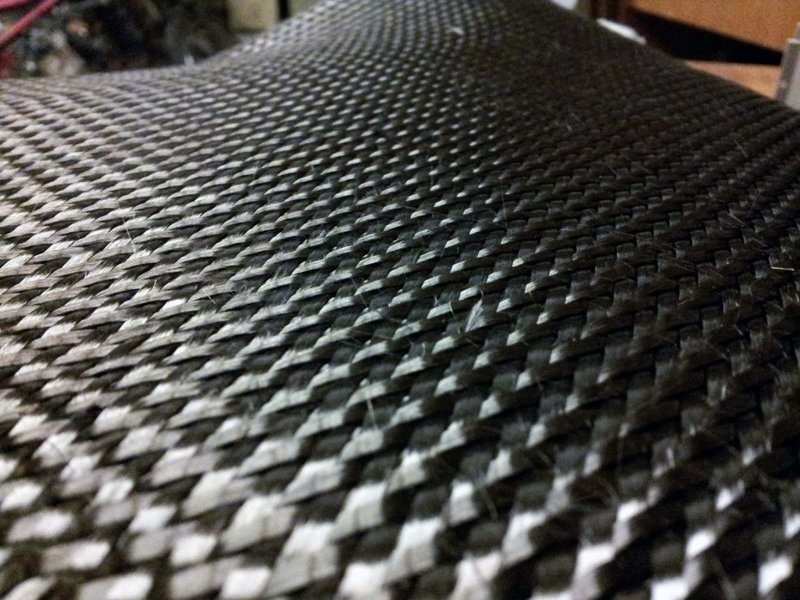
Carbon Fiber: High-strength material used in aerospace and automotive industries.
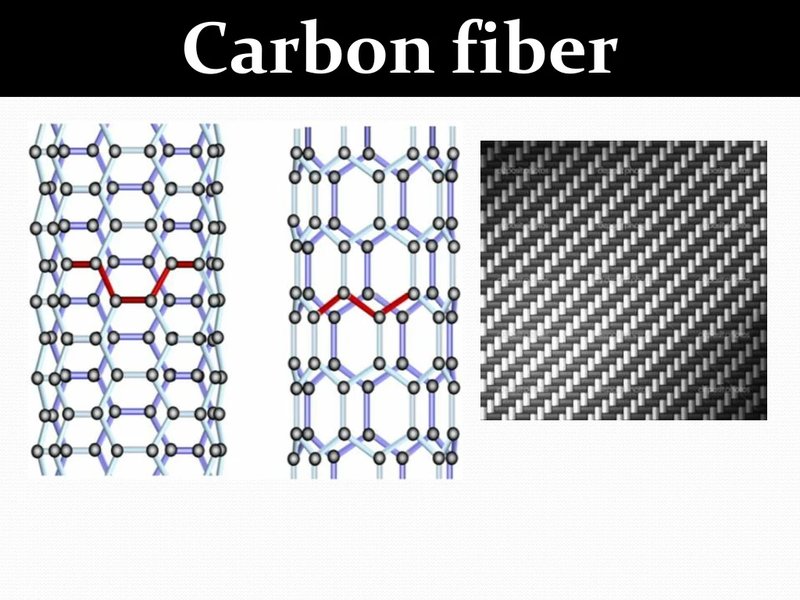
Carbon Fiber Weave: Illustrating the structured arrangement of carbon fibers for enhanced material properties.
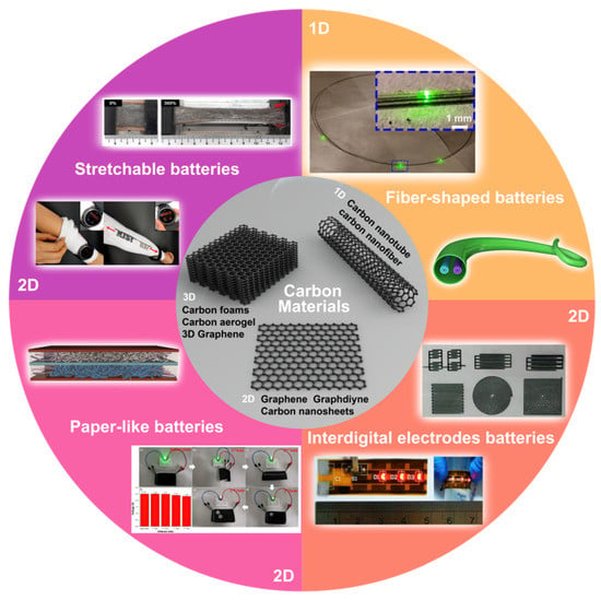
Carbon Anode Materials: Depicting the structure of carbon-based anodes for flexible energy storage devices.
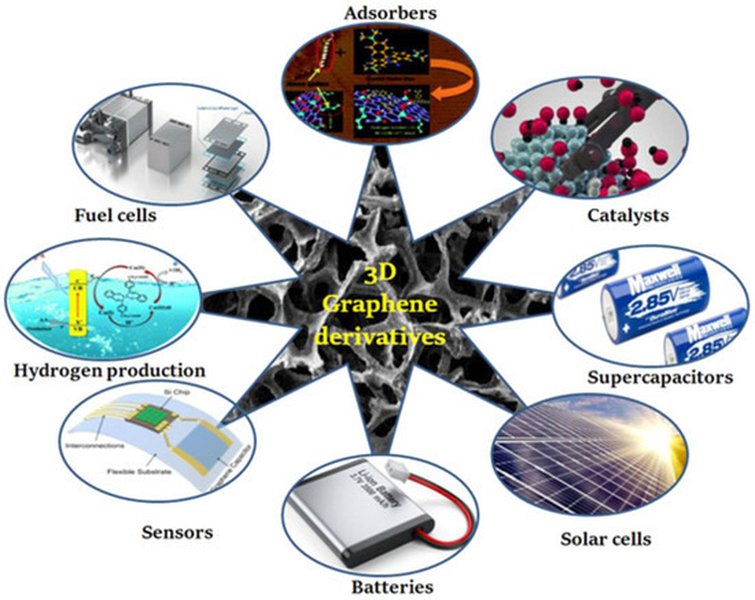
Carbon Skeleton for Supercapacitor: Visualizing the carbon framework used to enhance the performance of supercapacitors.

Carbon Nanotube Stitches: Demonstrating how carbon nanotubes strengthen composite materials.
These images illustrate the structural diversity and applications of carbon-based materials, highlighting their significance in various technological and industrial fields. From high-strength carbon fibers used in aerospace to carbon nanotubes enhancing composite materials, the visual representations underscore the importance of these materials in modern engineering and technology.
Applications in Automotive Engineering: A Closer Look
Carbon-based materials are revolutionizing automotive engineering, offering enhanced performance, safety, and sustainability. Their unique properties make them ideal for a variety of applications.
Key Applications
- Lightweighting: Carbon fiber composites replace heavier materials, reducing vehicle weight and improving fuel efficiency.
- Structural Components: Used in chassis, body panels, and interior components for increased strength and safety.
- Braking Systems: Carbon-ceramic brakes offer superior performance and durability.
- Filtration Systems: Activated carbon is used in air and fuel filters to remove impurities.
Benefits of Carbon Materials in Automotive Engineering
- Enhanced Performance: Lighter vehicles accelerate faster and handle better.
- Improved Fuel Efficiency: Reduced weight leads to better mileage and lower emissions.
- Increased Safety: Stronger materials provide better protection in accidents.
- Durability: Carbon-based components resist corrosion and wear, extending vehicle lifespan.
Future Trends
The use of carbon materials in automotive engineering is expected to grow, driven by the demand for electric vehicles and stricter emissions regulations. Innovations in carbon fiber manufacturing and composite technologies will further expand their applications.
Carbon-Based Materials in Energy Storage: Enhancing Batteries and Supercapacitors
Carbon-based materials play a pivotal role in advancing energy storage technologies, particularly in batteries and supercapacitors. Their unique properties make them indispensable for improving the performance and efficiency of these devices.
Role in Batteries
- Electrodes: Graphite is commonly used as the anode material in lithium-ion batteries due to its excellent electrical conductivity and structural stability.
- Enhanced Capacity: Carbon nanotubes and graphene are being explored to increase the energy density and charging rates of batteries.
- Conductive Additives: Carbon black and other carbon materials are added to battery electrodes to improve conductivity and reduce resistance.
Role in Supercapacitors
- Electrode Material: Activated carbon, carbon nanotubes, and graphene are used as electrode materials in supercapacitors due to their high surface area and excellent electrical conductivity.
- Improved Performance: These materials enhance the energy storage capacity, power density, and cycle life of supercapacitors.
- Flexible Energy Storage: Carbon-based materials are essential for developing flexible and wearable supercapacitors.
Future Directions
Ongoing research focuses on developing novel carbon-based materials with tailored properties to meet the growing demands for high-performance energy storage. This includes exploring new carbon allotropes, composites, and nanostructures.
Applications in Electronics: Enhancing Conductivity and Performance
Carbon materials are widely utilized in electronics due to their exceptional electrical conductivity, thermal stability, and versatile structural properties. These characteristics make them ideal for a wide range of applications.
Key Applications
- Electrodes: Carbon materials are used as electrodes in various electronic devices, including batteries, solar cells, and sensors.
- Conductive Inks and Coatings: Carbon-based inks and coatings are used in printed electronics, flexible displays, and electromagnetic shielding.
- Transistors and Integrated Circuits: Carbon nanotubes and graphene are being explored as channel materials in transistors and integrated circuits for enhanced performance and miniaturization.
- Sensors: Carbon materials are used in sensors for detecting various physical and chemical parameters, such as temperature, pressure, and gas concentration.
Advantages of Carbon Materials in Electronics
-
High Conductivity: Carbon materials exhibit excellent electrical conductivity, enabling efficient charge transport in electronic devices.
-
Thermal Stability: They can withstand high temperatures without significant degradation, making them suitable for high-power applications.
-
Mechanical Flexibility: Carbon nanotubes and graphene offer mechanical flexibility, enabling the development of flexible and wearable electronics.
-
Cost-Effectiveness: Carbon materials are relatively abundant and cost-effective compared to other conductive materials.
Future Trends
The future of carbon materials in electronics involves the development of advanced carbon-based devices with enhanced performance, flexibility, and sustainability. This includes the integration of carbon nanotubes and graphene in next-generation transistors, sensors, and energy storage devices.
Carbon Nanoparticles Applications Explained
This video, "Carbon Nanoparticles Applications Explained," provides an overview of the diverse applications of carbon nanoparticles across various fields. The video discusses the unique properties of carbon nanoparticles, such as their high surface area, electrical conductivity, and biocompatibility, which make them suitable for use in electronics, medicine, and environmental science.
The presenter explains how carbon nanoparticles are utilized in drug delivery systems to target specific cells or tissues, enhancing the efficacy of treatments while minimizing side effects. In electronics, these nanoparticles are used to create conductive inks and coatings for flexible displays and printed circuits. Additionally, the video highlights the role of carbon nanoparticles in environmental remediation, where they are used to remove pollutants from water and air.
The video is relevant because it consolidates information on the applications of carbon nanoparticles, illustrating their broad impact and potential for future advancements. By understanding these applications, researchers and engineers can further explore and optimize the use of carbon nanoparticles in innovative technologies.
Table of Applications
This table summarizes the diverse applications of carbon-based materials across various sectors, highlighting their unique properties and roles in each field.
| Application Area | Carbon-Based Material | Specific Use | Benefit |
|---|---|---|---|
| Environmental | Activated Carbon | Water and Air Purification | Removes pollutants, enhances purity |
| Energy | Graphite | Battery Anodes | Provides electrical conductivity and stability |
| Energy | Carbon Nanotubes | Supercapacitors | Increases energy storage capacity |
| Biomedical | Carbon Nanoparticles | Drug Delivery | Targets specific cells, minimizes side effects |
| Automotive | Carbon Fiber Composites | Lightweight Vehicle Components | Improves fuel efficiency, enhances performance |
| Electronics | Graphene | Flexible Displays | Enables flexible and transparent electronics |
| Construction | Carbon Fiber Reinforced Polymer (CFRP) | Reinforcing Concrete Structures | Increases strength and durability of buildings |
| Chemical Industry | Carbon Black | Filler in Rubber Products | Improves strength and wear resistance |
| Aerospace | Carbon Fiber | Aircraft Components | Reduces weight, increases strength |
| Textiles | Carbon Fibers | High-Performance Fabrics | Enhances strength and durability |
Frequently Asked Questions (FAQ)
What are the primary types of carbon-based materials?
The primary types include diamond, graphite, fullerenes, carbon nanotubes, and graphene, each with unique structural and material properties.
How are carbon-based materials used in environmental applications?
Carbon materials are used for removing pollutants from water and air, as well as for gas and liquid adsorption in purification processes.
What role do carbon materials play in energy storage?
They serve as electrodes and catalysts in batteries, supercapacitors, and fuel cells, enhancing energy storage capabilities and improving device performance.
In what ways are carbon materials used in biomedical applications?
Carbon nanotubes and graphene are used for targeted drug delivery, creating highly sensitive biosensors, and enhancing the biocompatibility of medical implants.
How do carbon materials contribute to automotive engineering?
They are used to manufacture lightweight vehicle components, enhance braking systems, and improve filtration systems, leading to better fuel efficiency and performance.
What are the advantages of using carbon materials in electronics?
Carbon materials offer high electrical conductivity, thermal stability, mechanical flexibility, and cost-effectiveness, making them ideal for electrodes, conductive inks, transistors, and sensors.
Can carbon materials improve the sustainability of various industries?
Yes, carbon materials contribute to sustainability through pollution removal, water purification, and the potential use of carbon dioxide in creating valuable materials.
References
Last updated April 11, 2025