
Unraveling Career Clarity and Enhancing Decision-Making
Strategic ways to refine career goals and navigate informed decisions
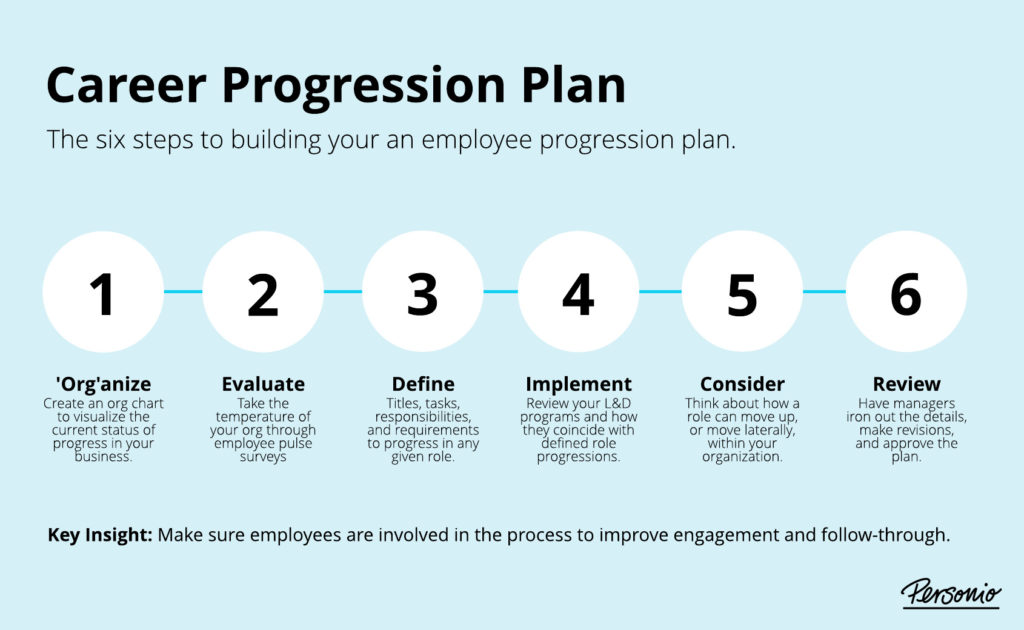
Key Insights at a Glance
- Self-Assessment and Goal Setting: Understand your strengths, values, and aspirations to set clear career objectives.
- Proactive Research and Exploration: Gather reliable information on potential career paths, using frameworks and tools for informed decision-making.
- Comprehensive Support Networks: Leverage social support, mentors, and decision-making frameworks to enhance clarity and confidence.
Understanding Career Clarity
Self-Assessment: The Foundation of Clarity
Career clarity begins with a deep introspection and rigorous self-assessment. This involves evaluating your core interests, values, personality, strengths, and transferable skills. A clear understanding of these personal elements is critical to aligning your career path with what truly matters to you. Methods such as professional assessments, reflective journaling, or even informal conversations about your aspirations can illuminate your path. Identifying your true passions not only boosts confidence but also paves the way for more efficient and targeted career decision-making.
Setting Clear and Achievable Goals
Once self-assessment is accomplished, articulating your career goals becomes the next pivotal step. Clear career objectives provide a roadmap for your professional journey. Goals should be specific, measurable, achievable, relevant, and time-bound (commonly known as SMART goals), ensuring that every decision you make is aligned with these benchmarks. A well-structured goal-setting approach minimizes uncertainty and gives direction to both short-term actions and long-term aspirations.
Strategies for Informed Decision-Making
Research and Data Gathering
With clear goals in place, the next step involves gathering pertinent information on career options that align with your objectives. This research may include:
- Exploring job descriptions and industry requirements.
- Reviewing economic and labor market data about the demand for your skills.
- Investigating potential career paths through informational interviews and networking events.
Structured research helps bridge the gap between personal aspirations and market realities. Tools such as SWOT analyses or career assessment frameworks can help measure your readiness and prepare you for challenges you may face in new roles or industries.
Frameworks and Models
Structured decision-making frameworks are instrumental in transforming raw data into actionable insights. For example:
- Pros and Cons Lists: Outline the benefits and drawbacks of various career options.
- Decision Trees: Utilize visual diagrams to evaluate potential outcomes.
- Career Decision Pyramid: A step-by-step tool that guides you through the process from self-assessment to action.
- Social Cognitive Career Theory (SCCT): Stresses the importance of self-efficacy and goal-setting to drive career success.
These frameworks not only help illuminate potential paths but also enable you to critically assess the risks and rewards associated with each decision, ensuring your route is both informed and well-planned.
Leveraging Social Support and Mentorship
Career advancement and informed decision-making are not solitary pursuits. Building a strong network of mentors and peers is invaluable. Social support can come from career counselors, industry professionals, or trusted mentors who provide:
- Constructive feedback on your career aspirations.
- Guidance based on their experiences and insights in your field of interest.
- Emotional support as you navigate career transitions and uncertainties.
A robust support system reinforces your decision-making self-efficacy. When backed by these relationships, you can approach your career choices with a higher degree of confidence and strategic insight.
Enhancing Your Decision-Making Skills
Learning from Past Experiences
Reflective practices are essential for continuous improvement in decision-making. By thoughtfully analyzing previous decisions—both successful and those that didn’t yield the desired outcomes—you can refine your decision-making process. Keeping a reflective journal or engaging in periodic self-assessments can provide insights that sharpen your future choices.
Continuous Learning and Adaptation
In today’s volatile job market, adaptability stands as a core competency. Pursuing continued learning through formal education, specialized courses, or professional workshops equips you with up-to-date knowledge and market-relevant skills. This, in turn, enables you to adapt your career strategy actively and maintain alignment with industry trends.
Implementing Decision Support Tools
Decision support tools—ranging from digital platforms to structured analytical models—empower you to make choices that are both informed and transparent. Whether it’s using online decision filters or dedicated career planning software, these tools support a more comprehensive evaluation process:
| Tool/Framework | Description | Application |
|---|---|---|
| Pros and Cons List | Lists advantages and disadvantages for each option | Simplifies decision comparison |
| Decision Tree | Visual representation of choices and their outcomes | Clarifies the implications of each decision path |
| SWOT Analysis | Evaluation of Strengths, Weaknesses, Opportunities, Threats | Assesses personal suitability for career options |
| Career Decision Pyramid | A step-wise approach to decision-making | Guides from self-assessment to actionable strategies |
| Social Cognitive Career Theory | Focuses on self-efficacy and goal orientation | Strengthens belief in one’s career decisions |
Utilizing these tools in tandem creates a comprehensive strategy where every decision is supported by thoughtful analysis and backed by quantitative and qualitative data.
Practical Steps to Boost Career Clarity
Step 1: In-Depth Self-Assessment
Initiate your journey with a detailed self-assessment:
- Conduct personality tests and strength assessments.
- Identify transferable skills and compare them with industry requirements.
- Reflect on past experiences and outline recurring themes in your successes and challenges.
Step 2: Define Career Goals Clearly
Once your self-assessment is complete, move to establishing clear objectives:
- Set SMART goals that encapsulate both short-term wins and long-term aspirations.
- Document your career mission, vision, and the criteria defining success for you.
Step 3: Conduct Rigorous Research
Research the industries and roles that capture your interests:
- Review job postings and industry trends to assess demand.
- Attend industry conferences and career fairs for firsthand insights.
- Gather data on growth projections and required skill sets.
Step 4: Engage Your Network and Seek Mentorship
Harness the power of your professional and social circles:
- Reach out to mentors for candid feedback and industry-specific advice.
- Participate in professional groups and online forums to exchange perspectives.
- Consider career coaching to gain personalized strategies and accountability.
Step 5: Adopt Structured Decision-Making Frameworks
Integrate formal decision frameworks into your strategy:
- Create decision trees and weighted scoring models to objectively compare career options.
- Utilize pros and cons lists to outline potential benefits and challenges of each option.
- Regularly review and adjust your strategies as new information surfaces.
Incorporating Theoretical Perspectives
Career Success Criteria Clarity (CSCC)
CSCC emphasizes that having well-defined success criteria—the benchmarks by which you measure career satisfaction—is directly linked to increased career focus and execution. By aligning your goals with a clear vision of what success looks like (informed by SMART analysis), you are more likely to achieve fulfilling outcomes. This concept draws on established theories like goal-setting theory, which assert that clearly defined targets catalyze higher motivation and performance.
Future Work Self and Exploration
The concept of the Future Work Self encourages envisioning your ideal professional persona. It is a motivational tool that bridges current capabilities with future possibilities. Knowing what you hope to become serves as a catalyst for engaging in proactive career exploration. When you maintain a dynamic picture of your future self, you are better prepared to pursue opportunities that align with this envisioned identity.
Social Support and Self-Efficacy
Social support not only provides emotional resilience but also bolsters your decision-making self-efficacy. Research suggests that a robust network of peers, mentors, and industry professionals can mitigate uncertainties and foster greater professional stability. Such support systems often offer insights that might not be visible from a purely self-assessment standpoint.
Reference Table for Career Clarity and Decision-Making Resources
| Resource Title | URL | Publisher/Website |
|---|---|---|
| Career Resources - Ramsey Solutions | https://www.ramseysolutions.com/career-advice/resources | Ramsey Solutions |
| Career Clarity: How to Find Meaningful Work | https://www.ihire.com/resourcecenter/jobseeker/pages/career-clarity-how-to-find-meaningful-work-free-workbook | iHire |
| Make Informed Career Choices | https://www.thebossmagazine.com/make-informed-career-choice/ | The Boss Magazine |
| 3 Essential Steps to Informed Career Decisions | https://www.growingself.com/3-essential-steps-to-make-informed-career-decisions/ | Growing Self |
| Five Steps for Career Decision-Making | https://www.careernarratives.com/blog/five-steps-for-career-decision-making | Career Narratives |
References
- Career Resources - Ramsey Solutions
- Career Clarity: How to Find Meaningful Work - iHire
- Make Informed Career Choices - The Boss Magazine
- 3 Essential Steps to Informed Career Decisions - Growing Self
-
Five Steps for Career Decision-Making - Career Narratives
Recommended Queries for Further Exploration

Last updated March 25, 2025