
Factors Influencing Students' Career Choices
Exploring the multifaceted process behind career decision-making
Key Takeaways
- Internal Factors: Personal interests, aptitudes, skills, intelligence, personality, and self-awareness form the core of career preferences.
- External Influences: Family background, socioeconomic status, peer networks, educational guidance, media exposure, and cultural trends significantly shape career decisions.
- Dynamic Decision-making: Career choice is an ongoing interplay between intrinsic motivations and external pressures, influenced by evolving market trends and personal growth.
Detailed Analysis of Influencing Factors
Internal Factors
When exploring the factors that influence students' career choices, internal factors are foundational. These factors are rooted in the individual traits and personal characteristics that guide students in envisioning their professional future. They include:
Interests and Passions
One of the most significant internal factors is a student's personal interests and passions. Many young people naturally gravitate towards careers that align with their hobbies or subjects in which they excel. For instance, a student with an intense passion for literature may lean towards careers in writing, journalism, or teaching. This intrinsic interest not only sustains motivation but also leads to a higher degree of personal satisfaction when working in a field they truly enjoy.
Aptitudes, Skills, and Intelligence
Students tend to choose career paths that reflect their inherent talents and academic strengths. Those with strong analytical skills or an exceptional aptitude for mathematics might pursue engineering, finance, or research. Similarly, a student with creative flair might excel in fields such as graphic design, fine arts, or media production. Recognizing one’s abilities and continuously honing them through education and practice further reinforces career decisions that feel both natural and rewarding.
Personality Traits and Self-Awareness
Beyond interests and skills, personality plays a crucial role in career selection. Students who are extroverted and energized by social interaction might be inclined towards careers in sales, public relations, or management. Conversely, more introspective or analytical individuals might favor research-based roles or positions that require problem-solving prowess. Self-awareness – the understanding of one’s strengths, weaknesses, values, and aspirations – is indispensable in ensuring that a career choice aligns seamlessly with one’s character and long-term objectives.
Moreover, internal factors are dynamic. As students mature, their self-perception evolves, enabling them to refine their career preferences. This personal evolution is often driven by experiences, academic achievements, and even setbacks, thereby fostering a more informed decision-making process as they progress through their educational journey.
External Influences
While internal factors lay the groundwork for career aspirations, external influences act as the broader contextual framework. These factors encompass the social, economic, and educational environment that students interact with daily. The external influences can often reinforce or sometimes even challenge personal inclinations, leading to a well-rounded, yet complex, career decision-making process.
Family Background and Socioeconomic Status
The influence of family cannot be understated. In many cases, parental opinions, family traditions, and the overall socioeconomic status of a household play pivotal roles in shaping career aspirations. Families with a strong academic or professional legacy may encourage students to pursue similar paths, whether it is in medicine, law, engineering, or another traditional field. Conversely, financial constraints or specific family expectations might force students to consider career choices that offer financial stability and security over personal interest.
Educational Environment and Career Guidance
The role of schools, teachers, and career counselors substantially influences students’ career planning. Educational institutions not only provide the technical knowledge required for various professions, but they also offer career counseling services, workshops, internships, and exposure to real-world professional scenarios. These experiences help students understand the practical implications of their educational pursuits and provide insight into future job prospects. A supportive educational environment that offers ample career guidance can empower students to make informed and thoughtful career choices.
Peer Influence and Social Networks
Friends and peers can exert notable pressure on students when it comes to career selection. The opinions, experiences, and successes of friends can serve as inspiration or as cautionary tales. Peer discussions about potential career paths, college experiences, or job market trends often contribute towards shaping one’s view of what is possible or desirable. Moreover, social networks, both offline and online, create communities where ideas and advice are exchanged, further influencing career decisions.
Media, Cultural, and Societal Trends
In today’s digital age, media exposure plays an increasingly important role in career decision-making. Television shows, online content, social media influencers, and celebrity role models can all shape perceptions about what constitutes a prestigious or desirable career. Cultural narratives and societal values – such as the importance placed on certain professions – also guide students’ choices. For example, in some communities, careers like medicine or engineering may be held in high esteem, while in others, the creative arts might be regarded as the pinnacle of professional success. These visual and perceptual cues help students assess their options in relation to societal expectations.
Economic and Market Considerations
A significant yet pragmatic aspect of career choice involves an assessment of future job market trends. Students today are more aware than ever of the need for career stability, job security, and financial rewards. Issues such as the potential for high remuneration, opportunities for promotion, and overall job stability are usually weighed alongside personal interest. This reality compels students to strike a balance between following their passion and ensuring that their career choice offers a stable and prosperous future.
Psychological and Decision-Making Factors
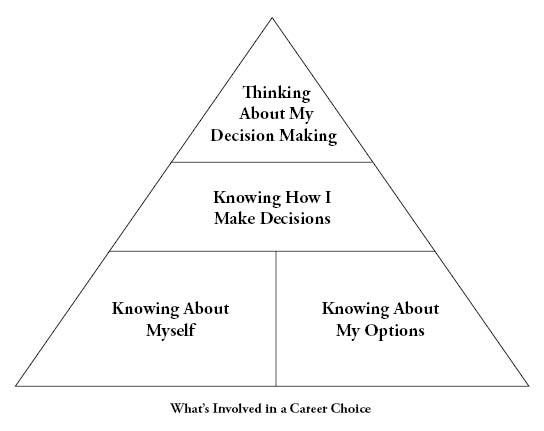
An often-overlooked area in career decision-making involves the psychological components such as career decisiveness and planning skills. Students’ levels of self-efficacy, their ability to assess risk, and their overall approach to decision-making profoundly impact their career selection process. Factors like the desire to prove oneself, fear of failure, or the motivation to break away from family or societal expectations may all play a part in refining or even redirecting one’s career trajectory. This reflective process is essential for ensuring that decisions are not impulsive, but rather, well-considered responses to a complex array of internal drives and external expectations.
Interrelationship Between Internal and External Factors
Although internal and external factors can be studied separately, in reality, their effects are deeply intertwined. For example, a student might be passionate about technology (an internal factor) yet decide against a tech career due to poor job market prospects in their locality (an external factor). Alternatively, a student who has shown exceptional aptitude for mathematics may receive strong encouragement from both parents and educators, reinforcing their inclination to pursue careers in fields like engineering or finance.
This interrelationship highlights the dynamic nature of career decision-making. As students gain new experiences—from classroom learning and extracurricular activities to part-time jobs and internships—the balance between internal desires and external realities constantly shifts. In many cases, career counselors and educators serve as mediators who help students negotiate these complex interplays, ensuring that the final career choice is both personally fulfilling and practically viable.
Summary Table of Key Influencing Factors
| Factor Type | Description |
|---|---|
| Internal Factors |
|
| External Influences |
|
The Role of Continuous Career Development
Career choice is not a single event but rather an ongoing process that evolves over time. As students transition from high school to higher education and eventually into the workforce, the factors influencing their decisions continue to adapt. Early career decisions are frequently revisited and refined through additional education, internships, and practical work experiences. The ability to reassess and realign one’s career pathway based on both immediate feedback and long-term market trends is vital.
Many educators and career development experts emphasize the importance of early exposure to diverse fields, as this broadens students' perspectives and fosters flexibility in their career planning. Successful career planning involves setting short-term and long-term goals, identifying available resources, and making continuous adjustments. This proactive approach not only mitigates the risk of career stagnation but also prepares individuals to navigate the unpredictability of modern job markets.
Bridging Personal Aspirations and Practical Realities
A crucial aspect of career decision-making involves bridging the gap between personal aspirations and the practical realities of the workforce. For many students, the decision to pursue a particular career is not solely driven by passion, but also by pragmatic considerations such as job availability, wage scales, and the potential for growth within a field. Educational institutions and career advisors can play significant roles in facilitating this bridge by offering comprehensive information about emerging sectors, necessary skill sets, and realistic career prospects.
This balanced view helps ensure that the chosen career not only aligns with a student’s internal interests but also meets practical requirements for a sustainable and satisfying professional life. For example, while a student might be passionate about the arts, understanding the market demand for creative work and exploring ways to gain financial stability in that field can lead to more strategic and fulfilling career planning.
Conclusion
In summary, the factors influencing students' career choices are both numerous and interdependent. Internal factors such as personal interests, aptitudes, intelligence, personality traits, and self-awareness create the foundation upon which career aspirations are built. These are complemented by numerous external influences, including family background, socioeconomic status, mentorship through educational and career counseling, peer influence, media exposure, and cultural trends. In today’s dynamic world, career decision-making is a continuous process that evolves as individuals gain more experience and insight into both their personal capabilities and the changing realities of the job market.
It is essential for students to engage in reflective practices, seek diverse guidance, and remain adaptable to changes in both personal interests and external conditions. Educators and policymakers can ensure that students are well-equipped to make informed decisions by providing robust career counseling, creating awareness of market trends, and fostering environments that balance personal passion with practical viability. By doing so, they empower students not only to choose a career path that resonates with their aspirations but also to achieve long-term professional success and personal fulfillment.
References
- Student Careers: What Factors Influence Career Choice - ResearchGate
- Factors Affecting Students' Career Choice - Semantic Scholar PDF
- Factors Affecting Students' Career Choice - ResearchGate
- Influential Career Factors in Education - ERIC
- Career Choice Research Thesis - UW Stout
More
Last updated February 18, 2025