
Navigating Your Cat's Car Sickness: To See or Not to See?
Discover the best practices for managing car sickness in cats with tailored strategies
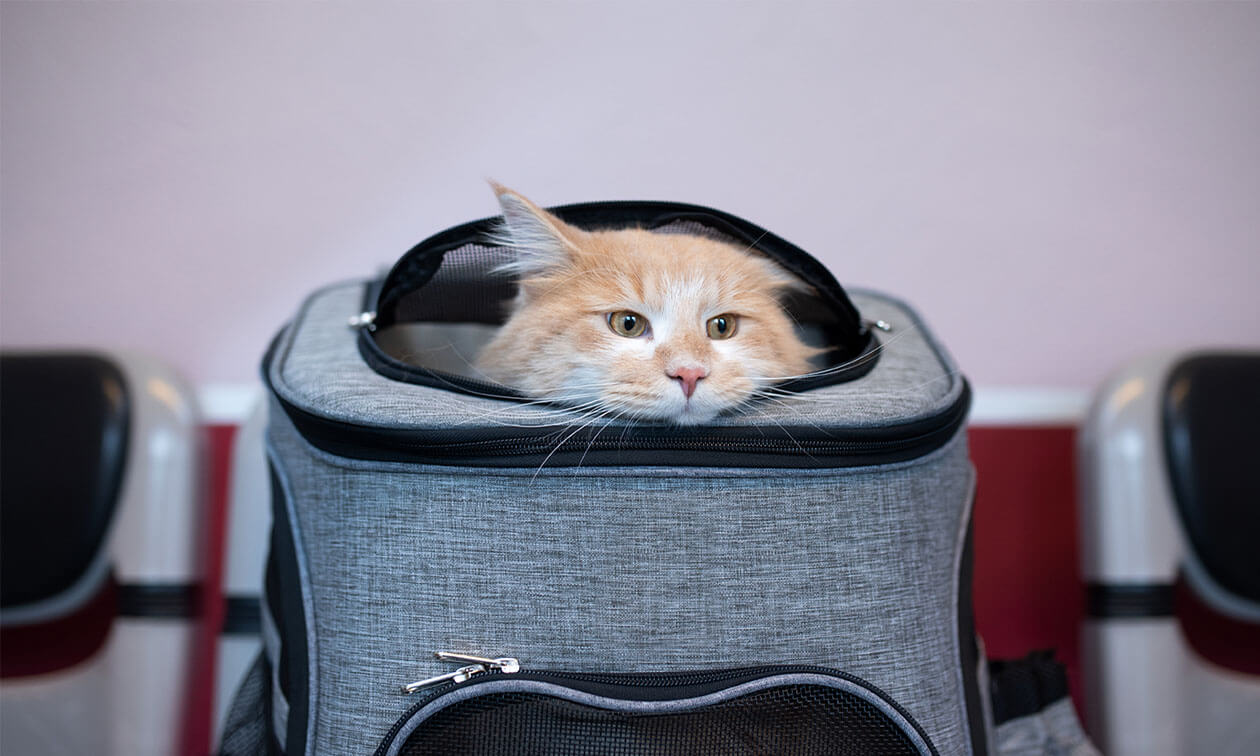
Key Takeaways
- Individual Differences Matter: Each cat reacts uniquely to car travel; some benefit from a view while others do not.
- Orientation vs. Overstimulation: A clear view can help some cats orient themselves to the motion, but may also trigger excess sensory input in others.
- Safe Acclimation and Environment: Gradual acclimatization, appropriate carrier settings, and environmental adjustments are crucial for managing car sickness.
Understanding the Dual Perspectives
When Allowing a View Can Be Beneficial
Some experts argue that letting a cat see the outside environment during travel can provide orientation cues that help them adjust to the movement of the car. For instance, when cats see the passing scenery, it can assist in aligning their internal sense of balance with the motion they feel. Although it might seem counterintuitive, visual cues might reduce the sensory conflict that leads to nausea in some cats. Additionally, proper ventilation – such as opening a window slightly – can provide the fresh air needed for a more comfortable journey.
Key recommendations for this approach may include:
- Positioning the carrier facing forward so that the cat has a clear view of the road ahead.
- Using booster seats or carriers with transparent sections that allow a controlled view.
- Ensuring the cat is securely restrained with a harness to prevent any accidents.
When Restricting the View is Preferable
Conversely, there is significant support for minimizing visual stimulation during travel, especially if a cat tends to become anxious or overwhelmed by the rapid changes in scenery. In these cases, covering the carrier or using a carrier with solid sides helps to limit the conflicting visual and sensory input that can lead to car sickness. The logic is that by restricting the view, you help avoid the sensory mismatch—where the inner ear senses movement but the eyes see a rapidly changing environment—that frequently causes nausea.
Here are strategies when you choose to restrict the view:
- Using a carrier with solid sides, or covering transparent parts with a light cloth, to minimize distractions.
- Establishing a calm and consistent environment by reducing sudden external stimuli.
- Placing the cat in a more secure area where the mobile field of vision is limited (for instance, the back seat where visual cues are less pronounced).
Assessing Your Cat's Needs: A Tailored Approach
Evaluating Individual Responses
Every cat is unique, and their experience with motion sickness can be highly individualized. Some cats may not exhibit any trouble with seeing the outside, while others might become agitated by the constant movement. It is therefore essential for pet owners to observe their cat's behavior and responses during car rides. A gradual approach to travel is recommended:
- Start with Short Trips: Begin with brief car rides to gauge your cat's stress levels and to see if a view helps or hinders them.
- Observe Behavior: Monitor for signs of nausea, anxiety, or agitation. For example, if your cat appears more relaxed and oriented when allowed a limited view, that may be the best option.
- Trial and Error: Consider testing both methods—first allowing the view and then restricting it—to determine which strategy results in a calmer ride.
Desensitization and Acclimatization
A desensitization process can be incredibly beneficial. Let your cat get used to the experience of car travel gradually by leaving the carrier out at home and taking short, controlled car trips. This helps to reduce the overall anxiety associated with the ride, whether or not the cat is allowed to see outside.
Proactive Measures Include:
- Creating a routine that the cat gets accustomed to through repeated exposure in a calm manner.
- Associating the carrier and the car with positive experiences, using treats or familiar items.
- Keeping the travel environment as stable and consistent as possible.
Additional Considerations
Besides the decision to allow or block the view, you should also consider:
- Medications: If your cat shows persistent signs of motion sickness, consult your veterinarian. Medications such as meclizine, dimenhydrinate, or maropitant can be prescribed to help manage symptoms.
- Comfort and Safety in the Carrier: Ensure that the carrier is secure, well-ventilated, and comfortable. Bedding that your cat likes and a calm atmosphere can contribute to a successful travel experience.
- Car Environment: Minimizing external noises and sudden movements inside the car further contributes to reducing stress.
Summary Table: Pros and Cons of Viewing Options During Car Rides
| Option | Pros | Cons |
|---|---|---|
| Allowing the View |
|
|
| Restricting the View |
|
|
Guidelines for Managing Your Cat’s Car Sickness
Step-by-Step Approach
The following guidelines can help determine whether your cat should see out of the window during travel:
- Evaluate Your Cat's Past Experiences: Identify if your cat has previous negative associations with car rides. Cats that have had bad experiences might benefit more from a restricted view.
- Experiment with Controlled Exposure: Try both scenarios in controlled, short trips. This will allow you to see which method reduces signs of motion sickness.
- Set Up an Optimal Environment: Choose the method that enhances the comfort of your cat. Ensure the carrier is safe, secure, and comfortable with familiar bedding.
- Use Additional Supports: Consider medication (if advised by a vet), proper ventilation, and minimizing sudden movements to improve the overall travel experience.
- Monitor and Adjust: Continuously observe your cat during the journey, making adjustments as necessary. What works on one day might need tweaking on another depending on their mood and state.
References
- Car Sickness and Motion Sickness in Cats Explained - Cats.com
- Combating Cat Car Sickness - Pet Health Network
- Motion Sickness in Cats - VCA Animal Hospitals
- Cats and Motion Sickness - PetMD
- Help Cats Battle Carsickness - Fear Free Happy Homes
Recommended Related Queries
Last updated March 23, 2025