
Exploring the Potential Link Between CBD, Lactobacillus crispatus, and HIV Risk
Unpacking the complex interplay of cannabinoids, beneficial bacteria, and their implications for health outcomes.
Key Insights
- Lactobacillus crispatus Dominance and HIV Risk: A vaginal microbiome characterized by a high prevalence of Lactobacillus crispatus is consistently associated with a reduced risk of HIV acquisition in women. This beneficial bacterium contributes to an immunoregulatory environment and helps exclude bacteria linked to increased HIV risk.
- CBD's Impact on Bacteria: Research indicates that Cannabidiol (CBD) possesses antibacterial properties, particularly against Gram-positive bacteria and certain drug-resistant strains. While some studies show CBD does not inhibit beneficial lactobacilli like L. crispatus, its overall influence on the complex microbial environment, including the vaginal microbiome, is still under investigation.
- The Gut-Endocannabinoid-Microbiome Connection: CBD is known to interact with the endocannabinoid system (ECS), which in turn influences the gut microbiome. This complex interplay suggests a potential, albeit indirect, pathway through which CBD could influence bacterial populations, including those in the vaginal tract. However, a direct link demonstrating CBD treatment specifically increasing vaginal L. crispatus and subsequently reducing HIV risk has not been conclusively established in the provided sources.
The hypothesis that Cannabidiol (CBD) treatment could potentially contribute to a lower risk of HIV by promoting the growth of beneficial bacteria like Lactobacillus crispatus is an intriguing concept that warrants exploration based on current research surrounding both substances. To understand this potential connection, we must examine the known properties of L. crispatus regarding HIV risk and the demonstrated effects of CBD on bacterial populations and the microbiome.
The Protective Role of Lactobacillus crispatus in the Vaginal Microbiome
A deeper look into how this beneficial bacterium influences local immunity and susceptibility to HIV.
The composition of the vaginal microbiome plays a critical role in women's reproductive health and susceptibility to sexually transmitted infections, including HIV. A healthy vaginal environment is typically dominated by species of the genus Lactobacillus, which produce lactic acid and other antimicrobial substances that maintain a low pH, inhibiting the growth of pathogenic bacteria.
Among the various Lactobacillus species, Lactobacillus crispatus has been particularly highlighted for its strong association with a reduced risk of HIV acquisition. Studies have consistently shown that women with vaginal microbial communities dominated by L. crispatus have a significantly lower incidence of HIV infection compared to those with more diverse bacterial communities or those dominated by bacteria associated with bacterial vaginosis (BV).
Mechanisms of Protection by Lactobacillus crispatus
The protective effects of L. crispatus are thought to be mediated through several mechanisms:
- Maintaining a Low Vaginal pH: L. crispatus efficiently produces lactic acid, which lowers the vaginal pH (typically below 4.5). This acidic environment is unfavorable for the growth of many pathogens, including those linked to increased HIV risk.
- Inhibition of Pathogen Growth: Beyond maintaining a low pH, L. crispatus can produce other antimicrobial compounds, such as hydrogen peroxide, that directly inhibit the growth of undesirable bacteria and yeast, including Gardnerella vaginalis (often associated with BV) and Candida albicans.
- Exclusion of BV-Associated Bacteria: A robust presence of L. crispatus helps to prevent the proliferation of bacteria associated with BV, which is a risk factor for HIV. BV is characterized by a shift away from lactobacilli dominance towards a mixed, anaerobic flora, leading to increased inflammation and disruption of the epithelial barrier.
- Immunomodulatory Effects: L. crispatus is associated with an immunoregulatory genital immune environment. It can influence the local immune responses in the vaginal tract, potentially reducing inflammation and the number of target cells for HIV infection (such as CD4+ T cells).
- Reinforcing Epithelial Barrier Function: A healthy lactobacillus-dominated microbiome contributes to the integrity of the vaginal epithelial barrier, which acts as a physical defense against pathogen entry.
The absence of vaginal lactobacilli and the presence of pro-inflammatory bacterial species are associated with increased HIV acquisition. Live biotherapeutic products containing L. crispatus, such as LACTIN-V (Lactobacillus crispatus CTV-05), are being investigated for their potential to restore a healthy vaginal microbiome and reduce the risk of BV recurrence and, consequently, HIV acquisition, particularly in young women in regions with high HIV prevalence.
While research on LACTIN-V has shown promising results in increasing vaginal L. crispatus colonization and reducing inflammation after BV treatment, the sustained colonization after cessation of the product remains a challenge, and further research is needed to determine its long-term impact on HIV incidence.
The Multifaceted Interactions Between CBD and Bacteria
Examining the known antibacterial properties of Cannabidiol and its influence on microbial communities.
Cannabidiol (CBD), a non-psychoactive compound derived from the cannabis plant, has gained significant attention for its potential therapeutic properties, including anti-inflammatory, anxiolytic, and analgesic effects. Emerging research also suggests that CBD possesses antibacterial activity against a range of bacteria.
Studies have demonstrated that CBD can exhibit antibacterial effects, particularly against Gram-positive bacteria, including drug-resistant strains such as Methicillin-resistant Staphylococcus aureus (MRSA). It has also shown activity against certain Gram-negative bacteria, although generally to a lesser extent, which is thought to be related to the presence of the outer membrane and lipopolysaccharide in Gram-negative species.
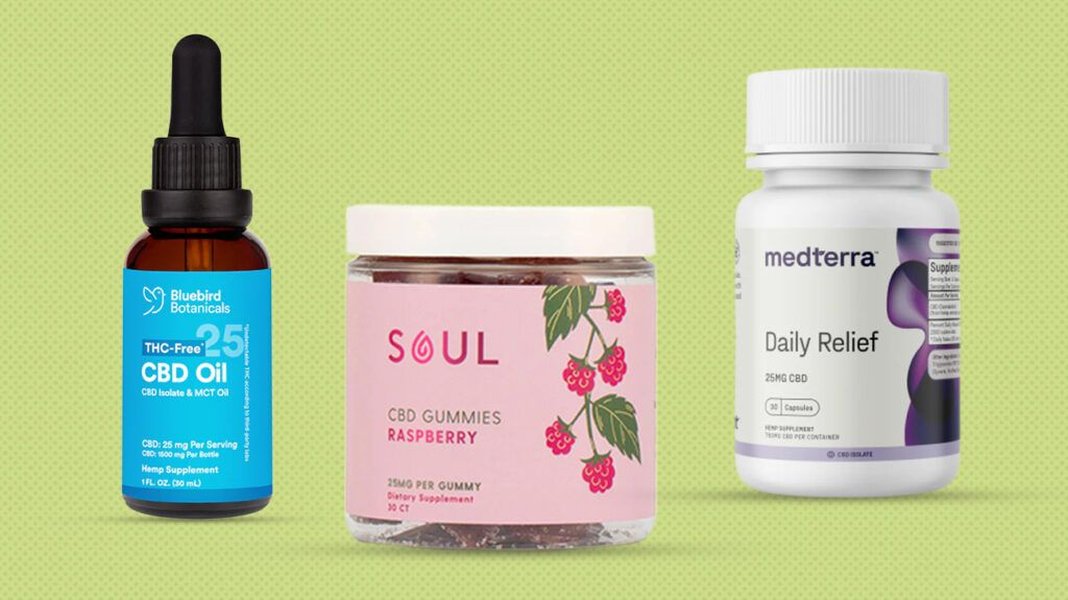
Examples of different CBD products available.
CBD's Influence on the Microbiome
The relationship between CBD and microbial communities, including the gut microbiome, is complex and still being actively investigated. Research suggests that CBD can influence the gut microbiome in several ways, such as reducing gut permeability, regulating bacterial populations, and lowering gut inflammation. Some studies in animal models have shown that CBD treatment can increase the abundance of beneficial bacteria in the gut.
The interaction between cannabinoids like CBD and the microbiome is further complicated by the endocannabinoid system (ECS), which is known to play a role in modulating inflammation and can interact with gut bacteria. The ECS may act as a bridge, relaying signals between bacteria and the body.

Microscopic view of Lactobacillus crispatus bacteria.
While there is evidence of CBD's antibacterial properties and its influence on the gut microbiome, the direct impact of CBD treatment specifically on the vaginal microbiome and, more precisely, on the levels of Lactobacillus crispatus in the vagina is less clear from the provided sources. Some research on intimate care products containing CBD and other cannabinoids has indicated that CBD isolate alone did not inhibit the growth of vaginal lactobacilli, including L. crispatus. However, this research also noted that other ingredients in some products did have an inhibitory effect, highlighting the importance of considering the entire product formulation.
Connecting the Dots: Can CBD Promote Protective Vaginal Bacteria?
Evaluating the plausibility of CBD influencing Lactobacillus crispatus levels and subsequent HIV risk.
Based on the information available, the hypothesis that CBD could contribute to a lower risk of HIV by promoting the growth of L. crispatus is a theoretical possibility that requires further direct investigation. We know that a L. crispatus-dominated vaginal microbiome is associated with reduced HIV risk, and we know that CBD has some effects on bacterial populations and the broader microbiome.
However, there is currently no conclusive evidence in the provided sources that directly demonstrates CBD treatment leads to a significant increase in vaginal L. crispatus levels in humans. While CBD has shown antibacterial activity, its specificity towards different bacterial species and its precise impact on the delicate balance of the vaginal microbiome are not fully understood.
The influence of CBD on the gut microbiome and its interaction with the ECS suggest potential indirect pathways through which it *could* influence microbial populations elsewhere in the body. However, extrapolating these effects directly to the vaginal microbiome and concluding that CBD treatment would specifically favor the growth of L. crispatus requires dedicated research in this area.
Summary of Interactions and Potential Links
To summarize the current understanding:
| Factor | Known Effects/Associations | Potential Connection to Hypothesis |
|---|---|---|
| Lactobacillus crispatus | Associated with reduced HIV risk, maintains low vaginal pH, inhibits pathogens, immunomodulatory. | Increased levels hypothesized to lower HIV risk via CBD. |
| CBD | Antibacterial properties (especially against Gram-positive bacteria), interacts with ECS, influences gut microbiome. | Hypothesized to influence vaginal microbiome and increase L. crispatus. |
| Vaginal Microbiome Health | Dominance of beneficial lactobacilli is protective against HIV. Dysbiosis (like BV) increases risk. | Maintaining or restoring a healthy microbiome with L. crispatus is key to reducing HIV risk. |
| Endocannabinoid System (ECS) | Interacts with gut microbiome, involved in inflammation modulation. | Potential indirect pathway for CBD to influence microbial communities. |
The provided sources discuss the protective effects of L. crispatus against HIV and the antibacterial properties of CBD. However, they do not establish a direct causal link where CBD treatment increases vaginal L. crispatus and subsequently lowers HIV risk. The research on CBD and bacteria is ongoing, and more specific studies focusing on the effects of CBD on the vaginal microbiome composition, particularly L. crispatus levels in humans, would be necessary to support this hypothesis.
It is important to note that while CBD shows promise in various areas, including potential antimicrobial applications, it is not a replacement for established HIV prevention methods or treatments. Any potential role of CBD in HIV prevention through microbiome modulation is currently speculative and requires rigorous scientific validation through clinical trials.
Frequently Asked Questions
What is Lactobacillus crispatus?
Lactobacillus crispatus is a species of beneficial bacteria that is commonly found in a healthy human microbiome, particularly in the vagina. It is known for its ability to produce lactic acid, which helps maintain an acidic environment, and for producing other substances that inhibit the growth of harmful bacteria.
How does the vaginal microbiome affect HIV risk?
A healthy vaginal microbiome, typically dominated by Lactobacillus species like L. crispatus, is associated with a lower risk of HIV acquisition. Conversely, a disrupted microbiome, such as in bacterial vaginosis, can increase inflammation and the presence of target cells for HIV, thus increasing susceptibility.
Does CBD kill bacteria?
Research suggests that CBD has antibacterial properties, particularly against certain Gram-positive bacteria and some drug-resistant strains. However, its effectiveness varies depending on the type of bacteria.
Can CBD change the microbiome?
Studies indicate that CBD can influence the composition of the gut microbiome and interact with the endocannabinoid system, which is linked to the microbiome. The extent and nature of these changes are still being researched.
Is there evidence that CBD increases Lactobacillus crispatus in the vagina?
Currently, the provided sources do not offer conclusive evidence that CBD treatment directly leads to an increase in vaginal Lactobacillus crispatus levels in humans. While some studies suggest CBD does not inhibit these beneficial bacteria, more research is needed to determine if it can promote their growth in the vaginal environment.
Can CBD prevent HIV?
There is no scientific evidence to suggest that CBD can prevent HIV. While research is exploring the potential interactions between CBD, the microbiome, and factors related to HIV susceptibility, CBD is not an approved method for HIV prevention or treatment. Established prevention methods, such as consistent condom use and pre-exposure prophylaxis (PrEP), should be followed.
Recommended Further Exploration
- What are the latest clinical trial results for using Lactobacillus crispatus to prevent HIV?
- Are there studies specifically investigating the effects of CBD on the composition of the vaginal microbiome?
- How does the endocannabinoid system influence vaginal health and immunity?
- What are the precise mechanisms by which bacterial vaginosis increases the risk of HIV acquisition?
References
Last updated May 17, 2025