
Navigating CCC Visit Support and Payment Documentation Challenges
Understanding the complexities and solutions for CCC visit documentation issues
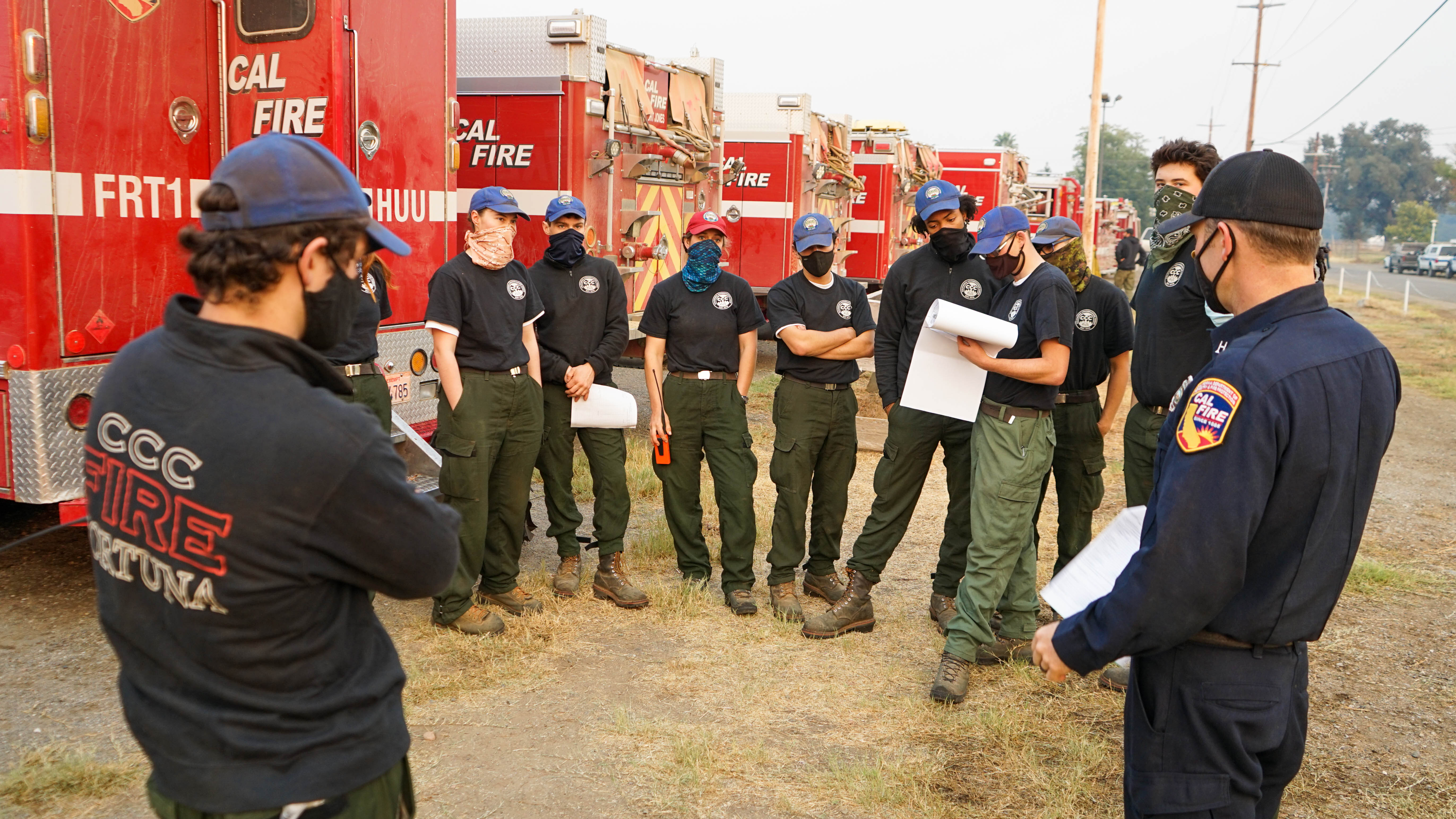
Key Highlights
- Documentation Channeling: The fire department advises using the relevant HQ or ministry channels for obtaining the required documents.
- Timelines and Process Impact: Applying via the designated channels may substantially delay the process, jeopardizing the CCC target timeline.
- Conditional Support: Without meeting document and payment requirements, CCC visit support will not be issued, underscoring the need for clear communications and swift action.
Introduction
In the context of CCC (California Conservation Corps) visits and support, the requirement for specific departmental documents and the process for cash payment have emerged as critical points of concern. The fire department has communicated that they cannot provide departmental documents exclusively for the purpose of processing payment applications, and that obtaining such documents directly could compromise the targeted timeline for CCC support. This creates a multi-layered challenge involving bureaucratic processes, time management, and the necessity of alignment between departmental requirements and administrative channels.
Understanding the Process and Stakeholders Involved
When dealing with fire department documentation in relation to CCC visits, it is important to understand not only the internal practices of the fire department but also the broader organizational framework that governs these processes. Fire departments operate under strict internal policies and local regulations that dictate how support documents are issued, verified, and utilized. In situations where CCC support is contingent on completing strict documentation and payment requirements, there are several layers of authority involved.
Multiple Levels of Administration
Typically, the fire department manages operational responsibilities such as fire safety inspections, enforcement of local codes, and oversight of fire-prevention measures. In many instances, the department’s role is primarily operational, while administrative decisions – such as those regarding payment adjustments and issuing formal support documents – are handled by higher authorities, such as the headquarters or the ministry. When the fire department issues a directive indicating that departmental documents cannot be provided for the cash payment application, it essentially redirects the responsibility to these higher-level entities. This administrative layer generally follows separate procedural protocols that can have extended processing timelines.
CCC Visit Support and Cash Payment Implications
For CCC operations to proceed effectively, there is a strict dependency on timely processing of documents and subsequent payments. The CCC program typically has clearly defined milestones and deadlines. If the application for payment support is delayed or the required documentation is not provided in a timely manner, it can lead to a cascading delay in the overall CCC schedule. As highlighted in the procedural guidelines, payment is conditioned on meeting specific documentation criteria. Failure to secure such documentation, particularly when the proper channels are delayed by bureaucratic procedures, directly impacts the issuance of CCC visits or support.
Challenges and Strategic Considerations
Given the inherent challenges posed by the current process, it is essential for stakeholders to adopt strategic measures that mitigate risk and streamline operations. Several critical considerations come into play:
Documentation Bottlenecks
One of the primary challenges is the bottleneck created by the requirement to go through higher administrative channels (HQ or ministry) to obtain the necessary documents. This step introduces a delay that can extend well beyond the CCC timeline, undermining the ability to meet set targets. The underlying issue is that the fire department, while central to operational safety, does not control the administrative apparatus required for financial disbursements and formal documentation. Thus, adherence to this process is necessary even if it disrupts the previously established deadlines.
Conditional Issuance of Support
The system as it is designed makes the issuance of CCC visit support contingent upon the submission of payment and documentation in the correct format. This conditionality places additional pressure on timely communication and ensures that all prerequisites are meticulously met. Any misalignment in this process – for instance, a delay in document procurement – results in the withdrawal of support, which is a significant operational risk for CCC targets.
Communication and Follow-Up Mechanisms
Effective and documented communication is key in navigating these challenges. Stakeholders are advised to:
Direct Inquiry and Clarification
It is imperative to contact the fire department again to ask for specific clarifications, including:
- What exactly constitutes the required documentation for cash payment application?
- What are the specific administrative steps to obtain these documents from the relevant HQ or ministry?
- Are there any known expedited pathways or exceptions during critical timelines?
Documented Communication Channels
All communications should be followed up in writing (email or official letters) to ensure there is a record of all queries, responses, and any commitments made by the department or associated administrative bodies. This documentation not only provides clarity but also supports any future appeals or escalations should process failures occur.
Alternative Strategies and Contingency Planning
Given the substantial risk of missing CCC targets, it is advisable to explore complementary strategies:
Expedited Processing Options
Investigate if there are formal mechanisms to expedite the document retrieval process from the HQ or ministry. It may involve submitting an urgent request, explaining the critical nature of the CCC timeline, or providing extra documentation to underscore the urgency.
Exploring Alternative Documentation
In parallel, verify if there are alternative documents or certifications available that could serve as acceptable substitutes. Some fire department protocols or volunteer agreements might provide evidence of compliance with necessary procedures. This could include sample documents from volunteer fire corps programs, which sometimes offer customizable templates for necessary approvals.
Engaging Higher Authorities Directly
When conventional channels appear to be untenable within the required timeframe, it could be effective to escalate the issue to higher administrative authorities directly. This step should be taken with caution and proper documentation, highlighting the challenges faced and the potential impact on CCC objectives.
A Detailed Process Overview
To better visualize the process and decision points involved, the following table provides a structured outline of the steps and corresponding actions:
| Stage | Action Required | Key Considerations |
|---|---|---|
| Initial Inquiry | Contact the fire department for clarification on documentation requirements. | Record communication and obtain explicit instructions. |
| Redirected Application | Submit application for documentation via the relevant HQ or ministry. | Consider timelines and potential delays. |
| Expedited Request | Request expedited processing if available. | Provide supporting evidence for urgency. |
| Confirmation and Compliance | Verify that all required documents are in order and submit payment. | Ensure no steps are missed to avoid support withdrawal. |
| Follow-Up | Maintain communication with both the fire department and HQ/ministry. | Keep detailed records for possible future disputes. |
Implementing the Recommendations
To manage this complex process effectively, the following recommendations are critical:
1. Establish Clear Lines of Communication
Continuous and precise communication between all parties is fundamental. Outline each step and identify contact points in both the fire department and the HQ or ministry. Prepare a clear timeline of activities and establish a feedback loop to ensure that any delays are promptly addressed.
2. Prepare Comprehensive Documentation
Anticipate requirements by gathering all potentially relevant documents in advance. This might include certifications, volunteer agreements, or any alternative forms of compliance proof that have been standardized in associated fire service or CCC operations. Make sure your submissions meet not only the formal requirements but also any supplementary proof that might expedite the approval process.
3. Engage with Higher-Level Decision Makers
Where the standard process appears too slow, proactively contact higher-level administrative bodies. Present your case in detail—emphasizing the impact that delays in documentation and payment processing will have on achieving CCC targets. This step not only helps clarify the process but may also lead to negotiating an alternative pathway or the provision of provisional support.
4. Create a Detailed Action Plan
Design an action plan that maps out each step from initial inquiry to final confirmation. This should include:
- A timeline for document submission and payment processing
- Identified contact persons and their responsibilities
- A risk management plan including escalation procedures
Contingencies and Mitigation Strategies
When facing bureaucratic delays, it is wise to prepare for contingencies. Develop backup plans in case processing through the HQ or ministry exceeds acceptable timelines. Potential strategies include:
Alternative Funding Options
Consider if there are other funding mechanisms available that do not rely on the same documentation constraints. This might involve approaching different governmental agencies or grants that support similar objectives. In some cases, local councils or community organizations may have alternative schemes that can temporarily bridge funding gaps.
Parallel Submission of Requests
At times, running parallel processes can reduce delays. For instance, while the main documentation is under review by higher authorities, check if interim or provisional documentation sourced from alternative fire department protocols or approved volunteer programs could be accepted by the CCC administration.
Documenting Every Step
Comprehensive record-keeping cannot be overemphasized. Each conversation, email, or departmental exchange should be meticulously documented. This not only ensures accountability but can prove invaluable if you need to escalate the situation or provide evidence of your compliance with established protocols.
Conclusion
In summary, navigating the intricate process involved with CCC visit support requires a thorough understanding of both the operational roles of the fire department and the administrative pathways required for documentation and payment. The current system stipulates that standard departmental documents are not issued directly for CCC cash applications, redirecting stakeholders to apply through the higher administrative channels. Recognizing the delay implications, it becomes imperative to engage in proactive communication, secure all necessary documents and prepare for contingencies to meet the CCC target timelines.
Developing a detailed action plan, expediting communication, and exploring alternative funding or documentation options are critical strategies that can help mitigate the risk of delays. By following the outlined steps and ensuring rigorous documentation throughout the process, you can enhance your chances of achieving the CCC support objectives in a timely manner.
References
- Contra Costa County Fire Protection District - Official Page
- National Volunteer Fire Council - Documents
- California Conservation Corps - Firefighting
- Los Angeles Fire Department - Documentation Forms
Recommended Queries for Further Exploration
Last updated February 27, 2025