
Unveiling the Culinary Secret: Are Celery Leaves Edible?
Beyond the stalks, discover the hidden nutritional power and surprising versatility of celery's often-discarded leaves.
Key Insights into Celery Leaves
- Fully Edible and Safe: Celery leaves, both inner and outer, are completely safe to eat and are not toxic, dispelling common misconceptions.
- Nutritional Powerhouse: They are packed with essential vitamins (A, C, K, E), minerals (calcium, potassium, iron), fiber, and powerful antioxidants, often in higher concentrations than the stalks.
- Culinary Versatility: From vibrant salads and garnishes to flavorful soups, pestos, and smoothies, celery leaves offer diverse culinary applications, enhancing dishes with their distinct aroma and flavor.
Often overlooked and discarded, celery leaves are not only edible but also a valuable and nutritious component of the celery plant. Far from being toxic, these leafy greens offer a concentrated dose of vitamins, minerals, and antioxidants, making them a healthy and flavorful addition to a wide array of dishes. Understanding their distinct characteristics and various culinary applications can transform kitchen waste into culinary delight.
Dispelling Myths: The Edibility and Safety of Celery Leaves
A common misconception leads many to believe that celery leaves might be harmful, perhaps confusing them with the toxic leaves of plants like rhubarb. However, this is categorically untrue. Celery leaves are entirely safe for human consumption, whether eaten raw or cooked. The plant produces two main types of leaves, each with unique characteristics that contribute to their culinary appeal and safety:
- Darker Outer Leaves: These are typically tougher and more fibrous, possessing a stronger, more intense, and sometimes slightly bitter flavor. Their robust nature makes them ideal for cooked applications where their flavor can meld and their texture can soften.
- Lighter Inner Leaves: These are more tender, delicate, and milder in taste, often described as herbaceous with notes similar to flat-leaf parsley. Their tender texture makes them perfect for raw preparations and as a garnish.
Both types are not only safe but also contribute distinct aromatic qualities and nutritional benefits, enriching your meals.
A Nutritional Deep Dive: The Health Benefits of Celery Leaves
Beyond their culinary appeal, celery leaves are a nutritional powerhouse, often containing higher concentrations of beneficial compounds than the stalks themselves. They are remarkably low in calories and fat, yet rich in essential vitamins, minerals, and dietary fiber, making them an excellent choice for a health-conscious diet.
Key Nutrients and Their Impact
| Nutrient Category | Specific Nutrients | Health Benefits |
|---|---|---|
| Vitamins | Vitamin A (as Beta-carotene), Vitamin C, Vitamin K, Vitamin E | Supports vision, immune function, skin health, blood clotting, bone health, and acts as an antioxidant. |
| Minerals | Calcium, Potassium, Iron | Crucial for bone strength, regulating blood pressure, fluid balance, and aiding oxygen transport in the blood. |
| Fiber | Dietary Fiber (1.2-1.6 grams per serving) | Promotes digestive health, aids in weight management by increasing satiety, and helps regulate blood sugar. |
| Antioxidants & Anti-inflammatory Compounds | Flavonoids, Beta-carotene, Luteolin, Apigenin | Combat oxidative stress, reduce inflammation, may help prevent certain cancers, and support cardiovascular health by inhibiting ACE. |
These compounds collectively contribute to a range of health benefits, from bolstering immune function and supporting bone health to exhibiting potent anti-inflammatory properties that may alleviate conditions like arthritis pain.
Culinary Versatility: Maximizing Celery Leaves in Your Kitchen
The distinct flavor profile of celery leaves—ranging from a subtle sweetness to a peppery and herbaceous kick—makes them incredibly versatile. Their ability to add brightness, aroma, and depth to various dishes means they can be incorporated into almost any meal, reducing food waste and elevating flavor.
Creative Ways to Use Celery Leaves
Raw Preparations for Freshness
The tender inner leaves are particularly well-suited for raw consumption, offering a refreshing crunch and a delicate, parsley-like flavor that brightens any dish.
- Salads: Use them as a primary green or chop them finely to mix into traditional lettuce salads, tabbouleh, or a crunchy celery and apple salad.
- Garnish: Their small, delicate appearance makes them perfect for garnishing soups, deviled eggs, sandwiches, or any dish needing a fresh visual and flavor accent.
- Smoothies and Juices: For a nutritional boost, blend them into green smoothies or fresh celery juice, adding a vibrant color and earthy flavor.
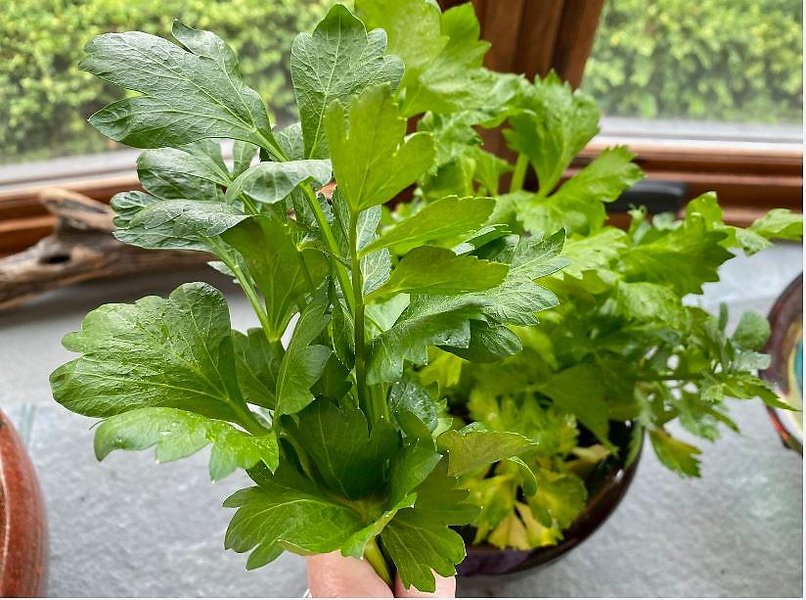
Fresh celery leaves are a fantastic base for a flavorful pesto.
Cooked Applications for Depth and Aroma
The tougher outer leaves, with their more intense flavor, excel when cooked, as heat helps to soften their texture and integrate their robust essence into the dish.
- Soups and Stews: Add chopped celery leaves to stocks, broths, and stews to infuse them with a deeper, more aromatic celery flavor. They can be cooked down with the stalks or added towards the end.
- Pesto: Create a unique and flavorful pesto by blending celery leaves with garlic, lemon zest, Parmesan cheese, and olive oil. This can be tossed with pasta, spread on sandwiches, or used as a dip.
- Stir-fries: Incorporate them into stir-fries for an unexpected, herbaceous flavor that complements other vegetables and proteins.
- Celery Salt: Dry and crush celery leaves with salt to create your own homemade celery salt, a versatile seasoning for various dishes.
Exploring the Flavor and Utility of Celery Leaves
The ability of celery leaves to add "unexpected flavor" to dishes is one of their most exciting attributes. Their nuanced taste, often described as a blend of flat-leaf parsley and a subtle peppery note, makes them a culinary secret weapon. This mindmap illustrates the diverse applications and benefits of integrating celery leaves into your cooking, showcasing how they contribute to flavor, nutrition, and sustainability in the kitchen.
Optimizing Kitchen Practices with Celery Leaves
Embracing celery leaves in your cooking is not just about taste and nutrition; it's also a step towards more sustainable kitchen practices. By utilizing the entire celery plant, you reduce food waste and maximize the value of your produce.
To illustrate the practical and nutritional benefits, let's consider the perceived culinary value versus the actual potential of celery leaves. This radar chart visualizes how various aspects of celery leaves contribute to their overall utility, comparing a common perception with a more informed perspective.
This radar chart illustrates the stark contrast between the common perception of celery leaves (often discarded) and their actual informed potential when fully utilized. While many might underestimate their nutritional value, culinary versatility, and contribution to waste reduction, an informed perspective reveals their high scores across all these dimensions. For example, 'Waste Reduction' and 'Nutritional Value' show significantly higher scores in the 'Informed Potential' dataset, emphasizing their role in sustainable and healthy eating. 'Ease of Use' is also relatively high, demonstrating that incorporating them into daily cooking doesn't require complex techniques.
The following video further emphasizes the practical aspect of using celery leaves and encourages reducing food waste in the kitchen:
This video highlights how celery leaves can be effectively used to add flavor to soups and stews, advocating for their use to minimize kitchen waste.
This video underscores the theme of zero waste and practical application, showing how a commonly overlooked part of the celery plant can be transformed into a valuable ingredient. It reinforces the idea that instead of discarding celery leaves, they can be utilized to infuse dishes with a rich, natural flavor, contributing to both taste and sustainability.
Frequently Asked Questions
Are celery leaves toxic?
What is the difference between inner and outer celery leaves?
Can celery leaves be frozen?
Do celery leaves have more nutrients than stalks?
How can I store celery leaves to keep them fresh?
Conclusion
Celery leaves are an undeniable culinary asset, offering a blend of robust flavor, significant nutritional benefits, and an excellent opportunity to reduce food waste. Their versatility in both raw and cooked preparations means they can effortlessly elevate a myriad of dishes, from simple salads to complex stews and pestos. By integrating them into your cooking, you not only enhance the taste and nutritional profile of your meals but also embrace a more sustainable approach to food preparation. So, the next time you prepare celery, remember that the leaves are a treasure waiting to be discovered and enjoyed.
Recommended Searches
- Explore creative recipes using celery leaves for main dishes.
- Delve deeper into the health benefits of anti-inflammatory compounds found in celery.
- Learn more about sustainable kitchen practices and how to reduce food waste.
- Discover how to make your own homemade celery salt from scratch.