
Inside the Journey of Cement Extraction: From Quarry to Clinker
Explore every stage of cement production with detailed insights on raw material sourcing, processing, and sustainability
Key Highlights
- Comprehensive Process Overview: Detailed steps from raw material extraction to final product formation.
- Technological and Environmental Aspects: Insight into innovative methods and sustainable practices.
- Critical Quality Control: Emphasis on precise blending, proportioning, and monitoring to ensure cement quality.
Understanding the Fundamentals of Cement Extraction
The extraction of cement is a multifaceted process that begins with sourcing the raw materials from natural deposits and moves through several meticulously controlled stages until the final product is ready for construction and infrastructure use. This process not only requires substantial technological input but also an understanding of geological, mechanical, and environmental factors. We will delve into each stage, discussing the procedures, equipment, and quality control measures that together form the backbone of cement extraction and production.
Raw Material Acquisition
The journey of cement extraction begins with the identification and extraction of raw materials. The primary materials include limestone, clay, marl, shale, iron ore, and gypsum.
Quarrying and Mining
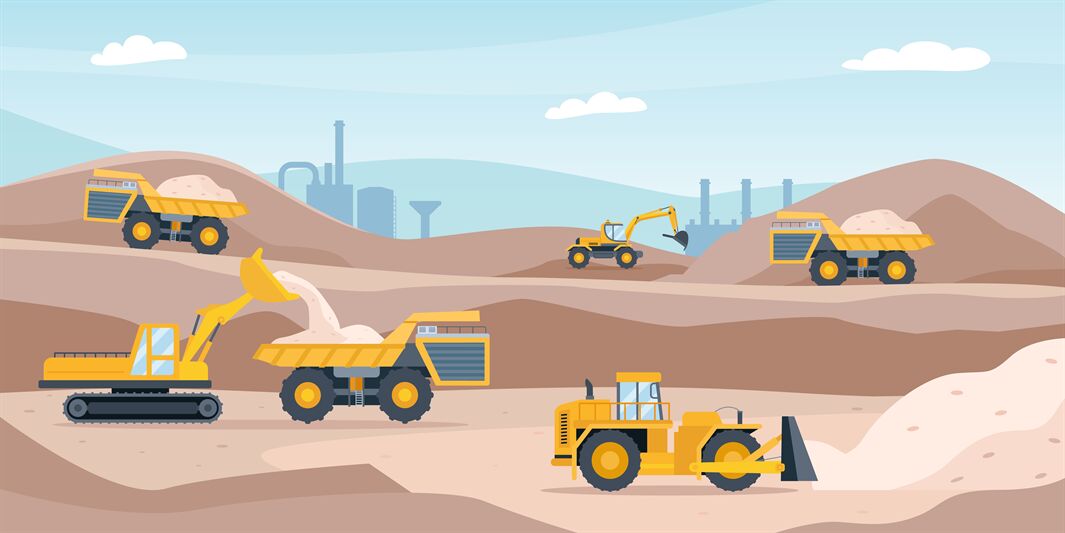
Quarrying is typically the initial step, where large blocks of rock are excavated using heavy machinery such as excavators or, in the case of harder rocks like limestone, through controlled blasting techniques. This not only allows the separation of valuable rock layers but also minimizes the disruption of the surrounding environment if proper precautions are taken. Underground mining techniques may also be used depending on the depth and location of the resource. Once extracted, these raw materials are loaded onto vehicles such as trucks or conveyed via mechanical systems to processing areas.
Crushing and Preliminary Processing
The extracted raw material is difficult to process in its raw form, which necessitates the crushing stage. Crushing is essential as it reduces the rock's size into more manageable chunks, typically around 6 inches in diameter. This facilitates easier handling and sets up the material for further processes. Secondary crushers further refine the material size. The reduction process is critical for the uniformity of the resulting raw meal.
Transportation and Movement
Following the initial crushing, the materials are transported to various parts of the plant either by truck, conveyor belts, rail systems, or cableways. Efficient transportation is paramount to maintain a continuous workflow, minimize downtime, and ensure that the raw materials remain intact for further processing.
Preparing the Raw Materials for the Kiln
Once the raw materials have been crushed to a workable size, the next critical phase involves blending and proportioning these excavated materials. The goal is to achieve a highly uniform mixture of raw materials, often referred to as the raw meal, which is essential for both the chemical reactions in the kiln and the uniformity of the produced clinker.
Blending and Grinding
The blending process involves mixing various raw materials in precise ratios. For instance, the high-calcium compounds found in limestone are balanced with the silicates, aluminates, and ferrites found in clay and other ingredients. This balance is crucial as the chemical composition directly influences the performance characteristics of the final cement.
Grinding Techniques
Grinding further refines the raw meal, reducing the rock particles into fine powder. This can be achieved through dry or wet grinding methods. With dry grinding, the material is processed without water, resulting in energy savings and greater environmental benefits compared to wet processes, though each method has its suitability depending on the raw material's moisture content. High-performance mills, such as ball mills or tube mills, are typically used to produce a homogenous blend with minute particle sizes.
The Role of Beneficiation
In some cases, the raw materials may not naturally possess the required purity, especially in terms of calcium content. To rectify this, beneficiation techniques such as froth flotation are employed. This process helps to remove impurities like excess silica or alumina, thereby improving the overall quality of the limestone. The refined material thus ensures optimal reactions in the subsequent kiln stage.
Thermal Processing: From Raw Meal to Clinker
The next major phase in cement production is thermal processing, also known as calcination. This stage represents a transformation of the raw meal into clinker through intense heat. The calcination process is both energy-intensive and technically demanding, requiring precise temperature control.
Kiln Firing
The blending and finely ground raw meal are fed into a rotary kiln where they are heated to extremely high temperatures—typically in the range of 1400 to 1600°C. Within this environment, the raw meal undergoes a complex series of chemical reactions:
Clinker Formation
At these temperatures, the components partially fuse to form nodules known as clinker. The mineral phases formed during the sintering process include alite (tricalcium silicate) and belite (dicalcium silicate), which are critical for the strength and durability characteristics of the final cement. The process of sintering (or clinkerization) is designed to maximize efficiency and consistency, ensuring that the clinker maintains uniform chemical and physical properties.
Cooling and Clinker Storage
Following the high-temperature treatment in the kiln, the heated clinker must be cooled quickly to preserve its reactive properties. Rapid cooling stabilizes the clinker and prevents the development of undesirable crystalline structures. Once cooled, the clinker is stored in silos or conveyed to the next phase of processing where it will be ground into cement.
Final Processing and Environmental Considerations
After clinker production, the final phase in cement extraction involves grinding the clinker and mixing it with gypsum and other additives. This final grinding produces the fine powder known as cement.
Grinding and Additive Integration
The entire clinker production is geared towards achieving a product that meets specific engineering properties. During the final grinding stage, a small amount of gypsum is added. Gypsum acts as a retarder for the cement's setting time, ensuring that the cement remains workable for longer periods during concrete formation. Ball mills, roller presses, or vertical roller mills are typical equipment used for this purpose.
Final Product Packaging and Distribution
Upon completion of the grinding process, the cement is either stored in large silos for bulk distribution or packaged into bags. Both storage and handling must be carefully managed to avoid contamination and degradation of the final product. Efficient and safe packaging ensures that cement retains its engineered properties until it reaches the construction site.
Environmental and Energy Considerations
The cement extraction and production process is highly energy-intensive, and it has significant environmental impacts, primarily in terms of carbon dioxide emissions. The high-temperature processes, particularly clinker formation in the kiln, result in substantial energy consumption, derived from fossil fuels or alternative fuels. As the cement industry faces increasing pressures to reduce its carbon footprint, ongoing research is focused on fuel substitution, improved energy efficiency, alternative raw materials, and carbon capture technologies.
Several innovations, such as the dry grinding process versus the older wet process, have not only contributed to energy savings but also reduced water consumption and overall environmental impact. Additionally, the use of industrial byproducts like fly ash and slag, as substitutes for conventional raw materials, are being incorporated into the mix to enhance sustainability.
Comprehensive Process Overview Table
| Stage | Description | Key Equipment/Methods |
|---|---|---|
| Raw Material Extraction | Extraction of limestone, clay, marl, shale, iron ore, and gypsum from quarries/mines using blasting or heavy machinery. | Excavators, Blasting, Trucks, Conveyor Belts |
| Crushing and Transportation | Reduction of raw materials to manageable sizes followed by efficient transportation to processing plants. | Jaw Crushers, Secondary Crushers, Trucks, Conveyors |
| Blending and Grinding | Mixing of crushed materials in precise proportions to obtain a uniform raw meal; subsequent fine grinding. | Ball Mills, Tube Mills, Blenders |
| Heat Treatment (Calcination) | Heating of raw meal in a rotary kiln at 1400-1600°C to form clinker through sintering. | Rotary Kilns, Cooling Grates |
| Clinker Grinding and Additive Integration | Grinding of cooled clinker and mixing with gypsum to produce cement. | Ball Mills, Roller Presses, Vertical Mills |
| Packaging and Distribution | Storage in silos or bagging of cement and distribution through various transportation modes. | Silos, Bagging Machines, Trucks |
Connecting the Dots: Quality, Efficiency, and Sustainability
To ensure that every bag of cement meets stringent quality standards, the entire extraction process is rigorously monitored and controlled. Sensors and automated systems continuously measure the chemical composition of the raw meal, the temperatures inside the kiln, and the particle sizes produced during grinding. These monitoring systems allow engineers to make real-time adjustments that optimize the process, ensuring a consistent and reliable quality output. Efficiency plays a key role in maintaining both economic viability and reducing the environmental footprint of the cement production process.
Quality Control Measures
Accurate blending requires close monitoring of the raw material feed to prevent deviations that could affect the chemical composition of the clinker. Advanced quality control systems ensure that any variation is detected immediately, allowing adjustments in proportions or processing parameters. Modern facilities deploy computer-based analyses that simulate the reactions occurring inside the kiln, thereby driving improvements in product quality and operational efficiency.
Sustainability Initiatives
Sustainability is a growing focus, with innovations designed to reduce energy consumption and greenhouse gas emissions. For instance, substituting coal with alternative fuels, recovering waste heat, and employing carbon capture technologies are several initiatives currently under research or active implementation. Additionally, the use of industrial byproducts not only helps mitigate waste but also creates a regressive source of raw materials that improves both environmental and economic parameters.
Practical Implications in Today’s Cement Industry
The detailed processes explained above are now standard practice in modern cement plants worldwide. The integration of new technologies, monitoring systems, and sustainable practices are steadily transforming the industry. Increasing regulatory pressures and a global push toward sustainable building practices drive the continuous improvement of cement manufacturing strategies. Companies are investing in advanced research to further refine the extraction and processing techniques, ensuring that they meet both market demands and environmental standards.
Operational Efficiency
Operational efficiency is key to reducing production costs. For example, by optimizing the proportioning of raw materials and using energy-efficient grinding technologies, plants are able to significantly reduce waste and operational expenditures. Continuous process improvements not only lower reliability issues but also enhance throughput, ensuring that supply meets the ever-increasing construction demand.
Market Impact
The cement industry is central to the global construction market. With urban infrastructure expanding rapidly, the quality and reliability of cement directly impact the safety and durability of buildings and other structures. Understanding the fundamental extraction and processing stages helps industry professionals make informed decisions regarding raw material sourcing, process automation, and environmental management.
References and Further Reading
- Cement Building Material: Extraction and Processing - Britannica
- Cement Making Process - Cement Plant Supplier
- Manufacturing Process of Cement - Mech Forged
- The Cement Manufacturing Process - Thermo Fisher Scientific
- How Cement is Made - Portland Cement Association
Recommended Explorations
Last updated March 24, 2025