
Exploring Central China's Car Brands and Industrial Impact
A comprehensive analysis of the automotive brands driving Central China's industrial cluster
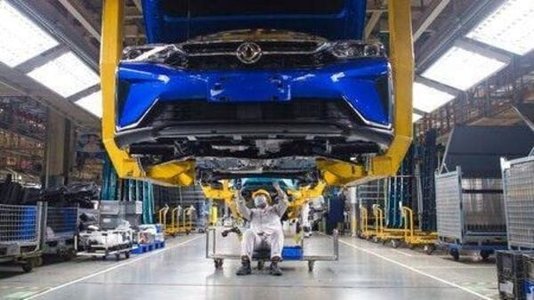
Key Highlights
- Convergence of Major Players: Comprehensive insights into both traditional and electric vehicle manufacturers like Dongfeng, SAIC, GAC, and BYD.
- Regional Impact: Detailed examination of how the Central China industrial cluster—especially hubs like Wuhan—affects automotive production capacities.
- Government and Market Synergies: Exploration of industry support initiatives and strategic joint ventures that bolster the region's automotive prowess.
Overview of Central China's Industrial Cluster
Regional Significance
The Central China industrial cluster has emerged as one of the most strategically important regions in the Chinese automotive landscape. Traditionally known for robust manufacturing capabilities, this cluster has diversified its portfolio from conventional combustion vehicles to electric vehicles (EVs) and advanced automotive components.
Cities like Wuhan, along with regions in Hubei, Henan, and Hunan, feature prominently. The region not only provides vast production capacities but also leverages geographic and logistic strengths, attracting investments from domestic and international collaborations. Prominent government policies have further spurred innovation in the automotive sector with an emphasis on new energy and sustainable manufacturing practices.
Prominent Car Brands and Manufacturers
Major Automotive Players in the Region
The automotive industry in Central China is marked by the presence of established state-owned enterprises alongside rising electric vehicle innovators. Below are some of the most significant car brands and manufacturers located within this industrial cluster:
1. Dongfeng Motor Corporation
Dongfeng is one of the leading automotive manufacturers headquartered in Wuhan, Hubei. The company is renowned for its expansive product lineup, which spans multiple brands and includes vehicles designed for various market segments. Dongfeng's portfolio encompasses products under labels such as Voyah, M-Hero, Aeolus, Forthing, and Nammi. Additionally, the company actively participates in joint ventures with international brands like Honda and Nissan, enhancing its technological and production capacities.
2. SAIC Motor Corporation
Although SAIC Motor Corporation is widely known as a national giant in the automotive industry, its operations significantly impact the Central China cluster, particularly through its facilities in cities such as Zhengzhou. SAIC is responsible for well-known brands like MG and Roewe, and its continuous investments in the region have helped boost annual production capacities beyond 440,000 vehicles. SAIC's presence in Central China underscores the region's role in the broader national strategy of automotive manufacturing prowess.
3. GAC Group and GAC Aion
GAC Group, and its subsidiary GAC Aion, have established a formidable presence in the region, especially in the context of electric vehicle production. GAC Aion has been particularly instrumental in consolidating the region’s reputation as an EV hub. Its emphasis on high-quality and affordable EVs has resonated well in domestic markets, and the brand continues to expand its model range amidst intense competition.
4. BYD
BYD, while a national powerhouse in the automotive world, has also leveraged the industrial capabilities of Central China to support its aggressive expansion in electric vehicle technology. With experience in producing plug-in hybrids, battery electric vehicles, and a variety of automotive solutions, BYD's influence in this region contributes to the dynamic evolution of local automotive ecosystems.
5. Chang'an Automobile Group
As a state-owned enterprise, Chang'an Automobile Group has a profound impact on the Central China market. Although its headquarters is traditionally associated with other regions, its significant footprint in Central China underscores its role in producing a diverse array of passenger and commercial vehicles. Chang'an’s continued investment in research and development has positioned it as a key contributor to the local industrial cluster.
6. Additional Notable Mentions
Other noteworthy players active in the Central China cluster include companies like BAIC Motor, Haval, and Great Wall. BAIC, for instance, is known for its diverse range of vehicles and has manufacturing facilities dispersed across central locations. Meanwhile, brands such as Haval, typically associated with SUVs and crossovers, and Great Wall, known for producing robust and market-adaptable vehicles, have also tapped into the region's comprehensive manufacturing ecosystem.
Data Table: Summary of Car Brands in Central China
| Brand/Manufacturer | Key Products/Segments | Headquarters or Key Hub | Notable Collaborations |
|---|---|---|---|
| Dongfeng Motor Corporation | Passenger vehicles, commercial vehicles, EVs | Wuhan, Hubei | Joint ventures with Honda, Nissan |
| SAIC Motor Corporation | MG, Roewe, advanced production units | Zhengzhou (Central China cluster) | Collaborations in production enhancements |
| GAC Group / GAC Aion | Electric vehicles, affordable EV models | Multiple hubs including Central China | Strong domestic market integration |
| BYD | Electric vehicles, plug-in hybrids | Integral manufacturing presence regionally | Comprehensive vertical integration |
| Chang'an Automobile Group | Passenger cars, commercial vehicles | Significant footprint in Central China | State-supported R&D initiatives |
| BAIC Motor & Others | Diverse vehicle lineup, SUVs (Haval) | Distributed across the region | Various joint ventures and partnerships |
In-Depth Analysis
Market Dynamics and Growth Drivers
The growth of the Central China automotive cluster is influenced by several synergistic factors:
- Government Support: Policies focused on promoting new energy vehicles and modern manufacturing practices have attracted significant investments and spurred technological innovations.
- Joint Ventures and Collaborations: Strategic alliances, such as Dongfeng’s partnerships with international brands, have boosted production capabilities and enhanced market competitiveness. These joint ventures facilitate the exchange of technology and best practices, leading to improved product quality.
- Regional Specializations: The cluster is not limited to a single type of vehicle production; rather, it specializes in both conventional combustion engines and cutting-edge EV technologies. This dual capacity allows the region to cater to diverse market demands.
- Innovation in Electric Vehicles: The region’s focus on EVs, exemplified by brands like GAC Aion and BYD, positions it at the forefront of the transition toward sustainable mobility. Investments in battery technology, safety features, and affordability initiatives have solidified Central China’s reputation as an EV hub.
- Logistics and Infrastructure: The geographical advantages, including connectivity and access to key transportation routes, facilitate efficient distribution of vehicles. This infrastructure supports both domestic distribution and exports.
Impact on the National Automotive Landscape
Central China’s automotive industry not only contributes substantially to the national output but also serves as a testing ground for innovative manufacturing processes and technologies. By leveraging its position within the broader China industrial ecosystem, the region has been successful in:
- Enhancing production efficiency through modern assembly lines and smart manufacturing techniques.
- Developing a diverse portfolio that ranges from traditional vehicles to next-generation electric models.
- Fostering collaborations between research institutions, government bodies, and private enterprises to accelerate product development.
- Strengthening brand competitiveness on the global stage, with several regional players making inroads into international markets.
These factors have collectively ensured that Central China remains a critical pillar in China’s broader strategy for advancing its automotive production and innovation bases.
Sector Challenges and Opportunities
Challenges in the Automotive Industry
While the benefits of the Central China industrial cluster are noteworthy, the region also faces several challenges:
- Intense Competition: With multiple players operating in the same domain, brands are challenged to continuously innovate and differentiate their offerings.
- Supply Chain Pressures: Global supply chain disruptions and shortages in key components can impact production schedules and overall vehicle quality.
- Regulatory Changes: As environmental standards tighten, manufacturers must invest heavily in research and development to comply with new norms, which may increase production costs.
- Technological Disruptions: Rapid advancements in electric vehicle technology and autonomous driving present constant hurdles, necessitating sustained investment in innovation to keep pace with global trends.
Opportunities for Growth
Despite these challenges, the Central China industrial cluster is well positioned to harness several opportunities:
- Expansion of EV Production: With increasing consumer demand for sustainable mobility, the electric vehicle segment continues to be a key growth area, particularly for brands like GAC Aion and BYD.
- Technological Collaborations: Continued partnerships between domestic manufacturers and international technology firms lead to improved vehicle designs and modernized production practices.
- Infrastructure Investments: Government initiatives aimed at improving logistics and industrial infrastructure will further streamline production and export processes.
- Market Diversification: By leveraging both domestic and international demand, manufacturers can diversify their product portfolios and mitigate risks associated with market fluctuations.
Regional and Future Perspectives
Sustaining Growth Through Innovation
The dynamism of the Central China industrial cluster lies in its continual evolution and adaptability. As market demands shift toward greener technologies and smart mobility, local manufacturers are likely to see further enhancements in:
- Investment in R&D: Increased allocation of funds towards research initiatives that inform next-generation vehicle technologies.
- Digital Transformation: Incorporation of digital tools and smart manufacturing techniques to optimize production and supply chain management.
- Cross-Sector Collaboration: Synergies between automotive manufacturers, tech companies, and academic institutions drive robust ecosystem development.
- Global Market Integration: With many brands now expanding internationally, the focus on compliance, quality control, and innovation is paramount to securing global market share.
Looking Ahead
The future for Central China’s automotive cluster appears promising. Continued governmental support coupled with strategic international partnerships is expected to bolster production capacities. Manufacturers are actively pursuing avenues to enhance efficiency through smart automation, while simultaneously investing in environmentally sustainable technologies.
This strategic combination of regional strengths, coupled with a focused set of innovation drivers, ensures the Central China industrial cluster will remain a crucial part of China's overall automotive narrative in the years to come.
References
- China Daily - Yangtze River Delta Automotive Cluster
- Induqin - China’s Industry Clusters Overview
- Yicai Global - Central Cities Auto Production
- Wikipedia - Automobile Manufacturers and Brands of China
- CarLogos - Largest Car Production City in China
Recommended Related Queries
Last updated March 28, 2025