
Capturing the Comfort of Century Egg and Pork Congee
Visualizing the Rich Texture and Ingredients of a Classic Chinese Dish
Century Egg and Pork Congee (皮蛋瘦肉粥, Pídàn Shòuròu Zhōu) is a beloved Chinese rice porridge, renowned for its comforting texture and distinctive flavor profile. It's a dish often associated with breakfast, dim sum, or a soothing meal when feeling unwell. Creating a compelling image generation description for this dish requires focusing on its key visual and textural elements, as well as the prominent ingredients.
Key Visual Highlights for Image Generation
- Creamy Rice Porridge: The congee itself is the base, characterized by its thick, smooth, and often slightly gelatinous consistency. The rice grains are typically broken down significantly from long simmering.
- Distinctive Century Eggs: These preserved duck or chicken eggs are a central visual element. Their appearance is unique, with a dark, translucent, jelly-like "white" and a creamy, often greenish-grey "yolk." They are typically sliced or cut into chunks and scattered throughout or placed on top.
- Tender Pork: Lean pork, often shredded or minced, is another essential component. It should appear tender and well-integrated into the congee, providing a savory contrast to the richness of the egg.
Crafting an Image Generation Description
To generate an accurate and appealing image of Century Egg and Pork Congee, the description should be detailed and evocative, focusing on the visual characteristics of the dish. Here's a breakdown of elements to include:
Describing the Congee Base
The congee's texture is paramount. Use words that convey its comforting and smooth nature.
Phrases to Consider:
- Creamy rice porridge
- Thick and smooth congee
- Silky rice gruel
- Rice grains broken down
- Steaming hot porridge
You can also specify the color, which is typically an off-white or light beige.
Highlighting the Century Eggs
The visual impact of the century eggs is crucial due to their unique appearance. Describe their color, texture, and placement.
Phrases to Consider:
- Slices of century egg
- Chunks of preserved egg
- Dark, translucent egg white
- Creamy, greenish-grey yolk
- Scattered throughout the congee
- Placed on top as a garnish
Mentioning the contrast between the dark eggs and the light congee can enhance the description.
Depicting the Pork
The pork adds a savory element and contributes to the dish's heartiness. Describe its preparation and appearance.
Phrases to Consider:
- Shredded lean pork
- Minced pork
- Tender pork strips
- Integrated into the congee
- Savory pork pieces
Adding Garnishes and Toppings
Congee is often served with various garnishes that add color, flavor, and texture. Including these in the description enhances the realism and appeal of the image.
Common Garnishes:
- Chopped scallions or green onions
- Shredded ginger
- Crispy fried shallots
- A drizzle of sesame oil
- White pepper
- Cilantro
- Chinese doughnuts (youtiao) on the side
Specify which garnishes should be visible and how they are presented.
Setting the Scene
Consider the context in which the congee is typically served. This can influence the overall mood and style of the image.
Contextual Elements:
-
Served in a ceramic bowl
-
On a wooden table
-
Simple and comforting setting
-
Warm lighting
-
Steam rising from the hot congee
Example Image Generation Descriptions
Here are a few examples of how to combine these elements into a comprehensive description for image generation:
Example 1 (Detailed):
A close-up shot of a bowl of steaming hot Century Egg and Pork Congee. The congee is thick, creamy, and off-white, with visible broken-down rice grains. Scattered throughout are chunks of century egg, showing their dark, translucent whites and creamy, greenish-grey yolks. Tender shreds of lean pork are mixed in with the congee. The dish is garnished with finely chopped green onions, thin strips of ginger, and a drizzle of sesame oil. The lighting is warm, highlighting the comforting nature of the dish.
Example 2 (Focus on Texture):
An image emphasizing the creamy texture of Century Egg and Pork Congee. The congee is a smooth, almost velvety rice porridge in a simple ceramic bowl. Large pieces of century egg, with their distinct dark jelly and lighter yolk, are partially submerged in the congee. Delicate strands of shredded pork are also visible. The image has a soft focus, drawing attention to the comforting consistency of the porridge.
Example 3 (Including Side Elements):
A top-down view of a breakfast spread featuring Century Egg and Pork Congee. A bowl of creamy congee with century egg chunks and shredded pork is the centerpiece, topped with fresh scallions and ginger. Beside the bowl are crispy Chinese doughnuts (youtiao) and a small dish of white pepper. The scene is set on a rustic wooden table, suggesting a warm and traditional meal.
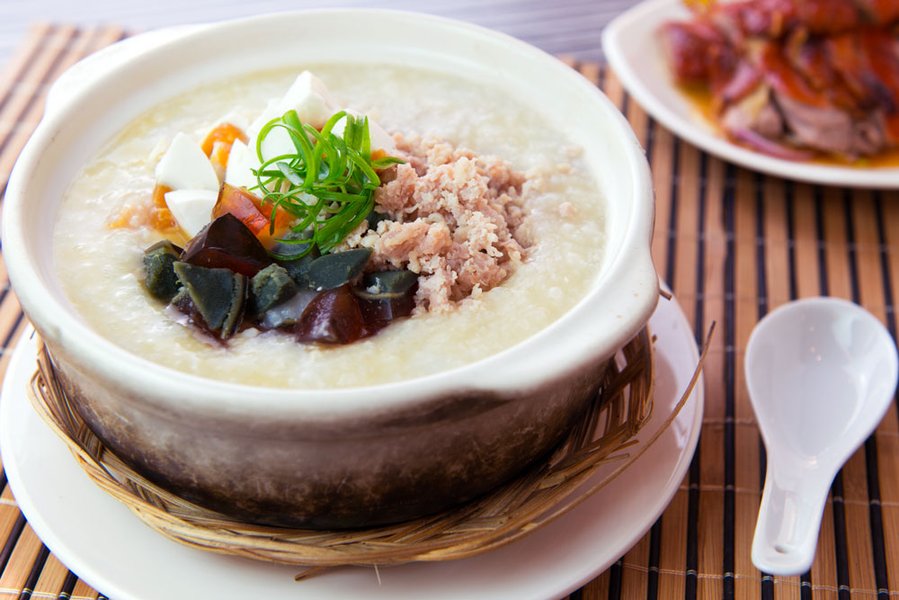
A bowl of Century Egg and Pork Congee, ready to be enjoyed.
Essential Ingredients and Their Visuals
Understanding the key ingredients and their visual contribution is vital for accurate image generation. Here's a table summarizing the essential components:
| Ingredient | Typical Appearance | Visual Contribution to Congee |
|---|---|---|
| Rice | White grains (often broken down) | Forms the creamy, thick base; gives the porridge its characteristic texture. |
| Century Egg (皮蛋) | Dark, translucent "white"; creamy, greenish-grey "yolk"; often sliced or chunked. | Adds dark color contrast, unique texture (jelly-like and creamy), and a distinct, rich flavor. |
| Pork (Lean Pork/Shredded Pork) | Light pink to white when cooked; often in shreds or small pieces. | Provides a savory element and tender texture within the smooth congee. |
| Ginger | Light yellow; typically shredded finely. | Adds a pop of light color and fine texture when used as a garnish. |
| Scallions/Green Onions | Green and white rings or finely chopped. | Provides vibrant green color and a fresh, crisp visual contrast. |
| Sesame Oil | Clear to light brown liquid. | Often appears as a glossy sheen on the surface of the congee. |
Variations and Additional Details
While the core ingredients are consistent, variations exist. Some recipes might use different cuts of pork, such as pork ribs for added flavor, or include dried scallops for depth. You can incorporate these details into your description if you want to generate an image of a specific variation.
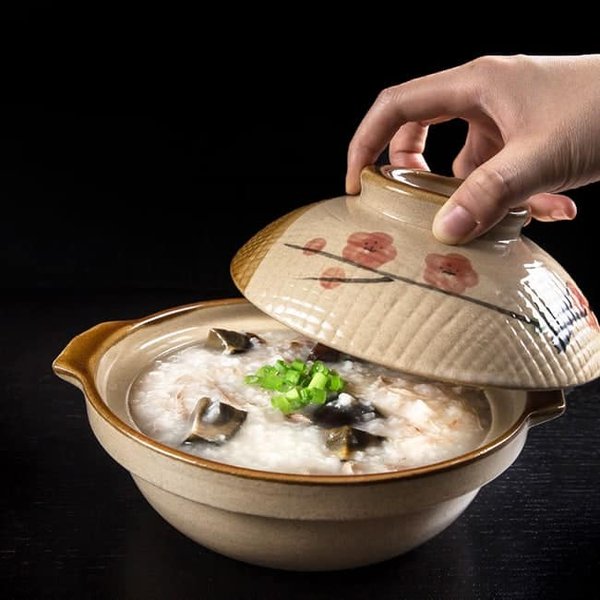
Century Egg and Pork Congee can also be made using a pressure cooker for faster preparation.
Mentioning the cooking method (e.g., slow-cooked or pressure cooker) can also subtly influence the perceived texture in the generated image, with slow-cooked congee often appearing creamier.
Cultural Significance and Context
Adding a touch of the dish's cultural significance can enrich the image generation prompt. Century Egg and Pork Congee is a comfort food, often eaten when sick or as a warm breakfast. Describing it as "soothing," "heartwarming," or a "classic Cantonese dish" can help the AI capture the intended mood and feeling of the image.
Visualizing the Process (Optional)
For a more dynamic image or a series of images, you could describe different stages of preparation, such as the rice simmering or the ingredients being added. However, for a single image of the final dish, focusing on the finished presentation is usually sufficient.
FAQ
What are century eggs made of?
Century eggs, also known as preserved or alkalized eggs, are traditionally made by preserving duck, chicken, or quail eggs in a mixture of clay, ash, salt, lime, and rice hulls for several weeks to months. This process transforms the yolk and white into their distinct color and texture.
Why is century egg and pork congee considered comfort food?
The creamy and easily digestible nature of the congee makes it a soothing dish, especially when someone is feeling unwell. The savory pork and the unique flavor of the century egg add depth and satisfaction, contributing to its status as a beloved comfort food in Chinese culture.
Can other types of meat be used in century egg congee?
While pork is traditional, variations exist. Chicken is a common alternative, offering a lighter flavor. Some recipes might also incorporate dried seafood like scallops for additional umami.
References
Last updated May 6, 2025