
How to Eat Cereal
A Comprehensive Guide to Perfect Your Cereal Experience
Essential Highlights
- Customization is Key: Whether you prefer a crunchy bite or a softer texture, adjust your milk-to-cereal ratio to suit your taste.
- Variety Enhances Experience: Explore additives like fruits, nuts, seeds, or even a drizzle of honey to elevate nutritional value and flavor.
- Flexible Methods: Experiment with different approaches such as pouring milk first or cereal first to find the method that works best for you.
Understanding the Basics
Eating cereal might seem straightforward, yet it is an activity that allows for significant personalization and creativity. At its core, the process involves choosing the right cereal, preparing your bowl, adding a liquid, and enjoying the meal. However, a closer look reveals a variety of techniques designed to optimize flavor, texture, and even nutritional benefits.
Choosing Your Cereal
The first step is selecting a cereal that aligns with your dietary goals and taste preferences. From high-fiber whole grain options to sweeter varieties, your chosen cereal largely influences your overall experience. Consider the following when making your selection:
Factors to Consider
- Nutritional Content: Look for cereals low in added sugars and rich in essential vitamins and minerals if you're health-conscious.
- Texture and Ingredients: Whether you prefer flakes, clusters, or puffed grains, the texture can change dramatically when mixed with milk.
- Dietary Preferences: Gluten-free, organic, or fortified cereals are options for those with specific nutritional needs.
Preparing the Bowl
The presentation and initial preparation of your cereal can set the tone for your dining experience. A well-prepared bowl can ensure that each bite maintains the right balance between crispness and the soft texture provided by the milk.
Steps for an Ideal Bowl
- Portion Control: Begin by pouring an appropriate serving of cereal into the bowl. A standard serving is typically about one cup (approximately two handfuls), though this can be adjusted based on appetite or dietary guidelines.
- Bowl Selection: Use a bowl that is wide enough to allow proper mixing, and consider the depth to ensure cereal doesn’t immediately sink into milk.
- Initial Mix Consideration: Decide if you want to add fruit or nuts at this stage to enhance both the visual presentation and nutritional benefits.
Exploring Techniques for Milk and Cereal Combination
One of the most debated aspects of eating cereal is the order in which you add milk and cereal. Both methods have strong advocates, each with unique merits.
Cereal First, Then Milk
Many traditional cereal consumers advocate for pouring cereal first, ensuring that each flake or piece is evenly coated with milk when poured over. This method provides you with better control over the milk-to-cereal ratio.
Advantages
- Control Over Texture: Adding milk gradually helps you identify the perfect balance that maintains enough crunch without becoming overly soggy too quickly.
- Visual Appeal: You can see the cereal cascade into the milk, allowing you to gauge when the milk is absorbing too much or too little.
- Customization: This method easily accommodates additional toppings like fruit slices or nuts, as the base remains predominantly dry until milk is added.
Milk First, Then Cereal
A more controlled approach involves pouring the milk first. This method is especially useful for those who want to ensure an optimal cereal-to-milk ratio, minimizing the risk of the cereal absorbing too much milk and losing its crunch.
Advantages
- Precise Ratio: Pouring milk first allows you to see exactly how much liquid is available and add cereal accordingly, promoting consistency in every bite.
- Controlled Soaking: It prevents accidental over-soaking, keeping a portion of the cereal crunchy while the rest softens just enough to enhance flavor.
- Balanced Texture: You can achieve a dynamic contrast by initially adding cereal to create crunchy bits followed by a few more pieces later if needed.
Innovative Techniques
Beyond the two main methods, experimentation with innovative techniques can further enhance your cereal-eating experience.
Dynamic Pouring Techniques
- "Single Stream" Method: Pour milk into one section of the bowl rather than dispersing it evenly, letting you enjoy both crunchy and softened cereal in every spoonful.
- Gradual Cereal Replenishment: Start with a small serving of cereal and add more gradually, ensuring that the cereal maintains its texture over the course of the meal.
- Enhanced Toppings: Incorporate additional layers by topping your cereal with ingredients like chopped fruit, nuts, seeds, or a swirl of nut butter. This not only boosts nutritional value but also adds appealing textures.
Additional Variations and Enhancements
Beyond the basic approaches, various strategies are available to elevate your cereal consumption experience. Personal preferences can lead you to creative approaches that mix other foods or alter the type of liquid used.
Nutritional Boost and Flavor Additions
For those looking to enhance the nutritional content and flavor of their cereal, consider combining ingredients that add both health benefits and taste complexity.
Popular Additions
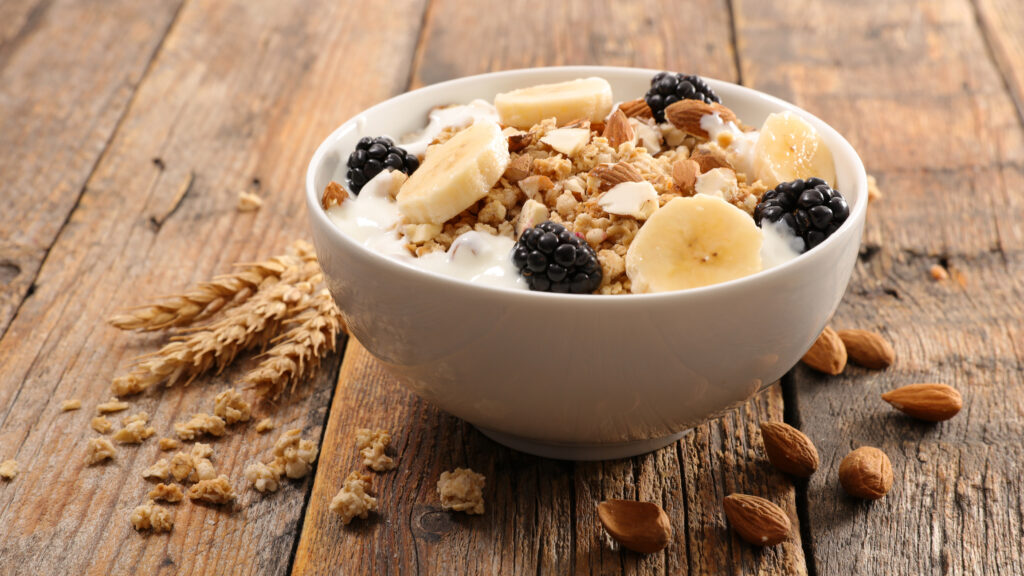
- Fresh Fruits: Sliced bananas, berries, or strawberries provide natural sweetness and essential vitamins.
- Nuts and Seeds: Add crunch, protein, and healthy fats. Almonds, walnuts, chia seeds, and flax seeds are excellent choices.
- Sweeteners and Spices: A drizzle of honey, a dash of cinnamon, or even a sprinkle of sugar can make your bowl more delectable without overwhelming the natural taste of the cereal.
- Protein Enhancements: Some prefer adding a scoop of nut butter or even protein powder, especially for a filling breakfast option.
Alternative Serving Methods
Not all cereal consumption needs to follow the traditional bowl-and-spoon format. There are various methods to enjoy cereal, each offering unique benefits based on convenience, portion control, or simply personal preference.
Alternative Approaches
- Snack-Sized Portions: Serve your cereal in a coffee mug or a small bowl for a light snack during the day.
- Dry Consumption: Some individuals prefer eating cereal dry, either as a snack or to enjoy the natural texture, before adding a splash of milk or a yogurt dip on the side.
- Mixed Methods: Incorporate both dry and milk-soaked cereal by adding cereal in stages, ensuring you have a mix of textures throughout your bowl.
Comparative Approach Table
The following table summarizes the various techniques for eating cereal, highlighting key factors such as the order of addition, benefits, and ideal tasting experience.
| Technique | Method | Advantages | Considerations |
|---|---|---|---|
| Cereal First | Pour cereal into bowl, then add milk |
|
|
| Milk First | Pour milk into bowl, then gradually add cereal |
|
|
| Single Stream Method | Pour milk in one spot then distribute cereal |
|
|
| Gradual Replenishment | Add small amounts of cereal gradually |
|
|
Additional Considerations and Tips
The art of eating cereal goes beyond just combining cereal and milk. It encompasses an overall experience that combines sensory pleasure with nutritional benefits. Here are some further insights:
Texture, Temperature, and Timing
The overall texture of your cereal can significantly vary based on factors such as the duration of exposure to milk, the temperature of your milk, and even the type of cereal used. For instance, pouring hot milk into a bowl of crunchy cereal might quickly change the dynamic, softening it before you have a chance to enjoy the crunch. On the other hand, using very cold milk tends to maintain the structure of the cereal longer, allowing you more time to savor the original texture.
Practical Tips
- Watch the Clock: If you like your cereal crunchy, consume it soon after adding milk. If a softer texture is your preference, allow the cereal to absorb the milk and settle for a few moments before eating.
- Experimentation: There is no single "correct" method. Experiment with pouring orders, milk temperature, and topping combinations to find the perfect balance that works for you.
- Customization Over Convention: Enhance your bowl with personal touches — whether it's a touch of cinnamon, a handful of berries, or even a small scoop of nut butter — to enrich both the flavor and nutritional profile.
Regional and Cultural Variations
While cereal is often associated with breakfast in many Western countries, cooking and serving cereal can vary based on cultural norms and regional preferences. In some locales, the method of cereal consumption is intertwined with social habits or morning routines, with some even considering cereal a snack rather than a full meal. However, regardless of these differences, the underlying principle remains that the approach should complement one’s taste and lifestyle.
References
- How to Eat a Bowl of Cereal: 14 Steps (with Pictures) - wikiHow
- How to Eat Your Favourite Cereals - Nestlé Cereals
- How to Eat Cereal? - Chef's Resource
- Right Way to Eat Cereal? - Reddit
- Is There a Right Way to Eat Your Cereal? - Today
Recommended Related Queries
Last updated March 16, 2025