
Understanding Cession Treaties
A comprehensive exploration of treaties transferring territorial sovereignty
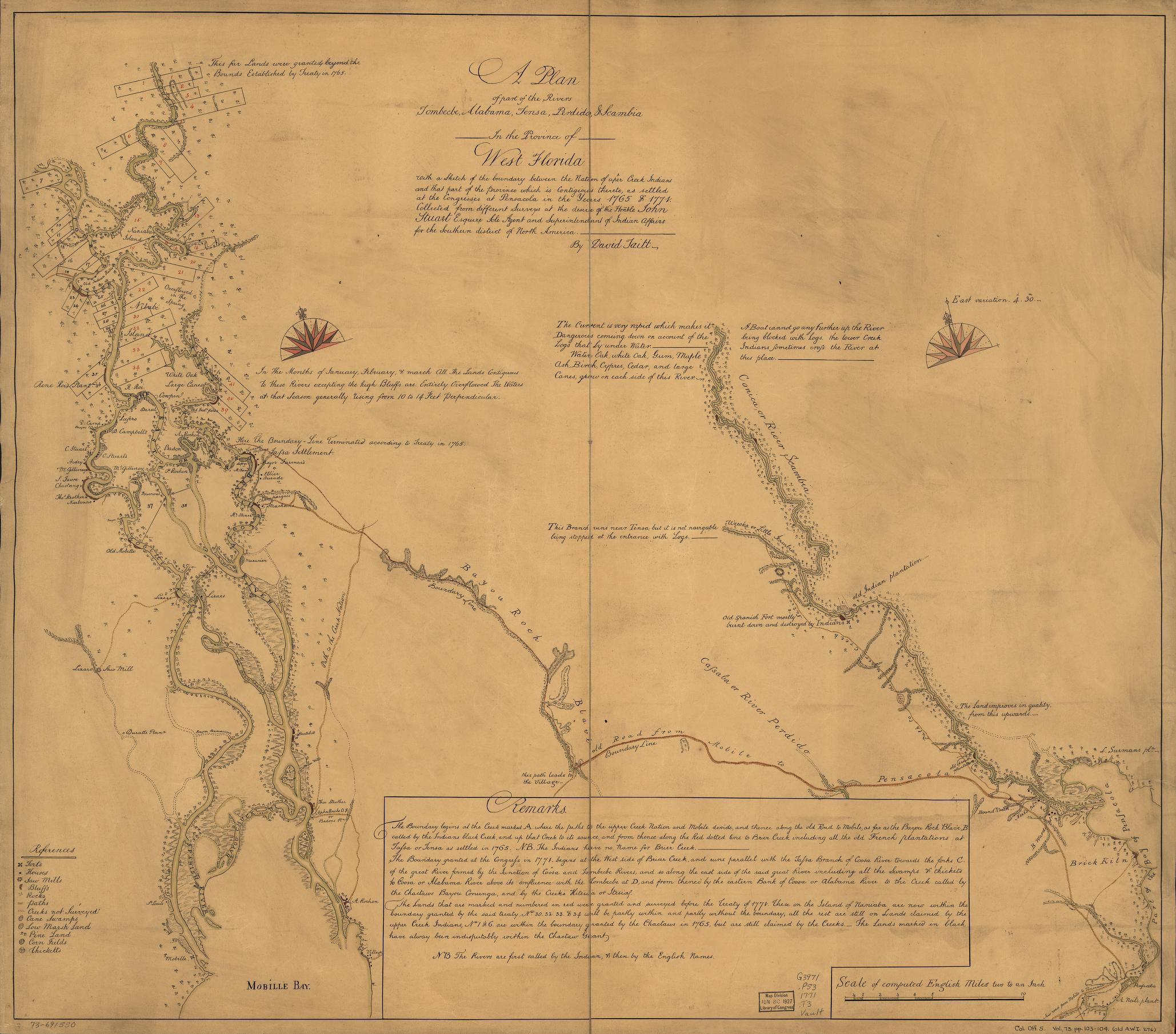
Highlights
- Voluntary Transfer of Territory – Cession treaties involve mutual consent between states, ensuring that the transfer of land is conducted peacefully and through legal means.
- Legal and Diplomatic Significance – These agreements are binding contracts under international law, shaping national boundaries and political relationships.
- Historical Impact and Examples – Numerous historical events, such as the Adams-Onís Treaty and the Treaty of Guadalupe Hidalgo, highlight the role of cession treaties in territorial expansion and dispute resolution.
Introduction
A cession treaty is a formal agreement between sovereign states wherein one nation voluntarily transfers territory or sovereignty over a piece of land to another nation or state. These treaties are distinct from other forms of territorial changes, such as annexation or secession, primarily because they occur through negotiated and consensual processes. The legal commitment embedded in a cession treaty often includes detailed provisions stipulating boundaries, compensation, and additional political or economic benefits in return for the controlled territory.
Historical Context and Significance
Development Through History
The evolution of cession treaties has significantly influenced the shaping of national boundaries and the balance of power among nations. Throughout history, these treaties have served as instruments for resolving territorial disputes, managing post-war settlements, and facilitating peaceful interactions between countries. They gained particular prominence during periods of territorial expansion, such as in 19th-century United States history, when treaties like the Adams-Onís Treaty and the Treaty of Guadalupe Hidalgo resulted in substantial changes in land ownership and boundary delineation.
Key Historical Examples
One of the well-cited examples is the Adams-Onís Treaty of 1819, whereby Spain ceded Florida to the United States in exchange for clarifying boundary disputes and obtaining compensation in the form of financial or territorial concessions. Similarly, the Treaty of Guadalupe Hidalgo of 1848 resulted in Mexico ceding a large portion of its territory, including present-day California, New Mexico, among others, to the United States. Other notable instances include the Louisiana Purchase and the Alaska Purchase, where territories were acquired through negotiated settlements that provided strategic, economic, and political advantages to the receiving nation.
Characteristics of Cession Treaties
Cession treaties possess several defining characteristics that differentiate them from other territorial changes:
Legal Framework
At their core, cession treaties are legally binding contracts recognized under international law. They articulate the terms of the territorial transfer, ensuring that both the cedent (state transferring the land) and the cessionary (state receiving the land) adhere to the agreed conditions. To be valid, such treaties must be ratified by the involved governments, and often, later by their legislative bodies.
Voluntary Transfer and Consent
Unlike annexation, where territory is seized by force, cession treaties are characterized by the voluntary involvement of the parties. This mutual consent underscores the diplomatic nature of the process, aligning it with peaceful state practices and respecting international norms and legal standards.
Compensation and Concessions
Frequently, such treaties include provisions for compensation. The ceding party may receive monetary payments, territorial exchanges, or other political or economic incentives. These compensatory measures are intended to balance the interests of both parties, making the agreement equitable and acceptable in the eyes of domestic and international stakeholders.
Documentation and Clarity
The agreements are meticulously documented, covering intricate details about the specific boundaries of the transferred territory, administrative responsibilities, and future obligations. This precision helps prevent future disputes by providing a clear legal reference point for the demarcation of national borders.
Implications of Cession Treaties
Political and Diplomatic Ramifications
The adoption of a cession treaty often signifies a turning point in international relations. By transferring territory through a mutually agreed process, nations can defuse tensions and foster a more stable geopolitical environment. These treaties are pivotal in transforming hostile interactions into cooperative strategies, often marking the end of protracted conflicts or disputes.
Stabilization of International Relations
With clear and legally enforceable terms, cession treaties help in stabilizing relations between countries. When one nation cedes territory in exchange for compensation or future considerations, both parties recognize the new status quo, reducing the likelihood of renewed conflicts over disputed areas.
Economic and Territorial Benefits
For the cessionary, acquiring new territory can result in significant economic opportunities, such as natural resources, strategic port locations, or fertile lands. Conversely, the cedent may benefit from diplomatic support, economic compensation, or the resolution of costly conflicts. These aspects of the treaty ensure that both nations can advance their national interests, whether through economic development or broader political alliances.
Legal and International Implications
In legal terms, the binding nature of cession treaties means that they are often invoked in border disputes or in legal contexts where historical agreements need interpretation. International law views these treaties as authoritative documents that define sovereign rights over specific territories. The persistent reference to these treaties in legal arguments underscores their lasting significance.
Resolving Disputes and Setting Precedents
Cession treaties have been critical in resolving territorial disputes, often serving as legal precedents in international courts and arbitration panels. The clear demarcation of borders and mutual concessions facilitates the legal adjudication of any further disagreements regarding land rights.
Influence on National Identity and Sovereignty
Beyond the legal realm, cession treaties impact national narratives and the sense of identity among the peoples involved. For instance, the historical significance of treaties like the Treaty of Guadalupe Hidalgo in reshaping national borders carries emotional and cultural weight, influencing how nations and their populations perceive their history and territorial integrity.
Practical Aspects of Cession Treaties
Negotiation and Ratification Process
The processes leading up to the establishment of a cession treaty are complex and multifaceted. They involve prolonged negotiations that may take years and necessitate the participation of multiple stakeholders, including diplomatic representatives, legal experts, and political leaders.
Diplomatic Negotiations
Diplomatic negotiations play a pivotal role in the creation of these treaties. They involve detailed discussions and compromises regarding the specific terms of the land transfer, the compensation provided, and any additional conditions that may influence the future of the involved territories. The success of these negotiations often determines whether the treaty is acceptable domestically and internationally.
Ratification and Legal Formalities
Once the negotiation phase concludes, the draft treaty is presented for ratification by the respective governments. This process typically involves legislative bodies, and in some cases, referenda or other forms of public consent. The ratification is critical because it solidifies the treaty as a binding legal contract under international law.
Management of Transferred Territories
The aftermath of a cession treaty requires effective management of the newly transferred territories. This management takes various forms, depending on the resources, population, and strategic importance of the land:
| Aspect | Details |
|---|---|
| Administrative Transition | Post-treaty, the cessionary state establishes administrative control, redefining local governance structures and integrating the territory into its national system. |
| Economic Integration | The acquired territory often undergoes economic reforms and infrastructure development to align with the cessionary state's economic frameworks. |
| Cultural and Social Impacts | The change in sovereignty can lead to shifts in cultural identity, affecting local traditions and prompting initiatives to integrate the population within the broader national identity. |
| Future Dispute Prevention | Clear demarcation and legal documentation in the treaty help mitigate future conflicts, providing an official record for reference in any territorial disputes. |
This table illustrates that successful management of the transferred territories involves not only administrative adjustments but also measures to ensure economic development and cultural integration.
Comparative Analysis: Cession versus Other Territorial Changes
Distinguishing Features
It is essential to compare cession treaties with other forms of territorial changes, particularly annexation and secession, to appreciate their unique characteristics:
Cession Treaties vs. Annexation
While a cession treaty involves a voluntary and negotiated transfer of territory, annexation is typically characterized by the forceful acquisition of land. In annexation, the acquiring state does not necessarily compensate the ceded nation, and the process is often met with international criticism and legal challenges. In contrast, cession treaties emphasize mutual agreement, legal clarity, and often include compensation and diplomatic assurances.
Cession Treaties vs. Secession
Secession involves a region or territory withdrawing from an existing state to form an independent state or join another country. Unlike cession treaties, which are initiated and agreed upon by both involved states, secession is frequently unilateral and may be driven by internal movements seeking independence. Cession treaties, therefore, are more about the reallocation of territory between sovereign entities rather than the emergence of a new state.
Legal Framework and International Law
Treaties in International Law
In the realm of international law, treaties serve as formal agreements between states that are legally binding on the parties involved. For a cession treaty, the legal framework ensures that the agreement is recognized internationally and plays a crucial role in establishing and maintaining established borders. Once ratified, the treaty gains status as part of customary international law and can be cited in legal disputes that might arise concerning the interpretation of territorial boundaries.
Legal Precedents and Jurisprudence
Cession treaties rarely stand in isolation; they are part of a larger corpus of international agreements that govern territorial disputes. Legal precedents set by past treaties are often used to guide current and future negotiations, ensuring continuity in international law. Courts and arbitration panels refer to the detailed provisions laid out in these treaties when resolving disputes, thereby reinforcing the importance of precise and transparent treaty language.
Case Studies: Notable Cession Treaties
Several historical treaties serve as benchmarks for understanding the practical implications of cession treaties:
- The treaty in which Spain gave up Florida to the United States demonstrated how negotiated settlements can peacefully resolve disputes while expanding national territories.
- The agreement following the Mexican-American War, whereby Mexico ceded significant territories, underscored how compensated territorial concessions can alter the geopolitical landscape of a region.
- Various other treaties, such as those involving the cession of territories in Asia and the Pacific, illuminate the broad impact of such agreements on global politics and international relations.
Contemporary Relevance and Future Perspectives
Modern Applications of Cession Treaties
Although the most famous examples of cession treaties are rooted in historical events, the principles underlying these agreements continue to resonate in modern international relations. Today, nations may still resort to negotiated territorial adjustments to resolve border disputes amicably, especially in regions where historical claims intersect with contemporary geopolitical realities.
Evolving International Norms
Modern international law has further refined the processes associated with territorial transfers. With the rise of organizations such as the United Nations, there is a stronger emphasis on peaceful resolution and collaborative negotiation. This has led to renewed interest in using cession treaties as tools for conflict resolution, ensuring that territorial changes are achieved with adherence to human rights and sustainable development goals.
Regional Conflicts and Diplomatic Solutions
Regions experiencing lingering territorial disputes sometimes resort to mediation and international arbitration, where principles derived from historical cession treaties help guide settlement terms. By examining past cases and adopting modern negotiation strategies, nations can forge agreements that not only resolve current conflicts but also set the stage for long-term diplomatic and economic cooperation.
Challenges and Criticisms
Despite their historical success and legal robustness, cession treaties are not without their criticisms and challenges. Historical instances have occasionally involved imbalances of power where the cedent was under pressure to agree to unfavorable terms. In many cases, indigenous populations have been adversely affected when treaties stipulate the transfer of lands without adequate representation or compensation.
Ethical Considerations
The negotiation of cession treaties often exposes ethical dilemmas, especially when considering the rights and sovereignty of indigenous peoples. In several historical contexts, these treaties were used as legal instruments to dispossess native populations, raising questions about the fairness and enduring impacts of such agreements. Contemporary revisionist perspectives emphasize the need for inclusive negotiations and reparative measures.
Modern Disputes and Legal Revisions
In some instances, modern nations have revisited old treaties to address historical grievances or reinterpret them under current legal standards. This process can involve negotiations for additional concessions, amendments to existing agreements, or, in rare cases, legal disputes in international courts. Such revisions underscore the evolving nature of international law and the necessity for treaties to adapt to changing geopolitical landscapes.
Conclusion
In summary, a cession treaty is a critical legal and diplomatic instrument that facilitates the voluntary transfer of territory from one sovereign state to another. Such treaties are characterized by their consent-based nature, comprehensive legal documentation, and provisions for compensation and boundary clarity. Historically, cession treaties have reshaped national borders and served as a mechanism for settling disputes, thereby playing a decisive role in the formation of modern nation-states. Their importance spans from the early treaties of the 19th century, which reshaped the territorial makeup of countries like the United States, to modern applications in conflict resolution and international diplomacy.
While challenges remain—especially regarding ethical considerations and the underrepresentation of indigenous communities in historical negotiations—the principles underlying cession treaties continue to hold relevance in today's geopolitical landscape. They provide a framework for peaceful territorial adjustments and offer lessons on how to manage diplomatic negotiations effectively. As international norms evolve, the legacy of cession treaties informs modern practices in border determination and legal adjudication, illustrating the enduring impact of these agreements on global governance.
References
- Treaty of Cession - Fiveable
- Adams-Onís Treaty - Wikipedia
- Treaty of Guadalupe Hidalgo - American History Central
- Cession - Wikipedia
- Oxford Reference - Cession History
- OUP Law: Cession Treaties
Recommended Queries
Last updated February 19, 2025