
Beyond the Gore: Unpacking the Profound Lessons of Chainsaw Man
Exploring the Deeper Meanings Within Tatsuki Fujimoto's Acclaimed Series
The critically acclaimed anime series Chainsaw Man, adapted from Tatsuki Fujimoto's widely popular manga, is often recognized for its visceral action, dark humor, and unconventional protagonist, Denji. However, beneath the surface of devil hunting and chaotic battles lies a wealth of profound life lessons that resonate deeply with viewers. While it deconstructs typical shonen tropes with its brutal realism and morally ambiguous characters, Chainsaw Man offers surprisingly insightful commentary on human nature, desires, and the complexities of the world we inhabit.
Key Insights from Chainsaw Man
- The Complex Nature of Desire: At its core, Chainsaw Man delves into the fundamental question of desire – what drives us, how it shapes our actions, and the potential consequences of pursuing our wants.
- Navigating Moral Ambiguity: The series challenges traditional notions of good and evil, presenting a world where morality is subjective and characters' actions are often guided by personal context and survival.
- The Fight Within: Beyond battling external devils, the narrative emphasizes the internal struggles characters face, suggesting that confronting one's own inner demons is as crucial as fighting literal ones.
The Centrality of Desire and Fulfillment
One of the most prominent themes explored in Chainsaw Man is the nature of desire. Denji, the protagonist, begins with incredibly simple and relatable desires – a warm bed, delicious food, and the affection of another person. His journey, initially driven by these basic needs, gradually evolves as he experiences more of the world and forms connections. The series intelligently portrays how desires can be both motivating forces and sources of significant conflict and pain.
The devils in the Chainsaw Man universe are manifestations of human fears, directly powered by the intensity of those fears. This concept subtly ties into the idea of desire, as fear is often the inverse of something desired or valued. The fear of death exists because of the desire to live; the fear of loneliness stems from the desire for connection. By pitting humans against these embodiments of their own anxieties, the series highlights the intricate relationship between desire and fear.
Characters throughout the series are driven by their own unique desires. Makima's pursuit of control, Aki's quest for revenge, and Power's longing for acceptance all illustrate the diverse forms desire can take and the lengths to which individuals will go to achieve their goals. Chainsaw Man doesn't necessarily condemn desire but rather examines its power and the ethical dilemmas that arise in its pursuit.
Denji's Evolving Aspirations
Denji's initial, almost comically simple desires serve as a stark contrast to the life-or-death situations he finds himself in. His journey from merely wanting to survive and eat jam to developing genuine bonds and finding value in protecting others showcases a more complex form of fulfillment. While he may stumble and make questionable choices, his capacity for empathy and his eventual realization that he likes helping people demonstrate a growth in his understanding of what brings him satisfaction.
Navigating a World of Moral Ambiguity
Unlike many traditional shonen series with clear-cut heroes and villains, Chainsaw Man thrives in shades of gray. The concept of objective morality is consistently challenged, with characters often making decisions based on their own survival, personal attachments, or perceived greater good, rather than a universal code of ethics.
Devils, though inherently dangerous, are not simply embodiments of evil. They are beings born from fear and operate according to their own nature. Similarly, human characters, including the devil hunters, are far from perfect. They exhibit flaws, make selfish choices, and are often forced into morally compromising situations to survive. This realistic portrayal of morality forces the audience to question their own understanding of right and wrong in a world devoid of absolute truths.
The Relativistic Nature of Good and Evil
The series presents scenarios where actions that might be considered morally reprehensible in one context are justifiable in another. Characters like Power, a Blood Fiend, exhibit behavior that is often chaotic and self-serving, yet her developing bond with Denji and Aki reveals a capacity for loyalty and even affection. Makima's manipulation and ruthless actions are framed within her ultimate goal, forcing viewers to grapple with the utilitarian perspective of sacrificing the few for the many.
The Internal Struggle: Battling Inner Demons
While the external conflict against devils drives the plot, Chainsaw Man also significantly focuses on the internal struggles of its characters. Trauma, loss, and the psychological toll of living in a dangerous world are recurring themes. Characters are forced to confront their fears, their pasts, and their own capacity for violence and cruelty.
Denji's journey is as much about overcoming his traumatic upbringing and learning to form healthy connections as it is about fighting devils. Aki's struggle with grief and his all-consuming desire for revenge highlight the destructive nature of unresolved trauma. Even devils themselves are shown to have complex inner lives, shaped by their experiences and the fears that fuel them.
Coping with Trauma and Loss
The world of Chainsaw Man is unforgiving, and death is a constant presence. The series doesn't shy away from depicting the emotional impact of loss on the characters. Their struggles to cope with the deaths of comrades and loved ones underscore the fragility of life and the importance of cherishing the connections they do have.
Chainsaw Man's Impact on the Shonen Genre
Chainsaw Man has been lauded for its deconstruction of typical shonen tropes. It takes familiar elements like a young, determined protagonist, powerful abilities, and epic battles, and injects them with a dose of brutal realism and psychological depth. This approach has resonated with audiences and influenced subsequent manga and anime.
By presenting a protagonist who is initially driven by simple, even crude desires, and showcasing a world where the lines between good and evil are blurred, Chainsaw Man offers a more nuanced and mature take on the shonen formula. It proves that a series can be action-packed and entertaining while also exploring complex philosophical and psychological themes.
Breaking Expectations
The series is known for its unpredictable plot twists and willingness to kill off characters, even beloved ones. This subversion of expectations keeps the audience on edge and reinforces the harsh reality of the world the characters inhabit. It teaches viewers that in this narrative, no one is truly safe, and the consequences of actions are often severe and permanent.
Visual Storytelling and Thematic Reinforcement
MAPPA's anime adaptation of Chainsaw Man is renowned for its stunning animation and dynamic action sequences. However, the visual storytelling also plays a crucial role in reinforcing the series' themes. The brutal and often grotesque depictions of devil encounters underscore the inherent danger of the world and the high stakes involved. The character designs and their expressions effectively convey their emotional states and internal conflicts.
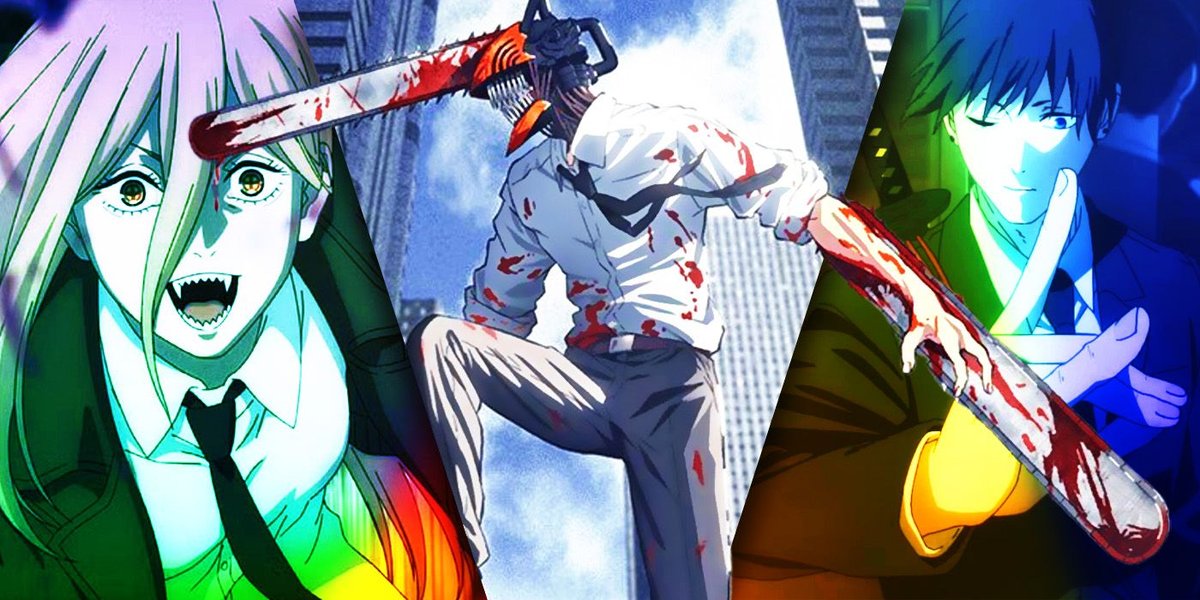
A split image showcasing the dynamic action of Chainsaw Man and its core human (and fiend) cast.
The Significance of Opening and Ending Themes
The anime adaptation famously features a different ending theme for each episode, each with its own unique animation and musical style. This creative choice not only adds to the series' aesthetic appeal but also subtly reflects the diverse perspectives and experiences of the characters and the multifaceted nature of the world they inhabit. The opening theme, "KICK BACK" by Kenshi Yonezu, with its energetic and somewhat chaotic feel, perfectly captures the tone of the series and Denji's initial motivations.
The official music video for "KICK BACK" by Kenshi Yonezu, the opening theme for the Chainsaw Man anime.
The use of multiple ending themes further emphasizes the thematic richness of the series, with each song and visual sequence potentially highlighting different aspects of the story, characters, or underlying messages. This level of artistic detail encourages viewers to think more deeply about what they are watching.
Practical and Cynical Lessons
While some lessons from Chainsaw Man are profound and philosophical, others are more pragmatic, even cynical, reflecting the harsh realities of the world it portrays. These can include the idea that sometimes, survival requires making difficult and uncomfortable choices, or that appearances can be deceiving, both in allies and enemies. The series doesn't shy away from depicting the brutal consequences of naivete in a dangerous world.
Learning from Character Actions
By observing the successes and failures of characters like Denji, Aki, and Power, viewers can glean lessons about the importance of adaptation, the dangers of blind trust, and the necessity of confronting one's fears head-on. Even the villains, with their often complex motivations, can offer insights into the darker aspects of human (and devil) nature.
Chainsaw Man's Philosophical Undertones
Beyond its surface-level action, Chainsaw Man engages with philosophical concepts, albeit often in a raw and unfiltered manner. The exploration of existentialism, the search for meaning in a seemingly chaotic world, and the nature of consciousness are all subtly woven into the narrative. The existence of devils born from fear can be seen as a metaphor for the anxieties and irrationalities that plague humanity.
The series' questioning of objective morality aligns with philosophical concepts like moral relativism, suggesting that ethical truths are not universal but dependent on individual or societal context. This is starkly contrasted with characters who embody a form of moral absolutism, like Makima, who operates under a rigid ideology.
Utilitarianism in Practice
The concept of utilitarianism, the idea of maximizing overall happiness or good, is also present, particularly in Makima's actions. Her willingness to make significant sacrifices for what she believes is a better future raises ethical questions about the justification of questionable means for a desired end.
Summary of Key Lessons
To summarize the multifaceted lessons offered by Chainsaw Man, the following table outlines some of the major takeaways:
| Lesson | Explanation | Character Examples |
|---|---|---|
| Understanding Desire | Recognizing what truly drives you and the potential consequences of your pursuits. | Denji (basic needs to deeper connections), Makima (control), Aki (revenge). |
| Navigating Moral Ambiguity | Accepting that good and evil are not always clearly defined and that context matters in ethical decisions. | Denji and Power's actions, Makima's ideology. |
| Confronting Inner Demons | The importance of facing your trauma, fears, and psychological struggles. | Denji's past, Aki's grief, devils as manifestations of fear. |
| The Value of Connection | Understanding the significance of relationships and the pain of losing them in a harsh world. | Denji's bonds with Pochita, Power, and Aki. |
| Adaptation and Resilience | The need to adapt to challenging circumstances and bounce back from setbacks. | Denji's survival and evolution. |
Frequently Asked Questions
Is Chainsaw Man suitable for all audiences?
Due to its graphic violence, mature themes, and dark humor, Chainsaw Man is generally recommended for a mature audience. It deals with complex and sometimes disturbing subject matter.
How does Chainsaw Man differ from other popular shonen anime?
While it shares some structural elements with shonen, Chainsaw Man deconstructs many genre conventions through its morally ambiguous characters, realistic portrayal of violence, and focus on psychological themes rather than just power levels and heroic ideals.
What is the significance of Pochita?
Pochita, the Chainsaw Devil, is central to Denji's transformation and serves as a symbol of his initial desire for a simple life and companionship. Their bond is a key emotional anchor in the series.
References
Last updated May 4, 2025