
Unveiling Advanced Tactics to Challenge Incompetence in Digital Marketing
Strategic Questions to Expose Gaps in LinkedIn Expertise and Demand Generation
Key Takeaways
- Master the LinkedIn Algorithm: Understanding nuances like dwell time and engagement velocity is crucial to avoid throttling and maximize reach.
- Leverage AI and Advanced Metrics: Tools for personalization and metrics like pipeline velocity provide deeper insights, far beyond basic strategies.
- Focus on Demand Generation Depth: Integrating AI-driven analytics and multi-touch attribution ensures scalable, data-backed campaigns for superior ROI.
The Challenge of Ineffective Strategies
In the fast-evolving landscape of digital marketing, particularly on LinkedIn, superficial approaches can undermine long-term success. Rudimentary tactics, such as flooding the platform with posts, often lead to algorithmic throttling, reduced visibility, and wasted resources. As a digital marketing executive at a Big 4 consulting firm, it's essential to highlight the importance of sophisticated tools and metrics. This section synthesizes advanced concepts to equip you with questions that probe deep technical knowledge, revealing gaps in expertise without confrontation.
Crafting 10 Strategic Questions
To effectively assess and challenge limited understanding, focus on questions that delve into complex, leading-edge digital marketing elements. These questions are designed to target areas like the LinkedIn algorithm, AI integration, demand generation metrics, and data analytics, drawing from established best practices as of 2025. Each question is phrased to encourage thoughtful responses, exposing reliance on basic methods.
Question List with Rationale
- How do you optimize content distribution on LinkedIn by leveraging the 2025 algorithm's emphasis on engagement velocity and dwell time, and what specific adjustments would you make if initial metrics indicate throttling? This probes knowledge of real-time engagement dynamics, a common pitfall for those using high-frequency posting without data insights.
- In what ways would you integrate AI-driven personalization tools, such as those in HubSpot or similar platforms, to tailor LinkedIn content for different buyer personas, and how do you measure the impact on conversion rates? This question tests familiarity with AI customization, often overlooked in favor of generic strategies, and its role in enhancing demand generation.
- Can you explain how multi-touch attribution models help in attributing success to LinkedIn campaigns within a broader demand generation strategy, and what metrics like pipeline velocity would you prioritize to refine this approach? It highlights the complexity of tracking touchpoints, challenging those who focus solely on lead volume rather than nuanced ROI analysis.
- What is your method for utilizing intent data signals in LinkedIn's Audience Network for account-based marketing (ABM), and how do you ensure compliance with platform policies while scaling campaigns? This assesses advanced ABM tactics, which require precise data handling, potentially revealing discomfort with targeted, data-driven methods.
- How would you incorporate conversational AI or chatbots in LinkedIn messaging for lead qualification, while avoiding policy violations, and what KPIs would you track to evaluate effectiveness? This targets cutting-edge automation, testing knowledge of ethical implementation and measurement, areas often mishandled in basic setups.
- Describe your approach to maintaining data hygiene when syncing LinkedIn campaign data with marketing automation platforms and CRMs, ensuring accurate attribution and reporting across channels. This question uncovers operational rigor, as inconsistent data management can invalidate strategies built on flawed insights.
- How do you use predictive analytics and sentiment analysis tools to gauge content resonance on LinkedIn beyond surface-level metrics, and what steps would you take to integrate these into a demand generation framework? It challenges the use of advanced analytics for deeper audience understanding, contrasting with reliance on likes and shares.
- What strategies would you employ to reduce audience fatigue on LinkedIn through behavioral frequency capping and algorithmic engagement predictions, and how do you quantify the results? This tests proactive content management, exposing gaps in understanding how over-posting leads to disengagement and algorithmic penalties.
- In the context of the 2025 LinkedIn algorithm, how do you build and measure 'expertise' through content that sparks professional discussions, particularly with comments over 10 words, and what tools aid in this process? This focuses on quality engagement, a key algorithmic factor, and can highlight ignorance of content depth requirements.
- How would you leverage machine learning in LinkedIn's algorithm to enhance content ranking and visibility, and what specific dashboards or BI tools would you use to monitor and optimize performance metrics? This question evaluates technical integration of AI, revealing limitations in those who don't use data-driven tools for strategy refinement.
These questions collectively emphasize the need for a technically proficient approach, ensuring that responses reveal any overreliance on simplistic tactics. By asking them, you can steer the conversation toward evidence-based practices, subtly demonstrating superior expertise.
Visualizing Expertise Gaps with a Radar Chart
To illustrate the multifaceted nature of digital marketing proficiency, this radar chart compares an expert's capabilities against a novice's in key areas. It highlights strengths in algorithm knowledge, metric analysis, tool integration, AI application, and demand generation strategy, based on synthesized insights from various sources. This visual aid underscores how deficiencies in these domains can lead to ineffective campaigns, such as those causing LinkedIn throttling.
Mapping LinkedIn Strategy Components
This mindmap outlines the interconnected elements of a robust LinkedIn strategy, emphasizing how advanced techniques interlink to drive success. It serves as a visual guide to the complexities involved, helping to identify where knowledge gaps might exist, such as in AI integration or metric tracking.
Key Metrics Overview
To provide a clear reference, this table summarizes critical metrics in digital marketing, particularly for LinkedIn and demand generation. It highlights how these metrics go beyond basic engagement, aiding in strategic decision-making and exposing the limitations of rudimentary approaches.
| Metric | Definition | Importance in LinkedIn Strategy |
|---|---|---|
| Dwell Time | Duration users spend viewing content | Indicates content quality; higher dwell time boosts algorithmic favorability and reach |
| Pipeline Velocity | Speed at which leads move through the sales funnel | Measures efficiency of demand generation; low velocity signals bottlenecks in strategy |
| Multi-Touch Attribution | Assigns credit to multiple touchpoints in conversion paths | Provides accurate ROI assessment, revealing the impact of integrated LinkedIn efforts |
| Engagement Velocity | Rate of initial interactions post-publication | Critical for early algorithmic boosting; poor velocity can lead to throttling |
| Sentiment Analysis Score | Assessment of audience sentiment from interactions | Guides content refinement for better resonance and long-term engagement |
Embedded Video Insight
To further illustrate the intricacies of the LinkedIn algorithm, this video provides expert advice on growth strategies. It is particularly relevant as it discusses algorithm changes and optimization techniques, complementing the questions by offering visual context on why advanced knowledge is essential.
The video, titled 'The NEW Way to Grow on LinkedIn in 2025', delves into practical tips for engaging audiences and avoiding common pitfalls like over-posting, reinforcing the need for strategic depth in digital marketing.
Analytics Dashboard Example
Visualizing data is key to mastering complex metrics. This image shows a sample digital marketing dashboard, highlighting how tools track performance indicators like engagement and conversion rates. It directly relates to the questions by demonstrating the dashboards used in advanced strategies.
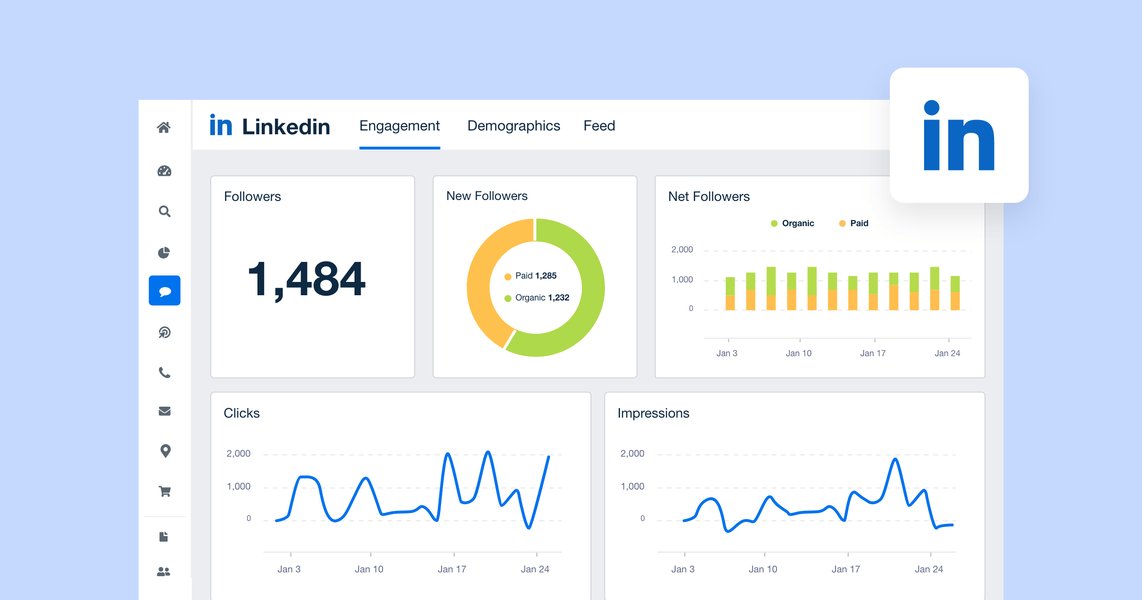
The dashboard illustrates metrics such as follower growth and engagement rates, underscoring the importance of data-driven insights in refining LinkedIn campaigns.
Frequently Asked Questions
Recommended Further Reading
- How to optimize LinkedIn content for the 2025 algorithm
- Advanced AI tools for demand generation strategies
- Measuring pipeline velocity in digital marketing campaigns
- Integrating CRM with LinkedIn for better lead attribution
References
Last updated May 7, 2025