
Unpacking the Chandrapur Coal Mine Collapse
A detailed exploration of events, causes, and ongoing safety challenges
Key Takeaways
- Incident Overview: The Chandrapur collapse involves safety issues common in coal mining, with a notable event in 2016 where multiple miners were trapped.
- Safety and Structural Challenges: Factors such as geological instability and aging mine infrastructure contribute heavily to the risks and recurring incidents in the region.
- Rescue and Regulatory Responses: Despite prompt rescue operations following incidents, recurring accidents have led to calls for stronger safety protocols and better regulatory oversight.
Background and Context
Chandrapur, located in Maharashtra, India, has long been a center for coal mining activities, with both opencast and underground mines playing crucial roles in the regional economy. However, the intensive mining operations have raised significant safety concerns over the years. The challenging geology, deteriorating infrastructure, and sometimes inadequate regulatory oversight have all contributed to a series of incidents that not only result in the loss of lives but also pose environmental hazards. Among these incidents, a high-profile collapse in 2016 stands out, along with other accidents that highlight the systemic issues within the mining industry in this region.
Detailed Analysis of the Chandrapur Collapse Incident
One of the most referenced incidents involving a collapse in Chandrapur occurred on December 27, 2016, within a mine operated by Western Coalfields Limited (WCL). This incident, while not widely covered in some reports that focus on more recent events, provides a significant case study for understanding the underlying challenges that plague coal mining operations in the area.
Incident Specifics
Event Timeline and Immediate Aftermath
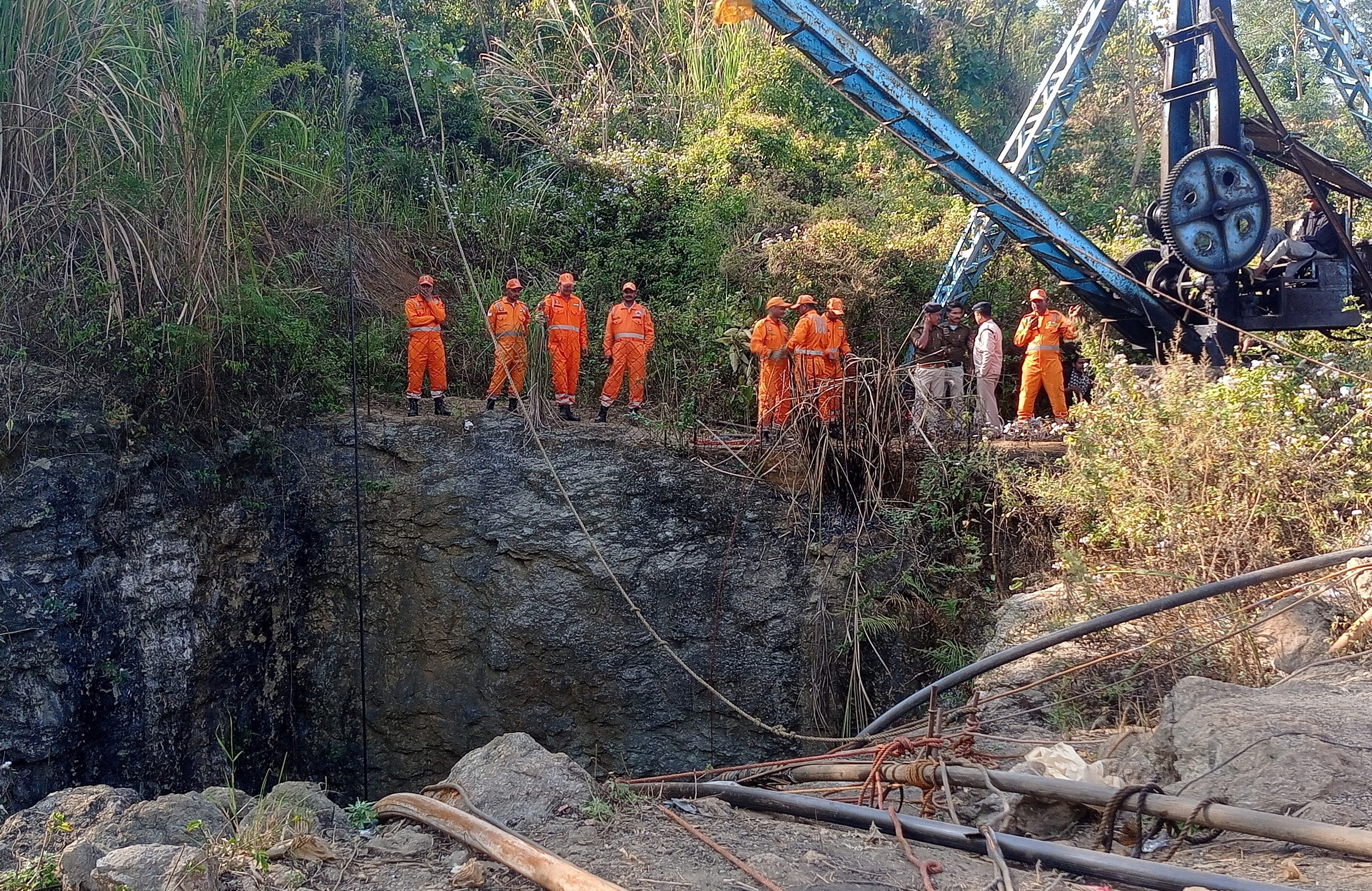
On December 27, 2016, the roof of the coal mine collapsed unexpectedly. This sudden failure trapped up to seven miners underground. Rescue operations were launched promptly, but the efforts were hindered by the depth of the affected section (reportedly around 300 feet) and the overall deteriorated conditions of the mine infrastructure.
The complexity of the rescue operations is emblematic of many mining accidents in the region, where factors such as limited accessibility and challenging geological conditions often delay effective emergency responses. In the aftermath of the collapse, authorities initiated thorough investigations to determine the exact causes, looking into geological assessments as well as structural integrity issues.
Geological and Structural Factors
The Chandrapur mine collapse was primarily attributed to a combination of geological instability and structural inadequacies. The inherent risks associated with mining in areas with complex underground formations and the natural propensity of coal-bearing strata to shift under pressure are well-documented. In this case, the collapse was seen as a confluence of continuous extraction activities compromising the rock stability and the aging infrastructure that failed to support safe operations over prolonged periods.
Investigations focused on whether proper precautions and regular maintenance routines were followed, as historical data suggested recurring issues with both underground and opencast mining operations in Chandrapur. This incident reinforced calls from labor unions and local communities for the implementation of stricter safety measures and enhanced monitoring systems to detect potential hazards before they escalate.
Safety Protocols and Ongoing Risks
Worker Safety and Emergency Response
The incident underscored significant concerns regarding worker safety in Chandrapur’s mines. Frequent reports of accidents, from explosions to roof collapses, have led to a scenario where miners face constant risks. In subsequent years, additional accidents have been reported, such as the opencast mine explosion in March 2025, highlighting that the systemic issues within the mining sector persisted.
Rescue teams in Chandrapur, though often quick to respond, face formidable challenges due to the adverse conditions deep within the mines. The safety protocols in place, while seemingly robust on paper, have historically not met the practical demands of these harsh working environments – pointing to a critical need for updated equipment, improved training, and better-coordinated emergency response strategies.
Environmental and Community Impact
Beyond the immediate risks to miners, the collapse and similar incidents have broader implications for the local communities and the environment. Continuous mining operations in Chandrapur have led to significant ground instability issues that not only endanger lives in the mines but also affect residential areas nearby. Incidents of ground collapses leading to structural failures in nearby houses have been documented, causing displacement and economic distress among the local population.
Environmental degradation is another concern; dust and noise pollution from mining operations, compounded by occasional explosions and structural collapses, have led to health hazards in the community. This continuous degradation has prompted local authorities and district officials to promise reforms and the implementation of more stringent regulatory frameworks designed to tackle these persistent dangers.
Comparative Analysis with Other Incidents
While the Chandrapur collapse is a stark example of the challenges within the Indian coal mining industry, other incidents from different regions provide additional insight into the universal risks inherent to coal mining processes.
For instance, in March 2025, an explosion at an opencast mine operated by WCL in Chandrapur resulted in the deaths of two miners, exemplifying the recurring safety issues. In another region, such as Betul in Madhya Pradesh, a separate incident on March 20, 2025, saw a mine roof collapse that tragically resulted in the fatalities of three workers. Additionally, similar mining disasters have been reported internationally, such as an incident in Pakistan where a methane gas explosion led to a mine collapse, further highlighting the global challenges associated with coal mining.
Synthesis of Incident Data
| Attribute | Chandrapur 2016 | Chandrapur 2025 Explosion | Betul 2025 Roof Collapse | Pakistan 2025 Incident |
|---|---|---|---|---|
| Event Type | Underground mine collapse | Opencast mine explosion | Mine roof collapse | Methane gas explosion and collapse |
| Location | Western Coalfields Limited, Chandrapur | Chandrapur region (WCL) | Betul, Madhya Pradesh | Balochistan, Pakistan |
| Year | 2016 | 2025 | 2025 | 2025 |
| Casualties/Trapped | 7 miners trapped | 2 miners killed, injuries reported | 3 miners killed | 4 miners killed, 8 missing |
| Key Challenges | Structural failure and geological risks | Safety oversight and explosion risks | Inadequate safety protocols | Methane build-up and explosion hazards |
Regulatory and Safety Considerations
Efforts to Mitigate Risks
In response to these recurring mining disasters, including the Chandrapur incident, both state and federal authorities have taken steps to improve the safety conditions within the coal mining industry. Initiatives have been launched to enhance regulatory oversight, including regular safety inspections and the introduction of advanced monitoring systems that can detect potential structural weaknesses early on.
The focus has been on better training programs for mine workers, improvement in emergency preparedness, and an emphasis on upgrading equipment and rescue operations. However, while incremental improvements have been noted, many experts believe that a comprehensive overhaul of safety protocols is needed to truly address the endemic issues.
Challenges Facing the Industry
Infrastructure and Maintenance
One of the core challenges leading to incidents like the Chandrapur collapse is outdated and insufficient infrastructure. Mines that have been in operation for extended periods often suffer from neglected maintenance, increasing the risk of structural failure. The harsh underground environment only exacerbates these issues, demanding constant vigilance and modernization, which has not always been prioritized.
Regulatory Enforcement
Effective enforcement of safety measures remains an ongoing struggle. The mining industry in Chandrapur and similar regions is characterized by a complex interplay between economic imperatives and the need for rigorous safety regulations. Although government initiatives have been introduced, consistent enforcement and monitoring across all operational mines have proven challenging. The disparity between regulatory standards and on-ground practices often leaves workers vulnerable to preventable risks.
Community and Environmental Impact
Long-term Effects on Local Communities
The repercussions of mining accidents extend well beyond immediate physical harm. Local communities in and around Chandrapur have faced the dual brunt of industrial hazards. In addition to the tragic loss of life from events such as the 2016 collapse, recurrent incidents have resulted in chronic issues like environmental degradation and a decline in quality of life. Residents have often reported concerns over air pollution, noise disturbances, and ground instability that continues to put structures at risk.
Furthermore, when mining accidents occur, emergency responses tend to focus exclusively on rescue and recovery, leaving long-term rehabilitation and community support as secondary concerns. The economic impact, paired with potential health risks from prolonged exposure to pollutants, remains a persistent challenge that calls for strategic interventions from both authorities and the mining companies.
Technological Advancements and Their Role
The integration of modern technology into mining operations is seen as a potential avenue for reducing hazards. Sensor networks, real-time structural monitoring, and predictive maintenance tools can help foresee deteriorative conditions well before they lead to tragedies. However, deploying these technologies on a broad scale in regions like Chandrapur is a challenge due to cost constraints and the legacy nature of much of the existing infrastructure.
What is clear is that effective mitigation of risks in the coal mining sector will require ongoing collaboration between technology providers, regulatory bodies, and mine operators, ensuring that the safety of workers and communities is never compromised in the pursuit of economic gain.
References
- Maharashtra Two Killed in Explosion – Zee News
- Woman Falls into 20-feet Pit – India TV News
- Miner Killed in Accident – Times of India
- Coal Power Plant Impact – Al Jazeera
- Underground Mines for Tourism – Times of India
Recommended Searches
Last updated March 23, 2025