
Exploring the Chandrapur Coal Mine Incident
An in-depth look into safety, environmental challenges, and emerging tourism prospects
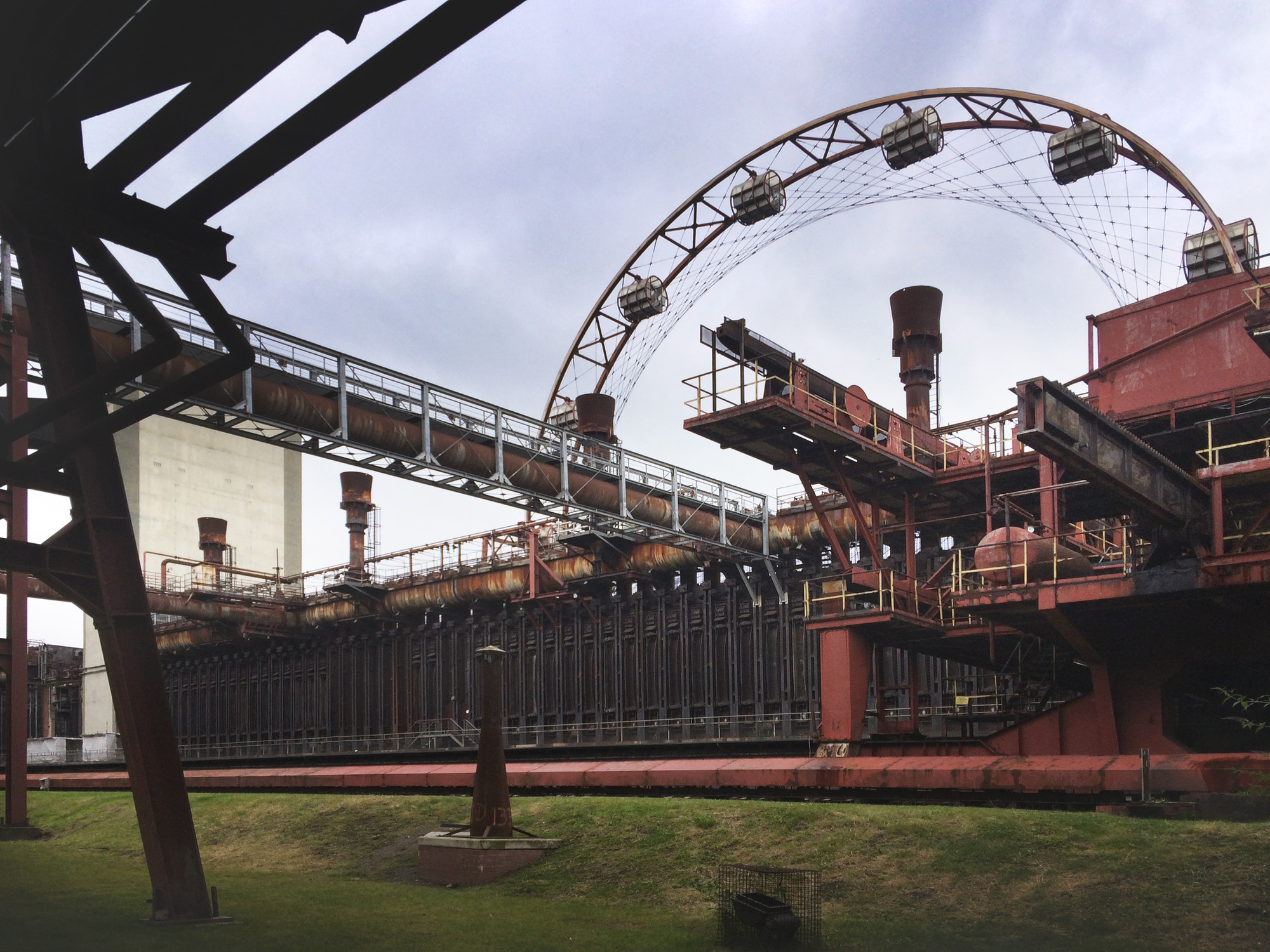
Key Highlights
- Safety Challenges: Fatal accidents and infrastructure collapses highlight mining hazards.
- Environmental Concerns: Air and water pollution significantly affect local communities.
- Future Prospects: Proposals to open underground mines for tourism reflect potential economic shifts.
Overview of the Incident and Its Context
The Chandrapur coal mine incident has drawn significant attention to the safety and environmental dynamics of coal mining in the region. While detailed accounts vary depending on the source, there is a consensus that the incident underscores long-standing concerns regarding mining operations in India, particularly those in Maharashtra. Over recent years, a series of fatal accidents and environmental challenges in the Chandrapur area have spotlighted the risks associated with coal mining operations and the urgent need for enhanced regulatory measures.
Chandrapur, a region known not only for its industrial activities but also for its environmental sensitivity, has experienced multiple events that reflect the inherent risks of coal mining. Severe accidents have involved drilling rig failures, ground collapses, and hazardous encounters with heavy machinery, each contributing to the debate on worker safety and required reforms in mining protocols.
Detailed Analysis of the Incident
Fatal Accidents and Infrastructure Failures
One of the most critical aspects reported involves various fatal incidents connected to mining operations. For instance, on February 12, 2025, a miner lost his life when the ground underneath a drilling rig collapsed, causing the equipment to overturn. Similarly, an incident on January 10, 2025, saw a mobile bridge carrier pin an operator against the coal rib, leading to fatal injuries. These events highlight the perilous nature of mining work, where even minor oversights in structural stability can have catastrophic consequences.
Notably, safety concerns extend beyond isolated accidents. Instances of ground collapses, such as the one reported in August 2024 involving a woman falling into a 20-foot-deep pit near a government coal mine, demonstrate that infrastructure failures remain a persistent problem. Maritime mining operations under challenging geological conditions require regular maintenance, and the failure of such basic standards has led to severe and sometimes fatal outcomes.
Environmental Impact and Public Health
In addition to safety hazards, environmental concerns in Chandrapur have also been a major cause for alarm. The region has seen significant contamination due to emissions from the Chandrapur Super Thermal Power Station. Research has shown that air pollution from the power station, compounded by the operations in nearby coal mines, was linked to approximately 1,300 deaths in the area in 2020. Rising levels of air and water pollution continue to fascinate both policymakers and environmentalists, urging them to re-evaluate the operational protocols for both mining and energy production.
The extensive operational footprint of these large-scale power plants adds to the overall environmental degradation, directly affecting local communities whose health is jeopardized by long-term exposure to pollutants. Although industrial growth contributes significantly to economic stability, it also presents critical health challenges that necessitate robust regulatory oversight.
Local communities have increasingly voiced their frustrations over inadequate pollution control measures. There is a growing demand for stringent regulatory reviews and better enforcement of environmental protection standards. This public pressure has resulted in calls for judicial inquiries into the incidents, underscoring the need to balance industrial growth with sustainable environmental practices.
Illegal Mining Operations and Safety Oversight
Illegal mining practices have been noted as another pressing concern in the Chandrapur region and nearby areas. These unauthorized operations often ignore crucial safety protocols and lack the necessary oversight, thus contributing to a spike in fatal accidents. A recent tragic case in February 2025 in Madhya Pradesh, where illegal mining led to an accident leaving a couple dead, has had ripple effects on the neighboring coal mining industry, including Chandrapur.
Such incidents highlight the gaps in enforcement and the challenges faced by regulatory bodies such as the Ministry of Coal and the Directorate General of Mines Safety (DGMS). Ensuring safety in mining requires a coordinated approach, combining stricter inspections, robust enforcement of safety measures, and comprehensive monitoring systems that can anticipate and mitigate the risks associated with mining operations.
Implications for the Future: From Hazardous Sites to Tourist Attractions
While the immediate implications of the Chandrapur coal mine incident focus on the safety of workers and the environmental health of the region, there is also a discussion about the future use of these mining sites. In a move that might seem counterintuitive given the risks, there have been proposals to open underground mines for tourism purposes.
The initiative to convert subterranean mining areas into tourist attractions comes with its own set of challenges and opportunities. Proponents of this initiative argue that tourism can offer an economic diversion and provide alternative revenue streams for communities historically dependent on mining. The idea is to offer guided tours that enable visitors to experience the restricted, yet historically significant, parts of the mining operation. However, this shift requires thorough risk assessments, massive infrastructural overhaul, and the implementation of strict safety measures tailored to accommodate tourist influx while preserving the historical essence of these sites.
Analyzing this prospect, it becomes crucial to build a framework that not only attracts tourists but also guarantees their safety. The transition from a hazardous industrial site to a viable and safe tourist destination is complex; it involves re-engineering old mining tunnels, ensuring adequate ventilation, and putting modern safety equipment in place. These demands underscore a significant area for future research and investment.
Comparative Incident Analysis
Comparison with Other Regions
When compared with similar incidents in other parts of India, the events in Chandrapur occupy a unique space due to their frequency and the variety of hazards reported. For instance, in nearby Madhya Pradesh, a significant coal mine accident in Betul resulted in the deaths of three workers following a roof collapse. Such incidents collectively illustrate the systemic problems in the coal mining industry across several Indian states.
Although the specifics of the Chandrapur incident are sometimes conflated with those in surrounding areas, they are part of a broader pattern of occupational hazards linked to coal mining across the country. In both regions, the recurring themes of inadequate safety measures, environmental degradation, and the challenges of regulating illegal mining highlight the urgent need for reforms. The emphasis has now shifted toward not only addressing immediate safety crises but also laying down a sustainable roadmap for the future.
Safety and Regulatory Reforms
In response to these tragic incidents, various stakeholders including trade unions, government agencies, and community groups have demanded rigorous safety reforms. A strong consensus exists regarding the need for judicial inquiries into fatal accidents, aiming to ensure that accountability is established and that similar incidents do not recur. Such inquiries are critical in holding mining companies accountable and in pushing for regulatory changes that would compel adherence to international safety standards.
The role of regulatory bodies, including the Ministry of Coal and the DGMS, is pivotal in implementing safety measures. These agencies are exploring methods for improved real-time monitoring of mining conditions, enhanced safety protocols, and stricter enforcement of guidelines. Incorporating advanced technology, such as sensor networks for detecting hazardous conditions or advanced simulation tools for predicting structural failures, is also being considered.
These efforts, however, must be complemented by increased transparency in operations and a more proactive approach to community engagement. Locals living near mining sites deserve clearer communication about health risks, and their concerns must be factored into any policy reevaluation. Only through comprehensive dialogue and accountability mechanisms will it be possible to reconcile the demands of economic growth with the imperatives of human and environmental safety.
Economic and Social Dimensions
The Role of Economic Pressures in Mining Operations
Coal mining is an essential economic activity in India and is particularly significant in regions like Chandrapur where local communities often rely on mining for their livelihoods. Yet, the economic imperative to extract coal frequently clashes with the demands for improved safety and environmental conservation. The pressure to meet industrial output targets can sometimes result in compromised safety standards and a neglect of environmental responsibilities.
This dynamic has created a situation where economic benefits are weighed against severe societal and health costs. The financial viability of many mining ventures often overshadows the risks posed to workers and nearby residents. The loss of life, environmental degradation, and long-term health implications are costs that are not always reflected in the bottom line. Addressing these imbalances requires a reevaluation of the economic models governing mining operations, with an increased focus on sustainable and socially responsible practices.
Social Impacts and Community Responses
The social repercussions of coal mining incidents in Chandrapur extend well beyond the immediate loss of life or property. Communities near the mining areas are subject to the long-term impacts of environmental pollution, which include respiratory illnesses and water contamination. These health issues, coupled with economic instability due to sporadic mining disasters, affect multiple generations.
In response, local communities and trade unions have rallied for more robust safety protocols and better compensation schemes for affected families. Protests and public demonstrations have called attention to what many perceive as a systemic failure to value human life and environmental integrity at the expense of economic gain. This public outcry has been a driving factor behind calls for judicial inquiries and stricter safety measures in mining operations.
Comprehensive Overview of Regulatory and Safety Frameworks
Current Safety Regulations
The mining sector in India is governed by an intricate framework of safety regulations designed to mitigate the risks associated with coal extraction. The Directorate General of Mines Safety (DGMS) plays a key role in enforcing these standards, ensuring that companies adhere to established protocols aimed at reducing accidents. Despite the existing guidelines, the repeated occurrence of accidents in Chandrapur and other regions indicates gaps that still exist in on-ground implementation.
These gaps have prompted industry experts and authorities to call for renewed scrutiny of safety measures, the integration of cutting-edge technology, and more effective training programs for workers. A critical challenge remains: balancing the economic imperatives with the need for a rigorous safety culture that prioritizes human life and environmental well-being.
Developments in Technological Safety Measures
Modern technology is progressively being introduced to address some of the enduring challenges in mining safety. Advanced sensor systems, real-time monitoring, and predictive analytics are among the tools that can help preempt dangerous situations before they escalate. The integration of such technologies not only enhances safety standards but also provides valuable data for continuous improvement in mining operations.
These technological advances can be integrated into both the operational and regulatory aspects of mining. For instance, real-time data monitoring through sensor networks can detect minute changes in atmospheric conditions or structural integrity, allowing for prompt remedial measures. This approach represents a significant shift towards data-driven decision-making in the safety and management of mining operations.
Tourism and the Future of Abandoned Mines
Another fascinating dimension in the evolving narrative of the Chandrapur coal mines is the emerging concept of converting these sites into tourist attractions. In a region where mining has long been the backbone of economic activity, transforming abandoned or less active mines into safe, guided tourist attractions offers a chance to re-purpose old industrial spaces. Such initiatives can bring renewed economic opportunities while preserving historical narratives about the evolution of industry in the region.
However, safety remains the primary challenge for such tourism projects. Comprehensive risk assessments, structural refurbishments, and improved safety protocols are prerequisites before public access can be permitted. This transformation involves extensive collaboration between engineers, safety experts, local government bodies, and tourism departments. A successful transition has the potential to create a model that other regions with similar industrial legacies might adopt.
Summary Table of Key Aspects
| Aspect | Description | Key Challenges |
|---|---|---|
| Safety Accidents | Frequent fatal incidents including rig failures, collapses, and operator errors | Structural integrity, enforcement of safety protocols, worker training |
| Environmental Impact | High levels of air and water pollution from nearby thermal power plants and mining activities | Health risks, long-term community impact, pollution control measures |
| Illegal Mining | Unauthorized mining operations with lax safety standards | Regulatory gaps, enforcement challenges, safety oversight |
| Tourism Prospects | Potential to repurpose mining sites for guided tours | Infrastructure renovation, comprehensive risk assessments, safety measures |
| Technological Integration | Use of sensors, monitoring systems, and predictive analytics in mining safety | Investment costs, implementation complexity, training requirements |
References and Further Reading
For more detailed insights, please refer to the following resources:
- Mine Safety and Health Administration - Summary Production and Employees Accidents
- MSHA Fatality Report - February 12, 2025
- India TV News - Ground Collapse Incident 2024
- Times of India - Underground Mines Likely to Open for Tourism
- Al Jazeera - Coal Power Plant Pollution in Maharashtra
Recommended Related Searches
To deepen your understanding of this topic, explore the following related queries:
Last updated March 23, 2025