
Related Literature on ChatGPT & Academic Performance
Exploring local insights into ChatGPT's influence on student outcomes
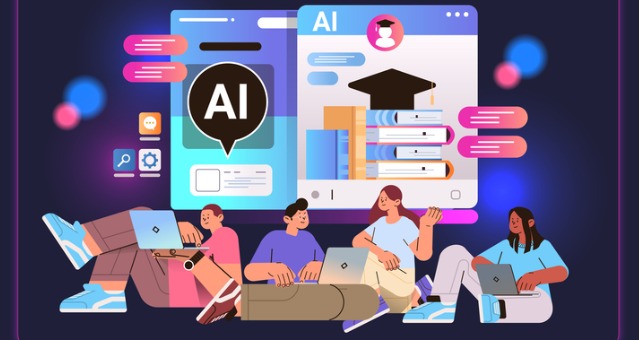
Key Insights
- Personalized Learning: ChatGPT offers a tailored educational experience that boosts student engagement and aids in understanding complex concepts.
- Ethical & Integrity Considerations: The integration of ChatGPT involves critical discussions regarding academic integrity, data privacy, and the potential for reduced critical thinking.
- Enhanced Academic Outcomes: Studies in local contexts reveal improvements in research support, writing skills, and overall academic performance when ChatGPT is used responsibly.
Introduction
In recent years, the use of artificial intelligence in education has expanded significantly. Among these developments, ChatGPT, a conversational AI based on the generative pre-trained transformer architecture, has emerged as a powerful tool within academic settings. Local literature within several regions, including various studies from the Philippines, Pakistan, Morocco, and other parts of the world, has documented both the potential benefits and challenges associated with integrating ChatGPT into the educational system. This synthesis reviews the impact of ChatGPT on academic performance, examining its use as an academic support tool, its role in personalized learning environments, and the ethical challenges that accompany its implementation.
Overview of ChatGPT in Education
Technological Advancements and Educational Integration
ChatGPT, developed by OpenAI, has garnered significant attention in academic circles for its ability to process natural language and provide contextually relevant responses. Its application in education ranges from aiding in conceptual understanding to assisting with research tasks and enhancing writing skills. In various local studies, educators and researchers have highlighted that the conversational AI serves as a catalyst for increased student engagement, offering personalized learning experiences that adapt to individual student needs.
Within local literature, academic institutions have experimented with ChatGPT as both a tutoring supplement and a writing consultant, noting significant improvements in learning outcomes. This tool has become particularly central in settings where immediate feedback is required, and where traditional educational resources may be limited.
Positive Impacts on Academic Performance
Personalized Learning and Enhanced Understanding
One of the most frequently underscored benefits of ChatGPT in local studies is its contribution to personalized learning. By allowing students to ask questions in their own words and receive tailored feedback, ChatGPT helps demystify complex academic subjects. Such customization ensures that learners can progress at their own pace. Multiple studies from the Philippines have particularly highlighted that ChatGPT not only improves conceptual understanding but also motivates learners by providing instant, context-sensitive support.
Moreover, ChatGPT’s ability to provide personalized recommendations and explanations plays a pivotal role in making education more accessible, especially in regions where traditional tutoring or academic support might be in short supply. This personalized approach is vital in subjects that demand critical thinking and a deep understanding of intricate procedures.
Enhanced Research and Writing Skills
Another major benefit observed in local literature involves the improvement in research and writing skills that stems from using ChatGPT. Many studies reveal that students utilize the tool to draft outlines, summarize literature, and even generate initial text drafts, which significantly alleviates the challenges associated with academic writing. As a result, students are better able to structure their research and refine their ideas, thereby leading to improved academic performance.
In the context of writing-intensive subjects, ChatGPT helps reduce the cognitive load on students by offering guidance on constructing coherent arguments and ensuring that their written work meets academic standards. This support is particularly beneficial in local studies where traditional academic support mechanisms are still evolving.
Motivation and Engagement in Learning
The integration of ChatGPT into learning environments has also been linked to increased student motivation. Several local studies have identified that the interactive nature of the tool fosters a sense of active learning, which in turn leads to a decline in academic procrastination and an increase in self-directed study. The immediate feedback provided by ChatGPT creates a dynamic learning environment where students are encouraged to further explore academic content.
Learners from diverse educational backgrounds have reported that such dynamic interactions contribute to a stimulating learning atmosphere. The positive reinforcement resulting from quick, personalized responses can enhance students’ enthusiasm for academic subjects, thereby improving overall academic performance.
Local Studies and Evidence
Case Studies from the Philippines and Beyond
In the Philippines, studies conducted across various higher education institutions (HEIs) have shown favorable outcomes when ChatGPT is integrated as a support tool. Research indicates that both students and educators perceive the AI as a beneficial resource that supplements conventional teaching methods. For instance, several studies have noted that the usage of ChatGPT enhances learning motivation by providing clarifications and supplementary information that is closely aligned with curricular goals.
A pertinent example includes research conducted on Filipino students, which found that integrating ChatGPT into their study routines significantly improved academic performance. This improvement is largely attributed to the tool’s role in mediating learning motivation. Educators have also observed that the adoption of such technologies encourages a more interactive learning format, wherein students tend to discuss academic problems more freely, aided by the readiness of ChatGPT to provide information.
Global Perspectives and Insights from Local Contexts
While local literature prominently highlights studies from the Philippines, there are also notable findings from other regions that add depth to the conversation. For example, research conducted at Moulay Ismail University in Morocco reported that ChatGPT positively impacts student performance in subjects that require analytical thinking and writing proficiency. Similarly, studies in Pakistan have drawn attention to the importance of prompt engineering in mediating the effective use of ChatGPT. These examples underscore a growing consensus: while the technological foundation of ChatGPT is universal, its application and impact are distinctly pronounced in local educational contexts.
Thus, local literature collectively confirms that ChatGPT, when properly integrated, can mitigate some of the constraints often faced in traditional education systems. Students gain access to a digital mentor that provides immediate aid — a resource that is particularly critical in settings where face-to-face academic support is limited due to infrastructure or resource constraints.
Challenges and Ethical Considerations
Academic Integrity and Over-reliance Issues
Despite the many benefits, a recurring concern in the literature is the potential for over-reliance on ChatGPT. There is consensus that while the tool can boost academic performance, its excessive use may inadvertently lead to diminished critical thinking skills among students. Overdependence on AI-generated responses can reduce the impetus to independently verify information or engage deeply with academic material. Such dependency poses a risk not only to the development of critical analytical skills but also raises serious issues surrounding academic integrity.
Many studies advocate for the strategic and ethical integration of ChatGPT in academic curricula to ensure that it serves as an aid rather than a substitute for deep, critical learning. Educators are encouraged to establish guidelines and pedagogical frameworks that delineate acceptable use to prevent plagiarism and maintain academic standards.
Ethical Frameworks and Responsible Use
Beyond academic integrity, local studies also highlight the importance of safeguarding ethical standards in the application of AI tools. Given that ChatGPT processes a large volume of data to generate responses, issues related to data privacy and information bias are critical. Studies stress the need for robust ethical frameworks that examine how AI systems are trained and deployed in educational settings.
It is recommended that local educational bodies create policies that not only address data security concerns but also train students and educators on evaluating AI-generated content. Such measures ensure that ChatGPT is used as a supportive tool and that any potential shortcomings — such as inaccuracies or inherent biases — are critically assessed.
Balancing Interaction: Human Mentorship vs. AI Assistance
Another dimension addressed in local literature is the potential reduction in human interaction when students turn predominantly to AI for academic assistance. While ChatGPT offers rapid responses, the lack of human mentorship could impede the development of nuanced reasoning skills and discourage collaborative learning. Institutions that have incorporated ChatGPT into their learning environments are actively exploring hybrid models that combine the agility of AI with the indispensable insights provided by experienced educators.
This balanced approach is crucial in ensuring that while technological tools enhance learning, they do not supplant the valuable interactions between students and human mentors. Maintaining this balance is integral to preserving the intrinsic qualities of a holistic educational experience.
Comparative Analysis Table
| Aspect | Benefits | Challenges | Local Study Insights |
|---|---|---|---|
| Personalized Learning | Customized responses, tailored learning and improved concept clarity |
Risk of dependency, reduced independence | Enhanced motivation and critical engagement among Filipino students |
| Research & Writing | Assists in structuring essays, literature reviews, and research drafts | Potential for plagiarism or surface-level analysis | Improved academic writing seen in local higher education institutions |
| Engagement & Motivation | Interactive, instant feedback leads to active learning | May reduce deeper critical engagement if overused | Increased student engagement and decreased procrastination |
| Ethical & Integrity Concerns | Supports innovative teaching strategies | Academic integrity and bias issues need monitoring | Calls for established guidelines in local academic settings |
Integrated Discussion and Synthesis
Holistic Impact on Academic Environments
When synthesizing the diverse viewpoints from local literature, a coherent picture emerges regarding ChatGPT’s multifaceted influence on academic performance. On the positive side, ChatGPT enables personalized learning which directly contributes to improved academic outcomes. Studies repeated in local contexts show that students who engage with this technology benefit from increased confidence when tackling challenging subjects. Enhanced personalized learning also facilitates better preparation for examinations and complex assignments.
Additionally, the tool’s ability to support research and writing has been particularly beneficial. In environments where academic support structures may be overwhelmed or limited, the rapid feedback and guidance provided by ChatGPT bridge critical gaps in student learning. Educators who pilot these applications report that the tool not only provides clarity but also nurtures deeper academic engagement by encouraging students to further explore and debate content.
Addressing the Drawbacks and Proposing Strategies
Despite its many advantages, the integration of ChatGPT is accompanied by challenges that must be strategically managed. Local literature consistently emphasizes the need to mitigate issues related to over-reliance, where students might forgo the development of personal analytical skills in favor of quick, AI-generated answers. This dependency could lead to challenges in standardized testing and independent research activities.
To address these concerns, educational institutions are recommended to implement frameworks that encourage balanced use. Such frameworks include training sessions for both students and educators, establishing strict guidelines on acceptable use, and promoting regular assessments of ChatGPT’s response quality. This structured and monitored approach ensures that while the tool continues to support learning, it does not become a crutch that undermines critical thinking.
Moreover, the ethical implications regarding data security and content reliability cannot be overstated. Many local studies advocate for proactive measures such as digital literacy initiatives and thorough policy formulations that integrate ethical standards into educational practices. By establishing such measures, the academic community can maximize the benefits of ChatGPT while curbing its potential downsides.
Local References and Further Reading
The literature on ChatGPT's impact in educational settings continues to expand, with several key studies offering insights into its efficacy and challenges. Here are some notable references drawn from local literature:
-
Exploring student and teacher perceptions of ChatGPT in higher education - ScienceDirect
- ChatGPT as an academic support tool on academic performance - ResearchGate
- The impact of ChatGPT on academic research: Filipino perspectives - ResearchGate
- ChatGPT integration and personalized learning outcomes - IIARI
- Ethical implications and academic integrity in ChatGPT usage - MDPI
Recommended Related Queries
Last updated March 19, 2025