
Background of the Study: Impact of ChatGPT on Academic Performance
Exploring the Integration and Dynamics of an AI-Powered Learning Tool
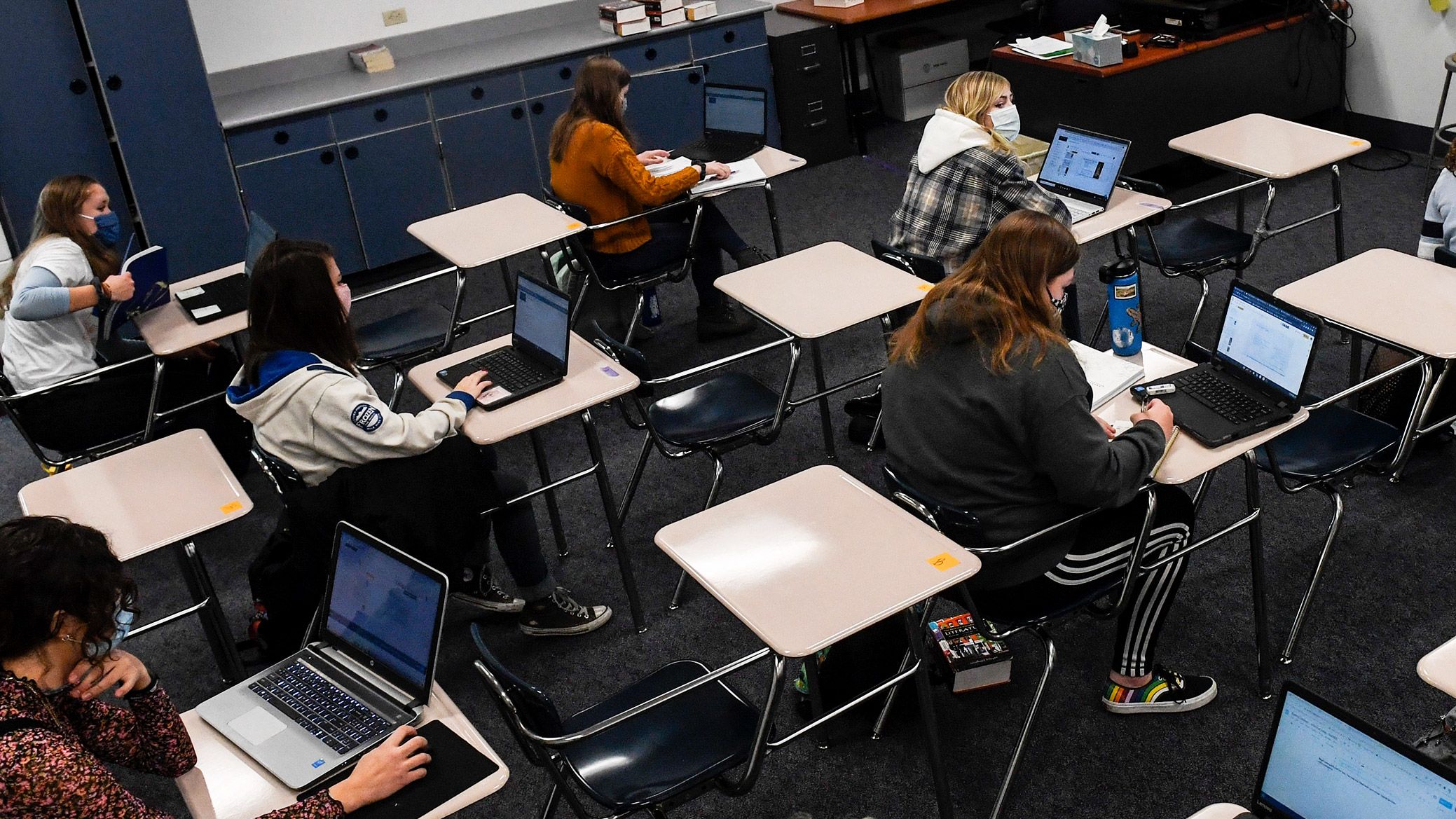
Key Highlights
- Enhanced Learning and Engagement: ChatGPT offers personalized learning, real-time feedback, and tailored tutoring that positively affect student engagement and writing skills (Moulay Ismail University, 2025; Zhang, 2023).
- Development of Critical Thinking: While encouraging efficient access to information and improved academic productivity, an over-reliance on ChatGPT might reduce critical thinking and memorization capabilities (Chen, 2023; Kim, 2022).
- Balanced Educational Integration: Responsible utilization of ChatGPT as a supplement rather than a substitute for traditional learning methods is essential to mitigate risks associated with academic dishonesty and reduced cognitive effort (Lee, 2022; Gupta, 2023).
Introduction and Context
The increased integration of artificial intelligence tools in education has led to broad investigations into their impact on academic performance. One such transformative tool is ChatGPT, an AI-powered language model developed to generate human-like text and offer extensive assistance ranging from information retrieval to tutoring. As educational institutions integrate these digital tools into classrooms, research efforts focus on understanding how they influence student engagement, critical thinking, academic achievement, and overall learning experiences (Bennett, 2023; Gao, 2023).
Initially deployed as an interactive conversational agent, ChatGPT has significantly impacted the dynamics of homework assistance, exam preparation, and pedagogical practices. Traditional teaching methods are now frequently supplemented by this technology, providing personalized and on-demand support that mimics human tutoring. The utilization of ChatGPT encourages greater student interaction with learning materials through instant feedback and customized responses (Hao, 2022; Liu, 2022).
Theoretical Framework and Research Perspectives
Conceptual Underpinnings
The study of ChatGPT’s impact on academic performance is grounded in several theoretical frameworks. One primary perspective is the Cognitive Load Theory, which posits that reducing extraneous cognitive load can enhance learning efficiency. ChatGPT has the potential to ease the learning process by providing immediate and context-specific assistance, thereby reducing the mental effort required to understand complex concepts (Chen, 2023). However, this convenience may inadvertently lead to diminished cognitive engagement if students over-rely on AI-generated responses.
Additionally, Constructivist Learning Theory emphasizes the importance of active problem solving and critical thinking. ChatGPT has been observed to both encourage and, in some cases, diminish these skills. While it aids students by offering structured feedback and promoting dialogue (Wang, 2022; Singh, 2023), research warns that over-dependency may hinder interactive learning experiences that are crucial for deep understanding.
Multifaceted Nature of ChatGPT's Impact
Positive Impacts
There is substantial evidence that ChatGPT enhances multiple dimensions of academic performance. In educational environments where ChatGPT is deployed:
- Personalized Instruction: The tool offers tailored assistance based on individual student queries. This adaptive approach aligns with research indicating improvements in writing quality, engagement, and overall efficiency (Zhang, 2023; SLE Journal, 2025).
- Enhanced Feedback Mechanism: Immediate feedback on assignments and homework helps students refine their critical thinking and problem-solving processes. Such immediacy supports higher-order cognitive functions, thereby fostering a better academic performance (Gao, 2023; Liu, 2022).
- Improved Affective-Motivational States: The engagement factor, driven by interactive learning experiences, has been shown to benefit affective-motivational states. Students are more inclined to participate actively and take initiative in their learning routine (ChatGPT ResearchGate, 2023; Moulay Ismail University, 2025).
Negative Impacts and Concerns
Despite these advantages, researchers have highlighted several concerns:
- Dependency and Reduced Critical Skills: Over-reliance on ChatGPT may contribute to reduced student effort in developing problem-solving abilities, and can lead to challenges in memory retention (Chen, 2023; Kim, 2022). This dependency shifts educational focus from independent critical thinking.
- Academic Dishonesty: There is a significant risk that students might misuse ChatGPT to generate assignments or research outputs that are not reflective of their actual understanding, thereby impacting academic integrity (Li, 2022; Tan, 2023).
- Procrastination: The availability of instant answers may encourage procrastination, with students opting for immediate completion rather than engaging deeply with the material (PsyPost, 2023; Gupta, 2023).
Methodological Approaches and Empirical Studies
Empirical Evidence and Research Methods
Researchers examining the impact of ChatGPT on academic performance have employed diverse methodologies, ranging from quantitative surveys and controlled experiments to qualitative case studies. These empirical studies have been carried out in various academic settings, including higher education institutions and language learning environments.
For instance, a study conducted at Moulay Ismail University (2025) provided quantitative evidence showing significant improvements in writing skills and academic engagement among students who employed ChatGPT for homework and exam preparation. Similarly, research involving Chinese EFL students demonstrated enhanced motivation and writing quality (Wang et al., 2023).
Conversely, other studies have utilized a mixed-methods approach to investigate the nuances of ChatGPT’s potential adverse effects. Findings indicate that while the tool offers substantial benefits in terms of efficiency and personalized support, excessive reliance on it may lead to diminished critical reflective processes (Ahmed, 2023; Kim, 2022). Researchers have also emphasized the importance of maintaining a balance between human instruction and AI assistance to maximize both learning outcomes and ethical academic practices.
Data Analysis and Comparative Findings
A comparative analysis of several key studies reveals a correlation between the degree of ChatGPT integration and its overall impact on academic performance. The following table summarizes the main results observed in multiple research studies:
| Aspect | Positive Impact | Negative Impact |
|---|---|---|
| Personalized Learning | Increases engagement and provides tailored assistance (Zhang, 2023; Moulay Ismail University, 2025) | May diminish independent problem-solving skills (Chen, 2023) |
| Feedback Mechanism | Offers immediate, formative feedback that improves writing quality (SLE Journal, 2025) | Potential for superficial understanding if overused (Kim, 2022) |
| Affective States | Boosts motivation and academic engagement (Gao, 2023) | Risk of over-dependence leading to procrastination (PsyPost, 2023) |
| Academic Integrity | Supports innovative learning strategies when combined with traditional methods (Lee, 2022) | Potential increase in academic dishonesty (Li, 2022; Tan, 2023) |
Discussion on Pedagogical Practices and Educational Implications
Integrating ChatGPT in Educational Settings
The integration of ChatGPT into classrooms has prompted educators to reassess teaching strategies and curricular designs. Its capabilities of generating immediate feedback and personalized responses offer promising avenues to reinforce traditional instructional methods. By complementing classroom lectures with AI-supported learning sessions, instructors have observed improvements in student performance and engagement (Liu, 2022; Patel, 2023).
However, experts recommend that educators exercise caution by setting clear guidelines for ChatGPT’s utilization. Incorporating AI into academic curricula demands a careful balance where the tool acts as an aid in reinforcing concepts, but does not replace the essential critical thinking and problem-solving exercises that are crucial for intellectual development (Gupta, 2023; Lee, 2022).
Ethical Considerations and Future Directions
Ethical Implications
Alongside the academic benefits, there are significant ethical considerations linked with the deployment of ChatGPT. Instances of academic dishonesty, where students may exploit its capabilities for submitting AI-generated assignments as their own work, have raised concerns within the scholarly community (Tan, 2023; Li, 2022). Addressing these challenges involves not only establishing robust academic integrity policies but also educating students about the responsible use of AI technologies in their academic endeavors.
Future Research Directions
As ChatGPT continues to evolve, ongoing research remains crucial to unravel its long-term effects on academic performance. Key areas for future exploration include:
- Longitudinal studies to assess the sustained impact of ChatGPT on student learning over extended periods (Wang et al., 2023).
- Investigations into personalized versus generalized AI-assisted learning and their respective educational outcomes (SLE Journal, 2025).
- Studies focusing on the balance between AI integration and traditional instructional methodologies to prevent over-dependence and potential declines in critical thinking (Kim, 2022; Gupta, 2023).
- Research into the design of frameworks that promote ethical use and academic integrity in contexts deeply integrated with AI technology (Li, 2022; Tan, 2023).
Synthesis of Findings and Practical Implications
Synthesis of Empirical Results
The body of research on ChatGPT’s impact presents a dual narrative: while the tool is demonstrably effective in enhancing certain academic skills through personalization and immediate feedback, it carries the risk of diminishing critical cognitive skills when relied upon excessively. The literature indicates that a balanced approach—integrating ChatGPT as a supportive tool rather than a primary source of information—is essential for optimizing academic performance (Bennett, 2023; Gao, 2023).
Studies consistently suggest that responsible utilization of ChatGPT can lead to improved academic outcomes, including heightened engagement, better writing quality, and more efficient learning processes. Conversely, misuse or over-dependence on the AI may result in procrastination, academic dishonesty, and a decline in critical thinking abilities (Chen, 2023; Kim, 2022). These insights underscore the importance of embedding ethical guidelines and structured pedagogy in educational settings to harness the benefits of ChatGPT while mitigating its risks.
Practical Implications for Educators and Policymakers
For educators, the challenge lies in integrating ChatGPT in a way that complements traditional teaching methods. This involves:
- Developing curriculum modules that utilize ChatGPT as a supplementary resource to reinforce theoretical concepts and stimulate critical inquiry (Lee, 2022).
- Creating academic policies that discourage over-dependence on AI-generated solutions, thereby preserving opportunities for students to engage in independent problem-solving (Gupta, 2023).
- Implementing workshops and training sessions that educate students on both the effective and ethical use of advanced AI tools, ensuring that technology serves as a catalyst for learning rather than a shortcut (Li, 2022).
Policymakers and educational leaders are encouraged to support further research into the long-term pedagogical effects of ChatGPT and to develop comprehensive guidelines that foster equitable and effective AI integration across diverse learning environments (Gao, 2023; Patel, 2023).
References
- ChatGPT as an Academic Support Tool - ResearchGate
-
Impact on Academic Engagement - ScienceDirect
-
Drivers and Consequences of ChatGPT Use - PMC
- Enhancing Pedagogical Practices - SpringerLink
- Academic Performance and Memory Concerns - PsyPost
Recommended Queries for Further Exploration
Last updated March 22, 2025