
Locale of the Qualitative Study on ChatGPT's Academic Impact
Exploring Global and Regional Perspectives on AI in Education
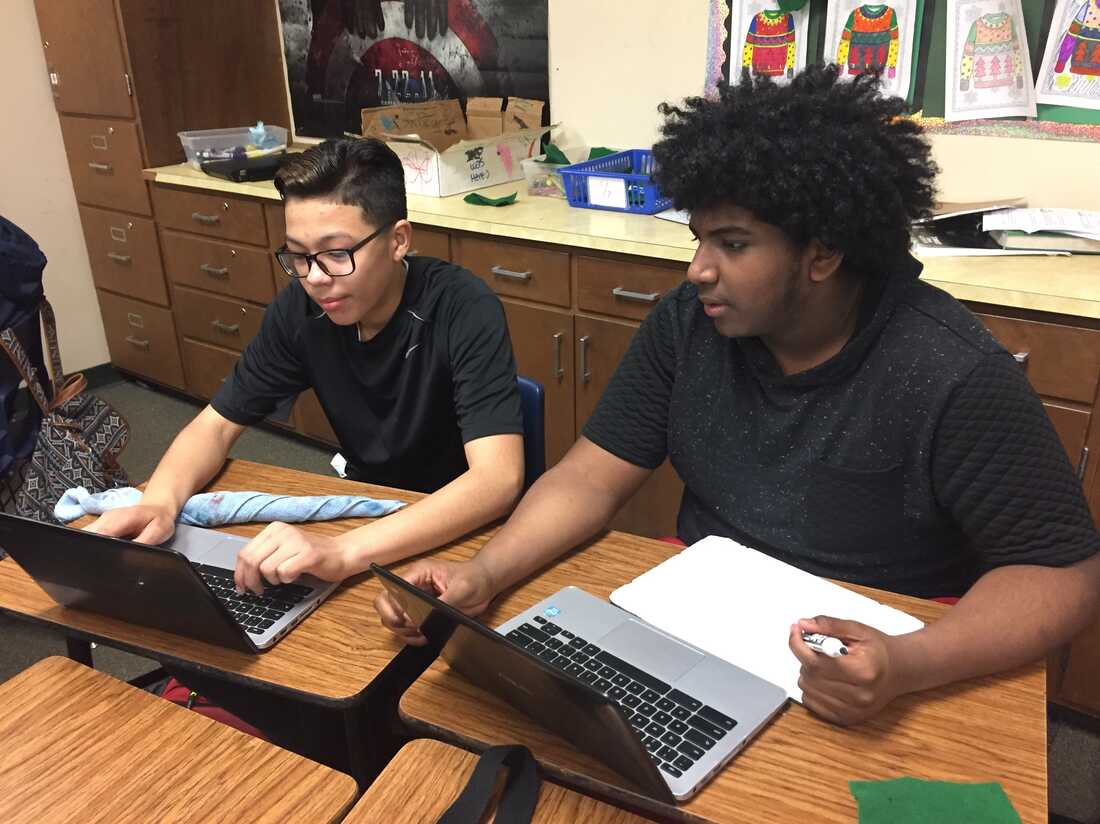
Key Highlights
- Global Scope: Studies from diverse regions including North America, Asia, the Middle East, and Pakistan reveal a widespread interest in understanding ChatGPT's academic impact.
- Methodological Approach: Qualitative research methods such as interviews, focus groups, and surveys have been extensively employed to capture the nuanced effects on academic performance.
- Both Benefits and Concerns: While ChatGPT is recognized for enhancing academic performance and creative output, researchers are also mindful of potential drawbacks like academic integrity issues and cognitive challenges.
Introduction
Qualitative research exploring the impact of ChatGPT on academic performance has spanned multiple continents and educational contexts. Diverse locales have been studied to gauge not only the supportive role of ChatGPT in driving academic success but also its potential challenges including concerns over plagiarism, procrastination, and the general adaptation of AI-written content in academic settings. The use of qualitative methods—favoring in-depth interviews, focus groups, thematic analysis, and survey-based narratives—has provided a rich tapestry of insights into how students, educators, and institutions alike perceive ChatGPT's integration into learning environments.
Global Perspectives and Specific Locales
Research on ChatGPT’s impact on academic performance is truly global in scope. While certain studies have focused on a localized context, many others have adopted a broader perspective to capture how differing cultural, policy, and pedagogical environments influence outcomes. Understanding these nuanced differences is crucial when interpreting the efficacy and limitations of an AI tool like ChatGPT.
North America
In North America, particularly within Canada, qualitative analyses have examined the perceptions of both students and faculty concerning ChatGPT’s role in higher education. At research-heavy universities, ChatGPT has been explored as a medium to enhance academic writing, support learning through guided interactions, and sometimes even challenge traditional academic norms. The Canadian context, with its diverse cultural backdrop and a strong tradition of academic integrity, has provided fertile ground for exploring both the supportive and potentially disruptive roles of ChatGPT. Faculty members emphasize its use as a tool to assist in research and writing, while students appreciate its immediacy in providing feedback and suggestions.
Asia
Several studies conducted in Asian countries signal a growing incorporation of digital tools in higher education. For instance, research in China has delved into the integration of ChatGPT among students in Chinese higher education institutions. These studies have highlighted its potential in stimulating academic creativity and supporting reflective learning practices. Additionally, qualitative research methodologies have been used to understand contextual issues such as language barriers, cultural nuances in learning, and the general reception of AI as an academic assistant.
Middle East
In regions like the United Arab Emirates, qualitative research has examined the use of ChatGPT in academic settings through surveys and interviews with students and educators. A study based in Ajman, for example, investigated how students’ academic learning trajectories were influenced by the adoption of this AI tool. The findings highlight a positive correlation with academic success, yet they also bring to light the challenges associated with over-reliance on technology and concerns regarding the authenticity of student work.
Pakistan and Other Regional Studies
Pakistan serves as another illustrative locale with multiple studies examining ChatGPT's impact on academic performance. Researchers in Pakistan have utilized qualitative approaches to understand student behaviors, academic challenges, and innovative strategies in leveraging ChatGPT for learning enhancement. In some studies, interviews and ethnographic methodologies have surfaced concerns related to procrastination, memory lapses, and academic rigor. These insights are pivotal for designing curriculum interventions and promoting balanced AI integration.
Other regions noted in the literature include countries in the Middle East and parts of South Asia, such as Jordan. A qualitative study in Jordan has shed light on academic integrity concerns, particularly in how ChatGPT-mediated assignments might alter traditional academic practices. Such studies underscore the necessity for institutions to adapt existing policies and develop new frameworks for academic honesty in an era of AI-assisted learning.
Methodologies in Qualitative Research on ChatGPT
Qualitative research into ChatGPT and academic performance primarily employs a variety of methods to collect deep-seated, narrative-style data. This methodology focuses on understanding subjective experiences, opinions, and the contextual factors that contribute to the observed outcomes. Here are some of the most common methods utilized:
Interviews
Semi-structured interviews are a frequently chosen tool in these studies. Researchers use open-ended questions to encourage participants to delve into their personal experiences with ChatGPT. Through this method, themes such as usability, perceived credibility, and emotional responses to AI-generated content are analyzed, which in turn help highlight discrepancies between user expectations and actual outcomes.
Focus Groups
Focus groups add a layer of peer interaction that can reveal consensus, dissent, and collective insights. They are particularly useful in settings where students and educators discuss challenges and collaboratively suggest improvements to the AI tool’s use. In many studies, focus groups have provided insights into how group dynamics influence perceptions of academic integrity and efficiency.
Surveys and Open-ended Questionnaires
Qualitative surveys with open-ended questions are also instrumental. Such surveys gather large volumes of textual data that can be thematically analyzed. For example, studies conducted in UAE and Pakistan have reported varied personal experiences and a spectrum of viewpoints concerning ChatGPT’s role in supporting or potentially hindering academic performance.
Comparative Analysis of Locale-specific Findings
The qualitative narrative that emerges from these studies paints a complex picture of ChatGPT’s geographical and cultural impact. While the core functionalities of ChatGPT remain constant, the local educational cultures, technological infrastructure, and academic policies heavily modulate its impact. The following table provides an overview of how different locales contribute to the understanding of ChatGPT in academic performance studies.
| Region/Country | Focus Areas | Methodologies Used | Key Findings |
|---|---|---|---|
| Global | Mixed-methods studies; theoretical frameworks | Systematic literature reviews, thematic analysis | Dual role of ChatGPT in enhancing academic exploration while presenting challenges in integrity and cognitive processes. |
| Canada | Post-secondary student and faculty perspectives | Interviews, focus groups | Enhanced academic writing and research capabilities; emphasis on responsible adoption. |
| China | Higher education creativity and language processing | Interviews and surveys | Stimulated creative learning and problem-solving, with concerns regarding over-reliance on AI. |
| United Arab Emirates | University-level academic learning and integrity | Surveys, interviews | Positive correlation with academic success; awareness of risks regarding academic misconduct. |
| Pakistan | Student learning outcomes and academic behaviors | Focused group discussions, qualitative interviews | Mixed perceptions; innovative usage juxtaposed with concerns regarding procrastination and memory issues. |
| Jordan & Others | Academic integrity and institutional policy implications | Surveys and in-depth interviews | Emphasis on integrity challenges and the need for updated academic frameworks. |
Insights Across Diverse Educational Contexts
The integration of ChatGPT in academic settings is significantly shaped by the local educational frameworks and cultural context. In developed education systems, such as those in Canada and China, the emphasis often lies on harnessing AI as an academic aid that bolsters research efficiency and creative problem-solving. Here, the dialogue typically centers on fine-tuning the tool's use to complement established curricula.
Conversely, in locales like Pakistan and parts of the Middle East, qualitative research illustrates a more cautious approach. Concerns regarding over-dependence on AI, risks of academic dishonesty, and the potential erosion of critical thinking skills highlight the need for comprehensive policy interventions. Interviews in these regions underscore a dual narrative: on one hand, ChatGPT offers unprecedented academic support, and on the other, it necessitates robust pedagogical guidelines to prevent adverse outcomes.
Additionally, research conducted in various regions such as Jordan demonstrates that while technological advances enhance learning tools, they also require careful calibration by educational policymakers. The local academic culture, combined with traditional assessment methods and integrity standards, has led to a spectrum of outcomes that suggest both promise and caution in the use of AI-based assistants.
Impact on Educational Policies and Academic Integrity
A recurring theme across the studies is the balance between leveraging ChatGPT’s benefits and managing its drawbacks. Qualitative investigations have played a key role in informing educational policymakers about:
Enhancing Academic Support
Responses from students and educators often highlight that ChatGPT is an invaluable academic tool, particularly when used as an aid in structuring essays, guiding research papers, and supporting creative projects. In regions like Canada and China, its integration is seen primarily as a means to supplement traditional teaching methods, enabling quicker access to information and facilitating a more interactive learning experience.
Concerns of Cognitive Dependency and Procrastination
On the other side, there is valid concern that the reliance on such AI tools might lead to reduced critical thinking and a tendency toward procrastination. In Pakistan and other regions where qualitative studies have underscored this risk, both educators and students note the importance of striking a balance between support and independence. Interviews and focus group feedback often stress the necessity for developing AI competency and responsible use protocols to ensure the tool enhances rather than replaces natural learning processes.
Policy Adaptation and Academic Integrity
Particularly in contexts such as the United Arab Emirates and Jordan, qualitative research has shed light on the challenge of maintaining academic integrity in an age of AI. Institutions are revisiting their academic policies to integrate guidelines specifically addressing the use of ChatGPT. This involves defining clear parameters for its use, reinforcing traditional assessment criteria, and ensuring that the tool is used merely as an assistant rather than a replacement for human intellectual effort.
Synthesized Findings and Future Research Directions
Synthesizing evidence from multiple studies, it becomes clear that the impact of ChatGPT on academic performance is multifaceted and highly context-specific. Qualitative research has illuminated how local educational cultures mediate the use of ChatGPT:
- Educators in technologically advanced regions take a proactive approach by integrating AI seamlessly while ensuring that traditional values of inquiry and critical analysis are preserved.
- Regional studies from Pakistan and parts of the Middle East caution against over-reliance on AI, advocating for balanced instructional strategies that reinforce student independence.
- The global perspective underscores the importance of collaborative policy-making, where academic institutions share best practices and continually refine their strategies in response to evolving AI capabilities.
Looking forward, future research will likely focus on longitudinal qualitative studies to track the evolving role of ChatGPT in educational frameworks. There is a clear impetus for academic institutions to engage not only in using ChatGPT effectively but also in critically analyzing its long-term impact on both student learning outcomes and institutional teaching methods.
Comparative Table of Regions and Their Research Perspectives
| Region | Key Focus Areas | Major Methodologies | Notable Outcomes |
|---|---|---|---|
| Canada | Student and faculty perspectives; academic writing enhancement | Interviews, focus groups | Increased academic efficiency and supportive learning environments with attention to academic integrity. |
| China | Creative learning; integration in higher education | Surveys, interviews | Promotion of creative academic practices with caution against over-dependence. |
| United Arab Emirates | University academic performance; integrity concerns | Surveys, qualitative interviews | Positive linkage between tool use and academic success tempered by risks of academic misconduct. |
| Pakistan | Academic performance and behavior; learning outcomes | Focus groups, in-depth interviews | Innovative usage paired with challenges such as procrastination and potential memory issues. |
| Jordan & Other Regions | Institutional policy and academic integrity | Qualitative questionnaires, group interviews | Emphasis on adapting academic policies to incorporate the influence of AI tools. |
References
-
Sciencedirect – Journal Article
- Nature – Research Article
- ResearchGate – Conceptual Analysis
-
Sciencedirect – Educational Research
-
PMC – Medical and Educational Research
- Frontiers in Education – Journal Article
- Academia – Research Study
- MDPI – Scientific Journal
- Springer – Scholarly Article
Recommended Related Queries
Last updated March 19, 2025