
Unveiling the World's Petrol Price Havens: Which Nations Offer Fuel for Pennies in 2025?
Discover the global hotspots for cheap petrol, where filling your tank costs less than a cup of coffee, and the economic forces at play.
Key Insights: Cheapest Petrol Globally
- Extreme Affordability: The world's cheapest petrol is found overwhelmingly in oil-producing nations with significant government subsidies, with prices in countries like Iran, Libya, and Venezuela falling below $0.04 per litre.
- Subsidies are Paramount: Government intervention through direct subsidies or price controls is the primary driver for exceptionally low petrol prices, shielding consumers from volatile global market fluctuations.
- Regional Concentrations: The Middle East, North Africa, and some parts of Central Asia and South America dominate the list of countries with the most affordable fuel, largely due to their rich petroleum reserves.
The Global Landscape of Petrol Prices in May 2025
As of May 2025, the cost of petrol (gasoline) varies dramatically across the globe. While the average global price hovers around $1.26 per litre, consumers in some nations enjoy extraordinarily low prices. These disparities are primarily driven by a combination of factors including abundant domestic oil production, substantial government subsidies, taxation policies (or lack thereof on fuel), and overall economic strategies. Countries that are major oil exporters often leverage their natural resources to provide their citizens with cheap fuel, sometimes as a socio-economic policy. This report synthesizes available data to present the top 25 countries where petrol is currently the most affordable, with all prices converted to US Dollars per litre.
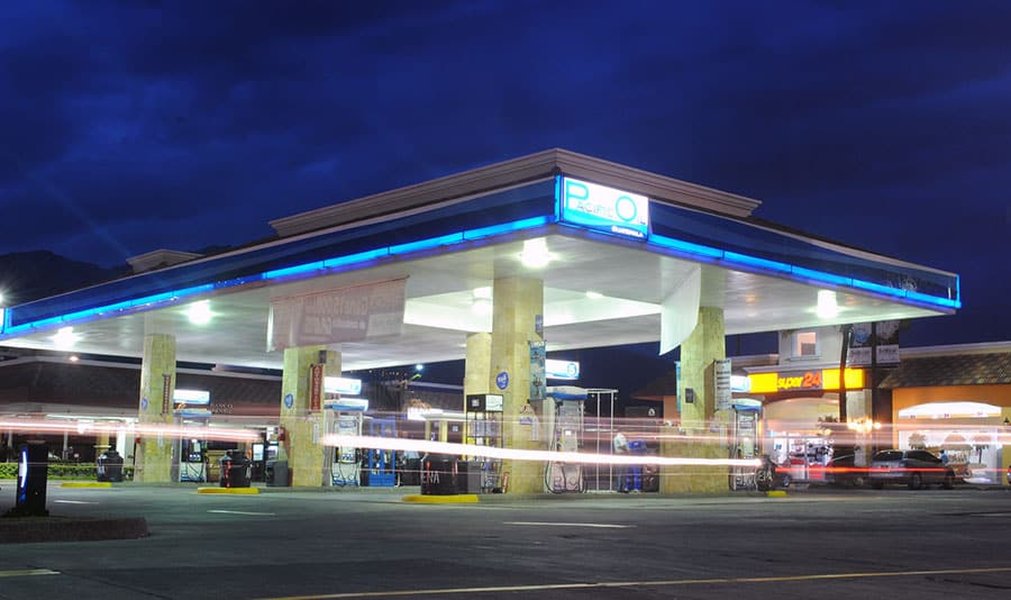
A petrol pump nozzle, symbolizing fuel consumption and pricing globally.
Top 25 Countries with the Cheapest Petrol Prices (May 2025)
The following table ranks the top 25 countries with the lowest petrol prices as of May 2025. Prices are listed in US Dollars (USD) per litre and reflect the cost at the pump for consumers. These figures are based on a synthesis of data from multiple global fuel price trackers and economic reports.
| Rank | Country | Price (USD per litre) | Primary Contributing Factors |
|---|---|---|---|
| 1 | Iran | $0.029 | Heavy government subsidies, vast oil reserves |
| 2 | Libya | $0.031 | Major oil producer, significant subsidies |
| 3 | Venezuela | $0.035 | Largest oil reserves, strong government subsidies |
| 4 | Angola | $0.328 | Oil production, state subsidies |
| 5 | Egypt | $0.339 | Subsidies, domestic oil and gas production |
| 6 | Algeria | $0.340 | Oil and gas exporter, state-controlled prices |
| 7 | Kuwait | $0.343 | Major oil producer, generous subsidies |
| 8 | Iraq | ~$0.35 | Significant oil reserves, government subsidies |
| 9 | Qatar | ~$0.42 | High oil and gas revenues, subsidized fuel |
| 10 | Malaysia | $0.467 | Oil producer, government-regulated prices |
| 11 | Kazakhstan | $0.473 | Domestic oil production, price controls |
| 12 | Nigeria | ~$0.48 | Major African oil producer, fuel subsidies |
| 13 | Turkmenistan | ~$0.50 | Extensive oil and gas resources, state subsidies |
| 14 | Oman | ~$0.53 | Oil producer, subsidized domestic prices |
| 15 | Bahrain | ~$0.60 | Oil production, government subsidies |
| 16 | Indonesia | $0.60 | Oil-producing nation, periodic subsidies |
| 17 | Pakistan | $0.61 | Subsidized pricing, influenced by regional dynamics |
| 18 | Saudi Arabia | $0.62 | Leading oil exporter, state-controlled low prices |
| 19 | United Arab Emirates | $0.67 | Oil-rich nation, relatively low domestic fuel prices |
| 20 | Azerbaijan | ~$0.70 | Oil and gas production, state influence on pricing |
| 21 | Russia | $0.75 | Extensive oil production, government price interventions |
| 22 | Sudan | ~$0.80 | Subsidies, though prices can fluctuate with economic conditions |
| 23 | Thailand | ~$0.80 | Moderate subsidies, prices closer to regional market averages |
| 24 | United States | $0.84 | Domestic production, relatively moderate taxes compared to other developed nations |
| 25 | Equatorial Guinea | ~$0.85 | Oil exports providing economic leverage for lower prices |
Note: Prices marked with "~" are approximate values based on available ranges or averages from multiple sources. Petrol prices are subject to frequent changes.
Visualizing Fuel Price Influencers: A Comparative Look
The affordability of petrol in different countries is shaped by a complex interplay of economic and policy factors. The radar chart below offers an opinionated comparison of five countries – Iran, Libya, Venezuela (top 3 cheapest), Egypt (another top contender), and the USA (as a developed oil-producer benchmark) – across key influencing dimensions. These dimensions are rated on a scale of 1 (Low influence/presence) to 10 (High influence/presence) and reflect the general situation contributing to their petrol pricing as of early 2025. This visualization helps to understand the profile of countries with extremely cheap petrol versus those with more market-driven or higher-taxed prices.
This chart illustrates that countries like Iran, Libya, and Venezuela exhibit very high subsidy levels, possess rich oil reserves, and impose low fuel taxes. However, they also tend to face higher economic stability risks. The USA, while an oil producer, has much lower direct subsidies on fuel and higher relative taxation compared to the top cheapest countries, but generally enjoys greater economic stability. Insulation from global prices is high in heavily subsidized economies, meaning domestic prices are less reflective of international market trends.
Factors Driving Low Petrol Prices
Several interconnected factors contribute to the remarkably low petrol prices observed in the leading countries:
Government Subsidies
This is arguably the most significant factor. Many governments, particularly in oil-exporting nations, heavily subsidize petrol to keep prices artificially low for consumers. These subsidies can be a form of social welfare, aimed at reducing the cost of living and transportation, thereby stimulating domestic economic activity.
Domestic Oil Production
Countries with substantial crude oil reserves and high production levels can often provide petrol at a lower cost. They save on import expenses and transportation, and have greater control over the supply chain. Examples include most of the top countries on our list like Iran, Venezuela, Libya, and Saudi Arabia.
Low Taxation
In many developed economies, taxes (such as excise duties and VAT) form a large portion of the pump price of petrol. Conversely, countries with the cheapest petrol typically impose very low or no direct taxes on fuel sales.
State-Controlled Pricing and Refineries
Governments in some of these nations may own or control refineries and the entire distribution network, allowing them to set prices that are not purely market-driven. This control helps maintain price stability and affordability.
Economic and Political Considerations
Cheap fuel can be a tool for maintaining social stability or garnering political support. However, such policies can also strain national budgets, especially if the country is not exceptionally wealthy from oil exports or if global oil prices are low.
Understanding the Dynamics: A Mindmap of Petrol Price Factors
To further clarify the complex web of influences on petrol prices, the mindmap below outlines the primary drivers, characteristics of countries with low and high prices, and the general global context. This visual tool helps to connect the dots between resource availability, government policy, and the final price consumers pay at the pump.
May 2025"] ("Key Influencing Factors") KIF1["Government Subsidies
(Reduces consumer prices)"] KIF2["Domestic Oil Production
(Lowers cost base)"] KIF3["Taxation Policies
(Major price component in many nations)"] KIF4["Refining Capacity & Costs
(Impacts final price)"] KIF5["Geopolitical Stability
(Affects supply & risk premiums)"] KIF6["Currency Exchange Rates
(vs. USD for oil trade)"] KIF7["International Crude Oil Prices
(Global benchmark)"] ("Countries with Cheapest Petrol") CCP1["Characteristics"] C1["Typically oil-rich nations"] C2["Heavy government subsidies"] C3["State-controlled pricing mechanisms"] CCP2["Top Examples (USD/Litre)"] E1["Iran ($0.029)"] E2["Libya ($0.031)"] E3["Venezuela ($0.035)"] ("Countries with Higher Petrol Prices") CHP1["Characteristics"] H1["Net oil importers"] H2["High fuel taxes (VAT, excise duties)"] H3["Strong environmental regulations/carbon taxes"] CHP2["General Examples"] GE1["Many Western European nations"] GE2["Hong Kong (often among the highest)"] ("Global Average & Variation") GAV1["Average Price: ~$1.26/litre (May 2025)"] GAV2["Extreme price disparity worldwide"] GAV3["Wealthier nations don't always mean cheaper fuel
(often higher due to taxes)"]
This mindmap illustrates that while factors like oil production are crucial, government policies on subsidies and taxation play an equally, if not more, important role in determining the final cost of petrol for consumers around the world.
Spotlight on Extreme Affordability: Libya's Petrol Scene
The following video offers a glimpse into one of the countries consistently topping the charts for cheapest petrol, Libya. It highlights how, in some parts of the world, petrol can be cheaper than bottled water, a direct consequence of massive oil reserves and state subsidies.
Libya, despite its political and economic instability, leverages its significant oil wealth to provide its citizens with fuel at exceptionally low prices. This video from May 2023 (with prices remaining similarly low into 2025) underscores the stark contrast between such nations and those where petrol is a significant daily expense. While low prices benefit consumers locally, they often come with broader economic implications, including discouraging investment in renewable energy and potentially leading to fuel smuggling to neighboring countries with higher prices.
Frequently Asked Questions (FAQ)
Why are petrol prices so incredibly low in some countries?
The primary reasons for extremely low petrol prices are a combination of significant domestic oil production and heavy government subsidies. Countries rich in oil reserves can produce fuel at a lower base cost. Many of these nations then further reduce the price for consumers through substantial subsidies, often as a social welfare measure or to stimulate the local economy. Low or non-existent fuel taxes also play a crucial role.
How often do these petrol prices change?
Petrol prices can change frequently. In countries with market-driven prices, they can fluctuate daily based on international crude oil prices, refining costs, and currency exchange rates. In countries with heavily subsidized or controlled prices, changes might be less frequent and are typically a result of government policy adjustments. However, even subsidized prices can be revised periodically due to budgetary pressures or shifts in economic strategy.
What is the typical global average price for petrol?
As of early May 2025, the global average price for petrol is reported to be around $1.26 to $1.27 US Dollars per litre. However, this average masks extreme variations, with prices in some countries being over ten times higher than in others. Hong Kong, for example, often reports some of the highest prices globally, sometimes exceeding $3.00 per litre.
Are the listed petrol prices inclusive of all taxes?
Generally, the petrol prices listed for consumers at the pump are inclusive of all applicable local taxes and reflect any subsidies. In countries with very low prices, this means taxes are minimal or non-existent, and subsidies are significant. In countries with high prices, a large portion of the cost is typically composed of various taxes (e.g., excise duty, VAT, carbon tax).
Recommended Further Exploration
- Investigate how government subsidies specifically influence petrol prices and the broader economic consequences for nations that implement them.
- Explore the primary factors contributing to high petrol prices in developed nations, particularly in Western Europe.
- Discover which countries impose the highest taxes on petrol and the policy reasons behind such taxation strategies.
- Understand the impact of geopolitical instability in major oil-producing regions on the fluctuation of petrol prices worldwide.
References
Last updated May 12, 2025