
Research Topics on Captive and Wild Cheetahs in Namibia
An in-depth look at conservation, ecology, and management strategies
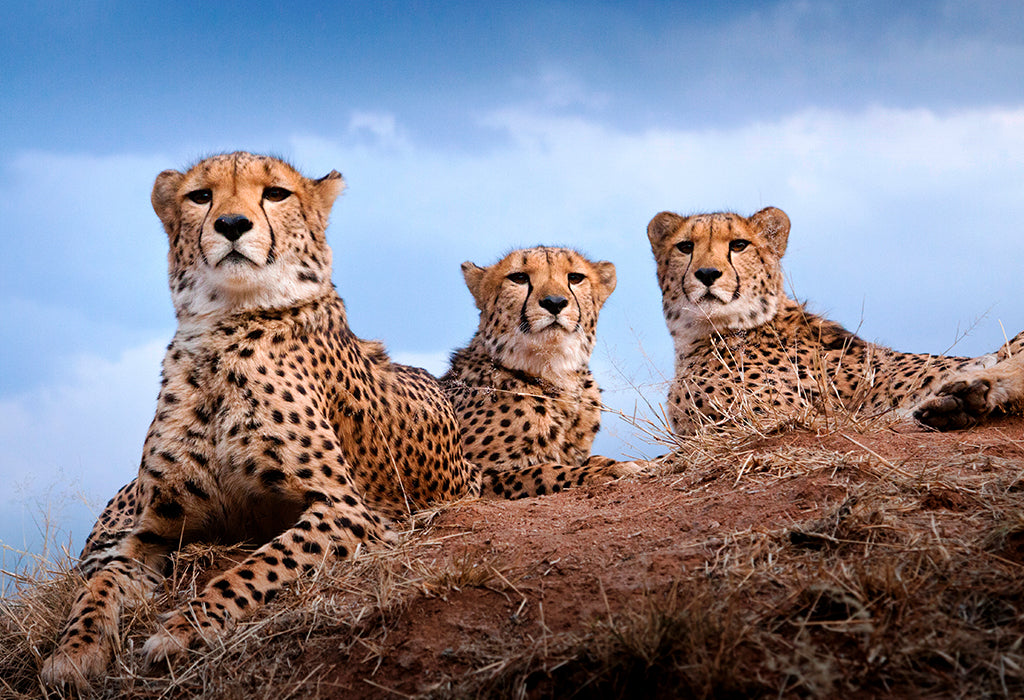
Key Highlights
- Integrated Conservation Strategies: Focus on both rehabilitation of captive cheetahs and understanding wild populations.
- Human-Wildlife Conflict & Habitat Management: Emphasis on mitigating conflicts and preserving essential habitats.
- Genetic, Health, and Behavioral Studies: Comprehensive approaches evaluating genetics, immunology, and hunting behavior.
Overview
Namibia presents a unique landscape where cheetahs, both in captivity and in the wild, play a vital role in the ecosystem. Research on this subject is multifaceted, covering topics such as rehabilitation initiatives, genetics, human-wildlife conflict, spatial ecology, and habitat use. The integration of insights from diverse studies has not only furthered our understanding of cheetah behavior but also contributed significantly to conservation practices in a region that acts as a critical refuge for these majestic animals.
Comprehensive Research Areas
1. Rehabilitation and Release Programs
One of the prominent areas of research involves the rehabilitation of captive-raised or orphaned cheetahs and their eventual release into protected areas or private reserves. This research entails:
- Pre-release Preparation: Detailed studies are conducted on the nutritional, physiological, and behavioral conditioning of cheetahs. Researchers evaluate factors such as time to independence and hunting proficiency after release.
- Post-release Monitoring: The effectiveness of the reintroduction protocols is continuously assessed by monitoring survival rates, adaptation to wild prey, and habitat utilization. GPS telemetry data plays an essential role in tracking these dynamics.
- Case Studies: Several projects, including those by organizations like the Cheetah Conservation Fund and other ecological institutes, have provided invaluable data demonstrating that with proper management and monitoring, rehabilitation can yield cheetahs that successfully integrate and thrive in the wild.
2. Health, Genetics, and Immunology
Health and genetic studies form a cornerstone of cheetah research in Namibia. The limited genetic diversity historically observed in cheetahs makes them particularly susceptible to diseases and decreases overall adaptability. Key research topics include:
- Genetic Diversity: Assessing the genetic variability within both captive and wild populations is crucial. Research has focused on using methods such as artificial insemination and in vitro fertilization to enhance gene flow and combat inbreeding.
- Immunological Health: Studies compare the prevalence of viral pathogens and other diseases between captive cheetahs and those living in the wild. This information is used to inform vaccination and disease management practices in rescue centers and captive breeding programs.
- Comparative Health Analysis: By analyzing biochemical markers and immune responses, researchers can identify how stress, diet, and environmental factors differ between populations, guiding better management strategies both for rehabilitation centers and in natural reserves.
3. Behavioral Ecology and Spatial Dynamics
Understanding the behavior and movement of cheetahs is essential for both short-term conservation success and long-term ecosystem management. Research in this area covers:
- Spatial Ecology: GPS tracking and camera trap studies are commonly used to map cheetah territories, movement patterns, and interaction with the environment. These studies help in identifying critical habitats and corridors that are essential for their survival.
- Predator-Prey Interactions: Research extends to analyzing the dynamics between cheetahs and their prey. Detailed observations have shed light on the cheetahs’ hunting strategies, prey selection, and dietary needs in different regions.
- Behavioral Comparisons: Comparative studies between captive and wild cheetahs reveal differences in behavior such as hunting strategies, social interactions, and responses to stimuli. This helps in refining rehabilitation techniques to prepare captive cheetahs adequately for life in the wild.
4. Human-Wildlife Conflict and Community Engagement
Namibia’s vast farmlands often bring cheetahs and human activities into conflict. A significant area of research is dedicated to understanding and mitigating these conflicts:
- Conflict Dynamics: Studies examine the causes of conflict, often focusing on cheetah predation on livestock. This research includes spatial analyses to identify high-risk areas and time periods when conflicts are most likely.
- Livestock Management Strategies: Researchers are developing and evaluating various conflict mitigation techniques. These may involve improved livestock protection methods, such as guardian animals, secured enclosures, and innovative herding techniques.
- Community-Based Conservation: Engaging local communities is essential. Educational programs and cooperative management approaches have been studied as tools to encourage coexistence, ensuring that both the needs of wildlife and local livelihoods are balanced.
5. Habitat Utilization and Prey Ecology
Research on habitat utilization explores how cheetahs adapt to varied landscapes across Namibia. This line of study includes:
- Habitat Requirements: Investigations detail the specific habitat features that support healthy cheetah populations. Researchers analyze vegetation cover, water availability, and human-induced changes to the landscape.
- Prey Distribution: The abundance and distribution of prey species play a significant role in cheetah ecology. Studies assess how different prey types influence cheetah hunting success and overall health.
- Implications for Conservation Areas: The insights gained from habitat and prey ecology studies assist in selecting appropriate sites for new reserves and planning land-use strategies that facilitate the coexistence of wildlife and agriculture.
Comprehensive Research Table
| Research Topic | Description | Focus Area | Key Methods |
|---|---|---|---|
| Rehabilitation and Release Programs | Study of pre- and post-release protocols for captive-raised cheetahs | Captive Rehabilitation | GPS tracking, behavioral observation, telemetry |
| Genetic Diversity and Health | Analysis of genetic variability and prevalence of diseases in cheetahs | Health and Immunology | Genetic testing, serological surveys, comparative health analyses |
| Behavioral Ecology and Spatial Dynamics | Investigation of movements, hunting tactics, and territory use | Wildlife Ecology | Camera traps, GPS telemetry, spatial mapping |
| Human-Wildlife Conflict Mitigation | Strategies to minimize livestock depredation and promote coexistence | Conservation Strategy | Field surveys, community engagement, conflict mapping |
| Habitat Utilization and Prey Ecology | Assessment of habitat features and prey distribution that support cheetah populations | Ecological Adaptation | Habitat analysis, prey mapping, ecological surveys |
Additional Research Themes
Beyond these primary topics, additional areas of research are emerging that offer further insights into the complex dynamics involving cheetahs in Namibia:
- Gut Microbiome Diversity: Studies focusing on how factors such as age, sex, and environment affect the gut microbiome in captive vs. wild cheetahs. By analyzing these microbial communities, researchers can infer information about health, dietary impacts, and environmental stresses.
- Reproductive Biology: Comparative research on the reproductive success rates, mating behaviors, and offspring survival in captive versus wild settings. Such work informs breeding programs and supports efforts to enhance genetic variability.
- Technology in Wildlife Research: The use of advanced technologies like remote sensing, machine learning in pattern detection from camera traps, and drone surveillance is transforming the study of cheetah behavior and habitat utilization.
- Socio-Economic Impacts: Investigations into how cheetah conservation and ecotourism contribute to local economies. This research examines how conservation initiatives can be aligned with community benefits, driving local support for wildlife management policies.
In-Depth Research Questions
Some specific research questions include:
- What are the critical factors affecting the success of rehabilitation and release programs for captive-raised cheetahs in Namibia?
- How do cheetahs adjust their spatial and hunting behaviors when transitioning from captivity to natural reserves?
- What genetic markers determine resilience or susceptibility to diseases among different cheetah populations?
- How does the alteration of natural habitats by human agricultural practices affect cheetah movement and prey availability?
- What are the long-term ecological effects of community-based conservation models on maintaining healthy cheetah populations?
Innovative Methods and Tools
Modern research on cheetahs in Namibia has benefitted greatly from innovative methods such as:
- Advanced telemetry and tracking devices that provide near-real-time data on cheetah locations, movement patterns, and even behavioral cues.
- Genetic sequencing techniques that allow for a detailed analysis of genetic diversity and inbreeding, thus informing effective captive breeding programs.
- Satellite imagery and remote sensing which help in assessing habitat changes over large geographical areas and detecting human encroachment.
- The use of ecological modeling to predict future changes in cheetah distribution based on climate change scenarios, prey dynamics, and potential shifts in land-use.
Research Impact and Conservation Policy
The research topics outlined above significantly impact conservation strategies and policymaking in Namibia. By integrating findings from health, behavioral, and genetic studies with community-focused conflict mitigation strategies, researchers and conservationists can:
- Develop scientifically sound guidelines for cheetah reintroduction and habitat management.
- Establish effective human-wildlife conflict mitigation practices that benefit both wildlife conservation and rural communities.
- Strengthen captive breeding programs through the identification of key genetic markers and health indicators,
- Inform adaptive management strategies that accommodate the evolving demands of both wildlife conservation and sustainable agriculture.
These collaborative research efforts, supported by both local initiatives and international partnerships, are crucial for ensuring that conservation policies are based on robust data and sound ecological principles. Ultimately, effective research leads to practical solutions that protect cheetah populations while also supporting economic and social well-being in the regions where these magnificent animals live.
References
- British Ecological Society - Applied Ecology Resources
- IZW Cheetah Research Project - Cheetah Research
- Cheetah Conservation Fund - Wikipedia
- PubMed - Cheetah Research Studies
- ResearchGate - The Namibian Cheetah Status Report
Recommended Related Queries
Last updated March 18, 2025