
Research Topics on Cheetahs
Exploring Diverse Areas in Captive and Wild Cheetah Studies
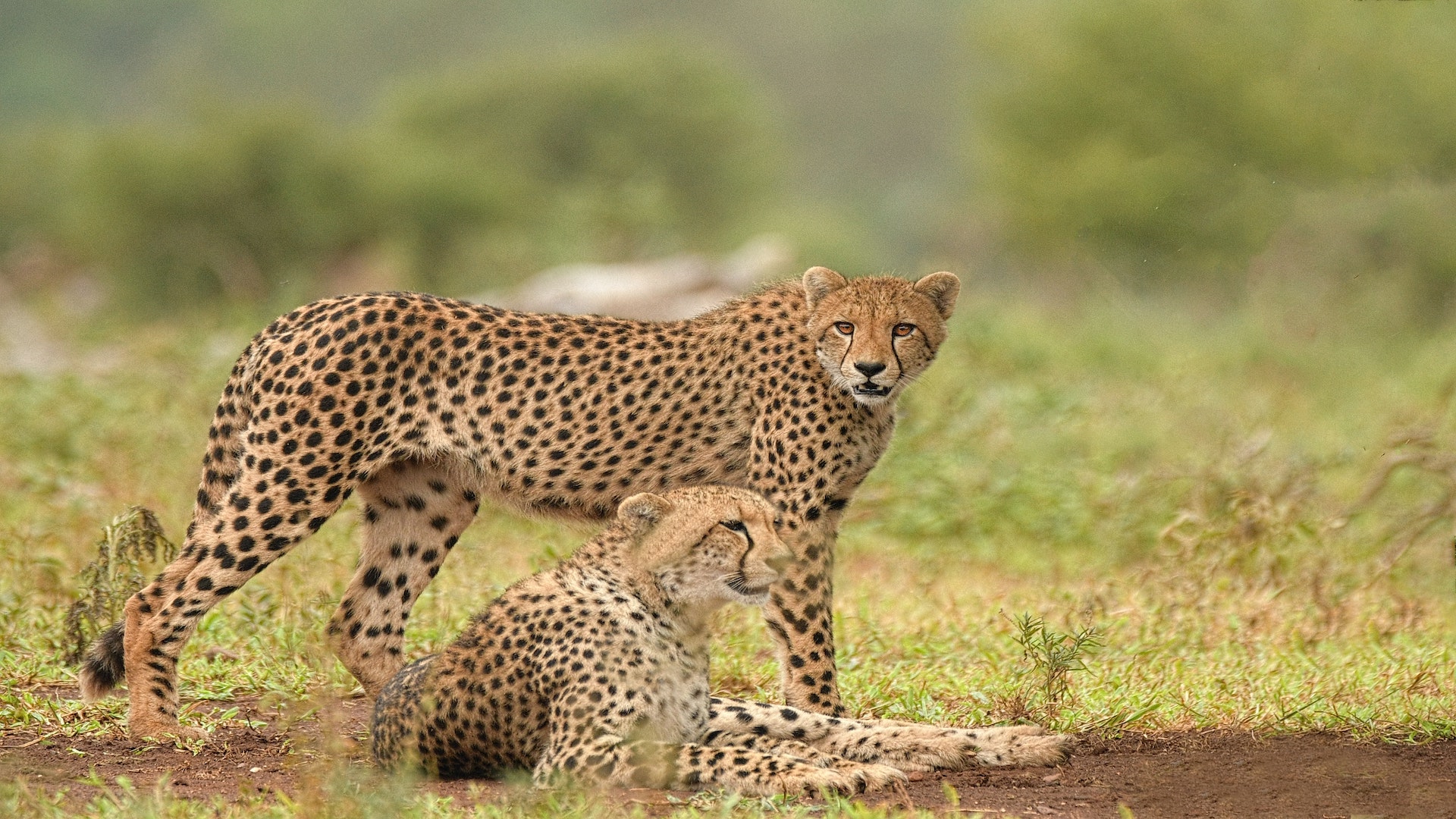
Key Highlights
- Conservation & Ecological Research: In-depth studies on population monitoring, habitat impact, human-wildlife conflicts, and rewilding initiatives.
- Captive Management & Health: Focus on genetics, stress levels, clinical care, husbandry, and breeding approaches to improve cheetah well-being in captivity.
- Interdisciplinary Approaches: Integration of genetics, physiology, behavior, and ecology to design effective conservation strategies across different environments.
Overview of Research in Cheetah Studies
Research on cheetahs, both in captivity and in the wild, has evolved significantly as conservation challenges increase. Scholars and conservationists address a variety of issues, ranging from genetic diversity and reproductive success to ecological roles, habitat fragmentation, disease dynamics, and strategies to improve both conservation outcomes and animal welfare. Combining interdisciplinary methods, these studies provide valuable insights on the behavior, physiology, and environmental interactions of cheetahs, furthering both in-situ (wild) and ex-situ (captive) conservation efforts.
Context and Importance
Cheetahs are recognized for their incredible speed and unique physiological traits; however, they face increasing threats from habitat loss, human encroachment, declining prey populations, and genetic bottlenecks. The dual focus on captive and wild cheetah research stems from the need to mitigate these threats through targeted scientific inquiry and comprehensive ecosystem management practices. Captive cheetahs present a unique opportunity to study reproductive physiology, health management, and stress-related behaviors under controlled conditions, while research on wild populations is crucial for understanding natural behavior and environmental needs. This integrated approach can ultimately guide conservation policies and captive management practices to ensure the long-term survival of the species.
Research Topics in Captive Cheetahs
1. Health, Stress, and Clinical Management
Studying Health Impacts and Disease Profiles
Captive cheetahs often exhibit unique health challenges, including susceptibility to infectious and degenerative diseases. Research in this area examines:
- Disease Incidence: Common issues include feline infectious peritonitis, renal diseases, and other degenerative conditions. Comparative studies between captive and wild cheetah populations help identify specific health vulnerabilities.
- Stress and Its Effects: Chronic stress, measured via biomarkers like cortical hormone levels, significantly impacts health and reproductive success. Investigations into cortisol levels and adrenal responses can reveal the physiological impacts of captivity on cheetahs.
- Clinical Care: Developing and implementing advanced veterinary care protocols in captivity ensures early detection and treatment of diseases, contributing to improved overall welfare and breeding success.
2. Genetics and Breeding Strategies
Exploring Genetic Diversity and Reproductive Physiology
Genetic diversity in cheetah populations has long been a subject of concern, particularly given the species’ historical bottlenecks. Research topics include:
- Genetic Variation: Studies on the limited genetic pool focus on implications for reproductive health and the species’ ability to adapt to environmental changes.
- Breeding Programs: Research into artificial insemination, in vitro fertilization, and other assisted reproduction techniques seeks to overcome challenges in successful breeding programs in captivity.
- Comparative Reproductive Success: Exploring differences between captive and wild populations helps identify specific genetic and environmental factors that influence reproduction, aiding in the design of more successful ex-situ conservation programs.
3. Husbandry, Enrichment, and Welfare
Designing Better Captive Environments
One of the central aims of captive research is to improve the welfare and quality of life of cheetahs held in controlled environments. Key focus areas include:
- Enclosure Design: Developing enclosures that mimic natural habitats can reduce stress and encourage natural behaviors such as exploratory and hunting instincts. Research in this area involves studying optimal spatial configurations, sensory stimuli, and physical activity requirements.
- Behavioral Studies: Understanding how confined environments influence behavior is crucial. Observations of stress-induced behaviors and the impact of environmental enrichment can lead to tailored interventions that promote psychological well-being.
- Social Interaction: Studies also investigate the role of socialization in captivity. Although cheetahs are largely solitary in the wild, controlled social interactions in captivity may offer benefits in terms of mental stimulation and reduced stress levels.
4. Comparative Studies: Captive versus Wild
Analyzing Differences to Inform Conservation
Comparative research between captive and wild cheetahs helps uncover the effects of environment on health, behavior, and survival. Topics include:
- Stress Levels and Health Outcomes: Investigations centered on comparing stress biomarkers and disease incidences in captive versus wild populations provide insight on how captivity alters physiological responses.
- Reproductive Success Metrics: Such comparisons aim to assess how environmental factors influence reproductive success, guiding improvements in captive breeding programs and potential reintroduction strategies.
- Behavioral Ecology: By studying the natural behaviors of wild cheetahs, researchers can design captive environments that allow the expression of species-specific behaviors, reducing abnormal patterns characterized by stress and confinement.
Research Topics in Wild Cheetahs
1. Ecology and Behavior in Natural Habitats
Field Studies of Ecology and Social Dynamics
Research on wild cheetahs emphasizes understanding the natural behaviors and ecological roles these animals play within their natural habitats. This research covers:
- Hunting Behavior and Prey Selection: Field studies analyze hunting techniques, prey preferences, and the ecological impacts of cheetahs on local prey populations.
- Territorial and Social Structures: Investigations into the spatial organization, territory ranges, and interactions among individuals contribute to broader ecological insights that guide wildlife management practices.
- Adaptations and Survival Tactics: Studies examine how wild cheetahs adapt to differing habitats and seasonal changes, offering data on their ability to cope with environmental fluctuations.
2. Habitat Fragmentation and Human-Wildlife Conflict
Challenges from Human Encroachment and Environmental Degradation
With increasing habitat loss and human activities, wild cheetahs face significant threats that jeopardize their survival. Research in this area seeks to:
- Study the Impact of Habitat Fragmentation: Research examines how the reduction and fragmentation of natural areas disrupt cheetah movement patterns, impede genetic flow, and affect overall population stability.
- Human-Wildlife Conflict Analysis: Field research delves into the dynamics between cheetahs and human populations. Strategies such as optimal livestock guarding, community outreach, and conflict mitigation techniques are evaluated to promote coexistence.
- Assessing Conservation Strategies: Studies focus on evaluating the effectiveness of existing conservation and management interventions, identifying best practices to minimize negative human impacts while supporting local ecosystems.
3. Conservation Genetics and Population Monitoring
Genetic Diversity and Long-Term Viability
Conservation genetics is a pivotal aspect of wild cheetah research. Key components of this research encompass:
- Population Genetics: Understanding genetic variation and relatedness among wild cheetahs helps in framing conservation strategies. Genetic monitoring informs decisions related to translocations, reintroduction, and assisted gene flow between fragmented populations.
- Longitudinal Studies: Monitoring populations over extended periods enables researchers to track the impact of environmental pressures such as climate change, prey base shifts, and human encroachment on survival and reproduction.
- Integration with Technological Advances: The use of techniques such as GPS tracking, remote sensing, and genetic barcoding aids in the detailed study of population dynamics and migratory patterns.
4. Rewilding and Rehabilitation Programs
Efforts to Restore Natural Cheetah Populations
Rewilding initiatives and rehabilitation projects are emerging as important supplementary measures to bolster wild cheetah populations. The research focus involves:
- Rehabilitation Processes: Evaluating the effectiveness of rehabilitation protocols for orphaned or displaced cheetahs, with a focus on preparing captive-raised individuals for survival in the wild.
- Post-release Monitoring: Data on the survival rates of released cheetahs and their integration into wild populations is crucial. Studies track habitat adaptation, social integration, and the long-term impacts of reintroduction efforts.
- Environmental Contexts: Research also investigates how different environmental and individual factors contribute to the success of rewilding projects, leading to tailored interventions that support natural population growth.
Comparative and Interdisciplinary Research Approaches
1. Comparative Health and Behavior Studies
Bridging the Gap Between Captivity and the Wild
A growing area of research compares the conditions of cheetahs in captivity with their wild counterparts. This interdisciplinary approach integrates veterinary science, ecology, and genetics to:
- Analyze Stress and Health Markers: By comparing biomarkers such as cortisol levels between captive and wild cheetahs, scientists are able to assess the physiological impacts of different environments and propose adjustments to captive care protocols.
- Evaluate Reproductive and Genetic Health: Comparative studies highlight differences in reproductive success and genetic diversity, providing crucial information on how best to manage breeding programs and preserve genetic variability across populations.
- Behavioral Adaptations: Insights from natural behavioral patterns in the wild inform the design of enrichment programs in captivity that promote healthy expressions of innate behaviors, reducing occurrences of stress-induced abnormalities.
2. Integrative Conservation Strategies
Harnessing Interdisciplinary Research for Policy Making
Interdisciplinary research combining data from genetics, field observations, clinical studies, and theoretical modeling plays a pivotal role in:
- Formulating Conservation Policies: The synthesis of research findings aids policymakers in crafting targeted strategies that address both the immediate and long-term needs of cheetah populations.
- Developing Mathematical Models: Statistical models and predictive analytics are employed to simulate population dynamics, allowing researchers to forecast future trends and potential scenarios under varying environmental influences.
- Designing Adaptive Management Strategies: By integrating continuous monitoring and research data, adaptive management strategies can be implemented that are flexible and responsive to ongoing changes in both habitat conditions and population health.
Comprehensive Research Topics Table
| Research Area | Key Topics | Focus Populations |
|---|---|---|
| Health and Clinical Management | Disease incidence, stress markers, veterinary protocols | Captive, Comparative |
| Genetics and Breeding | Genetic diversity, reproductive strategies, assisted reproduction | Captive, Comparative |
| Husbandry and Enrichment | Enclosure design, behavioral enrichment, social interactions | Captive |
| Ecology and Behavior | Natural hunting, territory, social organization | Wild |
| Habitat and Conflict | Habitat fragmentation, human-wildlife conflict, mitigation strategies | Wild |
| Rehabilitation and Rewilding | Post-release monitoring, reintroduction success, environmental adaptations | Wild, Captive (transition programs) |
| Comparative Studies | Health metrics, reproductive success, behavior analysis | Captive vs. Wild |
References
- Scientific Research on Cheetahs • Cheetah Conservation Fund - Cheetah Conservation Fund
-
Clinical Management of Captive Cheetahs - PubMed Central
-
Diseases Impacting Captive and Free-Ranging Cheetahs - PubMed Central
- Rehabilitation Research Returns Orphaned Cheetahs to the Wild - Mongabay
-
Cheetahs: Biology and Conservation - ScienceDirect
Recommended Explorations
Last updated March 18, 2025