
Exploring the Intricate Evolution of Chemical Warfare
A comprehensive research proposal on historical development and modern impacts
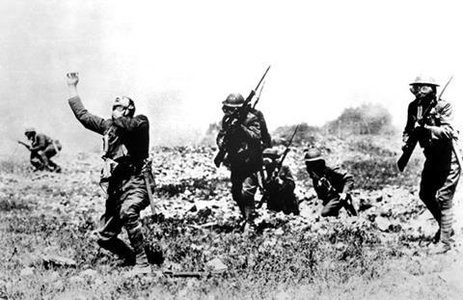
Key Highlights
- Historical Milestones: Tracing the use of toxins from ancient civilizations to modern nerve agents.
- Technological Progress: Exploring innovations in chemical synthesis and delivery mechanisms.
- Modern Implications: Evaluating international treaties, humanitarian impact, and current security challenges.
Introduction
The evolution of chemical warfare represents a profound transformation in military strategy and international security. This research proposal aims to provide a detailed analysis of the historical development of chemical warfare, from primitive toxin use in ancient times to the sophisticated chemical agents and delivery systems of the modern era. It further examines the multifaceted effects of these developments on modern conflicts, global security, warfare ethics, and international diplomacy.
Research Objectives
-
Historical Development of Chemical Warfare
• To document early uses of toxic substances in warfare, including instances from ancient civilizations, such as the employment of poisonous plants and burning sulfur fumes.
• To examine the pivotal role of World War I in establishing modern chemical warfare with agents like chlorine, phosgene, and mustard gas.
• To analyze the technological and industrial advancements during the interwar period and World War II that led to the creation and deployment of nerve agents, including tabun, sarin, and soman. -
Technological and Tactical Innovations
• To investigate the role of advancements in chemistry and industrial processes in the production of chemical agents.
• To assess the development of protective measures such as gas masks and decontamination techniques that arose in response to the new chemical threats.
• To study the evolution of delivery systems for chemical agents and the ways these evolved alongside global military strategy. -
Modern Implications and Global Security
• To evaluate the impact of chemical warfare on international relations, including the lasting humanitarian, environmental, and ethical consequences.
• To analyze modern regulatory frameworks, particularly the Chemical Weapons Convention (CWC) and the role of the Organisation for the Prohibition of Chemical Weapons (OPCW) in ensuring compliance.
• To explore the present-day risks of chemical terrorism and state-sponsored chemical attacks and the challenges involved in countering these threats.
Literature Review
A comprehensive review of historical documents and contemporary literature reveals that the use of chemical warfare is not a novel concept. The early examples include the deliberate poisoning of water supplies and the deployment of noxious fumes, as seen in conflicts among ancient civilizations. With the emergence of modern chemistry in the 19th century, chemical warfare took on a new dimension, culminating in its large-scale use during World War I.
The literature indicates that the introduction of agents such as chlorine gas, phosgene, and mustard gas dramatically altered battlefield dynamics, leading to enormous loss of life and unprecedented injuries among combatants and civilians alike. The development of nerve agents in the subsequent decades further increased the lethality of chemical weapons. International legal frameworks, such as the Geneva Protocol and the Chemical Weapons Convention, reflect the global condemnation of chemical warfare; however, ongoing challenges persist in the field of non-compliance and the threat of chemical terrorism. This review sets the stage for the research methodology by emphasizing the importance of multidisciplinary analysis in understanding the evolution of chemical warfare.
Methodology
Primary Research Approaches
The research methodology will combine historical analysis with contemporary case studies, expert interviews, and quantitative data analysis. This multi-layered approach is designed to provide a comprehensive perspective on both the historical evolution of chemical warfare and its modern implications. Key components of the methodology include:
1. Historical Analysis
• Collect and analyze primary sources including military documents, historical records, and archival materials from ancient to modern periods.
• Study the transition from primitive forms of chemical warfare to the industrial-scale production of chemical agents during World War I and II.
2. Case Studies
• Detailed examinations of significant conflicts, such as the use of chemical warfare in World War I, the Iran-Iraq War, and the Syrian Civil War.
• Analysis of the immediate and long-term consequences of chemical attacks on civilian populations and military personnel.
3. Expert Interviews
• Conduct interviews with historians, military experts, toxinologists, and policy analysts specializing in chemical warfare.
• Utilize qualitative insights to understand the ethical, legal, and diplomatic challenges historically and in the modern context.
4. Quantitative Data Analysis
• Assess statistical data related to the casualties and long-term health effects resulting from chemical weapon use.
• Compare the effectiveness of international treaties and regulations in reducing the prevalence of chemical warfare in modern conflicts.
Comprehensive Research Structure
| Section | Description | Key Targets |
|---|---|---|
| Historical Development | Investigating early uses of chemical agents and their evolution into modern warfare practices. | Ancient cases, WWI innovations, interwar developments, WWII and Cold War implications. |
| Technological Innovations | Examining developments in the chemical industry and delivery methods, including protective gear evolution. | Chemical synthesis, gas mask development, delivery systems. |
| Modern Impact | Evaluating the humanitarian, ethical, environmental, and diplomatic effects of chemical warfare in modern conflicts. | International treaties, casualties, health effects, chemical terrorism. |
| Methodology | Utilizing a multidisciplinary approach combining historical analysis, quantitative data, and expert opinions. | Archival research, case studies, interviews, data analysis. |
| Policy Implications | Recommendations for improved international regulation and future research directions. | Chemical Weapons Convention enforcement, future threats mitigation strategies. |
Expected Outcomes
This research aims to yield a detailed narrative of the evolution of chemical warfare, linking historical practices with contemporary challenges. The expected outcomes of the study include:
-
Historical Timeline and Analysis:
A comprehensive timeline documenting the evolution of chemical warfare from its ancient origins to the modern day, highlighting key transitions, technological advancements, and landmark conflicts.
-
Technological and Tactical Insights:
An in-depth review of the technologies and strategies employed in the deployment of chemical agents, including breakthroughs in chemical synthesis and protective gear innovations.
-
Impact on Modern Conflicts:
An analysis of the humanitarian, environmental, and global security challenges posed by chemical warfare, supported by statistical data on casualties and long-term health implications.
-
Policy Recommendations:
Evidence-based recommendations for strengthening international regulations, including the enforcement of the Chemical Weapons Convention (CWC) and improved countermeasures against the threat of chemical terrorism.
Timeline and Resources
The proposed research project is expected to span a period of approximately 12 months with the following outline:
• Phase 1: Intensive literature review and archival research focusing on ancient records, World War I sources, and subsequent historical documentation.
• Phase 2: Collection and assessment of quantitative data and case studies on modern instances of chemical warfare, including interviews with experts.
• Phase 3: Comprehensive analysis and synthesis of findings, culminating in the formulation of policy recommendations and publication of the final research report.
The research team will consist of a lead historical analyst, a military technology expert, a policy analyst specializing in international treaties, and environmental scientists. Funding will be allocated to cover resources such as document acquisition, expert interviews, travel, and data processing.
Expected Contributions and Modern Relevance
The study is designed to contribute critical insights into the evolution of chemical warfare, clarifying how historical practices inform current global security challenges. The findings will provide a robust foundation for future academic research and policy-making. In particular, the research will:
-
Enhance Historical Understanding:
By charting a detailed timeline, the study will help contextualize the dramatic shifts in chemical warfare techniques and their corresponding impacts on military strategy and societal norms.
-
Inform Policy and Regulation:
The synthesis of historical data with modern case studies will provide insightful policy recommendations to international bodies, aimed at curbing the use and proliferation of chemical weapons and improving humanitarian responses.
-
Promote Multidisciplinary Research:
Integrating perspectives from history, chemistry, military studies, and international law underscores the need for multidisciplinary approaches to complex global issues such as chemical warfare.
References
- History of Chemical Warfare - Wikipedia
- Chemical Weapon: History and Effects - Britannica
- Chemical Warfare in World War I - Total Military Insight
- The Evolution of Chemical Warfare - Military Saga
- Chemical Weapons Remain a Threat - EEAS
Recommended Related Queries
Last updated March 26, 2025