
Maximizing Your Cherry Tomato Harvest: From Vine to Culinary Delight
A comprehensive guide to harvesting, storing, and enjoying your abundant cherry tomatoes.
Key Insights for Your Cherry Tomato Harvest
- Optimal Harvest Timing is Crucial: Pick cherry tomatoes when they display vibrant color, are slightly firm, and easily detach from the vine for the best flavor and quality. Harvesting too early results in underdeveloped flavor, while waiting too long can lead to splitting.
- Versatile Storage Solutions: Store ripe cherry tomatoes at room temperature for immediate enjoyment. For longer preservation, methods like freezing (whole or sliced), dehydrating, or even canning are highly effective in maintaining their flavor and extending their usability throughout the year.
- Endless Culinary Possibilities: Cherry tomatoes are incredibly versatile in the kitchen, suitable for a vast array of dishes from simple salads and roasted sides to rich sauces, pastas, and even appetizers. Their sweet and tangy burst of flavor enhances both hot and cold preparations.
Understanding Cherry Tomatoes: Growth and Ripening
Cherry tomatoes are a beloved crop for home gardeners due to their prolific nature and relatively quick maturity. Typically, these small, round fruits are ready for harvest between 50 to 70 days after planting, depending on the variety and growing conditions. They are often among the first tomato varieties to ripen in the summer garden and can continue producing until the first frost. Understanding their growth cycle and ripening cues is fundamental to a successful harvest.
The Journey from Blossom to Berry
Cherry tomatoes are annuals, completing their life cycle within a single growing season. They thrive in warmth and abundant sunlight, requiring good soil, consistent watering, and regular fertilization for optimal yield. While some varieties, like 'Super Sweet 100', are known for producing numerous small fruits on long vines, the overall success of your harvest depends on factors such as planting location, weather conditions, and proper plant maintenance.
Proper care, including regular picking, pruning (though cherry tomatoes typically require minimal pruning), and fertilization, contributes to a higher yield. Healthy plants not only produce more tomatoes but may also ripen sooner. However, cool weather or excessive rain can delay ripening.
Identifying Ripe Cherry Tomatoes: The Visual and Tactile Cues
Knowing exactly when to pick your cherry tomatoes is key to maximizing their flavor and quality. The most reliable indicators are color, firmness, and how easily they detach from the plant. Ripe cherry tomatoes will display a vibrant, even color (red, orange, yellow, or even purplish-black, depending on the variety) right up to the stem. They should feel slightly firm but have a subtle give when gently squeezed, rather than being soft or mushy.
A perfectly ripe cherry tomato will readily release from the plant with a gentle tug or twist. If you find yourself needing to twist or apply significant pressure, the tomato is likely not fully ripe. Harvesting them a bit before they become too soft can actually result in better flavor, as the taste can decline and become mealy once they are overripe or begin to split on the vine.
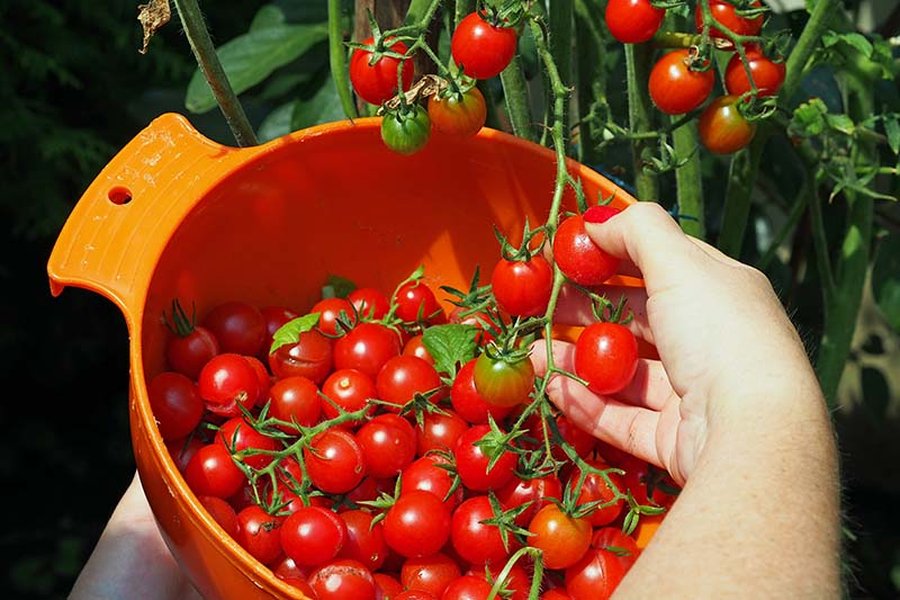
A hand harvesting ripe cherry tomatoes from the vine, indicating optimal ripeness.
Factors Influencing Ripening Speed
Several environmental factors can influence how quickly your cherry tomatoes ripen:
- Light: Adequate sunlight is crucial. Growing cherry tomatoes in partial shade can significantly slow down the ripening process.
- Temperature: Tomatoes prefer warm temperatures. Sustained temperatures above 85°F (29°C) can inhibit fruit set and ripening, while cool weather can delay the harvest.
- Soil Fertility: Fertile, nutrient-rich soil supports healthy plant growth, which in turn contributes to timely fruit development. Consistent fertilization is important.
- Watering: Consistent watering is vital. Irregular watering, especially after a dry spell, can lead to splitting of the ripe fruit.
- Ethylene Gas: For under-ripe tomatoes, placing them in an open paper bag can trap ethylene gas, a natural ripening hormone, encouraging them to ripen faster.
Harvesting Your Cherry Tomatoes
Cherry tomato plants are known for their prolific nature, producing fruit almost constantly for weeks during peak season. This means regular checks are essential to ensure you capture the fruits at their prime and encourage continued production.
Techniques for Harvesting
You have a couple of options when harvesting cherry tomatoes:
- Individual Picking: The most common method is to gently twist individual ripe fruits until they snap off their stem. This allows you to select only the perfectly ripe tomatoes.
- Harvesting Full Vines (Trusses): Some gardeners prefer to harvest entire trusses (clusters) of cherry tomatoes once most of the fruits on that cluster are ripe. This can be more efficient, especially with determinate varieties where fruit ripens more uniformly. Use garden shears or a knife to cut the entire vine.
Regular harvesting, checking plants every other day, is crucial not only for getting the best flavor but also to encourage the plant to continue producing flowers and fruit. It also helps in keeping pests at bay by removing ripe fruit that might attract them.
Watch this video for a quick guide on how and when to harvest cherry tomatoes.
This video provides a straightforward visual guide on harvesting cherry tomatoes, emphasizing the ease of the process and the importance of checking for ripeness, aligning perfectly with the text's guidance on picking individual fruits and understanding ripeness indicators.
Storing Your Bountiful Cherry Tomato Harvest
Once harvested, proper storage is essential to maintain the quality and extend the shelf life of your cherry tomatoes. How you store them depends on how quickly you plan to use them and whether you're aiming for short-term freshness or long-term preservation.
Short-Term Storage for Freshness
For immediate consumption and optimal flavor, cherry tomatoes are best stored at room temperature, away from direct sunlight. High temperatures (above 75°F or 24°C) are not recommended for storage. While larger tomatoes might benefit from being stored stem-side down to prevent bruising, this rule generally applies to cherry tomatoes as well. Keeping them in their original container or in a bowl on the counter is suitable for a few days.
Refrigeration can impact the flavor and texture of tomatoes, making them mealy and less aromatic. However, once cherry tomatoes are fully ripe, transferring them to the refrigerator can prolong their shelf life. It's crucial to allow them to return to room temperature before serving to restore their best flavor and texture.
Long-Term Preservation Methods
When faced with an abundant harvest, long-term preservation methods become invaluable. These techniques allow you to enjoy the taste of summer cherry tomatoes throughout the year.
Freezing Cherry Tomatoes
Freezing is one of the easiest and most effective ways to preserve cherry tomatoes without extensive processing. They can be frozen whole or cut in half. The process is simple:
- Wash the cherry tomatoes and allow them to air dry completely to prevent ice crystals and freezer burn.
- Remove stems.
- Spread them in a single layer on a baking sheet lined with freezer paper or parchment paper.
- Freeze overnight until solid.
- Transfer the frozen tomatoes to freezer-safe bags or containers. Removing as much air as possible helps prevent freezer burn.
Frozen cherry tomatoes can be added directly to cooked dishes like soups, stews, sauces, or roasted vegetables. They will soften considerably upon thawing, making them less suitable for fresh salads but perfect for cooked applications.
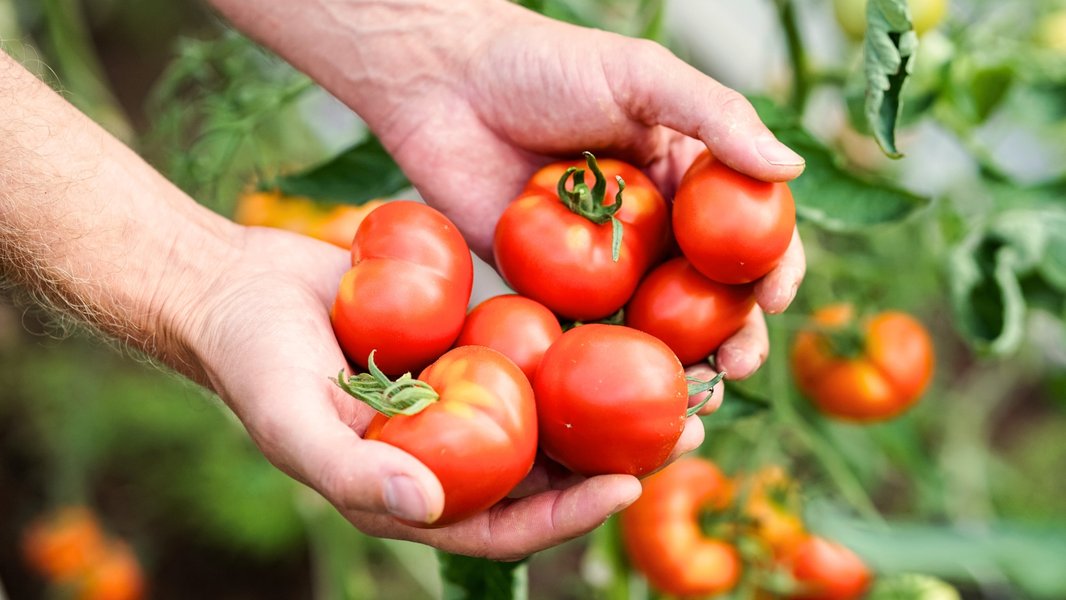
Various tomatoes laid out for storage, including cherry tomatoes in the foreground.
Dehydrating Cherry Tomatoes
Dehydrating cherry tomatoes concentrates their sweet and tangy flavor, turning them into versatile sun-dried tomato-like ingredients. Simply cut them in half and place them cut-side up on dehydrator trays or baking sheets for oven drying. Once fully dehydrated, they can be stored in airtight glass jars.
Canning and Pickling
While canning can seem intimidating, it's a safe and effective way to preserve tomatoes, especially when making sauces or salsas. Cherry tomatoes can also be pickled, offering a unique tangy flavor that can be enjoyed as a snack or condiment. When canning, it's crucial to follow tested recipes, particularly for acidity, to ensure safety.
The radar chart above illustrates the comparative effectiveness of different storage and preservation methods for cherry tomatoes across key attributes: flavor retention, texture preservation, ease of process, and shelf life extension. Freezing offers excellent shelf life and ease, while dehydrating excels in flavor concentration and shelf life. Room temperature storage prioritizes immediate flavor but has limited shelf life, and canning offers a good balance for long-term use, particularly for sauces.
Culinary Uses for Your Cherry Tomatoes
Cherry tomatoes are incredibly versatile in the kitchen, adding a burst of sweet and tangy flavor to a multitude of dishes. Their small size makes them convenient for both raw and cooked applications.
Fresh and Raw Applications
When used raw, cherry tomatoes shine in salads, adding color, sweetness, and a juicy pop. They are a staple in classic Caprese salads with fresh mozzarella and basil, or can elevate simple green salads. They also make excellent snacks on their own or paired with dips. Their bright acidity can cut through rich flavors, making them a refreshing addition to many meals.
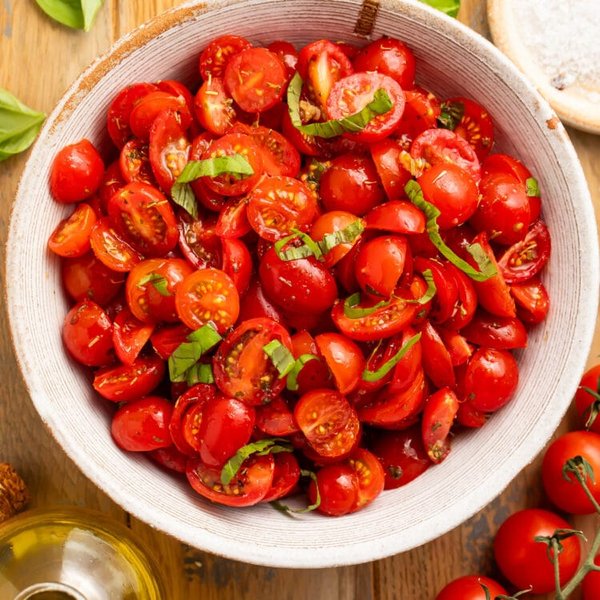
A fresh and colorful cherry tomato salad.
Cooked Applications: From Roasting to Sauces
Cooking cherry tomatoes brings out their natural sweetness and deepens their flavor. They soften and burst when heated, releasing their juices to create delicious sauces. Here are some popular cooked applications:
- Roasted Cherry Tomatoes: Tossed with olive oil, garlic, salt, and pepper, roasted cherry tomatoes become sweet, caramelized, and juicy. They make a fantastic side dish, topping for toast or cottage cheese, or an addition to pasta.
- Pasta Dishes: Cherry tomatoes are perfect for quick and easy pasta sauces. Roasting them until they burst, then tossing with pasta, basil, and Parmesan creates a light yet flavorful meal. Many recipes can be ready in under 30 minutes.
- Sauces and Salsas: They can be cooked down into a quick homemade sauce for pizzas or other dishes. Slow-cooked cherry tomatoes develop a rich, concentrated flavor, ideal for marinara or other tomato-based sauces. They can also be blended into salsas.
- Main Courses: Incorporate cherry tomatoes into one-pan chicken or shrimp dishes, frittatas, and tarts for added flavor and moisture. Their small size means they cook quickly and integrate well.
Versatile Culinary Pairings
Cherry tomatoes pair well with a variety of ingredients, including:
- Herbs: Basil, oregano, thyme, rosemary, parsley
- Cheeses: Mozzarella (especially burrata), feta, Parmesan, goat cheese
- Proteins: Shrimp, chicken, fish, eggs
- Vegetables: Zucchini, bell peppers, corn, arugula, spinach
- Starches: Pasta, rice, couscous, crusty bread
Comparing Harvest and Storage Methods
To provide a clear overview of different approaches to harvesting and storing cherry tomatoes, the following table summarizes key aspects and considerations.
| Aspect | Harvesting Method (Individual Picking) | Harvesting Method (Full Vine/Truss) | Storage Method (Room Temperature) | Storage Method (Refrigeration) | Preservation Method (Freezing) | Preservation Method (Dehydrating) |
|---|---|---|---|---|---|---|
| When to Use | Daily checks for peak ripeness | When most tomatoes on a cluster are ripe | Immediate consumption (within a few days) | Extending shelf life of ripe tomatoes | Long-term storage (months) | Long-term storage (months to a year) |
| Flavor Impact | Optimal, sweet, and firm | Good, if picked at right time | Best flavor and aroma | Can diminish flavor and texture if not brought to room temp | Maintains flavor for cooked dishes | Intensified, concentrated flavor |
| Texture Impact | Ideal firmness | Good overall | Firm yet juicy | Can become softer, mealier | Softens significantly upon thawing | Chewy or crispy, depending on drying |
| Ease of Process | Simple, quick per fruit | Efficient for bulk | Very easy | Easy | Easy (wash, dry, freeze) | Moderate (slicing, drying time) |
| Typical Use | Fresh salads, snacking | Sauces, roasting (if many ripe) | Salads, fresh recipes | Extending fresh use slightly | Cooked dishes (soups, sauces, roasts) | Snacks, rehydrated in dishes, powders |
| Considerations | Prevents overripening/cracking | May include some less-than-perfect tomatoes | Avoid direct sunlight; monitor for overripening | Bring to room temp before use for best taste | May need to remove stems before freezing | Requires dehydrator or oven space and time |
Frequently Asked Questions About Cherry Tomatoes
What is the ideal time to harvest cherry tomatoes?
Should I prune my cherry tomato plants?
How long do fresh cherry tomatoes last?
Can I ripen green cherry tomatoes off the vine?
What are some easy ways to use a large harvest of cherry tomatoes?
What is the best way to store cherry tomatoes long-term?
Conclusion
Mastering your cherry tomato harvest involves understanding the subtle cues of ripeness, employing effective harvesting techniques, and utilizing smart storage and preservation methods. From the moment they blush on the vine to their transformation into delectable dishes, cherry tomatoes offer a rewarding experience for any gardener or home cook. By following these guidelines, you can ensure a steady supply of flavorful cherry tomatoes, whether for immediate enjoyment or for savoring the taste of summer throughout the year.
Recommended Further Exploration
- Discover the best cherry tomato varieties that thrive in different climates.
- Explore advanced pruning techniques to maximize your tomato plant yield.
- Find creative and unique recipes to utilize an overwhelming cherry tomato bounty.
- Learn about common cherry tomato plant diseases and how to prevent them.
References
Last updated May 22, 2025