
Navigating the Integrated Trailer Brake Control (ITBC) System in Your 2013 Chevy 3500
Unlocking the Secrets to a Seamless Towing Experience with Your Chevy's ITBC
The Integrated Trailer Brake Control (ITBC) system in your 2013 Chevy 3500 is a critical component for safe and effective towing. This factory-installed system is designed to provide seamless trailer braking by integrating directly with your truck's braking and stability systems. When issues arise, or when considering a replacement, understanding the intricacies of the ITBC, especially regarding programming, becomes paramount. This comprehensive guide will delve into the necessity of reprogramming a used ITBC module, explore common problems, and offer solutions to ensure your towing operations remain secure and efficient.
Key Insights into ITBC Module Management
- Reprogramming is Crucial: A used ITBC module for your 2013 Chevy 3500 almost always requires programming to your vehicle's VIN to ensure proper function and integration with the truck's systems.
- Common Failure Points: Issues like "Service Trailer Brake System" messages, lack of output to the trailer brakes, and intermittent functionality often stem from wiring corrosion, faulty modules, or issues with the trailer connection.
- Aftermarket Alternatives: If persistent ITBC problems arise, bypassing the factory system and installing an aftermarket trailer brake controller like the Tekonsha Prodigy P3 is a viable and often more reliable solution, though it requires specific wiring modifications.
Understanding the Integrated Trailer Brake Control (ITBC)
The ITBC system in your 2013 Chevy 3500 is not merely an add-on; it's an integral part of the vehicle's electrical and braking architecture. Unlike aftermarket controllers that might rely on inertia sensors, the factory ITBC leverages the truck's actual brake pedal input and communicates with other vehicle modules like the Body Control Module (BCM) and Transmission Control Module (TCM). This integration allows for a more responsive and harmonized braking experience when towing, adapting braking force based on vehicle speed, braking intensity, and trailer load. The ITBC is specifically designed to work with trailers equipped with electric brakes, ensuring compatibility and optimal performance.
The Role of the ITBC Module
The ITBC module, often located behind the dash or above the spare tire, is the brain of the system. It processes signals from the truck's braking system and sends appropriate commands to the trailer brakes. For your 2013 Chevy 3500, specific part numbers like 20964299 and 20850923 are commonly associated with the ITBC module. Given its deep integration, any replacement, especially with a used module, necessitates careful consideration of programming requirements.
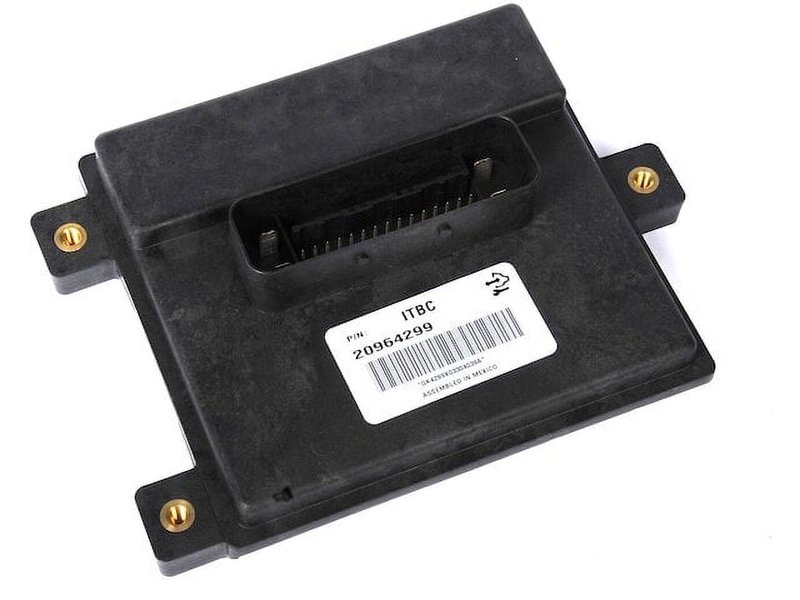
A typical Integrated Trailer Brake Control (ITBC) module for a 2013-2014 Chevy Silverado 2500 HD.
The Reprogramming Imperative for Used ITBC Modules
The short answer is yes, you almost certainly need to reprogram a used ITBC module on your 2013 Chevy 3500. While some forum discussions might suggest otherwise, the consensus among automotive professionals and GM technical bulletins is that any replacement ITBC module, new or used, requires programming to your vehicle's unique VIN and calibrations. This is not simply a plug-and-play scenario.
Why Reprogramming is Essential
The ITBC module is programmed with specific calibrations that match your truck's configuration, including its VIN, RPO codes (Regular Production Options), and other integrated systems like StabiliTrak and ABS. Without this programming, the module may not communicate correctly with the vehicle's other electronic control units (ECUs), leading to various issues such as:
- "Service Trailer Brake System" Message: This is a common indicator that the ITBC module is not properly recognized or functioning.
- No Output to Trailer Brakes: The system might show dashed lines for output or simply fail to engage the trailer brakes.
- Inconsistent Braking: Improper calibration can result in ineffective or erratic trailer braking, compromising safety.
- Diagnostic Trouble Codes (DTCs): While the truck might not always throw an immediate code, a misprogrammed module can trigger underlying system faults.
The Programming Process
Programming typically involves using a specialized scan tool (like GM's Tech2 or MDI) to connect the new/used module to the vehicle's computer. The technician downloads the correct calibration files for your specific VIN from GM's online service programming system (SPS) and flashes them onto the module. This process ensures that the module functions as intended, recognizing the vehicle and integrating seamlessly with its electronic systems.
Can I Reprogram it Myself?
While some advanced DIY enthusiasts might attempt this with specific diagnostic tools, it's generally recommended to have the programming performed by a GM dealer or a qualified automotive technician. They have access to the necessary software, equipment, and up-to-date calibration files from GM. Attempting to program it yourself without the correct tools and knowledge can lead to further complications.
Common ITBC Problems and Troubleshooting
Beyond programming, several common issues can lead to ITBC malfunctions or the dreaded "Service Trailer Brake System" message. Addressing these points is crucial for proper system operation.
Electrical and Wiring Issues
Many ITBC problems can be traced back to the electrical connections. Corrosion, loose wires, or damaged insulation can disrupt communication and power flow.
- Trailer Plug Corrosion: Water and debris can accumulate in the 7-way trailer plug, causing corrosion. Spraying it out with brake cleaner can often resolve this.
- Wiring Harness Damage: Inspect the wiring at the trailer plug and leading from it for any visible damage or corrosion.
- Fuses and Relays: Check the fuse for the ITBC system, which is factory-installed if the vehicle is equipped with ITBC. On some models, a dedicated trailer brake control relay (TBCR) located near the spare tire can also be a culprit, especially if it's blowing fuses.
- Brake Switch/Pressure Sensor: The ITBC relies on the truck's brake pedal input. A faulty brake stoplight switch or a brake pressure sensor on the master cylinder can prevent the ITBC from sensing braking action, leading to no output.
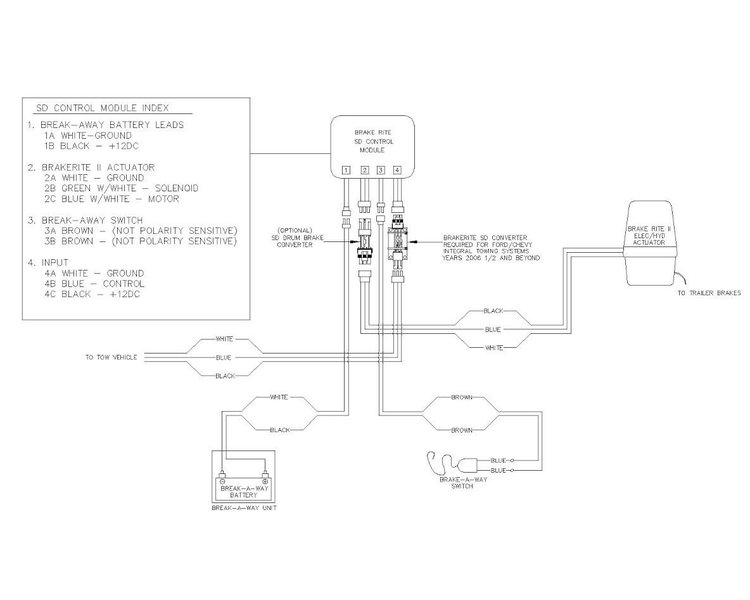
A visual representation of a 7-way trailer connector wiring, highlighting the brake pin's position.
Module Failures and Diagnostics
If wiring checks out, the module itself might be at fault. GM typically recommends replacement rather than repair for these modules.
- Internal Module Faults: Constant exposure to harsh environments (like gravel roads and snow, as one user noted) can degrade the module over time, leading to internal component failure.
- "No Output" Display: If your ITBC shows dashed lines for "Output" even with a trailer connected and gain adjusted, it suggests the module isn't sensing the trailer braking circuit or isn't producing the brake signal.
- Trailer Not Recognized: The ITBC system needs to "sense" a trailer is connected. If your truck doesn't recognize the trailer, even if lights work, the brake control won't function.
How to Diagnose ITBC Issues
Diagnosis often starts with visual inspection and basic electrical tests. A 7-way plug tester can confirm if the truck's connector is providing power correctly to the various pins, including the brake signal. Advanced diagnostics may require a scan tool to read specific ITBC-related codes or monitor live data from the module.
Here's a relevant video that provides a general overview of fixing common "service trailer brake system" warnings:
A guide on diagnosing and repairing the "Service Trailer Brake System" warning on Chevy Silverado and GMC Sierra trucks.
Considerations for Aftermarket Brake Controllers
For some owners, especially those facing recurring ITBC issues or towing trailers with electric-over-hydraulic brakes (which the factory ITBC is not compatible with), installing an aftermarket brake controller becomes a practical solution.
Bypassing the ITBC System
Installing an aftermarket controller typically involves bypassing or disabling the factory ITBC. For your 2013 Chevy 3500, this often means utilizing specific blunt-cut wires located under the dash, near the data link connector. These wires are designated for aftermarket brake controller installation and connect to the main unit of the aftermarket controller.
- Wiring Connections: You'll need to connect the aftermarket controller's wires to the corresponding blunt-cut wires in your truck: Dark Blue (Brake Signal to Trailer Connector), Red/Black (Battery), Light Blue/White (Brake Switch), and White (Ground).
- Disabling the Factory ITBC: While simply pulling the fuse might disable the ITBC for practical purposes, some aftermarket installations may require more specific steps to fully bypass the system and prevent conflicts or error messages.
Advantages of Aftermarket Controllers
- Compatibility: Aftermarket controllers often offer broader compatibility, including with electric-over-hydraulic brake systems, which the factory ITBC cannot handle.
- Reliability: For some users experiencing persistent ITBC failures, a high-quality aftermarket unit like the Tekonsha Prodigy P3 can offer more consistent performance.
- User-Friendly Displays: Many aftermarket controllers feature more intuitive displays and controls.
ITBC System Health Radar Analysis
To provide a comprehensive view of ITBC system health and potential challenges, I've created a radar chart. This chart represents key performance indicators and common problem areas, offering an opinionated analysis of where issues typically arise and the effort required for resolution. A higher score indicates better performance or lower difficulty/cost.
This radar chart illustrates the contrast between an ideal factory ITBC system and a system experiencing common issues. Notice how "Programming Complexity" and "Cost of Repair" tend to be higher for ITBC issues, reflecting the specialized tools and expertise often required. "Module Reliability" and "Wiring Integrity" often dip when problems arise, while "Aftermarket Compatibility" typically increases as a viable alternative.
Summary of ITBC Module Status and Solutions
This table summarizes key aspects of ITBC module status, potential issues, and recommended actions, providing a quick reference for your 2013 Chevy 3500.
| Module Status | Common Indications/Symptoms | Necessary Action | Considerations/Notes |
|---|---|---|---|
| Used Replacement ITBC | "Service Trailer Brake System" message, no trailer brake output, dashed lines on display. | Reprogramming to VIN is required. Seek professional help from a GM dealer or qualified technician. | Crucial for proper integration with vehicle's electronic systems. Avoid "plug-and-play" assumptions. |
| Existing ITBC Malfunctioning (Electrical) | Intermittent brake issues, trailer lights working but no brake output, corrosion in trailer plug. | Inspect and clean trailer plug, check wiring harness for damage/corrosion, verify fuses and relays (e.g., TBCR). | Many problems are simple electrical faults. Start with basic troubleshooting before module replacement. |
| Existing ITBC Malfunctioning (Module/Sensor) | Persistent "Service Trailer Brake System" message despite wiring checks, no output even with good connections, truck not sensing trailer. | Diagnose module for internal faults, check brake switch/pressure sensor. Replacement may be necessary. | GM typically recommends replacement for faulty modules. Programming will be needed for new modules. |
| Desire for Aftermarket Controller | Factory ITBC incompatibility (e.g., electric-over-hydraulic brakes), recurring factory ITBC failures. | Bypass factory ITBC (disabling fuse/power) and install aftermarket controller using blunt-cut wires. | Aftermarket controllers offer broader compatibility and can be more reliable for some users. Requires specific wiring modifications. |
FAQ on 2013 Chevy 3500 ITBC Modules
Conclusion
Replacing an ITBC module in your 2013 Chevy 3500, especially with a used unit, is not a simple swap. The integrated nature of this system with the truck's sophisticated electronics means that reprogramming the module to your vehicle's VIN is a critical step to ensure proper function and safety. While electrical issues and wiring problems are common culprits for ITBC malfunctions and should be addressed first, a new or used module replacement almost always necessitates professional programming. Should recurring issues persist or if you require compatibility with different trailer braking systems, transitioning to a suitable aftermarket brake controller remains a well-established and often beneficial alternative.
Recommended Further Exploration
- What are the in-depth troubleshooting steps for a Chevy Silverado ITBC with no output?
- How do I properly install an aftermarket trailer brake controller in a 2013 Chevy 3500, bypassing the ITBC?
- What are the most common causes and fixes for the "Service Trailer Brake System" message in Chevy trucks?
- What are the key differences and performance comparisons between integrated and aftermarket trailer brake controllers?
Referenced Search Results
 static.nhtsa.gov
static.nhtsa.gov
static.nhtsa.gov